

Maximize Your Car’s Performance: How Often to Rotate Tires
Proper tire rotation is one of the most overlooked yet critical aspects of vehicle maintenance that can significantly impact your car’s performance, safety, and your wallet. Understanding how often to rotate tires is essential for maximizing tire life, ensuring even tread wear, and maintaining optimal vehicle handling. Most drivers are unaware that irregular tire wear patterns can reduce fuel efficiency, compromise traction, and lead to premature tire replacement costs that could easily be avoided.
Regular tire rotation extends tire lifespan by up to 20,000 miles and ensures all four tires wear evenly, providing consistent grip and stability. This comprehensive guide will explore everything you need to know about tire rotation frequency, techniques, and the substantial benefits of maintaining this simple yet crucial maintenance routine.
Understanding Tire Rotation
Tire rotation involves systematically moving tires from one position to another on your vehicle to promote even wear across all four tires. This process counters the natural tendency for tires to wear unevenly due to various factors including vehicle weight distribution, driving habits, road conditions, and alignment issues.
The concept behind tire rotation is based on the fact that different tire positions experience varying levels of stress and wear patterns. Front tires typically handle steering, braking, and in front-wheel-drive vehicles, acceleration, causing them to wear faster than rear tires. Additionally, the driver’s side tires often experience more wear due to road crown and typical driving patterns.
Modern vehicles present unique challenges for tire rotation due to directional tires, different front and rear tire sizes, and advanced traction control systems. Understanding these variables is crucial for implementing an effective rotation strategy that maximizes tire performance and longevity.
How Often Should You Rotate Your Tires
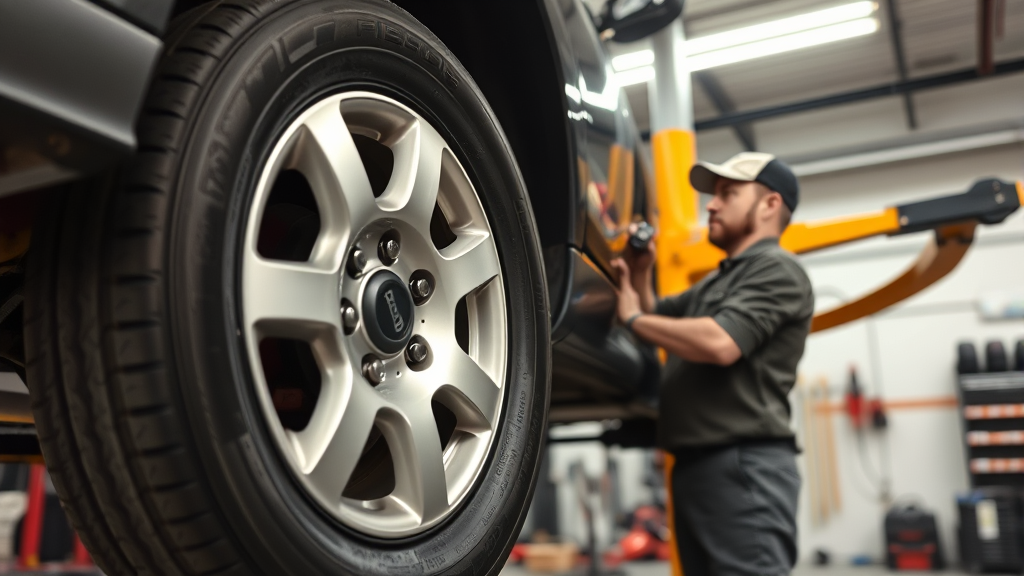
The standard recommendation for tire rotation frequency is every 5,000 to 7,500 miles, which typically aligns with regular oil change intervals. This timing makes it convenient to perform both maintenance tasks simultaneously, ensuring consistent vehicle care. However, several factors can influence the optimal rotation frequency for your specific situation.
Driving conditions play a significant role in determining rotation frequency. Vehicles primarily driven in city conditions with frequent stops, starts, and turns may require more frequent rotations every 3,000 to 5,000 miles. Conversely, highway-driven vehicles may extend rotation intervals to 7,500 to 10,000 miles due to more consistent wear patterns.
Vehicle type and drivetrain configuration also affect rotation schedules. All-wheel-drive and four-wheel-drive vehicles often require more frequent rotations every 3,000 to 5,000 miles due to the complex power distribution systems that can create uneven wear patterns. Front-wheel-drive vehicles typically follow standard 5,000 to 7,500-mile intervals, while rear-wheel-drive vehicles may extend slightly longer between rotations.
Just as regular maintenance like checking engine oil and transmission fluid keeps your vehicle running smoothly, consistent tire rotation prevents costly premature replacements and maintains optimal performance.
Tire Rotation Patterns and Techniques
Several tire rotation patterns exist, each designed for specific vehicle configurations and tire types. The forward cross pattern works well for front-wheel-drive vehicles, moving rear tires straight forward to the front positions while crossing front tires to opposite rear positions. This pattern addresses the heavier wear on front tires common in FWD vehicles.
The rearward cross pattern suits rear-wheel-drive vehicles by moving front tires straight back while crossing rear tires to opposite front positions. This accounts for the power delivery differences and typical wear patterns in RWD configurations.
The X-pattern involves crossing all four tires to opposite corners and works well for vehicles with identical tire sizes and non-directional treads. This pattern provides the most comprehensive wear distribution but requires careful attention to tire rotation direction markings.
For vehicles with directional tires or significantly different front and rear tire sizes, side-to-side rotation may be the only option. This involves swapping tires on the same axle, though it provides limited wear equalization compared to cross-patterns.
Special Considerations for Modern Vehicles
Today’s vehicles often feature tire pressure monitoring systems (TPMS) that require reprogramming after rotation. Some systems automatically relearn new positions, while others need manual reset procedures. Additionally, vehicles with staggered tire setups or run-flat tires may have limited rotation options that require professional assessment.
Signs Your Tires Need Rotation
Visual inspection reveals several indicators that tire rotation is overdue. Uneven tread wear patterns, such as excessive wear on tire shoulders or center sections, indicate improper rotation timing or other underlying issues. Measuring tread depth across all tires using a penny test or tread depth gauge can reveal significant variations that rotation could have prevented.
Performance symptoms also signal rotation needs. Increased road noise, vibration at specific speeds, or pulling to one side during driving often indicate uneven tire wear that regular rotation could have minimized. These symptoms not only compromise comfort but also suggest safety concerns that require immediate attention.
According to the National Highway Traffic Safety Administration, proper tire maintenance including regular rotation significantly reduces the risk of tire-related accidents and improves overall vehicle safety performance.
Benefits of Regular Tire Rotation
Regular tire rotation provides numerous financial and performance benefits that extend far beyond simple tire longevity. Even tire wear ensures all four tires reach replacement time simultaneously, allowing for complete set purchases that often include discounts and ensure optimal traction matching.
Fuel efficiency improvements result from reduced rolling resistance when all tires maintain similar tread depths and wear patterns. Studies indicate that properly rotated tires can improve fuel economy by 2-4%, translating to significant savings over time, especially with rising fuel costs.
Vehicle handling and safety benefits include consistent traction across all four tires, improved braking performance, and reduced risk of sudden tire failure. Even tire wear also maintains proper vehicle balance, reducing stress on suspension components and extending their service life.
Environmental Impact
Regular tire rotation contributes to environmental sustainability by maximizing tire lifespan and reducing waste. Extended tire life means fewer tires in landfills and reduced demand for new tire production, which requires significant energy and raw materials.
DIY vs Professional Tire Rotation
DIY tire rotation requires basic tools including a jack, jack stands, lug wrench, and torque wrench for proper wheel nut tightening. The process involves safely lifting the vehicle, removing wheels in the correct sequence, and reinstalling them according to the chosen rotation pattern. However, DIY rotation requires careful attention to safety procedures and proper torque specifications.
Professional tire rotation offers several advantages including proper equipment, expertise with TPMS systems, and comprehensive inspection of tire condition, wheel alignment, and suspension components. Many service centers include rotation with other maintenance services, making it convenient and cost-effective.
The decision between DIY and professional service often depends on skill level, available time, and access to proper equipment. While DIY rotation saves money, professional service provides peace of mind and often includes additional inspections that can identify potential issues early.
Cost Considerations and Savings
Professional tire rotation typically costs between $35 and $100, depending on location and service provider. However, this investment can extend tire life by 20,000 to 30,000 miles, potentially saving hundreds of dollars in premature tire replacement costs.
Consider that a set of quality tires can cost $600 to $1,200 or more, making the relatively small rotation cost insignificant compared to potential savings. Additionally, many tire retailers offer free rotation services for tires purchased from them, making regular maintenance even more economical.
Just as regular home maintenance like cleaning appliances prevents costly repairs, consistent tire rotation prevents expensive premature replacements and maintains optimal vehicle performance.
Research from Department of Transportation studies indicates that proper tire maintenance, including regular rotation, can reduce total vehicle operating costs by 8-12% annually through improved fuel efficiency and extended component life.
Frequently Asked Questions
How often should I rotate my tires?
Most vehicles should have tires rotated every 5,000 to 7,500 miles, typically coinciding with oil changes. However, all-wheel-drive vehicles, heavy city driving, or aggressive driving conditions may require more frequent rotation every 3,000 to 5,000 miles. Consult your vehicle’s owner manual for manufacturer-specific recommendations.
Can I rotate my tires myself?
Yes, tire rotation can be performed as a DIY task with proper tools including a jack, jack stands, lug wrench, and torque wrench. However, ensure you follow safety procedures, use the correct rotation pattern for your vehicle, and properly torque lug nuts to specification. If your vehicle has TPMS or directional tires, professional service may be advisable.
What happens if I never rotate my tires?
Failing to rotate tires leads to uneven wear patterns, significantly reducing tire lifespan by 20,000 to 30,000 miles. This results in premature replacement costs, reduced fuel efficiency, compromised traction and handling, and potential safety hazards from sudden tire failure or reduced braking performance.
Do all vehicles need tire rotation?
Most vehicles benefit from tire rotation, but some exceptions exist. Vehicles with significantly different front and rear tire sizes, directional tires that cannot be cross-rotated, or specialized performance setups may have limited rotation options. Consult manufacturer recommendations and tire specifications for guidance.
How much does professional tire rotation cost?
Professional tire rotation typically costs $35 to $100, varying by location and service provider. Many tire retailers offer free rotation for tires purchased from them, and some include rotation with oil change packages. The cost is minimal compared to potential savings from extended tire life.
Will tire rotation fix uneven wear that has already occurred?
Tire rotation can slow the progression of minor uneven wear but cannot reverse significant wear patterns that have already developed. Severe uneven wear may indicate alignment issues, suspension problems, or improper inflation that require correction. Early rotation prevents uneven wear rather than fixing existing problems.
Should I rotate spare tires into the regular rotation?
Full-size spare tires that match your regular tires can be included in rotation to maximize even wear across all five tires. However, ensure the spare tire is properly inflated and in good condition. Temporary “donut” spares should never be included in regular rotation as they are designed only for emergency use.

Related Posts

How Long to Boil Lobster Tails: Cooking Guide

How Long to Fly from New York to London? Travel Times
