
How Long to Grill Pork Chops: Expert Timing Guide
How Long to Grill Pork Chops: Expert Timing Guide
There’s something undeniably satisfying about the sizzle of a perfectly timed pork chop hitting a hot grill. Yet nailing that golden exterior while keeping the inside juicy remains one of grilling’s most common stumbling blocks. Too short, and you’re serving undercooked meat. Too long, and you’ve got a dry, disappointing dinner that nobody asked for.
The truth is, grilling pork chops isn’t rocket science—it just requires understanding a few key variables that separate mediocre results from restaurant-quality chops. Temperature, thickness, grill heat, and a few strategic techniques make all the difference between a forgettable meal and one that has everyone asking for seconds.
This guide breaks down everything you need to know to grill pork chops like a pro, with precise timing, temperature targets, and the reasoning behind each step so you can adapt the technique to your specific grill and preferences.
Understanding Pork Chop Thickness and Cuts
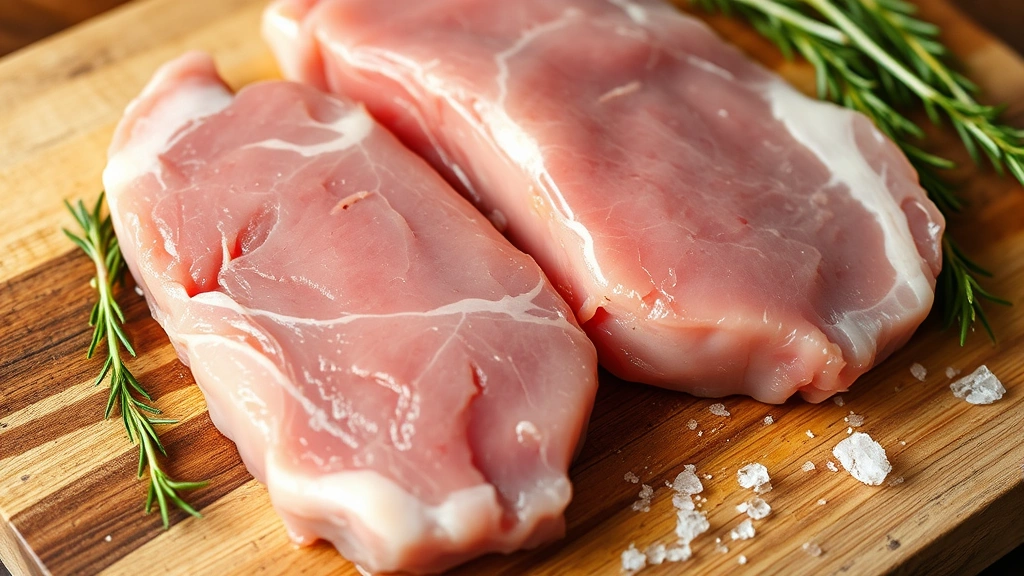
Before you even think about timing, you need to understand what you’re working with. Pork chop thickness dramatically affects cooking time, and it’s the single most important variable in the equation. A thin, half-inch chop will cook in roughly half the time of a thick, one-and-a-half-inch chop, yet both need to reach the same safe internal temperature.
The most common cuts you’ll encounter are bone-in chops (which include the rib bone) and boneless chops. Bone-in varieties actually cook more evenly because the bone conducts heat and helps distribute it throughout the meat. Boneless chops cook slightly faster but require more attention to avoid overcooking the edges while the center finishes.
Center-cut chops are your best bet for consistent results. They’re thicker, more uniform, and hold up better to the intense heat of grilling. Avoid the ultra-thin chops you sometimes see at grocery stores—they’re prone to drying out before you can even blink. Aim for chops that are at least three-quarters of an inch thick, with one to one-and-a-half inches being ideal for grilling.
The thickness directly influences how you’ll approach grilling temperature and timing. Thicker chops benefit from a two-zone setup, while thinner ones do fine with direct heat alone.
Ideal Grilling Temperature and Heat Setup
Temperature control is where many home grillers stumble. The right heat level ensures you get a beautiful crust while cooking through to the center without drying everything out. For pork chops, you’re looking at a medium-high heat zone, which translates to about 375-400°F.
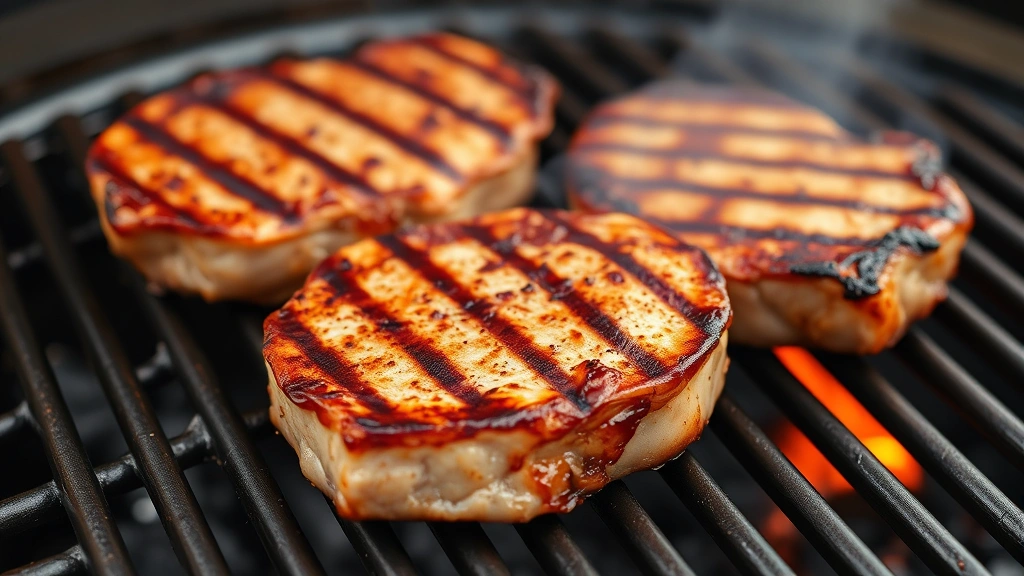
Here’s where it gets strategic: use a two-zone setup on your grill. This means having one side at medium-high heat for searing and another side at medium or medium-low heat for finishing. The high-heat side creates that desirable caramelized exterior through the Maillard reaction, while the cooler side lets the interior cook gently without burning the outside.
If you’re using a charcoal grill, arrange your coals on one side and leave the other side empty. For gas grills, light one or two burners to medium-high and leave the others off. This setup gives you flexibility—if a chop is browning too quickly, you can move it to the cooler zone without losing all that hard-won crust.
Preheat your grill for at least 10-15 minutes before cooking. This ensures the grates are hot enough to create good sear marks and prevents sticking. Clean your grates with a wire brush right before cooking to remove any residue from previous grilling sessions.
Timing Guide: How Long to Grill Pork Chops
This is what you came for, and here it is: the exact timing you need based on thickness and your desired doneness level.
For three-quarter-inch thick chops: Grill for 5-7 minutes total, about 2.5-3.5 minutes per side on medium-high heat. These cook quickly, so don’t wander off.
For one-inch thick chops: Grill for 7-9 minutes total, about 3.5-4.5 minutes per side on medium-high heat. This is the sweet spot for most home grills and provides enough thickness to stay juicy.
For one-and-a-half-inch thick chops: Use the two-zone method. Sear for 3-4 minutes per side on the hot zone (medium-high), then move to the cooler zone for an additional 2-3 minutes per side until you reach target temperature.
Remember, these times are starting points. Your specific grill, outdoor temperature, altitude, and exact heat output will vary. The thermometer is your actual timer here—it never lies.
Speaking of timing, if you’re curious about other grilling proteins, you might want to check out our guide on how long to grill burgers for comparison. And if you’re planning a larger cookout, our article on how long to smoke ribs covers another popular option that requires different techniques.
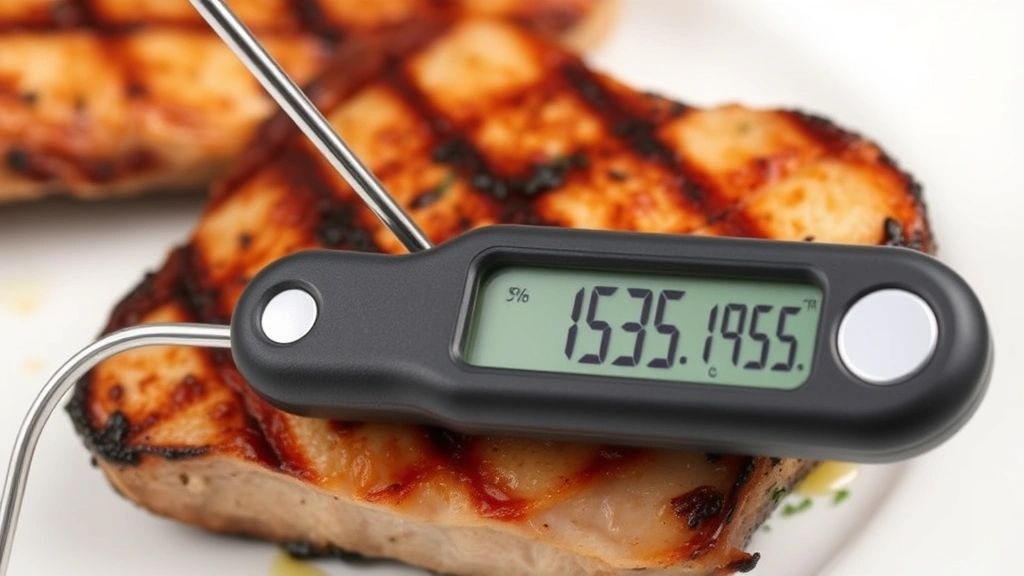
The USDA recommends pork reaches an internal temperature of 145°F for food safety. This is actually lower than the old 160°F guideline many people grew up with, allowing for a slightly rosier center that stays juicier. Use an instant-read meat thermometer inserted into the thickest part of the chop without touching bone.
Preparation and Seasoning Strategy
Proper prep work happens before the chop ever hits the grill, and it makes a measurable difference in your results. Start by removing chops from the refrigerator 20-30 minutes before grilling. Cold meat straight from the fridge will shock on the grill, potentially creating uneven cooking. Room temperature meat cooks more consistently and faster.
Pat the chops completely dry with paper towels. Moisture is the enemy of a good crust—it creates steam instead of that delicious sear. Don’t skip this step; it genuinely matters.
For seasoning, simplicity wins. Kosher salt and freshly ground black pepper applied 5-10 minutes before grilling is all you need. The salt helps retain moisture and creates a better crust through osmosis. You can get fancy with garlic powder, paprika, or dried herbs, but avoid anything with sugar (like brown sugar rubs) that will burn over direct heat.
Some grillers prefer a light brush of oil on the chops themselves, while others oil the grates. Either works, but oiling the grates is usually easier and prevents sticking more effectively. Use high-smoke-point oils like avocado or vegetable oil, not olive oil, which burns at grill temperatures.
If you’re planning to prep ahead and your chops are frozen, check out our guide on how to thaw chicken fast for methods that work equally well for pork.
Monitoring Doneness Without Cutting
The old “cut it open to check if it’s done” method is tempting but ruins your crust and lets precious juices escape. Serious grillers use other techniques to gauge doneness without destroying their work.
The meat thermometer method is the gold standard. Insert an instant-read thermometer horizontally into the thickest part of the chop, making sure it doesn’t touch the bone. For pork chops, aim for 145°F internal temperature. Insert the thermometer after about two-thirds of your estimated cooking time to avoid making multiple holes.
The touch method takes practice but works once you develop the feel. Press the center of the chop with your finger—it should feel firm but still have slight give, similar to the fleshy area between your thumb and forefinger when your hand is relaxed. Undercooked chops feel soft and mushy; overcooked ones feel hard and dense.
Visual cues matter too. Look for a nice caramelized crust on both sides and juices beginning to pool on the surface. When you see this combination, you’re likely close to done. Don’t flip excessively—flip once, maybe twice maximum.
One crucial tip: remove chops from the grill when they’re about 3-5°F below your target temperature. They’ll continue cooking as they rest (called carryover cooking), and this final bit of cooking happens at a lower temperature, resulting in a more even, juicier final product.
Common Mistakes That Ruin Pork Chops
Understanding what not to do is just as valuable as knowing what to do. Here are the mistakes that consistently turn pork chops into disappointing dinner.
Flipping too often: Every flip resets the sear process. Flip only once, maybe twice. Constant flipping prevents a proper crust and extends cooking time unnecessarily.
Starting with cold meat: This causes uneven cooking and longer total time on the grill. Room temperature meat cooks faster and more evenly.
Using too much heat: Cranking your grill to maximum creates a burnt exterior and raw interior. Medium-high is perfect; you want to sear, not incinerate.
Skipping the thermometer: Guessing is how you get overcooked, dry pork chops. A thermometer costs $15-30 and guarantees results.
Not letting meat rest: Cutting into a chop immediately after grilling releases all the juices onto the plate instead of keeping them in the meat. Rest for 3-5 minutes before serving.
Choosing thin chops: Half-inch chops are difficult to keep juicy. Stick with thicker cuts that give you a margin for error.
Advanced Techniques for Maximum Flavor
Once you’ve mastered basic grilling, these techniques elevate your pork chops from good to exceptional.
Brining: Soaking chops in a saltwater solution for 4-12 hours before grilling dramatically improves juiciness and flavor. A basic brine is just salt, water, and optional sugar or spices. This osmotic process allows the meat to retain more moisture during cooking.
Reverse searing: For thick chops (1.5+ inches), start on the cooler zone of your grill and finish with a quick sear on the hot side. This ensures even cooking throughout with a perfect crust. It takes longer but produces the most consistent results.
Smoke and grill combo: If your grill has space, add soaked wood chips to the coals or a smoker box on a gas grill. Pork takes smoke beautifully, and 20-30 minutes of smoke exposure adds incredible depth. If you want to explore smoking techniques more deeply, check out our guide on how long to smoke a brisket—many of the principles transfer to pork.
Butter basting: In the final minute of cooking, brush chops with butter mixed with herbs and garlic. This adds richness and helps create a more complex flavor profile.
Finishing with a glaze: A light brush of maple syrup, honey, or a savory glaze in the last 30-60 seconds of cooking creates a beautiful caramelized finish without burning.
For those interested in maintaining their grilling equipment for optimal performance, our article on how to season a blackstone covers griddle maintenance that applies to keeping all your cooking surfaces in top shape.
Frequently Asked Questions
What’s the difference between grilling and broiling pork chops?
Grilling uses direct heat from below the meat, creating distinctive grill marks and a charred exterior. Broiling uses direct heat from above, which is faster but doesn’t create the same crust. Grilling generally produces superior flavor and texture for pork chops, though broiling works in a pinch.
Can I grill frozen pork chops directly without thawing?
Technically yes, but it’s not recommended. Frozen chops cook unevenly—the outside burns before the inside thaws. Thaw them first using the refrigerator method (overnight) or cold water method (30-60 minutes). The result will be significantly better.
Why are my grilled pork chops always dry?
The most common culprit is overcooking. Pork is very lean, so it dries out quickly. Use a thermometer and pull chops at 145°F, not higher. Thinner chops are also more prone to drying; choose thicker cuts. Finally, always let meat rest before cutting.
Should I cover my grill while cooking pork chops?
For thin chops (under 1 inch), no—direct heat works fine. For thicker chops, especially using the two-zone method, you can close the lid on the cooler zone to create an oven effect that ensures even cooking. Keep the grill open on the hot side for direct searing.
What’s the best way to season pork chops before grilling?
Simple is best: kosher salt and black pepper applied 5-10 minutes before grilling. If you want more flavor, add dried herbs or spice blends, but avoid anything with sugar that will burn. Wet marinades are fine but pat the chops dry before grilling to ensure a good crust.
How do I know if my pork chop is undercooked?
Use a meat thermometer—145°F is the USDA-recommended safe temperature. If you must cut to check, the meat should be mostly white with just a hint of pink, not gray or brown throughout. If it looks red and raw, it needs more time.
Can I grill bone-in and boneless pork chops together?
Yes, but timing differs slightly. Bone-in chops cook more evenly and can handle slightly higher heat. Start boneless chops a minute or two later, or place them on the cooler zone initially. Use a thermometer to confirm doneness for each.
What’s the ideal thickness for grilling pork chops?
One to one-and-a-half inches is ideal. This thickness provides enough mass to develop a good crust without drying out. It also gives you a reasonable window for removing them at the right temperature—a minute or two of error won’t ruin them.

Related Posts

How Long to Boil Lobster Tails: Cooking Guide

How Long to Fly from New York to London? Travel Times
