
How Long to Boil Chicken Thighs? Cooking Tips
How Long to Boil Chicken Thighs? Complete Cooking Guide
Boiling chicken thighs might seem straightforward, but there’s actually a surprising amount of nuance to getting them perfectly tender and flavorful. Whether you’re meal prepping for the week, making stock, or creating the base for a comforting soup, understanding the timing and technique makes all the difference between dry, rubbery meat and succulent, fall-apart-tender chicken.
The beauty of chicken thighs lies in their higher fat content compared to breasts. This means they’re far more forgiving during cooking—they stay moist and develop deeper flavor when boiled properly. But rushing the process or overcooking them can still result in disappointment. Let’s dive into everything you need to know about boiling chicken thighs to perfection.
How Long to Boil Chicken Thighs
The short answer: bone-in, skin-on chicken thighs typically take 30-40 minutes to boil until fully cooked and tender. Boneless, skinless thighs cook faster, usually in 15-20 minutes. However, these are guidelines, not hard rules. The actual time depends on several variables, including the size of your thighs, whether they’re frozen, and how vigorously your water is boiling.
For bone-in thighs, you’re looking at that 30-40 minute window. The bone actually helps conduct heat to the center of the meat, ensuring even cooking. If your thighs are particularly large or on the meaty side, add 5-10 minutes to be safe. The safest approach is using a meat thermometer—chicken is safely cooked when it reaches an internal temperature of 165°F (74°C).
If you need to understand how how long to boil chicken in general, the timing varies significantly by cut. Chicken thighs sit in the middle of the spectrum—faster than whole birds but slower than delicate breast meat.
Factors That Affect Cooking Time
Several factors influence exactly how long your chicken thighs will need:
- Size and Weight: Larger thighs naturally require more time. A 6-ounce thigh cooks faster than a 10-ounce one. Try to use thighs of similar size so they finish at the same time.
- Bone-in vs. Boneless: Bone-in thighs take about twice as long as boneless ones. The bone insulates the meat slightly but also conducts heat, creating a more complex cooking dynamic.
- Skin-on vs. Skinless: Skin provides insulation, adding a few minutes to cooking time. This is usually negligible—maybe 2-3 minutes difference.
- Starting Temperature: Frozen chicken takes significantly longer. If you haven’t thawed your chicken fast, add 15-20 minutes to the cooking time, or thaw it properly first for more predictable results.
- Boiling Intensity: A rolling boil cooks faster than a gentle simmer. A vigorous boil can reduce cooking time by 5-10 minutes compared to a slow simmer.
- Water Temperature and Volume: Starting with already-hot water shaves off a few minutes. Having enough water to maintain temperature matters too.
- Altitude: If you live at high elevation, water boils at a lower temperature, requiring longer cooking times.
These variables explain why recipe times vary so widely online. Understanding each one helps you adjust timing for your specific situation.
Step-by-Step Boiling Instructions
What You’ll Need:
- Chicken thighs (bone-in, skin-on recommended for flavor)
- Large pot with lid
- Water or broth
- Salt and aromatics (optional but recommended)
- Meat thermometer
- Slotted spoon
The Process:
- Prepare Your Chicken: Remove chicken thighs from packaging and pat dry with paper towels. This isn’t strictly necessary for boiling, but it helps if you plan to use the meat afterward for shredding or other applications. If frozen, consider thawing chicken quickly beforehand for more even cooking, though you can boil from frozen if needed.
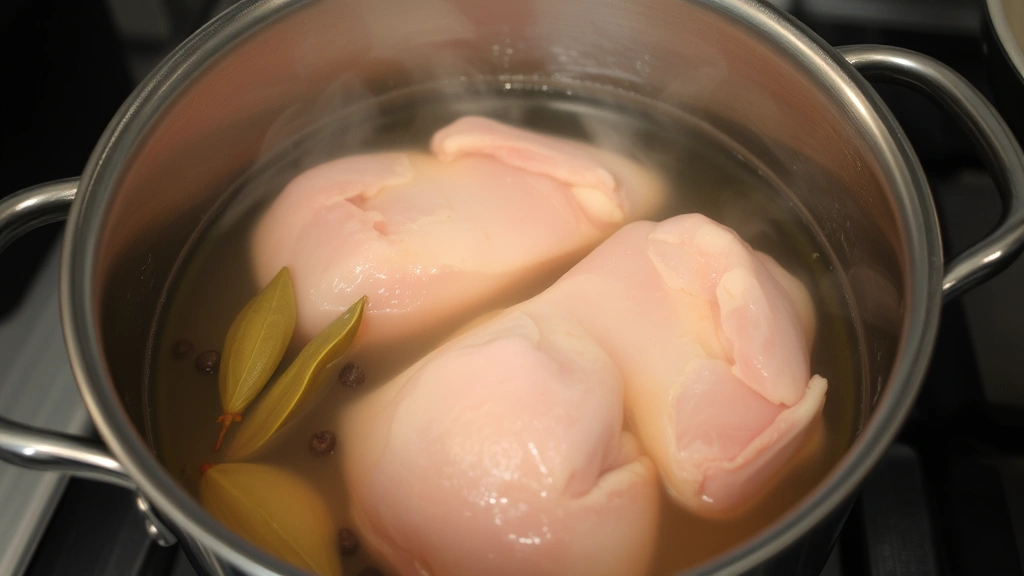
- Fill Your Pot: Place chicken thighs in a large pot and cover with cold water by about 2 inches. Using cold water and bringing it to a boil together (rather than adding cold chicken to boiling water) results in more tender meat. Add about 1 tablespoon of salt per quart of water.
- Add Aromatics (Optional): For extra flavor, add halved onions, celery stalks, bay leaves, peppercorns, or fresh herbs like thyme. This creates a simple broth you can use for soups or rice.
- Bring to a Boil: Place the pot over high heat and bring to a rolling boil. Once boiling, reduce heat to medium or medium-low to maintain a gentle boil or simmer. Rapid boiling can make the meat tough and the broth cloudy.
- Monitor and Time: Start timing once the water reaches a gentle boil. For bone-in thighs, expect 30-40 minutes. For boneless thighs, check at 15 minutes and every 2-3 minutes after.
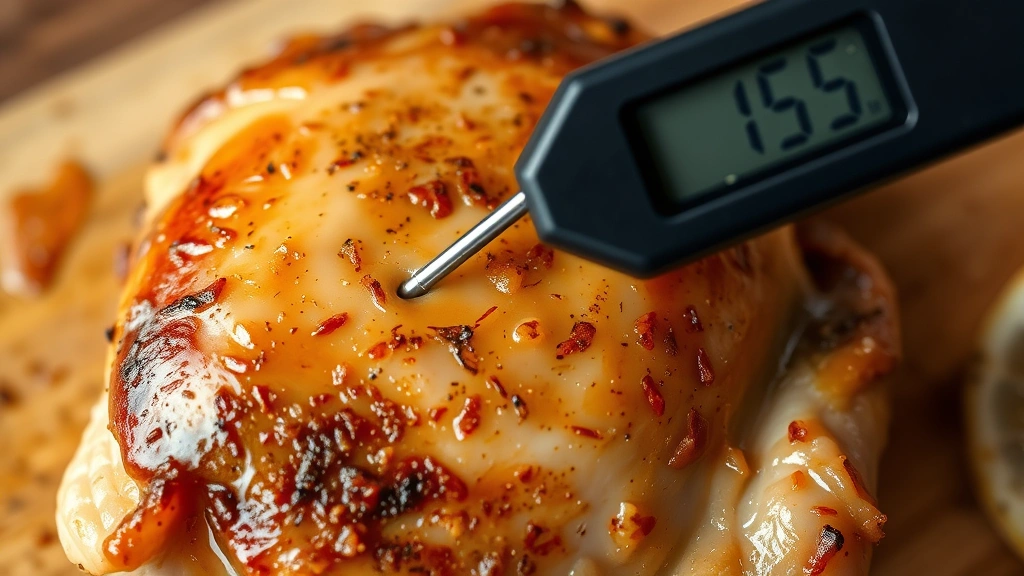
- Check for Doneness: The most reliable method is inserting a meat thermometer into the thickest part of the thigh without touching bone. It should read 165°F (74°C). Alternatively, pierce the thickest part with a fork—juices should run clear, not pink.
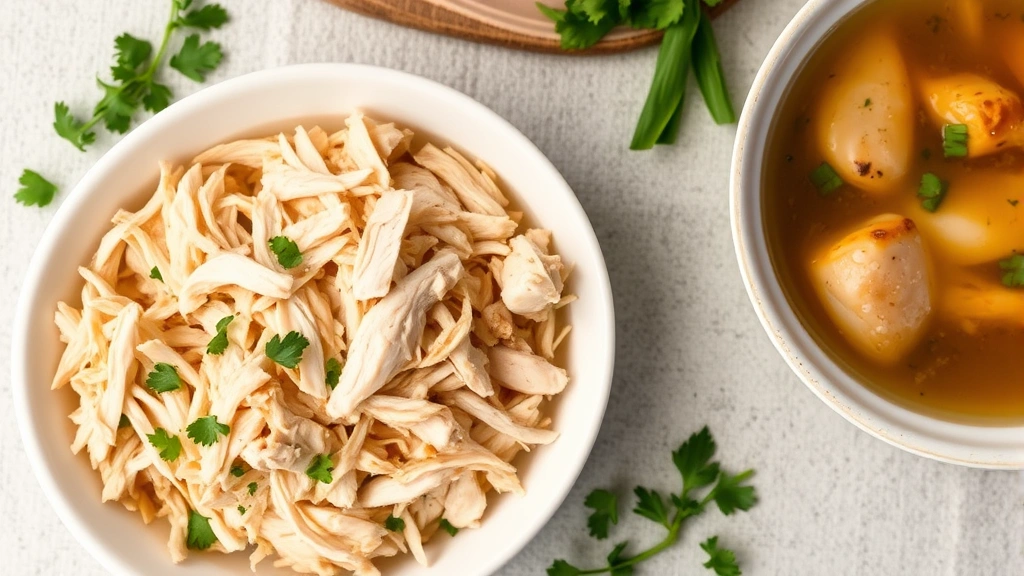
- Remove and Cool: Using a slotted spoon, carefully remove thighs to a cutting board or plate. If making shredded chicken, let them cool for 5-10 minutes before shredding. The meat will be easier to handle and won’t burn your fingers.
- Strain and Store Broth: If you want to use the cooking liquid, strain it through a fine-mesh sieve. Store separately from the meat.
Tips for Tender, Flavorful Results
Use Bone-in, Skin-on Thighs When Possible: While boneless, skinless thighs are more convenient, bone-in versions develop superior flavor during boiling. The bone and skin contribute collagen and fat that enriches both the meat and the broth. If you’re making shredded chicken, bone-in thighs yield incredibly tender results.
Don’t Skip the Salt: Salting the water isn’t optional if you want flavorful meat. Salt seasons the chicken from the inside out as it cooks. Start with 1 tablespoon per quart and adjust to taste.
Maintain a Gentle Boil, Not a Rolling Boil: This is crucial. A gentle boil (where bubbles break the surface slowly) cooks the chicken evenly without making it tough or stringy. A vigorous rolling boil can overcook the exterior while the interior is still underdone.
Use Broth Instead of Plain Water: Chicken broth or vegetable broth infuses the meat with extra flavor. You’ll notice a significant difference compared to plain water.
Don’t Overcrowd the Pot: Leave space between thighs so heat circulates evenly. If you’re cooking a large batch, work in batches rather than cramming them in.
Let Meat Rest After Cooking: Just like with roasted chicken, letting boiled thighs rest for a few minutes allows juices to redistribute, resulting in moister meat.
Save the Broth: That cooking liquid is liquid gold for soups, grains, or sauces. Refrigerate it immediately after straining, and use within 3-4 days or freeze for up to 3 months.
Common Mistakes to Avoid
Starting with Boiling Water: Adding cold chicken to already-boiling water can create temperature shock, resulting in tough, stringy meat. Always start with cold water and bring it to a boil together.
Boiling Too Vigorously: This is the most common culprit behind tough, overcooked chicken thighs. A gentle boil is your friend. You should hear the occasional bubble, not constant, aggressive bubbling.
Cooking Thighs of Vastly Different Sizes Together: If you have 4-ounce thighs cooking alongside 10-ounce ones, the smaller ones will be done well before the larger ones. Either trim them to similar sizes or cook separately.
Not Using a Thermometer: Guessing doneness by appearance or texture is unreliable. A $10-15 instant-read thermometer eliminates all guesswork and ensures food safety.
Forgetting to Account for Frozen Chicken: If your thighs are frozen, add 15-20 minutes to your timeline, or better yet, thaw them first. Thawing also ensures more even cooking.
Skipping the Aromatics: Even just an onion and bay leaf transform the broth and subtly enhance the chicken’s flavor. It takes 30 seconds to add but makes a noticeable difference.
Storage and Make-Ahead Options
Boiled chicken thighs are excellent for meal prep. Here’s how to store them:
- Refrigerator: Store cooked thighs in an airtight container for up to 4 days. Keep them in a bit of the cooking broth to prevent drying out.
- Freezer: Freeze for up to 3 months. Again, storing them in broth prevents freezer burn and maintains moisture. Thaw in the refrigerator overnight before using.
- Shredded Chicken: If you’ve shredded your thighs, store in an airtight container or freezer bag. Shredded chicken freezes beautifully and thaws quickly.
With properly boiled chicken thighs on hand, you can quickly assemble salads, tacos, sandwiches, soups, and grain bowls throughout the week. For timing perspective, if you’re planning how long potatoes take to boil for a one-pot meal with your chicken, you can add them to the pot about 20 minutes into cooking the thighs so everything finishes simultaneously.
For additional guidance on cooking chicken, check out how long to boil chicken breast if you ever need to cook that cut instead. Breast meat requires significantly less time due to its leaner composition.
Frequently Asked Questions
Can I Boil Frozen Chicken Thighs Without Thawing?
Yes, you can, but it’s not ideal. Frozen chicken thighs will take 15-20 minutes longer to cook. The exterior may overcook before the interior is done. For best results, thaw them first using the cold water method (about 1-2 hours) or overnight in the refrigerator.
Why Are My Boiled Chicken Thighs Tough and Stringy?
This almost always happens due to overcooking or boiling too vigorously. Reduce heat to maintain a gentle simmer rather than a rolling boil. Also, verify cooking time with a meat thermometer—you might be cooking them longer than necessary. Chicken continues cooking slightly after you remove it from heat, so remove it at 165°F rather than waiting for it to reach 170°F.
Should I Remove the Skin Before Boiling?
No, leave it on. The skin protects the meat during boiling and contributes flavor. You can remove it after cooking if you prefer. Skinless thighs cook slightly faster but yield less flavorful results.
Can I Use Boneless Thighs for the Same Recipes?
Absolutely. Boneless thighs cook in about half the time (15-20 minutes). The final result is equally delicious, though the broth won’t be quite as rich since there’s no bone collagen. Adjust your timing accordingly.
What’s the Difference Between Boiling and Poaching Chicken Thighs?
Technically, boiling means cooking at 212°F (100°C) at a rolling boil, while poaching is cooking at a gentler temperature (160-180°F / 71-82°C) with barely-simmering liquid. For chicken thighs, the distinction matters less than maintaining gentle heat. What matters most is avoiding aggressive boiling that toughens the meat. Many recipes labeled “boiling” actually describe a gentle simmer.
Can I Add Seasoning Directly to the Cooking Water?
Yes, and it’s encouraged. Salt is essential. You can also add spices, herbs, garlic, and aromatics. However, avoid acidic ingredients like vinegar or lemon juice in large quantities during the initial boil, as they can toughen the meat. Add them toward the end if desired.
How Do I Know if My Chicken Is Fully Cooked?
The gold standard is an instant-read meat thermometer inserted into the thickest part without touching bone, registering 165°F (74°C). Visually, juices should run clear when pierced, and the meat should not be pink. For bone-in thighs, the meat should easily pull away from the bone.
Can I Reuse the Cooking Broth?
Absolutely. Strain it well and refrigerate immediately. Use it as a base for soups, cook rice or grains in it, or freeze for later. It will keep 3-4 days refrigerated or up to 3 months frozen. This broth is rich in collagen and nutrients, making it far too valuable to waste.

Related Posts

How Long to Boil Lobster Tails: Cooking Guide

How Long to Fly from New York to London? Travel Times
