
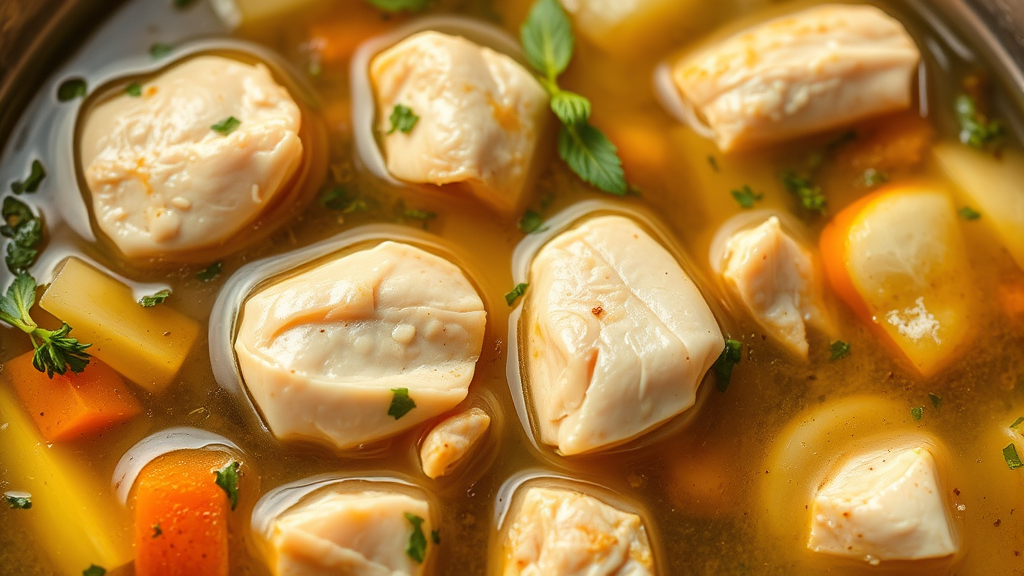
Perfectly Tender Chicken: How Long to Boil for Best Results
Boiling chicken is one of the most fundamental cooking techniques that every home cook should master. Whether you’re preparing a quick weeknight dinner, making chicken salad, or creating a base for soups and stews, knowing exactly how long to boil chicken can make the difference between succulent, tender meat and dry, overcooked protein. The process may seem straightforward, but achieving perfectly cooked chicken requires understanding timing, temperature, and technique.
Many home cooks struggle with determining the precise cooking time needed for different cuts of chicken. Undercooked chicken poses serious health risks, while overcooked chicken becomes tough and unappetizing. This comprehensive guide will walk you through everything you need to know about boiling chicken to perfection, including specific timing for various cuts, essential safety tips, and expert techniques that will transform your cooking results.
Boiling Times by Chicken Cut
Understanding the specific boiling times for different chicken cuts is crucial for achieving optimal results. Each cut has unique characteristics that affect cooking time, including thickness, bone content, and fat distribution.
For chicken breast, the standard cooking time ranges from 15 to 20 minutes for boneless pieces and 20 to 25 minutes for bone-in breasts. The key is maintaining a gentle simmer rather than a rolling boil, which can cause the meat to become tough and stringy. Chicken breasts are naturally lean, making them prone to drying out if overcooked.
Chicken thighs require 25 to 30 minutes for boneless cuts and 30 to 35 minutes for bone-in pieces. The higher fat content and connective tissue in thighs make them more forgiving and flavorful when boiled. Dark meat generally retains moisture better than white meat, making it an excellent choice for beginners.
Whole chickens need significantly longer cooking times, typically 60 to 90 minutes depending on size. A 3-pound chicken will cook in approximately 60 minutes, while larger birds may require up to 90 minutes. The USDA recommends ensuring the internal temperature reaches 165°F throughout the bird.
Chicken wings and drumsticks fall into the middle range, requiring 25 to 30 minutes of cooking time. These cuts benefit from the bone, which helps retain moisture and adds flavor to the cooking liquid.
Proper Preparation Techniques
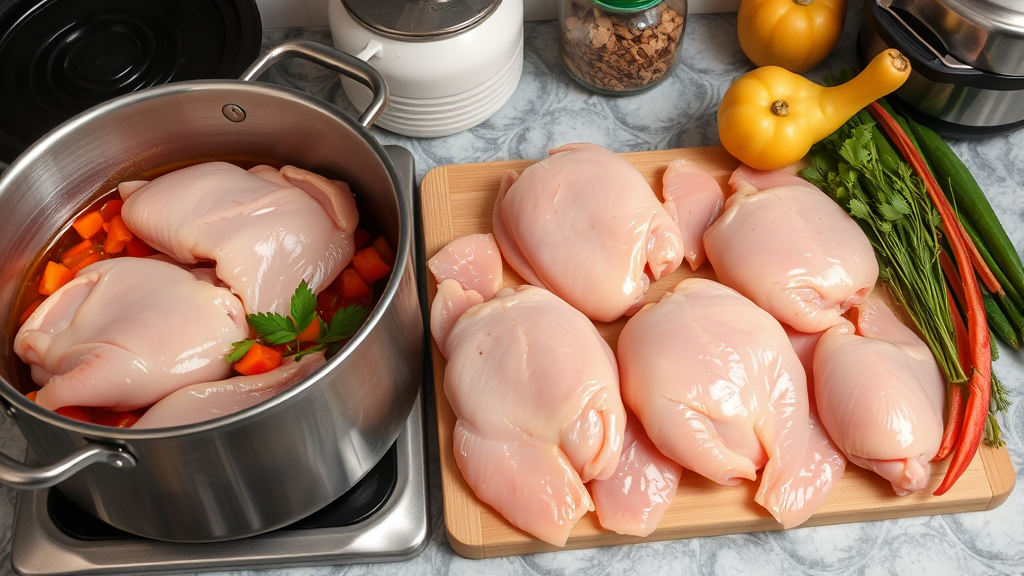
Successful chicken boiling begins with proper preparation. Start by selecting fresh, high-quality chicken from a reputable source. Remove any excess fat or skin, and pat the meat dry with paper towels. This step helps prevent excessive foam formation during cooking.
Use a large, heavy-bottomed pot that can accommodate the chicken comfortably without overcrowding. Add enough cold water to cover the chicken by at least 2 inches. Starting with cold water allows for more even cooking as the temperature gradually rises.
Salt the water generously, using approximately 1 tablespoon of salt per quart of water. This not only seasons the chicken but also helps maintain moisture during cooking. Some cooks prefer to brine the chicken for 30 minutes to 2 hours before boiling for enhanced flavor and tenderness.
Bring the water to a boil over medium-high heat, then immediately reduce to a gentle simmer. Maintaining the proper temperature is crucial – vigorous boiling can cause the meat to become tough and the cooking liquid to become cloudy with foam and impurities.
Skim any foam or impurities that rise to the surface during the first 10 minutes of cooking. This step ensures a cleaner-tasting final product and clearer broth if you plan to use the cooking liquid.
Safety and Temperature Guidelines
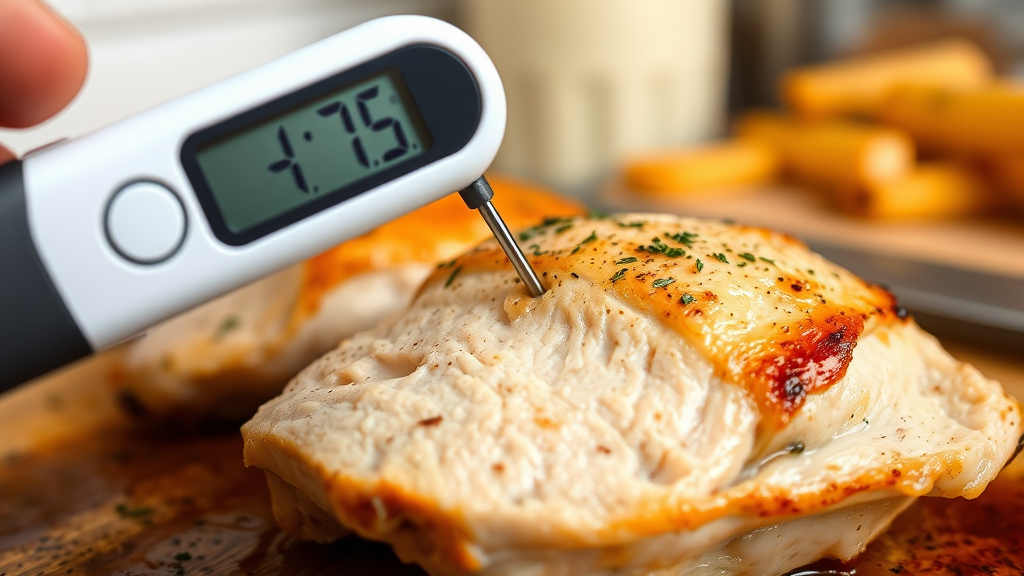
Food safety should always be the primary concern when cooking chicken. The internal temperature must reach 165°F (74°C) to eliminate harmful bacteria such as Salmonella and Campylobacter. Use a reliable digital meat thermometer to check the thickest part of the meat, avoiding contact with bones.
For whole chickens, check multiple locations including the thigh, breast, and wing joints. The Centers for Disease Control and Prevention emphasizes that proper cooking temperature is the most effective way to prevent foodborne illness from poultry.
Never rely solely on visual cues or cooking time alone. Factors such as altitude, pot size, and starting temperature can affect actual cooking times. Clear juices running from the chicken can indicate doneness, but temperature verification remains essential.
Allow cooked chicken to rest for 5-10 minutes before handling or shredding. This resting period helps redistribute juices throughout the meat and makes handling safer and more comfortable.
Store leftover cooked chicken in the refrigerator within 2 hours of cooking and consume within 3-4 days. For longer storage, cooked chicken can be frozen for up to 4 months while maintaining optimal quality.
Flavor Enhancement Methods
While plain boiled chicken serves many purposes, adding aromatics and seasonings can significantly enhance flavor. Create a simple bouquet garni using bay leaves, thyme sprigs, and parsley stems tied together with kitchen twine. This classic French technique infuses subtle herbal notes into the meat.
Vegetables such as onions, carrots, and celery add depth and complexity to both the chicken and cooking liquid. Quarter an onion, roughly chop 2-3 carrots and celery stalks, and add them to the pot along with the chicken. These aromatics create a foundation similar to that used in professional kitchens.
Whole spices like peppercorns, coriander seeds, and garlic cloves provide additional layers of flavor without overpowering the chicken’s natural taste. Start with modest amounts – 6-8 peppercorns and 2-3 garlic cloves are sufficient for most preparations.
Wine or stock can replace part of the cooking water for enhanced richness. Use white wine for lighter flavors or chicken stock for deeper taste. Replace up to one-third of the water with these alternatives for best results.
Consider the intended use of your boiled chicken when selecting seasonings. Chicken destined for salads benefits from lighter herbs like dill or tarragon, while meat for soups can handle bolder flavors like rosemary or sage.
Common Mistakes to Avoid
One of the most frequent errors is boiling chicken at too high a temperature. Vigorous boiling causes proteins to contract rapidly, resulting in tough, stringy meat. Maintain a gentle simmer with only occasional bubbles breaking the surface.
Overcooking ranks as another common mistake that leads to dry, unpalatable chicken. Use a timer and thermometer rather than relying on guesswork. Remember that carryover cooking continues after removing the chicken from heat.
Starting with boiling water instead of cold water can cause uneven cooking. Cold water allows the heat to penetrate gradually, ensuring more uniform results throughout the meat.
Neglecting to season the cooking water results in bland chicken that requires additional seasoning later. Salt the water generously at the beginning of the cooking process for optimal flavor penetration.
Overcrowding the pot prevents proper water circulation and can lead to uneven cooking. Cook chicken in batches if necessary to maintain adequate space around each piece.
Failing to rest the chicken after cooking causes juices to run out when cut or shredded. Allow at least 5 minutes of resting time for optimal moisture retention.
Serving Suggestions and Uses
Boiled chicken serves as an incredibly versatile ingredient in countless recipes. Shred the meat for chicken salad, tacos, or sandwiches. The mild flavor pairs beautifully with mayonnaise-based dressings or vinaigrettes.
Use diced boiled chicken in soups, stews, and casseroles. The pre-cooked meat adds protein without requiring additional cooking time. Popular dishes include chicken and dumplings, pot pie, and chicken noodle soup.
Create healthy meal combinations by serving boiled chicken alongside steamed vegetables and rice. This simple preparation allows the natural flavors to shine while providing balanced nutrition.
The cooking liquid shouldn’t go to waste – strain and use it as a flavorful base for soups, sauces, or cooking grains. Homemade chicken broth adds richness to many dishes and can be frozen for future use.
For international flavors, incorporate boiled chicken into dishes like chicken tikka masala, buffalo chicken dip, or Asian-inspired lettuce wraps. The neutral base adapts well to various seasonings and sauces.
Consider meal prep applications where boiled chicken can be portioned and stored for quick weekday meals. Pair with different vegetables and grains throughout the week for variety without additional cooking time.
Frequently Asked Questions
How do I know when boiled chicken is done without a thermometer?
While a thermometer is the most reliable method, you can check doneness by cutting into the thickest part of the meat. The juices should run clear, and the meat should no longer appear pink. However, investing in a digital thermometer is highly recommended for food safety, especially when following guidelines similar to those for checking food freshness.
Can I boil frozen chicken directly?
Yes, but increase the cooking time by approximately 50%. Frozen chicken will take 25-30 minutes for breasts and 40-45 minutes for thighs. Ensure the internal temperature reaches 165°F before consuming. Starting with thawed chicken provides more even cooking results.
Should I cover the pot while boiling chicken?
Partially covering the pot helps maintain consistent temperature while allowing steam to escape. This prevents overflow while retaining heat efficiency. Avoid completely covering the pot, as this can lead to vigorous boiling rather than gentle simmering.
Why does my boiled chicken turn out tough and dry?
Tough, dry chicken typically results from cooking at too high a temperature or overcooking. Maintain a gentle simmer and monitor cooking times carefully. Using a meat thermometer prevents overcooking while ensuring safety.
How long can I store boiled chicken in the refrigerator?
Properly stored boiled chicken stays fresh in the refrigerator for 3-4 days. Store in airtight containers and maintain refrigerator temperature at 40°F or below. When in doubt about freshness, apply the same principles used when determining food spoilage.
Can I reuse the water after boiling chicken?
The cooking liquid makes excellent chicken broth after straining out solids and aromatics. Store in the refrigerator for up to 3 days or freeze for longer storage. According to USDA guidelines, homemade broth should be used promptly or properly preserved.
What’s the difference between boiling and poaching chicken?
Boiling involves cooking in rapidly bubbling water at 212°F, while poaching uses gentler heat between 160-180°F. Poaching typically produces more tender results but requires longer cooking times. Both methods work well for meal preparation, with poaching being preferred for delicate presentations.

Related Posts

How Long to Boil Lobster Tails: Cooking Guide

How Long to Fly from New York to London? Travel Times
