
Boil Potatoes Perfectly: Timing Tips for Delicious Results
Boiling potatoes might seem like one of the simplest cooking tasks, but achieving perfectly tender, evenly cooked potatoes requires understanding the proper timing and techniques. Whether you’re preparing mashed potatoes for a family dinner, potato salad for a picnic, or simply want fluffy boiled potatoes as a side dish, knowing exactly how long to boil different types of potatoes can make the difference between culinary success and disappointment.
The timing for boiling potatoes varies significantly based on factors such as potato variety, size, and intended use. Small new potatoes might be ready in just 10-15 minutes, while large russet potatoes can take up to 30 minutes or more. Understanding these variables and mastering the proper techniques will ensure your potatoes turn out perfectly every time, with the ideal texture and flavor for your specific recipe needs.
Understanding Different Potato Types and Their Cooking Times
The key to perfectly boiled potatoes starts with understanding the different varieties and their unique characteristics. Waxy potatoes like red potatoes, fingerlings, and new potatoes have lower starch content and higher moisture, making them ideal for boiling because they hold their shape well. These varieties typically require 15-20 minutes of boiling time when cut into uniform pieces.
Starchy potatoes such as russets and Idaho potatoes contain more starch and less moisture, making them perfect for mashing but requiring careful attention when boiling to prevent them from falling apart. These larger potatoes generally need 20-30 minutes depending on size. Medium-starch potatoes like Yukon Gold offer versatility, working well for both boiling and mashing, with cooking times typically falling between 18-25 minutes.
According to the United States Department of Agriculture, understanding potato varieties is crucial for proper cooking techniques and food safety. The starch content directly affects how potatoes respond to heat and moisture during the cooking process.
Proper Preparation Techniques Before Boiling
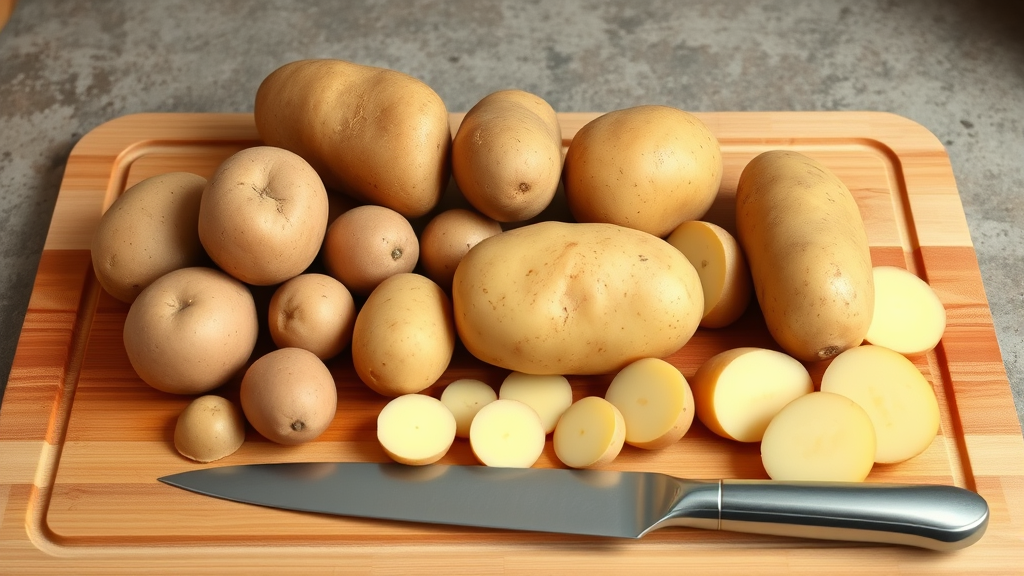
Proper preparation is essential for achieving evenly cooked potatoes. Start by thoroughly washing and scrubbing potatoes under cold running water to remove dirt and debris. For potatoes you plan to peel, you can do this before or after boiling, though peeling after cooking often results in easier removal and better texture retention.
Cutting potatoes into uniform sizes ensures even cooking throughout. Aim for pieces that are roughly the same size – typically 1-2 inch cubes for faster cooking or larger pieces if you prefer longer cooking times. When preparing different types of vegetables for meals, similar timing considerations apply to other foods like understanding how long to steam broccoli for perfectly coordinated side dishes.
Cold water starts are crucial for potatoes, unlike pasta which goes into boiling water. Place prepared potatoes in a large pot and cover with cold water by about 1-2 inches. This gradual heating ensures the potatoes cook evenly from the outside in, preventing the exterior from becoming mushy while the interior remains undercooked.
Step-by-Step Boiling Methods for Perfect Results
Begin by placing your prepared potatoes in a large, heavy-bottomed pot. The pot should be large enough to allow potatoes to move freely without overcrowding. Add cold water until potatoes are covered by 1-2 inches, then add 1-2 teaspoons of salt per quart of water. Salt not only seasons the potatoes but also helps them cook more evenly and can slightly reduce cooking time.
Bring the water to a rolling boil over high heat, then immediately reduce to medium-high heat to maintain a gentle, steady boil. Vigorous boiling can cause potatoes to break apart, especially starchier varieties. Cover the pot partially to help maintain temperature while allowing some steam to escape, preventing overflow.
Just as timing matters when learning how long to boil chicken for safety and tenderness, potato timing requires attention to detail. Monitor the potatoes closely during cooking, stirring occasionally to ensure even cooking. The water should maintain a consistent gentle boil throughout the cooking process.
Detailed Timing Guidelines by Potato Type and Size
Small new potatoes (1-2 inches): 10-15 minutes when left whole, 8-12 minutes when halved. These delicate potatoes cook quickly and are perfect for potato salads or as a side dish with herbs and butter.
Medium potatoes (2-3 inches): 15-20 minutes when quartered, 20-25 minutes when halved. This includes most red potatoes, small Yukon Gold, and fingerling varieties. These work excellently for roasting after boiling or for hearty potato dishes.
Large potatoes (3+ inches): 25-30 minutes when quartered, 30-35 minutes when halved, 45-60 minutes when left whole. Large russets and mature Yukon Gold potatoes fall into this category and are ideal for mashing or baking applications after boiling.
Cubed potatoes (1-inch pieces): 12-15 minutes regardless of variety. This uniform size ensures quick, even cooking and is perfect for potato salad, soups, or quick side dishes. Harvard University’s School of Public Health notes that proper cooking times help preserve nutritional value while ensuring food safety.

How to Test for Perfect Doneness
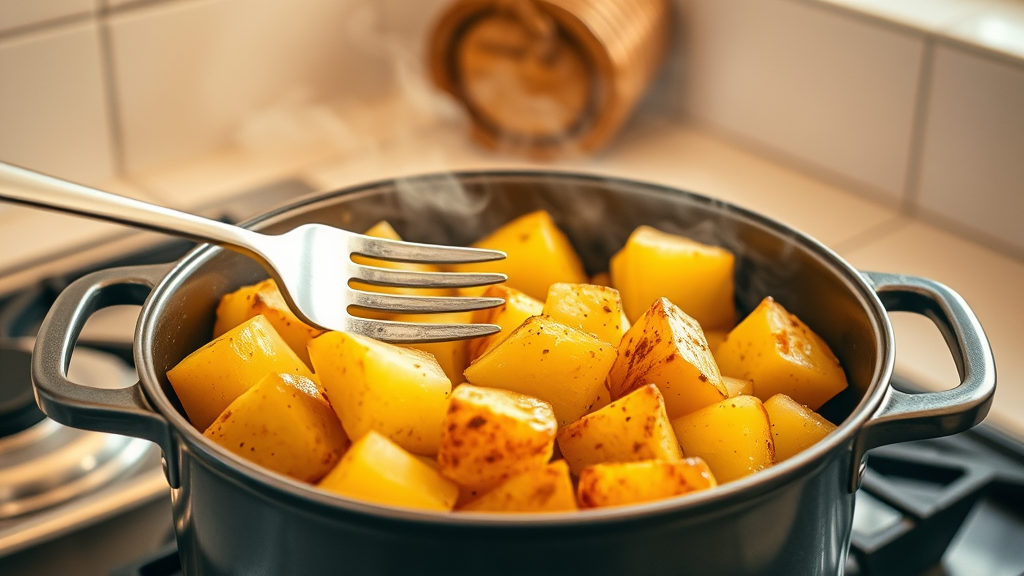
The most reliable method for testing potato doneness is the fork test. Insert a fork or knife tip into the thickest part of the largest potato piece. It should slide in easily with little resistance, but the potato should not fall apart or feel mushy. The texture should be tender but still hold together when lifted.
Another effective method is the “shake test” – gently shake the pot. Properly cooked potatoes will move freely in the water without breaking apart. If potatoes start to break down or the water becomes very cloudy with starch, they may be overcooked.
For mashing purposes, potatoes should be slightly more tender than for other uses. They should break apart easily when pressed with a fork but not be waterlogged. Visual cues include a slight translucent appearance around the edges and easy piercing throughout the entire piece.
Common Mistakes and How to Avoid Them
One of the most common mistakes is starting potatoes in boiling water rather than cold water. This causes uneven cooking with overcooked exteriors and undercooked centers. Always start with cold water for uniform results. Similarly, when preparing other proteins, understanding proper techniques like how to defrost chicken fast ensures food safety and quality.
Overcrowding the pot is another frequent error that leads to uneven cooking and longer cooking times. Use a large enough pot to allow potatoes to move freely, or cook in batches if necessary. Under-salting the water results in bland potatoes since they absorb seasoning during cooking.
Overcooking is perhaps the most frustrating mistake, leading to mushy, waterlogged potatoes. Set a timer and check for doneness regularly, especially during the last few minutes of cooking. The Centers for Disease Control and Prevention emphasizes the importance of proper cooking techniques for food safety and quality.
Creative Serving Ideas and Recipe Applications
Perfectly boiled potatoes serve as the foundation for countless dishes. For classic mashed potatoes, drain thoroughly and let steam escape before mashing with butter and milk. The proper texture achieved through correct boiling timing ensures smooth, creamy results without gumminess.
For potato salad, cool boiled potatoes completely before dressing to prevent the mayonnaise from breaking down. The firm texture achieved through proper timing prevents the salad from becoming mushy. Cold boiled potatoes also work excellently for breakfast hash or roasted potato dishes.
Consider incorporating boiled potatoes into complete meals alongside other perfectly timed dishes. Just as you might plan how long to grill burgers for outdoor cooking, or prepare how to make white rice as a complementary side, timing your potato preparation ensures all components of your meal finish together for optimal serving temperature and texture.
Frequently Asked Questions
How long does it take to boil potatoes for mashing?
For mashing, boil potato pieces for 15-20 minutes until they’re very tender and easily pierced with a fork. The potatoes should break apart slightly when stirred but not become waterlogged. Drain immediately and let steam escape before mashing for the best texture.
Should I peel potatoes before or after boiling?
Both methods work well, but peeling after boiling is often easier and results in better texture retention. The skins slip off easily when potatoes are hot, and leaving skins on during cooking helps prevent waterlogging. If peeling before, start in cold water immediately to prevent browning.
Why do my potatoes fall apart when boiling?
Potatoes fall apart due to overcooking, too vigorous boiling, or using very starchy varieties inappropriately. Reduce heat to maintain a gentle boil, check for doneness frequently, and consider using waxy potatoes if you need them to hold their shape for salads or presentations.
Can I boil different types of potatoes together?
It’s best to boil similar types and sizes together since cooking times vary significantly. If you must mix varieties, start starchier or larger potatoes first, then add quicker-cooking varieties later. Cut all potatoes to similar sizes for more even cooking times.
How do I prevent boiled potatoes from becoming waterlogged?
Drain potatoes immediately when done and let them sit in the colander for 2-3 minutes to allow steam to escape. Don’t let them sit in the cooking water, and avoid overcooking. For extra fluffy results, return drained potatoes to the pot over low heat for 30 seconds to evaporate excess moisture.
What’s the best way to reheat boiled potatoes?
Reheat boiled potatoes in a dry skillet over medium heat, turning occasionally until heated through. This method prevents them from becoming mushy. Alternatively, microwave in 30-second intervals, stirring between each interval. Avoid boiling again as this will make them mushy.
How can I tell if potatoes are undercooked?
Undercooked potatoes will resist when pierced with a fork and have a hard, chalky center when bitten. They may appear opaque or white in the center rather than translucent. Continue cooking and test every 2-3 minutes until they reach the proper tenderness for your intended use.

Related Posts

How Long to Boil Lobster Tails: Cooking Guide

How Long to Fly from New York to London? Travel Times
