

How Long for Creatine to Work? Expert Insights
How Long for Creatine to Work? Expert Insights on Timeline and Results
You’ve just picked up a container of creatine monohydrate, you’re ready to crush your workouts, and naturally, you want to know: when will this stuff actually start working? It’s a fair question, and honestly, the answer isn’t as straightforward as popping a pill and waiting 30 minutes. Creatine is one of the most researched supplements in fitness, but its timeline for effectiveness varies based on several factors we’re about to break down.
Think of creatine like a long-term investment in your training arsenal rather than a quick fix. The science is solid—decades of research backs its effectiveness for strength and muscle gains—but patience is part of the game. Whether you’re looking to maximize your workout performance or understand the realistic expectations, this guide will walk you through exactly what happens in your body and when you can expect to see results.
The truth is, some benefits show up faster than others, and understanding the distinction between loading phases, saturation periods, and actual performance gains will help you set realistic timelines and avoid disappointment.
Understanding Creatine: The Basics
Before we talk about timelines, let’s establish what creatine actually does. Your muscles use adenosine triphosphate (ATP) as their primary energy source during high-intensity exercise. Creatine phosphate helps regenerate ATP during intense bursts of activity, essentially giving your muscles more fuel for those critical final reps or sprints.
Creatine monohydrate—the most common and well-researched form—works by increasing phosphocreatine stores in your muscles. This doesn’t happen overnight. Your muscles need time to accumulate and utilize these additional stores. This is why understanding the difference between feeling energized and actually having improved performance matters tremendously.
The supplement doesn’t directly increase strength or muscle mass on its own. Instead, it enhances your capacity to perform better during workouts, which indirectly supports muscle growth and strength gains over time. It’s similar to how understanding how long does it take to build a house requires patience and understanding each phase of construction—creatine works the same way with your body’s cellular energy systems.
The Loading Phase: Week One
Many people start with a loading phase, consuming 20 grams of creatine daily (typically 5 grams four times per day) for 5-7 days. This aggressive approach rapidly saturates your muscle cells with creatine phosphate.
What happens during loading:
- Your muscle creatine levels increase by approximately 20-30% within the first week
- You may notice increased water retention (2-3 pounds) as creatine pulls water into muscle cells
- Some people report feeling slightly fuller or experiencing mild bloating
- Your muscles may appear slightly larger due to increased intracellular water
- Energy availability during intense workouts may improve noticeably
This is where many people feel like creatine “works” immediately. The water retention creates a psychological boost—your muscles look fuller, and you might feel stronger. However, this isn’t actual muscle tissue growth yet. It’s important to distinguish between the appearance and the underlying physiological changes.
Some athletes skip loading entirely and take 3-5 grams daily from day one. This approach takes longer to saturate your muscles (about 3-4 weeks instead of one), but the end result is identical. It’s purely a matter of preference.
Saturation and Maintenance: Weeks 2-4
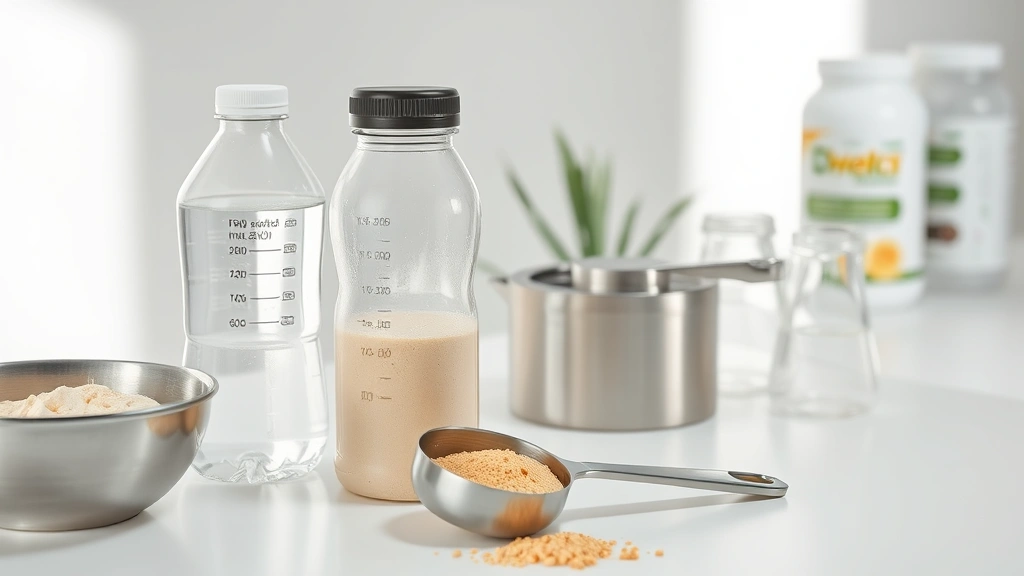
After your loading phase concludes (or if you skip loading), you enter the maintenance phase. This typically involves 3-5 grams of creatine daily for ongoing saturation. Your muscles gradually reach full saturation of creatine phosphate stores.
Timeline during saturation:
- Days 1-7: Rapid accumulation (loading phase) or slow accumulation (no loading)
- Days 8-21: Continued buildup toward maximum saturation
- Days 22-28: Plateau as muscles reach maximum creatine capacity
During this period, you’re not necessarily feeling dramatically different daily. This is where patience becomes crucial. Your body is making subtle but significant changes at the cellular level. The real magic of creatine happens gradually, like how how long does it take for water to boil depends on consistent heat application—consistent creatine supplementation builds results incrementally.
By week 3-4, your muscles should be adequately saturated, and you’re positioned to experience meaningful performance improvements. However, the actual strength and muscle gains typically lag behind this saturation point.
When You’ll Notice Actual Results
Here’s where realistic expectations matter. Most research suggests you won’t notice significant performance improvements until 2-4 weeks of consistent supplementation. Some people see benefits within 7-10 days, while others need the full month.
What to expect timeline-wise:
- Week 1: Water retention, slight fullness in muscles, possible energy boost during workouts
- Week 2-3: Potential for increased training volume (more reps or sets completed)
- Week 4+: Noticeable strength improvements, better recovery between sets, potential muscle growth
- 8-12 weeks: Measurable strength and muscle mass gains when combined with proper training
The key phrase here is “combined with proper training.” Creatine amplifies your training efforts—it doesn’t replace them. If you’re not progressively challenging your muscles, creatine won’t magically create gains. Think of it like an investment strategy: how long does botox take to work depends on individual factors, just as creatine effectiveness depends on your training intensity, nutrition, and recovery quality.
Performance and Strength Improvements

The most reliable benefit of creatine is improved performance during high-intensity, short-duration exercise. This means better results in strength training, sprinting, and activities requiring explosive power.
Realistic performance gains:
- 5-15% improvement in maximum strength (typically shows within 4-8 weeks)
- 5-10% increase in work performed during sets (reps completed at given weight)
- Faster recovery between sets (reduced fatigue accumulation)
- Improved performance on the last few reps of a set
These improvements compound over time. When you’re able to complete one or two extra reps per set, that increased training volume drives muscle growth. Over 8-12 weeks, this translates to noticeable muscle mass and strength gains. If you’re interested in maximizing these gains, understanding how to bulk properly will complement your creatine supplementation significantly.
Endurance athletes often see minimal benefit from creatine because their activities rely on aerobic energy systems rather than the phosphocreatine system that creatine supports. This is why creatine shines for strength training, CrossFit, and high-intensity interval training.
Individual Factors That Affect Timeline
Not everyone experiences creatine benefits on the same timeline. Several variables influence how quickly you’ll see results:
Muscle fiber composition: People with higher percentages of fast-twitch muscle fibers typically respond faster to creatine. This is largely genetic, but it means some athletes naturally benefit quicker than others.
Baseline creatine levels: Vegetarians and vegans typically have lower natural creatine stores (since creatine is primarily found in meat), so they often experience faster, more noticeable results. Omnivores with high meat consumption start with higher baseline levels, meaning less dramatic improvements.
Body composition: Leaner individuals tend to show more dramatic improvements because they have proportionally more muscle tissue to benefit. Someone at 8% body fat will notice performance gains faster than someone at 25% body fat.
Training experience: Beginners often see faster strength gains from creatine because they’re still in the “newbie gains” phase. Advanced lifters see more modest improvements because they’ve already optimized most variables.
Hydration status: Creatine pulls water into muscle cells, so you need adequate hydration for optimal results. Dehydration will blunt creatine’s effectiveness.
Genetics: Some people are simply “responders” while others are “non-responders.” Research suggests about 20% of people experience minimal benefit, likely due to genetic variations in creatine transporters.
Tips for Optimizing Creatine Effectiveness
If you want to maximize your results and hit that timeline faster, these strategies matter:
Pair it with carbohydrates and protein: Taking creatine with carbs and protein increases insulin levels, which improves creatine uptake into muscle cells. A simple approach: take your creatine with a meal containing both carbs and protein.
Maintain consistent daily dosing: Set a specific time each day for your creatine. Consistency matters more than timing, so pick a time you’ll remember and stick with it.
Prioritize hydration: Drink at least 3-4 liters of water daily. Creatine works by pulling water into muscle cells, so dehydration directly undermines its effectiveness.
Progressive overload in training: Creatine amplifies your training, but you need to provide progressive stimulus. Aim to add weight, reps, or sets each week. This drives the adaptations that produce visible results.
Ensure adequate recovery: Muscle growth happens during recovery, not during workouts. Aim for 7-9 hours of sleep and manage stress. Creatine can’t overcome poor recovery practices.
Track your progress: Keep a training log. You’ll often notice performance improvements before you see physical changes. This data-driven approach helps you stay motivated during the waiting period.
Be patient with water retention: That initial 2-3 pound water weight gain isn’t permanent or problematic. It’s intracellular water (inside muscle cells), not subcutaneous fat. After 2-3 weeks, your body adjusts and the scale stabilizes. If you’re tracking for a specific deadline—like how long does it take to become a doctor requires long-term commitment—similarly, creatine requires long-term patience for results.
Frequently Asked Questions
How quickly does creatine start working?
Water retention and potential energy improvements can occur within days, but meaningful strength and performance gains typically take 2-4 weeks. Noticeable muscle growth usually requires 8-12 weeks of consistent use combined with proper training and nutrition.
Do I need to do a loading phase?
No. A loading phase (20g daily for 5-7 days) saturates your muscles faster, but skipping it and taking 3-5g daily achieves the same result in about 3-4 weeks. Both approaches work equally well long-term—it’s purely a matter of preference.
Can creatine work faster for some people?
Yes. Vegetarians, people with lower baseline muscle mass, and those with certain genetic variations may see faster results. Beginners also typically see faster improvements than advanced lifters.
What if I don’t see results after 4 weeks?
First, ensure you’re taking 3-5g daily consistently. Second, verify your training provides progressive overload—you need to challenge your muscles for creatine to amplify results. Third, check your nutrition and recovery. If you’ve addressed these factors and still see no benefit after 8 weeks, you may be a non-responder (about 20% of people), and creatine isn’t the right supplement for you.
Does creatine cause bloating or water retention?
Temporary water retention (2-3 pounds) is common during the first 1-2 weeks as water enters muscle cells. This is intracellular and doesn’t represent fat gain. After initial adaptation, most people don’t experience ongoing bloating if they stay hydrated.
Can I take creatine with other supplements?
Yes. Creatine pairs well with protein powder, carbohydrate supplements, and most other common supplements. Taking it with carbs and protein actually improves absorption. However, check with a healthcare provider if you’re taking any medications.
How long should I take creatine?
Creatine is safe for long-term use. Many athletes take it continuously for years. You don’t need to cycle off it. Your muscles will maintain elevated creatine levels as long as you supplement consistently.
Will I lose my gains if I stop taking creatine?
No. Muscle tissue you’ve built remains. However, you may lose some water weight (the 2-3 pounds you initially gained) and your performance capacity may decrease slightly as creatine levels normalize over 4-6 weeks. This doesn’t mean you lose muscle—your training stimulus just becomes slightly less efficient.

Related Posts

How Long to Boil Lobster Tails: Cooking Guide

How Long to Fly from New York to London? Travel Times
