
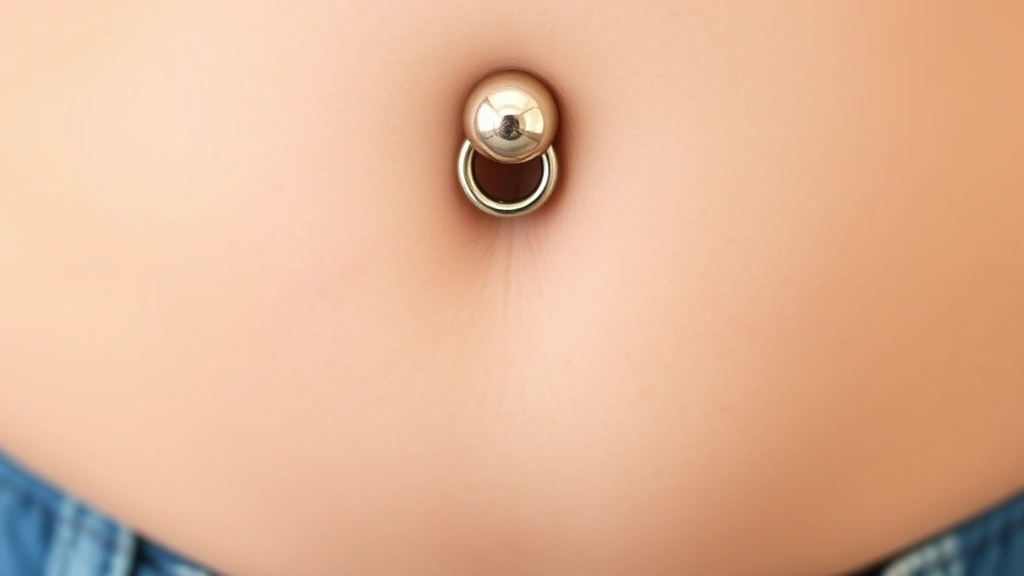
How Long Does Belly Button Piercing Heal? Expert Insight
How Long Does Belly Button Piercing Heal? Expert Insight
So you’ve decided to get a belly button piercing—that bold statement piece that’s been a symbol of self-expression for decades. But now comes the practical question that every piercing enthusiast eventually asks: exactly how long does it take to heal? The answer isn’t as straightforward as you might hope, because healing timelines depend on several interconnected factors that go far beyond just the initial appointment at the piercing studio.
Getting a belly button piercing is exciting, but it’s also a commitment. Unlike other body modifications where you might be able to hide the evidence, a navel piercing sits front and center on your body. Understanding the healing process—from the first tender days through complete tissue maturation—helps you care for your new piercing properly and avoid complications that could extend your healing timeline significantly.
The truth is, belly button piercings are among the slower-healing piercings you can get, and that’s something worth knowing upfront. But don’t let that discourage you; with proper aftercare and realistic expectations, your piercing will heal beautifully.
The Standard Healing Timeline
The average belly button piercing takes 6 to 12 months to fully heal, though this timeline can vary considerably from person to person. What’s important to understand is that there’s a difference between when your piercing feels healed and when it’s actually completely healed at the tissue level.
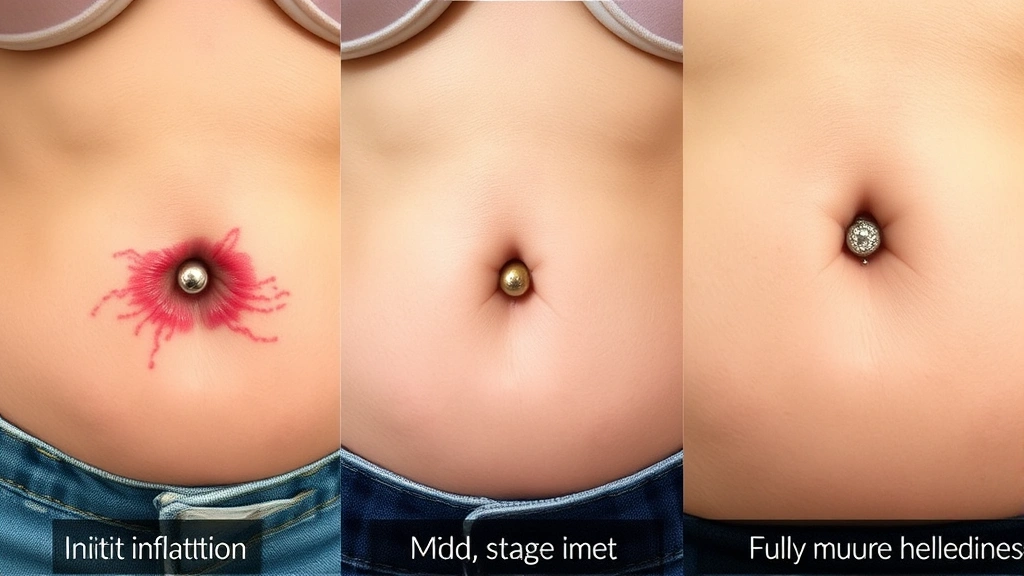
During the first two weeks, your piercing enters what professionals call the acute inflammatory phase. This is when your body recognizes the piercing as an injury and responds accordingly with swelling, redness, and mild tenderness. You might notice lymph discharge (a clear or slightly yellowish fluid) during this phase—that’s completely normal and actually part of your body’s healing response.
Weeks three through six represent the proliferative phase, where new tissue begins forming around the piercing channel. The swelling should start subsiding, though your piercing will still feel sensitive. Many people make the mistake of thinking their piercing is fully healed during this window, but the reality is that you’re only about halfway through the process.
From month two through month six, your piercing enters the remodeling phase. The tissue continues to strengthen and mature, though externally it might look completely healed. This is a deceptive stage because the piercing appears fine on the surface, but internally, the fistula (the tissue tunnel created by the piercing) is still developing and remains relatively fragile.
By month six, many people consider their piercing functionally healed—you can usually change jewelry without too much difficulty, and the piercing rarely bothers you. However, complete tissue maturation doesn’t typically occur until month nine to twelve. Think of it like this: your piercing might feel ready for anything by month six, but it’s not truly bulletproof until the full year has passed.
Factors That Affect Healing Time
Not everyone heals at the same rate, and several variables influence how quickly your belly button piercing will close the gap between that initial needle puncture and complete tissue maturation.
Age and Overall Health
Younger people generally heal faster than older individuals, thanks to more efficient cellular regeneration. However, your overall health matters tremendously. If you have a strong immune system, good circulation, and maintain proper nutrition, you’ll likely heal faster than someone dealing with chronic health conditions or nutritional deficiencies. People with conditions like diabetes or immune disorders may experience extended healing times.
Body Type and Anatomy
The shape and size of your belly button affects healing. Some people have deeper navels with more tissue, while others have shallower belly buttons. The piercer’s skill in selecting the optimal angle and placement also plays a role—a well-placed piercing heals more predictably than one positioned awkwardly. Additionally, if you have excess abdominal skin or frequent movement in that area due to your body type, healing might take slightly longer.
Piercing Aftercare Quality
This is perhaps the single most controllable factor in your healing timeline. Diligent, consistent aftercare can significantly accelerate healing, while neglect or improper care can extend it by months or even result in complications requiring professional intervention. The difference between someone who heals in six months and someone who takes a full year often comes down to how seriously they take their aftercare routine.
Lifestyle and Activity Level
If you engage in activities that repeatedly irritate your piercing—whether that’s contact sports, intense workouts, or frequent clothing friction—your healing timeline extends. Your body can only heal so fast while you’re continuously re-irritating the wound. Conversely, if you can minimize irritation during the critical first few months, you’ll progress through the healing stages more smoothly.
Jewelry Quality and Material
The type of jewelry you start with matters more than many people realize. High-quality implant-grade titanium, solid gold, or surgical steel promotes faster healing than cheaper materials that might cause allergic reactions or irritation. Poor-quality jewelry can trigger inflammatory responses that extend your healing timeline considerably.
Stress and Sleep
Your body heals most efficiently when you’re well-rested and stress levels are manageable. Chronic stress suppresses immune function and slows tissue regeneration. If you’re getting your piercing during a particularly stressful life period, expect healing to take somewhat longer than the average timeline.
Aftercare Essentials for Optimal Healing
The piercing studio gives you aftercare instructions for a reason—they’ve seen countless piercings heal (and fail to heal) based on how seriously clients follow the protocol. Here’s what actually matters:
Saline Solution Soaks
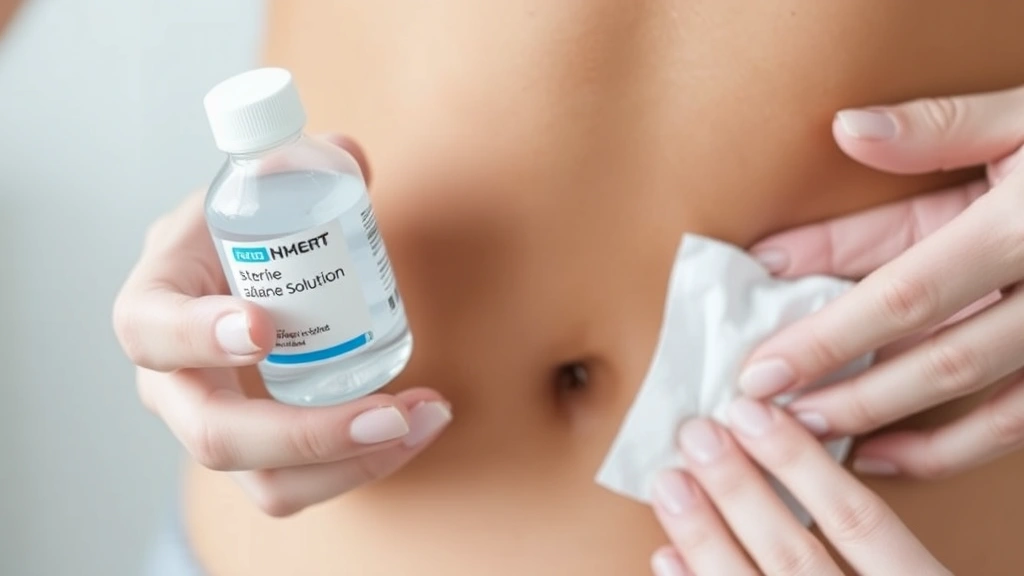
For the first month, soak your piercing in a sterile saline solution twice daily. You can purchase pre-made saline solution or create your own by dissolving 1/4 teaspoon of non-iodized sea salt in 8 ounces of warm distilled water. Soak for 5-10 minutes each time. This removes debris, reduces inflammation, and promotes healing without introducing bacteria or harsh chemicals.
Avoid Touching and Twisting
Your hands carry bacteria, even when they seem clean. Avoid touching your piercing unnecessarily, and definitely don’t twist or rotate the jewelry. This outdated practice actually irritates the healing tissue and can introduce bacteria into the fistula. Let the jewelry sit undisturbed except during cleaning.
Keep Clothing Away From the Area
Tight waistbands, restrictive clothing, and even certain fabrics can irritate your healing piercing. Wear loose-fitting clothing during the first few weeks, and consider using a loose bandage or covering if your clothing repeatedly rubs against the piercing. The friction slows healing and increases infection risk.
Avoid Water and Moisture Issues
While you need to clean your piercing, prolonged exposure to water—especially chlorinated pools, hot tubs, or ocean water—can introduce bacteria or irritating chemicals. Avoid swimming for at least the first month. When you shower, try to keep the piercing as dry as possible afterward.
Don’t Use Hydrogen Peroxide or Alcohol
Despite what older piercing guides might suggest, hydrogen peroxide and alcohol damage healthy tissue and slow healing. These harsh chemicals kill beneficial cells along with bacteria. Stick with saline solution, which your body actually produces naturally and tolerates well.
Signs Your Piercing Is Healing Properly
Understanding what normal healing looks like helps you distinguish between expected progress and actual problems requiring professional attention.
During the first few days, expect swelling, redness, and mild tenderness. A small amount of lymph discharge (clear or slightly yellowish fluid) is completely normal. Your piercing might also feel warm to the touch as your body’s inflammatory response kicks in. This is your immune system doing its job.
By week two, swelling should start decreasing noticeably. The redness might persist, but it should be less intense. Tenderness should be manageable, and you shouldn’t need pain medication beyond the first few days.
By month two, your piercing should look significantly better. The redness continues fading, swelling is minimal, and tenderness is rare unless you accidentally bump it. This is when many people mistakenly think their piercing is completely healed, when really it’s just entering the middle stages of the process.
Throughout months three to six, external signs of healing continue improving. The piercing channel stabilizes, and the jewelry sits more securely. Any residual tenderness should be completely gone by month three.
If you’re wondering how healing compares to other body modifications, how long a nose piercing takes to heal follows a similar timeline, though nasal piercings can sometimes heal slightly faster due to the body’s excellent blood supply to that area. Meanwhile, if you’re considering getting a tattoo, how long tattoos take to heal involves different tissue layers, so the process differs significantly.
Common Complications and How to Prevent Them
While most belly button piercings heal without major issues, complications do happen. Knowing what to watch for helps you catch problems early.
Infection
Signs of infection include excessive warmth, spreading redness beyond the immediate piercing area, pus (yellowish or greenish discharge, distinct from normal lymph), fever, or increasing pain after the first week. If you suspect infection, see a healthcare provider. Don’t remove the jewelry yourself, as this can trap bacteria inside and cause an abscess. Your piercer can also help assess whether professional medical attention is necessary.
Keloids and Hypertrophic Scarring
Some people’s bodies respond to piercings by developing excess scar tissue. Keloids extend beyond the original piercing wound, while hypertrophic scars stay within the wound area. Both appear as bumps around the piercing. If this happens, consult your piercer about treatment options like silicone bandages, pressure earrings, or in some cases, professional removal.
Rejection
Your body might gradually push the piercing out, especially if the jewelry is too shallow or your anatomy isn’t ideal for that particular piercing location. Signs include the piercing moving closer to the skin surface, increasing pain or tenderness, or the jewelry becoming more visible through the skin. If rejection occurs, remove the jewelry and allow the piercing to close. You can attempt re-piercing after the tissue fully heals, possibly with different placement.
Allergic Reactions
Nickel allergies are common and can cause persistent redness, swelling, and itching even weeks into healing. If you suspect a material allergy, switch to implant-grade titanium or solid gold and see if symptoms improve. This is why jewelry quality matters from day one.
When Can You Change Your Jewelry
The question of when you can change your belly button piercing jewelry is crucial—change too early and you risk complications; wait too long and you might unnecessarily limit your self-expression.
Most piercers recommend waiting at least 6 to 8 weeks before changing jewelry, though this is somewhat conservative. The tissue is still quite fragile during this period, and changing jewelry introduces new irritation. However, if your initial jewelry is causing problems or you absolutely need to change it for work or personal reasons, you can do so after 4-6 weeks if you’re very careful and use appropriate jewelry.
The safest approach is waiting until month three or beyond. By this point, your fistula is much more stable and forgiving of jewelry changes. If you’re planning to change jewelry frequently or wear different styles, waiting until month six is even better—the piercing channel is mature enough to handle regular changes without complications.
When you do change jewelry, use sterile technique. Wash your hands thoroughly, use clean tweezers if needed, and insert the new jewelry gently. If you encounter resistance, don’t force it. Sometimes the fistula hasn’t quite stabilized enough for easy changes, and forcing jewelry through can cause bleeding or irritation that sets healing back.
Consider how this compares to other body modifications requiring maintenance—similar to how to clean retainers, proper jewelry care prevents complications and extends the life of your piercing.
Frequently Asked Questions
How long does a belly button piercing take to fully heal?
The average timeline is 6 to 12 months, with complete tissue maturation typically occurring around month nine to twelve. However, individual healing times vary based on age, health, aftercare quality, and other factors. You might feel like your piercing is healed by month six, but it’s worth giving it the full year before considering it completely mature.
Can I go swimming with a new belly button piercing?
It’s best to avoid swimming—both in pools and ocean water—for at least the first month. Chlorinated water, salt water, and other aquatic environments can introduce bacteria or irritating chemicals into your healing piercing. If you absolutely must swim, cover the piercing with a waterproof bandage and rinse it with saline solution immediately afterward.
What’s the difference between normal discharge and infection?
Normal lymph discharge during healing is clear or slightly yellowish and minimal in quantity. Infected discharge is typically thicker, appears greenish or yellowish-white, smells unpleasant, and is accompanied by increasing pain, warmth, and redness. If you’re unsure, contact your piercer or a healthcare provider rather than guessing.
Is it normal for my piercing to hurt after the first week?
Some tenderness is normal, but intense pain beyond the first few days might indicate a problem. Mild tenderness that gradually decreases over the first month is expected. If pain suddenly increases or returns after improving, that could signal infection or irritation requiring attention.
Can I use regular antiseptic mouthwash or hydrogen peroxide to clean my piercing?
No—avoid these products. Hydrogen peroxide, alcohol, and harsh antiseptics damage healthy tissue and slow healing. Stick with sterile saline solution, which is gentle and effective. Your body actually produces saline naturally, so it’s what your healing tissue responds to best.
What should I do if my piercing is rejected?
If you notice the jewelry moving closer to the skin surface, increasing pain, or the fistula becoming more visible, your body might be rejecting the piercing. Remove the jewelry and allow the piercing to close completely. Wait several months before considering re-piercing, and discuss with your piercer whether different placement or jewelry might work better for your anatomy.
Can I exercise while my belly button piercing is healing?
Light exercise is generally fine, but intense workouts involving abdominal movement should be limited during the first month. Activities like running, crunches, or contact sports that repeatedly irritate the piercing area can slow healing. After the first month, you can gradually resume normal activity, but continue being mindful of friction and impact to the area.
How does belly button piercing healing compare to tattoo healing?
While both are forms of body modification involving skin trauma, how long it takes a tattoo to heal involves different layers of skin and generally follows a 2-4 week external healing timeline, though the ink continues settling for months. Belly button piercings take longer to fully heal because the fistula (tissue tunnel) must mature, whereas tattoo healing focuses on the epidermis and dermis.
Is there anything I can do to speed up healing?
While you can’t dramatically accelerate your body’s natural healing process, you can optimize it by maintaining excellent aftercare, staying hydrated, eating well, getting adequate sleep, managing stress, and avoiding irritation. Taking vitamin C and zinc supplements might support healing, though consult your doctor before starting any supplements. Basically, take care of yourself holistically and be patient—good healing isn’t rushed healing.

Related Posts

How Long to Boil Lobster Tails: Cooking Guide

How Long to Fly from New York to London? Travel Times
