
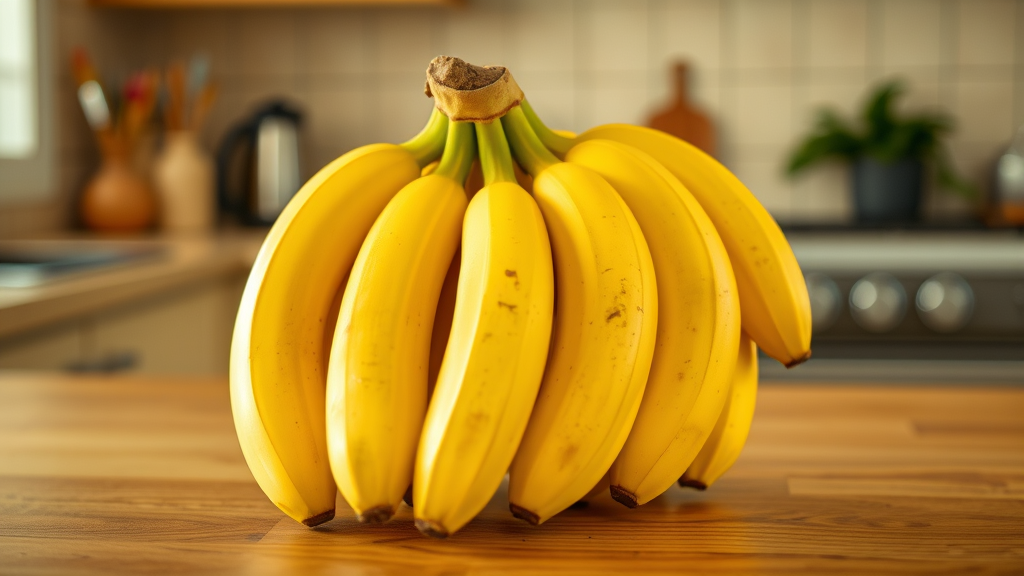
Ripen Bananas Faster for Your Delicious Blog Recipes
Nothing is more frustrating than having a recipe that calls for ripe bananas, only to find your fruit bowl filled with green, unripe ones. Whether you’re planning to make banana bread, smoothies, or other delicious treats for your blog, waiting days for bananas to naturally ripen can derail your cooking timeline. Fortunately, there are several proven methods to accelerate the ripening process and have perfectly sweet, yellow bananas ready in hours instead of days.
Understanding how to ripen bananas fast is an essential kitchen skill that every home cook and food blogger should master. Bananas produce ethylene gas naturally, which triggers the ripening process, and by manipulating this natural mechanism along with other techniques, you can control when your bananas reach peak ripeness for your culinary creations.
The Science Behind Banana Ripening
Banana ripening is a fascinating biological process driven by ethylene gas production. As bananas mature, they naturally produce this hormone-like compound that triggers enzymatic reactions, converting starches into sugars and breaking down chlorophyll to reveal the characteristic yellow color. According to the United States Department of Agriculture, this process can be significantly accelerated by increasing temperature, concentrating ethylene gas, or introducing additional ethylene sources.
The ripening process involves several key changes: the fruit’s pH increases, making it less acidic and sweeter, while the texture softens as cell walls break down. Understanding this science helps explain why certain methods work so effectively for speeding up the process. Temperature plays a crucial role – warmer conditions accelerate enzymatic activity, while cooler temperatures slow it down, which is why refrigerated bananas ripen much more slowly.
The Paper Bag Method
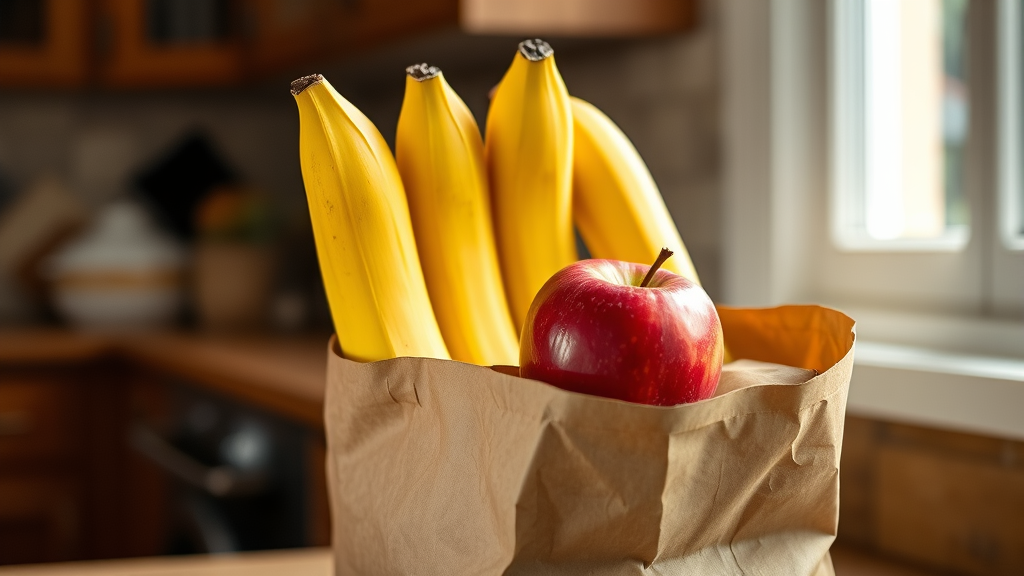
The paper bag method is perhaps the most popular and reliable technique for ripening bananas faster. This method works by trapping the ethylene gas that bananas naturally produce, creating a concentrated environment that accelerates ripening. Simply place your unripe bananas in a brown paper bag, fold the top closed, and leave at room temperature.
For even faster results, add an apple or ripe banana to the bag. These fruits are high ethylene producers and will significantly speed up the process. According to research from MIT, this method can reduce ripening time from several days to just 12-24 hours, depending on the initial ripeness of the fruit.
The key to success with this method is ensuring proper air circulation while maintaining ethylene concentration. Poke a few small holes in the bag to prevent moisture buildup, which can lead to rot rather than proper ripening. Check your bananas every 12 hours to monitor progress and prevent over-ripening.
Using Your Oven for Quick Ripening
When you need ripe bananas in under an hour, the oven method is your best solution. This technique uses controlled heat to accelerate the enzymatic processes that occur during natural ripening. Preheat your oven to 300°F (150°C) and line a baking sheet with parchment paper.
Place unpeeled bananas on the baking sheet, ensuring they don’t touch each other. Bake for 15-20 minutes, turning them halfway through. The peels will turn completely black, but don’t worry – this is normal and indicates the process is working. The fruit inside will be soft and sweet, perfect for baking applications.
This method is particularly useful when you’re preparing ingredients for recipes and discover you need ripe bananas immediately. While the texture may be slightly different from naturally ripened bananas, the sweetness and flavor are comparable, making them excellent for banana bread, muffins, or smoothies.
Microwave Technique for Instant Results
For the absolute fastest results, the microwave method can ripen bananas in just minutes. Pierce the banana peel with a fork in several places to prevent bursting, then microwave on medium power for 30-60 seconds. The exact time depends on your microwave’s wattage and the banana’s initial ripeness.
This method works by rapidly heating the fruit’s interior, accelerating the conversion of starches to sugars. While the banana will be soft and sweet enough for most recipes, it won’t develop the complex flavor profile of naturally ripened fruit. This technique is best reserved for emergency baking situations when you need soft bananas immediately.
Just as you might need to know how to tell if eggs are good for baking, understanding the proper texture and sweetness indicators for microwaved bananas is crucial for recipe success.
Natural Ripening Accelerators
Several natural methods can help accelerate banana ripening without artificial heat. Storing bananas near other ethylene-producing fruits creates a natural ripening chamber. Tomatoes, avocados, and kiwi fruits are excellent companions for speeding up the process.
Temperature control is another natural accelerator. Placing bananas in a warm location, such as near a sunny window or on top of the refrigerator, can significantly reduce ripening time. However, avoid direct sunlight, which can cause uneven ripening and potentially damage the fruit.
The hanging method is also effective – suspend bananas from a hook or banana hanger in a warm kitchen area. This prevents bruising while allowing for optimal air circulation and even ripening. According to scientific research, this method can reduce ripening time by 20-30% compared to counter storage.
Proper Storage for Optimal Ripening
Proper storage techniques can make the difference between successfully ripened bananas and spoiled fruit. Never store unripe bananas in the refrigerator, as cold temperatures halt the ripening process and can cause the fruit to never properly mature. Room temperature storage between 68-72°F is ideal for consistent ripening.
Humidity levels also play a crucial role. Too much moisture can lead to mold growth, while too little can cause the fruit to dry out. Aim for moderate humidity levels and ensure good air circulation around your bananas. If you’re using the paper bag method, check periodically to ensure condensation isn’t building up inside the bag.
For food bloggers who frequently need ripe bananas for recipes, consider staggered purchasing. Buy bananas at different stages of ripeness so you always have some ready when needed. This strategy works well alongside knowing how to clean strawberries and other fruit preparation techniques for consistent recipe development.
Perfect Recipes for Ripened Bananas
Once you’ve mastered rapid banana ripening, numerous recipe possibilities open up. Overripe bananas are perfect for classic banana bread, where their intense sweetness and soft texture create moist, flavorful loaves. The natural sugars developed during the ripening process eliminate the need for excessive added sweeteners.
Smoothies benefit tremendously from properly ripened bananas, which provide natural sweetness and creamy texture. Frozen ripe bananas create an excellent base for healthy ice cream alternatives and protein smoothies. The ripening process also makes bananas ideal for pancakes, muffins, and other quick breads.
For food bloggers documenting recipes, understanding ripeness levels helps ensure consistent results. Just as you might need to know how to tell if eggs are bad for baking safety, recognizing optimal banana ripeness ensures your published recipes will work reliably for readers.
Advanced applications include banana-based sauces and chutneys, where the fruit’s natural sweetness balances savory flavors. These applications showcase the versatility that comes from mastering banana ripening techniques, much like learning how to cut a dragon fruit opens up exotic recipe possibilities.
Consider seasonal recipe planning as well. During cooler months, when natural ripening slows down, these accelerated methods become invaluable for maintaining consistent recipe development schedules. Planning ahead and understanding these techniques allows for year-round banana-based content creation.
Frequently Asked Questions
How long does it take to ripen bananas using the paper bag method?
The paper bag method typically takes 12-24 hours to ripen bananas, depending on their initial ripeness level. Adding an apple or ripe banana to the bag can reduce this time to as little as 8-12 hours. Check progress every 12 hours to prevent over-ripening.
Can I ripen bananas that are completely green?
Yes, completely green bananas can be ripened using these methods, but they may take longer and might not develop the full sweetness and flavor of naturally ripened fruit. The oven and microwave methods work best for very green bananas when you need quick results.
Is it safe to eat bananas ripened in the oven or microwave?
Absolutely. Heat-ripened bananas are completely safe to eat and retain most of their nutritional value. While the texture and flavor may be slightly different from naturally ripened bananas, they’re perfectly suitable for baking and cooking applications.
Why do my bananas sometimes rot instead of ripening?
Bananas may rot instead of ripening due to excess moisture, poor air circulation, or starting with damaged fruit. Ensure proper ventilation, avoid sealed plastic bags, and start with unblemished bananas for best results.
Can I slow down banana ripening once it starts?
Yes, once bananas reach your desired ripeness level, you can slow further ripening by separating them from other fruits and storing them in the refrigerator. The peels may darken, but the fruit inside will remain at the same ripeness level for several additional days.
Do different banana varieties ripen at different rates?
Yes, banana varieties can have different ripening rates. Smaller bananas like finger bananas typically ripen faster than larger varieties. Plantains and cooking bananas may require different techniques and longer times to reach optimal sweetness.
What’s the best ripeness level for different recipes?
For banana bread and baking, very ripe bananas with brown spots are ideal as they provide maximum sweetness and moisture. For smoothies, moderately ripe yellow bananas work well. For eating fresh, yellow bananas with just a few brown spots offer the best balance of sweetness and texture.

Related Posts

How Long to Boil Lobster Tails: Cooking Guide

How Long to Fly from New York to London? Travel Times
