
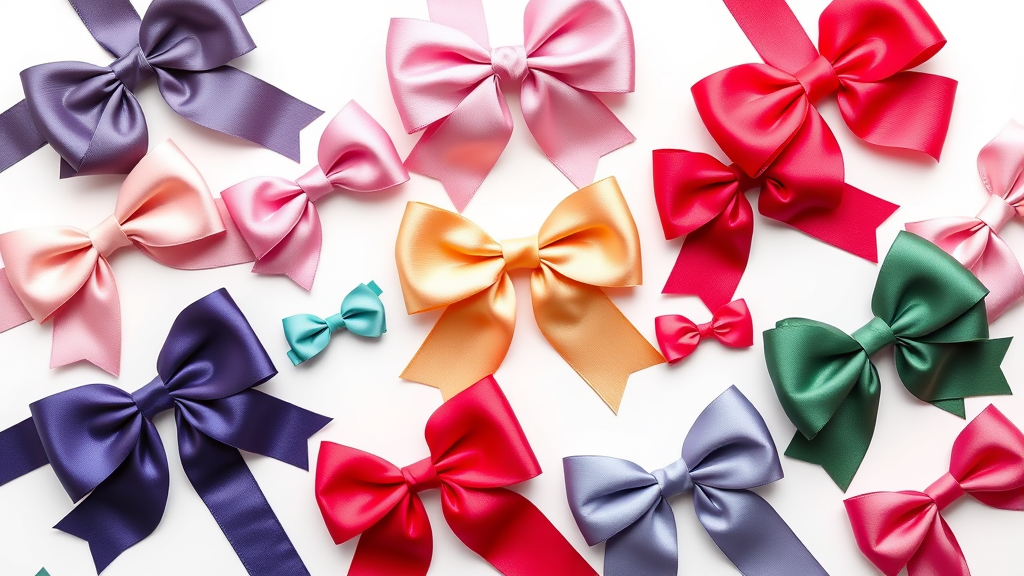
Master Bow-Making: Craft Beautiful Bows in No Time!
Creating beautiful bows is a timeless craft that combines artistry with practicality. Whether you’re decorating gifts, styling hair accessories, or adding elegant touches to home décor, learning how to make a bow opens up endless creative possibilities. From simple ribbon bows to complex multi-layered designs, mastering this skill will elevate your crafting abilities and save you money on store-bought decorations.
The art of bow-making has been practiced for centuries, evolving from purely functional uses in archery and sailing to decorative applications in fashion and gift-wrapping. Today’s bow-making techniques encompass various materials, from traditional ribbons and fabrics to modern synthetic materials, each offering unique advantages for different projects and occasions.
Essential Materials and Tools
Before diving into bow-making, gathering the right materials and tools is crucial for success. The foundation of any beautiful bow starts with quality ribbon or fabric. Satin ribbon remains the most popular choice due to its elegant sheen and easy manipulation, while grosgrain ribbon offers excellent structure and holds its shape well. For beginners, starting with ribbon widths between 1.5 to 2.5 inches provides the perfect balance between manageability and visual impact.
Sharp fabric scissors are indispensable for clean, professional-looking cuts. Dull scissors can fray ribbon edges and create uneven cuts that detract from the finished product. A lighter or fray-check solution helps seal ribbon ends, preventing unraveling over time. Double-sided tape or fabric glue provides secure adhesion without visible residue, while floral wire offers structural support for larger bows.
Additional tools that enhance the bow-making process include a ruler for precise measurements, pins for holding pieces in place during construction, and a bone folder for creating crisp creases. Folding techniques used in other crafts can be adapted to create unique bow shapes and textures.

Basic Bow-Making Techniques
The classic loop bow serves as the foundation for most bow-making projects. Start by cutting your ribbon to the desired length, typically 18-24 inches for a standard decorative bow. Create your first loop by bringing one end of the ribbon across to form a circle, leaving about 2 inches for the tail. Pinch the center where the ribbon crosses, then repeat on the other side to create a symmetrical second loop.
Securing the center is critical for bow stability. Wrap a thin piece of wire or thread around the pinched center, twisting tightly on the back. Cover this junction with a small piece of matching or contrasting ribbon, gluing or tying it in place. This technique creates the classic bow shape while hiding the mechanical fastening.
For more structured bows, the accordion method produces excellent results. Fold your ribbon back and forth in equal segments, creating a fan-like shape. The number of folds determines the bow’s fullness – more folds create a fuller appearance. Secure the center with wire, then carefully separate and arrange each loop for maximum visual impact. This technique works particularly well with wired ribbon that holds its shape.
The single-loop bow offers simplicity and elegance for minimalist applications. Form one large loop with your ribbon, cross the ends at the bottom, and pull one end through to create a knot. Adjust the loop size and tail lengths as desired. This style works beautifully for formal occasions and complements sophisticated styling.
Advanced Bow Styles and Variations
Multi-layered bows create stunning visual depth and complexity. Start with a large base bow using wide ribbon, then layer progressively smaller bows on top using narrower ribbons or contrasting colors. Secure each layer at the center before adding the next, ensuring proper alignment and symmetry. This technique allows for creative color combinations and texture mixing.
The boutique bow, popular in hair accessories, requires precise measurement and construction. Cut multiple ribbon lengths in decreasing sizes, typically starting with 6-inch pieces and reducing by one inch for each subsequent layer. Stack and secure the pieces at their centers, then attach to a hair clip or headband base. The result is a professionally finished bow with perfectly proportioned layers.
Twisted bows add dynamic movement and visual interest. Before forming your loops, give the ribbon a half-twist at regular intervals. This creates a spiral effect that catches light beautifully and adds dimension to the finished bow. The technique works particularly well with metallic or iridescent ribbons that reflect light differently from each twisted surface.

Specialty techniques like the pom-pom bow incorporate additional materials for unique textures. Combine traditional ribbon loops with tulle, mesh, or fabric strips to create dimensional, eye-catching designs. These hybrid approaches work excellently for themed decorations and special occasions.
Troubleshooting Common Issues
Uneven loops represent the most common bow-making challenge. Prevent this issue by measuring and marking your ribbon before folding, ensuring each loop maintains consistent length. Use pins to hold loops in place during construction, allowing for adjustments before final securing. If loops appear uneven after completion, gentle manipulation while the ribbon is slightly damp can help reshape them.
Fraying edges detract from professional-looking bows. Prevent fraying by cutting ribbon at a 45-degree angle and immediately sealing edges with a lighter (for synthetic ribbons) or fray-check solution (for natural fibers). When working with delicate materials, consider folding edges under before incorporating them into your bow design.
Center security issues cause bows to lose their shape over time. Ensure adequate tension when wrapping wire or thread around the center pinch point. For heavy ribbons or large bows, consider using multiple wraps or stronger fastening materials. The center covering ribbon should be tight enough to compress the underlying fastening while remaining smooth and wrinkle-free.
Color bleeding can occur when different ribbon types are combined or when bows are exposed to moisture. Test color-fastness by dampening a small ribbon sample before beginning your project. When combining materials, consider using a barrier layer of clear tape or fabric protector between potentially problematic combinations.
Creative Applications and Uses
Gift wrapping represents the most traditional bow application, but creative placement and sizing can transform ordinary packages into stunning presentations. Consider asymmetrical placement, multiple small bows instead of one large bow, or cascading bow arrangements that flow down one corner of the package. Coordinating bow colors with wrapping paper creates cohesive design themes.
Home décor applications offer endless possibilities for bow integration. Seasonal decorations benefit from bow accents on wreaths, garlands, and centerpieces. Chair back bows add elegance to dining rooms and special events, while curtain tie-backs incorporate both function and beauty. The key to successful décor bows lies in scale – ensure bow size complements rather than overwhelms the surrounding elements.
Fashion applications extend beyond hair accessories to include clothing embellishments, shoe clips, and jewelry components. Small, delicate bows work beautifully as earring elements or brooch centers, while larger statement bows can transform simple clothing into eye-catching outfits. Consider the garment’s style and occasion when selecting bow size and materials.
Event styling benefits significantly from well-executed bow work. Wedding decorations, party favors, and celebration accents all gain sophistication through carefully crafted bows. Consistency in size, color, and style creates professional-looking results that rival expensive purchased decorations. Just as creative projects can be customized with different materials, bow-making allows for endless personalization possibilities.
Maintenance and Care Tips
Proper storage extends bow lifespan significantly. Store finished bows in boxes with adequate space to prevent crushing, using tissue paper to maintain shape. Hanging storage works well for larger bows, while smaller pieces can be organized in compartmented containers. Avoid storing bows in areas with extreme temperature fluctuations or high humidity.
Cleaning methods vary by ribbon material. Synthetic ribbons often tolerate gentle hand washing with mild detergent, while natural fiber ribbons may require professional cleaning or spot treatment only. Always test cleaning methods on ribbon scraps before treating finished bows. Steam can help remove minor wrinkles from synthetic ribbons, but avoid excessive heat that might damage delicate materials.
Reshaping flattened bows is possible with patience and proper technique. Gently separate loops and use your fingers to restore their original curves. Light steaming can help synthetic ribbons regain their shape, while natural fibers may respond better to light misting with distilled water followed by careful shaping while damp.
Quality ribbon investment pays dividends in both appearance and durability. Higher-grade ribbons maintain their color, texture, and shape better over time, making them worthwhile for bows intended for repeated use or long-term display. Budget ribbons work adequately for temporary applications but may not withstand extended handling or environmental exposure.
Documentation of successful techniques and measurements helps maintain consistency across projects. Keep notes about ribbon lengths, loop sizes, and construction methods that produce your best results. Photography of completed bows provides visual references for recreating successful designs. This approach mirrors the systematic methodology used in other precise crafting techniques where consistency is paramount.
Professional finishing touches distinguish homemade bows from amateur attempts. Pay attention to detail work like perfectly aligned centers, symmetrical loops, and clean edge treatments. Small imperfections become magnified in finished pieces, so taking time for careful construction yields superior results. According to the Smithsonian Institution, attention to craftsmanship details has historically separated professional artisans from hobbyists across all creative disciplines.
Frequently Asked Questions
What type of ribbon works best for beginners learning how to make a bow?
Grosgrain ribbon in 1.5 to 2-inch widths provides the ideal starting material for bow-making beginners. Its ribbed texture offers excellent grip during construction, holds its shape well, and forgives minor handling mistakes. The structured nature of grosgrain ribbon makes loop formation easier and helps maintain bow shape over time, unlike slippery satin ribbons that can be challenging for newcomers to manipulate.
How do I prevent my handmade bows from looking lopsided or uneven?
Achieving symmetrical bows requires careful measurement and consistent technique. Mark your ribbon at equal intervals before folding, and use pins to hold loops in place during construction. The Library of Congress archives demonstrate that traditional craftspeople used templates and guides to ensure consistency. Create a simple cardboard template matching your desired loop size, then wrap ribbon around it for perfectly uniform loops every time.
Can I make bows without using wire or thread for the center?
Yes, several wire-free methods exist for bow construction. Double-sided tape can secure the center pinch point for lightweight ribbons, while fabric glue provides strong adhesion for heavier materials. The rubber band method involves wrapping a small elastic around the center, then covering it with decorative ribbon. These alternatives work well for temporary bows or when working with children who might struggle with wire handling.
What’s the best way to calculate ribbon length needed for different bow sizes?
A reliable formula for basic loop bows is: (desired loop diameter × 2) + (tail length × 2) + 4 inches for manipulation. For example, a bow with 4-inch loops and 6-inch tails requires approximately 24 inches of ribbon. Multi-loop bows need additional length calculated by multiplying the single loop requirement by the number of desired loops. Always add 10-15% extra length to account for adjustments and securing methods.
How can I make my bows more durable for outdoor use?
Outdoor bow durability depends on material selection and protective treatments. Choose weather-resistant synthetic ribbons over natural fibers, and apply fabric protector sprays before installation. The National Weather Service recommends UV-resistant materials for prolonged sun exposure. Secure attachment points with weatherproof adhesives or mechanical fasteners, and consider bringing decorative bows indoors during severe weather conditions to extend their lifespan.
What tools do I absolutely need to start making bows at home?
Essential bow-making tools include sharp fabric scissors, a ruler for measurements, and basic fastening materials like wire, thread, or double-sided tape. A lighter for sealing synthetic ribbon edges prevents fraying, while pins help hold pieces during construction. Advanced tools like bone folders and rotary cutters improve efficiency but aren’t necessary for beginners. Most households already contain adequate tools for starting bow-making projects immediately.
How do I fix a bow that has lost its shape over time?
Reshaping flattened bows involves gentle manipulation and sometimes moisture application. For synthetic ribbons, light steam from a clothes steamer or iron held at distance can restore flexibility for reshaping. Natural fiber ribbons respond better to light misting with distilled water. Carefully separate compressed loops, reform their curves by hand, and allow to dry in the desired position. Severe damage may require disassembly and reconstruction using the original ribbon pieces.

Related Posts

How Long to Boil Lobster Tails: Cooking Guide

How Long to Fly from New York to London? Travel Times
