
Remove Oil Stains from Clothes with These Easy Tricks
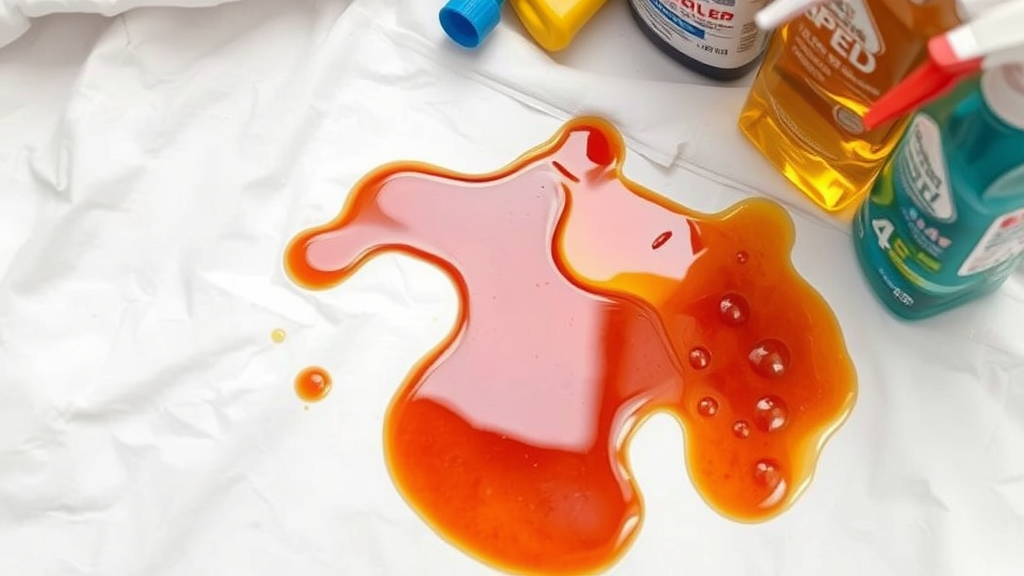
Oil stains on clothes can be one of the most frustrating laundry challenges, whether it’s from cooking oil splatters, automotive grease, or salad dressing mishaps. The key to successfully removing these stubborn stains lies in acting quickly and using the right techniques. Understanding how to get oil out of clothes can save your favorite garments from permanent damage and extend their lifespan significantly.
The good news is that with the proper approach and readily available household items, most oil stains can be completely eliminated. From fresh stains that are still wet to set-in stains that have been through the wash, there are proven methods that work effectively. This comprehensive guide will walk you through various techniques, from immediate emergency treatments to deep-cleaning solutions that tackle even the most stubborn oil marks.
Understanding Oil Stains and Fabric Types
Oil stains are particularly challenging because oil molecules are hydrophobic, meaning they repel water and resist traditional washing methods. When oil comes into contact with fabric fibers, it penetrates deeply and bonds with the material, creating a stain that appears darker than the surrounding fabric. The longer the oil remains in the fabric, the more it sets and becomes difficult to remove.
Different types of oil create varying levels of staining difficulty. Cooking oils like olive oil, vegetable oil, and butter are generally easier to remove than petroleum-based substances like motor oil or grease. The type of fabric also plays a crucial role in stain removal success. Natural fibers like cotton and linen tend to absorb oil more readily but are also more forgiving during the cleaning process. Synthetic fabrics may resist initial penetration but can be more challenging to treat once the oil has set.
Understanding the composition of your garment is essential for choosing the right treatment method. Delicate fabrics like silk, wool, or vintage materials require gentler approaches, while sturdy cotton items can withstand more aggressive treatments. Always check the care label before attempting any stain removal technique to avoid damaging the fabric.
Immediate Action Steps for Fresh Oil Stains
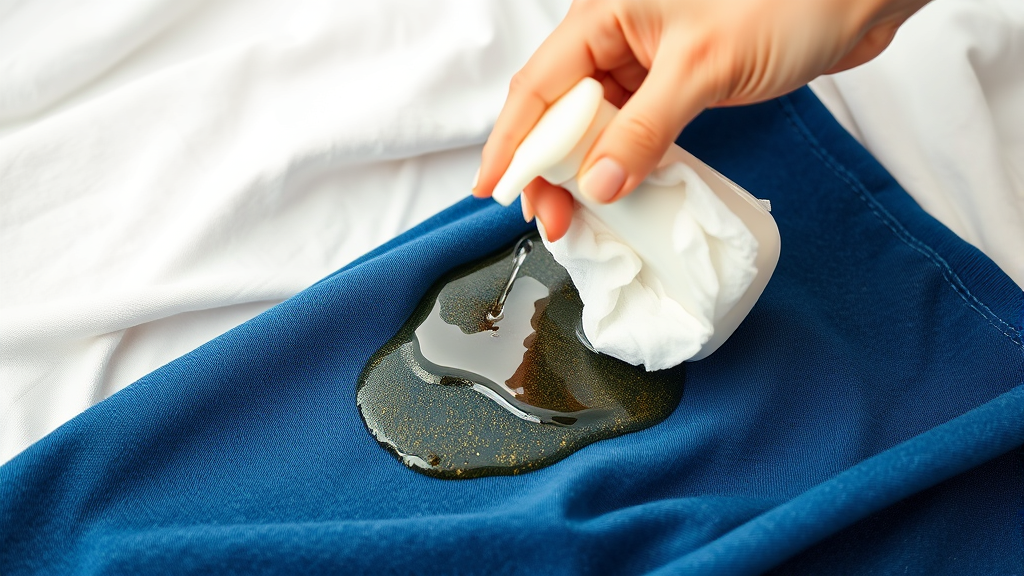
The golden rule for oil stain removal is to act as quickly as possible. Fresh oil stains are significantly easier to remove than those that have been allowed to set. When you notice an oil stain, resist the urge to rub it, as this will only push the oil deeper into the fabric fibers and spread the stain to a larger area.
Start by gently blotting the excess oil with a clean paper towel or cloth, working from the outside of the stain toward the center. This prevents the stain from spreading. If you have access to cornstarch, baby powder, or baking soda, sprinkle a generous amount over the stain immediately. These absorbent powders will help draw the oil out of the fabric fibers.
Allow the powder to sit for at least 10-15 minutes, or longer if possible. The powder will gradually change color as it absorbs the oil. Gently brush or shake off the powder, and you should notice that much of the oil has been lifted from the fabric. This initial treatment can make the difference between easy removal and a permanent stain.
For particularly heavy oil stains, you may need to repeat this powder treatment several times before proceeding with washing. Don’t worry if some oil residue remains after the powder treatment – this is normal and can be addressed with the cleaning methods that follow.
Effective Household Remedies
Many effective oil stain removal solutions can be found right in your kitchen or bathroom. Dish soap is one of the most powerful tools for fighting oil stains because it’s specifically designed to cut through grease. Choose a clear or light-colored dish soap to avoid potential color transfer to light fabrics.
Apply a small amount of dish soap directly to the stain and work it in gently with your fingers or a soft brush. The soap molecules will surround and break down the oil, making it easier to wash away. Allow the soap to sit for 5-10 minutes before rinsing with warm water. For stubborn stains, you can let the soap treatment sit for up to 30 minutes.
Another effective household remedy involves creating a paste with baking soda and water. This alkaline mixture helps break down oil molecules while providing gentle abrasive action. Apply the paste to the stain, work it in gently, and let it sit for 15-20 minutes before rinsing. This method works particularly well on light-colored fabrics where you don’t need to worry about the white residue from baking soda.
White vinegar can also be effective, especially when combined with dish soap. Mix equal parts white vinegar and dish soap, apply to the stain, and let it work for 10-15 minutes. The acidity of the vinegar helps break down oil while the soap lifts it from the fabric. Just like when learning how to clean stainless steel pans, the right combination of ingredients makes all the difference.
Commercial Stain Removers and Products
While household remedies are often effective, commercial stain removers are specifically formulated to tackle tough stains like oil. Pre-treatment sprays and sticks are convenient options that can be applied directly to the stain before washing. Look for products that specifically mention grease and oil removal on their labels.
Enzyme-based cleaners are particularly effective for protein-based stains but can also help with oil removal. These products contain biological enzymes that break down stain molecules at a molecular level. Apply the enzyme cleaner according to the manufacturer’s instructions and allow adequate time for the enzymes to work before washing.
Oxygen bleach products are another excellent option for oil stains, especially on white or colorfast fabrics. Unlike chlorine bleach, oxygen bleach is safe for colors and won’t damage most fabrics. These products work by releasing oxygen molecules that break down stain compounds, making them easier to wash away.
Some commercial products combine multiple stain-fighting ingredients for maximum effectiveness. These multi-action formulas often contain surfactants to break down oil, enzymes to digest organic compounds, and brightening agents to restore fabric appearance. Always test commercial products on an inconspicuous area first to ensure they won’t damage or discolor your garment.
Treating Set-In Oil Stains
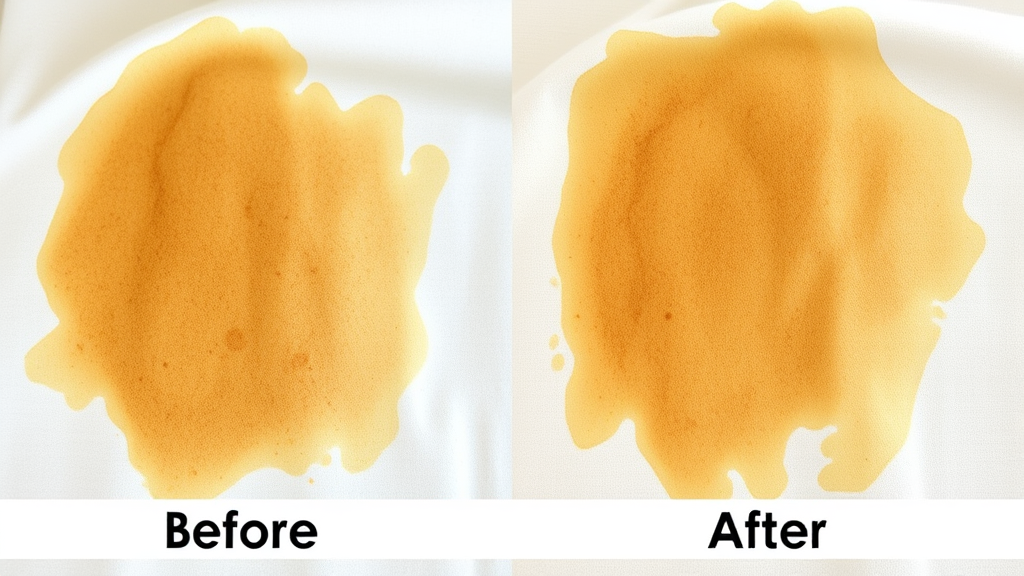
Set-in oil stains that have been through the wash and dryer present a greater challenge, but they’re not impossible to remove. The heat from the dryer can actually make stains more stubborn by further bonding the oil to the fabric fibers. However, with patience and the right approach, even old oil stains can often be eliminated.
For set-in stains, start with a more intensive pre-treatment. Create a mixture of equal parts dish soap and white vinegar, and work it into the stain thoroughly. Let this mixture sit for at least 30 minutes, or even overnight for particularly stubborn stains. The extended contact time allows the cleaning agents to penetrate deeply and break down the oil molecules.
Another effective method for old stains involves using rubbing alcohol. Dab a small amount of isopropyl alcohol onto the stain and let it sit for 10-15 minutes. The alcohol helps dissolve oil-based compounds and can revive stains that seem permanent. Follow up with a dish soap treatment before washing as usual.
Sometimes multiple treatments are necessary for set-in stains. Don’t be discouraged if the first attempt doesn’t completely remove the stain. Repeat the treatment process, trying different combinations of methods. Each treatment will typically lighten the stain further, and persistence often pays off with complete removal.
Fabric-Specific Treatment Methods
Different fabric types require tailored approaches for optimal stain removal results. Cotton and cotton blends are generally the most forgiving and can handle aggressive treatments including hot water and strong cleaning agents. These fabrics can typically withstand multiple treatment cycles and vigorous scrubbing if necessary.
Synthetic fabrics like polyester and nylon require more careful handling. While they’re often stain-resistant, once oil penetrates the fibers, it can be more difficult to remove. Use cooler water temperatures and gentler agitation to avoid setting the stain further. Synthetic fabrics often respond well to enzyme cleaners and longer pre-treatment times.
Delicate fabrics such as silk, wool, and cashmere need special consideration. Always test any cleaning method on an inconspicuous area first. For these fabrics, use gentler cleaning agents like mild dish soap or specialized delicate fabric cleaners. Avoid harsh scrubbing and hot water, which can damage the fibers. Consider professional cleaning for valuable or irreplaceable delicate items.
Denim and heavy cotton fabrics can typically handle more aggressive treatments. These fabrics often benefit from longer soaking times and can withstand hot water washing. The sturdy construction of denim makes it possible to use scrub brushes or even old toothbrushes to work cleaning agents into the stain effectively.
Prevention and Maintenance Tips
Prevention is always better than cure when it comes to oil stains. When cooking, wear an apron or old clothing to protect your good garments. Keep paper towels or absorbent materials nearby when working with oils or eating messy foods. Being prepared for spills can help you act quickly when accidents happen.
Regular maintenance of your washing machine can also improve stain removal effectiveness. A clean machine performs better and doesn’t transfer old residues to clean clothes. Learning how to clean washing machine properly ensures optimal performance for stain removal.
Store stain removal supplies in an easily accessible location so you can treat stains immediately when they occur. Keep dish soap, baking soda, and clean cloths in your laundry area for quick access. The faster you can respond to a stain, the better your chances of complete removal.
Consider treating clothes before they go into storage, especially if they’ve been exposed to cooking or automotive environments. Even invisible oil residues can attract dirt and become visible stains over time. A quick inspection and pre-treatment can prevent future problems.
Just as proper technique matters when learning how to get hair dye off skin, having the right approach and acting quickly is crucial for successful oil stain removal from clothing.
Frequently Asked Questions
Can I use hot water to remove oil stains?
Hot water can actually set oil stains permanently in some fabrics, especially synthetic materials. It’s generally safer to start with cool or lukewarm water during the pre-treatment phase. Once you’ve successfully pre-treated the stain and removed most of the oil, you can use the hottest water temperature that’s safe for your specific fabric type during the final wash cycle. Always check the care label first and test on an inconspicuous area if you’re unsure.
What should I do if the oil stain has already gone through the dryer?
Heat from the dryer can make oil stains more difficult to remove, but they’re often still treatable. Start with an intensive pre-treatment using dish soap and white vinegar, letting it sit for at least 30 minutes or overnight. You may need multiple treatment cycles, but persistence usually pays off. Avoid putting the item back in the dryer until the stain is completely gone, as additional heat will make removal even more challenging.
Is it safe to use bleach on oil stains?
Chlorine bleach is not effective on oil stains and can actually make them worse by setting them permanently. However, oxygen bleach (color-safe bleach) can be helpful, especially on white or colorfast fabrics. Oxygen bleach works differently than chlorine bleach and can help break down oil molecules. Always test on an inconspicuous area first and follow the manufacturer’s instructions carefully.
How long should I let pre-treatment products sit before washing?
The contact time varies depending on the product and severity of the stain. For fresh stains, 5-15 minutes is often sufficient for most pre-treatments. Set-in stains may require 30 minutes to several hours of contact time. Some people have success letting treatments sit overnight for particularly stubborn stains. Always follow product instructions and don’t let treatments dry completely on the fabric, as this can make them harder to rinse out.
Can baby powder really help remove oil stains?
Yes, baby powder is an excellent emergency treatment for fresh oil stains. Like cornstarch and baking soda, baby powder is highly absorbent and can draw oil out of fabric fibers before it sets. Sprinkle it generously on fresh stains, let it sit for at least 15 minutes, then brush it off. You’ll often see the powder change color as it absorbs the oil. This method works best on fresh stains and should be followed up with proper washing techniques.
What’s the difference between treating cooking oil stains and automotive grease stains?
Automotive grease and motor oil are typically petroleum-based and more challenging to remove than cooking oils. They often contain additional additives and have a thicker consistency that penetrates fabric differently. For automotive stains, you may need stronger degreasers or commercial products specifically designed for petroleum-based stains. The pre-treatment time is usually longer, and multiple treatment cycles are more commonly required. However, the basic principles of immediate action and proper pre-treatment still apply.
Should I take expensive or delicate items to a professional cleaner?
For valuable, delicate, or vintage items, professional cleaning is often the safest option. Professional cleaners have access to specialized solvents and equipment that aren’t available for home use. They also have experience working with different fabric types and can assess the best approach for your specific item. If you’re unsure about treating a stain yourself, or if home methods haven’t been successful, professional cleaning may be worth the investment to save a valuable garment.

Related Posts

How Long to Boil Lobster Tails: Cooking Guide

How Long to Fly from New York to London? Travel Times
