
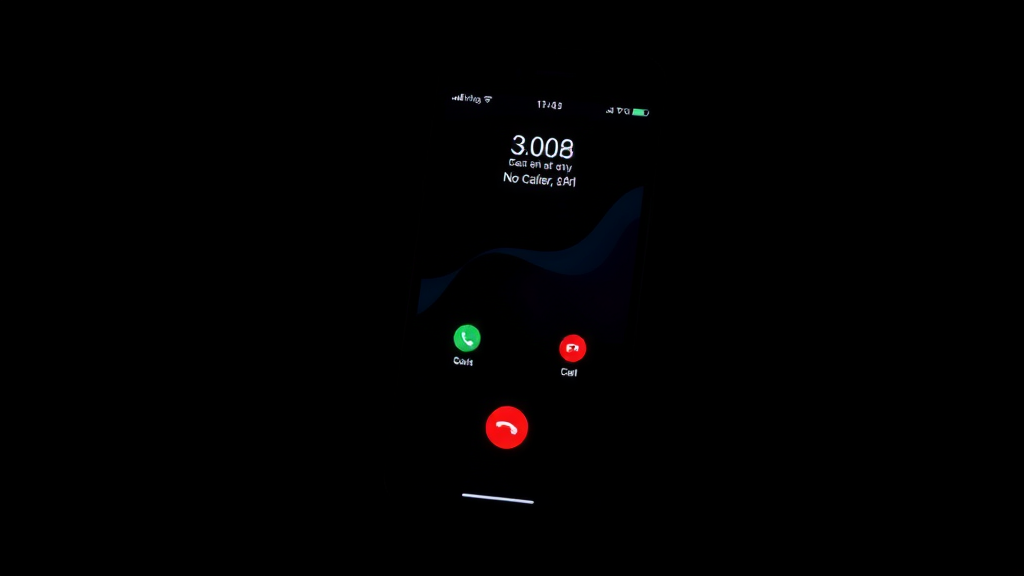
Unlock the Secret: Call Back No Caller ID Numbers Effortlessly
Receiving calls from unknown numbers with “No Caller ID” displayed can be both frustrating and concerning. Whether it’s a missed call from a potential employer, a family member in distress, or simply someone trying to reach you urgently, the inability to identify and return these calls leaves many people feeling helpless. The good news is that there are several legitimate methods and techniques you can use to uncover the identity behind these mysterious calls and even call them back.
Understanding how to call no caller id numbers is not just about satisfying curiosity—it’s about taking control of your communication and ensuring you don’t miss important connections. From using built-in phone features to leveraging third-party services and carrier-specific solutions, this comprehensive guide will walk you through every available option to help you identify and contact those elusive no caller ID numbers effectively.
Understanding No Caller ID Calls
No Caller ID calls occur when the calling party has intentionally blocked their phone number from being displayed on your device. This can happen through various methods, including dialing *67 before the number, using privacy settings on their phone, or calling from certain types of phone systems that automatically block caller identification. Understanding the mechanics behind these calls is crucial for developing effective strategies to identify and return them.
There are legitimate reasons why someone might block their caller ID, including privacy concerns, business protocols, or calling from institutional phone systems like hospitals or government agencies. However, blocked calls can also be used for less savory purposes, making it important to approach the situation with both curiosity and caution. The Federal Communications Commission (FCC) has established regulations regarding caller ID blocking, but these rules still allow for legitimate privacy uses while attempting to curb malicious activities.
When you receive a no caller ID call, your phone system typically logs the time and duration of the call, even if it cannot display the originating number. This information can be valuable when working with carriers or using specialized services to trace the call’s origin. Modern smartphone operating systems also maintain detailed call logs that can provide additional context about these mysterious calls.

Built-in Phone Features and Settings
Most modern smartphones come equipped with built-in features that can help you manage and potentially identify no caller ID calls. On iPhones, the “Silence Unknown Callers” feature can automatically send calls from unidentified numbers to voicemail, where the caller might leave a message revealing their identity. This feature works by cross-referencing incoming calls against your contacts, recent calls, and Siri suggestions.
Android devices offer similar functionality through their “Call Screen” feature, which uses Google Assistant to answer unknown calls and provide a real-time transcript of the caller’s response to screening questions. This can be particularly effective for no caller ID calls, as the caller may identify themselves when prompted by the automated screening system. Additionally, both iOS and Android platforms allow you to see blocked numbers in certain circumstances through call log analysis.
For users who frequently receive unwanted blocked calls, learning how to turn off Do Not Disturb temporarily can ensure important calls aren’t missed, while still maintaining overall call filtering. The key is finding the right balance between accessibility and privacy protection.
Carrier-Specific Services and Solutions
Major wireless carriers offer various services designed to help customers identify and manage blocked calls. Verizon’s “Call Filter” service provides enhanced caller ID information and can sometimes reveal details about blocked numbers through its extensive database. AT&T offers “ActiveArmor” which includes similar features, while T-Mobile provides “Scam Shield” with caller identification capabilities that can sometimes penetrate blocked number scenarios.
These carrier services often work by maintaining extensive databases of phone numbers and their associated information. When a blocked call comes in, the service attempts to match the actual calling number (which carriers can see even when blocked from the recipient) against their database to provide identification information. Some carriers also offer “trap” services that can help trace harassing or threatening calls, though these typically require law enforcement involvement.
Sprint (now part of T-Mobile) and smaller carriers often provide similar services, sometimes at additional monthly costs. It’s worth contacting your carrier directly to inquire about available options, as new services and features are regularly added to help combat unwanted and unidentified calls. The Federal Communications Commission provides guidelines on what carriers can and should offer regarding call identification services.
Third-Party Applications and Tools
The app marketplace offers numerous third-party solutions for identifying blocked calls and managing unknown numbers. TrueCaller is perhaps the most well-known application in this space, maintaining a crowdsourced database of phone numbers and their associated identities. While it cannot directly reveal blocked numbers, it can sometimes provide information if the calling number has been previously reported by other users.
Hiya, RoboKiller, and Mr. Number are other popular applications that offer caller identification services. These apps work by maintaining extensive databases of known phone numbers and using various algorithms to identify potential callers. Some advanced versions can even provide approximate location information or business affiliations for unknown numbers. However, it’s important to note that no app can guarantee 100% accuracy in identifying blocked calls.

When choosing a third-party caller ID app, consider factors such as database size, update frequency, privacy policies, and additional features like spam blocking or call recording. Many of these applications offer free basic versions with premium features available through subscription services. Reading user reviews and checking the app’s track record for accuracy can help you make an informed decision.
Advanced Techniques for Call Identification
For those dealing with persistent blocked calls that may be harassing or threatening in nature, more advanced techniques may be necessary. One approach involves working with your phone carrier to implement a “call trace” service, which can help identify the origin of blocked calls. This service typically requires filing a report with law enforcement and may involve additional fees, but it can be effective for serious situations.
Another technique involves using online reverse phone lookup services, though these are only effective if you can somehow obtain the actual calling number. Some advanced users employ Voice over Internet Protocol (VoIP) systems that can provide more detailed call information, including potential caller identification data that standard phone systems might not reveal.
For business users or those with technical expertise, Session Initiation Protocol (SIP) trunks and private branch exchange (PBX) systems can sometimes provide additional caller information that consumer-grade phone systems cannot access. However, these solutions require significant technical knowledge and investment, making them impractical for most general users.
Legal and Ethical Considerations
When attempting to identify and call back no caller ID numbers, it’s crucial to understand the legal and ethical boundaries involved. The Telephone Consumer Protection Act (TCPA) and various state laws provide protections for both callers and recipients, and violating these regulations can result in significant legal consequences. The Federal Trade Commission provides detailed information about consumer rights and responsibilities regarding phone communications.
Privacy laws also play a significant role in how you can legally attempt to identify blocked callers. While you have the right to know who is calling you, others have the right to maintain their privacy when making calls. This creates a delicate balance that must be respected when using various identification techniques. Always ensure that your methods for identifying blocked calls comply with local and federal regulations.
If you’re dealing with harassing or threatening blocked calls, the proper course of action is to document the incidents and report them to appropriate authorities rather than attempting to identify and confront the caller yourself. Law enforcement agencies have access to tools and legal authority that private individuals do not possess, making them better equipped to handle serious situations involving blocked calls.
Prevention and Management Strategies
Rather than solely focusing on calling back no caller ID numbers, implementing comprehensive prevention and management strategies can significantly reduce the impact of these calls on your daily life. Setting up proper call filtering systems, maintaining updated contact lists, and using features like scheduled text messages for important communications can help ensure legitimate contacts can reach you through alternative means.
Establishing clear communication protocols with family, friends, and business contacts can reduce the likelihood of missing important calls from blocked numbers. For instance, asking contacts to leave detailed voicemails or send follow-up texts can help identify important calls that come through as no caller ID. Additionally, learning how to properly unblock numbers ensures that previously blocked legitimate contacts can reach you normally.
For users who frequently travel or work in environments where their phone settings might interfere with incoming calls, understanding how to manage device location services and other features can ensure optimal call reception. Regular maintenance of your phone’s call blocking and identification settings helps maintain an effective balance between accessibility and privacy protection.
Creating a systematic approach to handling blocked calls—such as always letting them go to voicemail initially, then deciding whether to attempt identification based on the urgency indicated in any message left—can help you manage these situations more effectively. The National Do Not Call Registry can also help reduce unwanted calls, though it may not eliminate all blocked number calls.
Frequently Asked Questions
Can I directly call back a number that showed up as “No Caller ID”?
Unfortunately, you cannot directly call back a number that displayed as “No Caller ID” because your phone never received the actual phone number to begin with. The caller intentionally blocked their number from being transmitted to your device, so there’s no number stored in your call log to redial. However, you can use various techniques like carrier services, third-party apps, or call tracing methods to potentially identify the caller.
Are there any free methods to identify blocked callers?
Yes, several free methods exist for identifying blocked callers. Many smartphone built-in features like call screening on Android or silence unknown callers on iPhone can help manage these calls. Free versions of apps like TrueCaller or Hiya can sometimes provide caller information. Additionally, some carrier services offer basic caller identification features at no extra charge, though premium services typically offer more comprehensive identification capabilities.
Is it legal to try to identify someone who called with a blocked number?
Generally, it is legal to attempt to identify blocked callers using publicly available tools and services, as long as you’re not violating privacy laws or using illegal methods. However, what you do with that information matters legally. Harassing or retaliating against identified callers can result in legal consequences. If you’re receiving threatening or harassing blocked calls, it’s better to report them to authorities rather than attempting identification yourself.
Why do some legitimate callers block their numbers?
Legitimate callers block their numbers for various privacy and security reasons. Healthcare providers, legal professionals, and counselors often block their numbers to protect patient or client confidentiality. Some businesses use blocked numbers when calling from centralized call centers. Government agencies and law enforcement may block numbers for operational security. Personal callers might block their numbers due to privacy concerns or when calling from borrowed phones.
Do carrier call identification services work for all blocked calls?
Carrier call identification services don’t work for all blocked calls, but they can be effective in many cases. These services can often identify calls blocked using simple methods like *67, but may not work for calls from VoIP services, international numbers, or sophisticated blocking systems. The effectiveness depends on the blocking method used and the carrier’s database capabilities. Premium carrier services typically have higher success rates than basic offerings.
What should I do if I keep receiving harassing calls from blocked numbers?
If you’re receiving harassing calls from blocked numbers, document each incident including date, time, and nature of the call. Contact your phone carrier to report the harassment and inquire about call tracing services. File complaints with the FTC and local law enforcement if the harassment continues or escalates. Consider changing your phone number if the problem persists, and never attempt to confront or retaliate against unknown harassing callers directly.
Can blocked number identification apps access my personal information?
Many blocked number identification apps do access various types of personal information to function effectively. They may access your contact list, call logs, location data, and other phone information. Always review app privacy policies carefully before installation and consider the trade-off between functionality and privacy. Some apps share user data with third parties or use it for advertising purposes, so choose reputable apps with strong privacy protections if you decide to use these services.

Related Posts

How Long to Boil Lobster Tails: Cooking Guide

How Long to Fly from New York to London? Travel Times
