
Master the Art of Measuring Your Waist for Perfect Fit
Getting the perfect fit for your clothing starts with one fundamental skill: knowing how to measure your waist accurately. Whether you’re shopping online, getting custom-tailored garments, or simply tracking your fitness progress, mastering waist measurement is essential for achieving that ideal fit and comfortable wear.
Many people make common mistakes when measuring their waist, leading to ill-fitting clothes, uncomfortable waistbands, and disappointing online purchases. Understanding the proper technique, tools, and timing for waist measurement can save you time, money, and frustration while ensuring your clothes look and feel their best.
Essential Tools for Accurate Waist Measurement
The foundation of accurate waist measurement lies in having the right tools at your disposal. A flexible measuring tape is your primary instrument – specifically a soft fabric or vinyl tape measure that can conform to your body’s natural curves. Avoid using rigid rulers or metal measuring tapes, as these won’t provide accurate readings around curved surfaces.
Professional tailors recommend investing in a quality measuring tape that’s at least 60 inches long, marked clearly in both inches and centimeters. The tape should have a slight flexibility without being stretchy, as elastic tapes can give inconsistent readings. Look for tapes with reinforced ends and clear, easy-to-read markings that won’t fade over time.
Additionally, having a full-length mirror is crucial for ensuring the tape is positioned correctly and remains level around your body. A hand mirror can also be helpful for checking the tape position at your back. Some people find it easier to have a trusted friend or family member assist with the measurement process, especially for ensuring the tape remains level.
Preparation Steps for Precise Measurement
Proper preparation is just as important as the measurement technique itself. Begin by choosing the right clothing – ideally, you should measure your waist while wearing form-fitting undergarments or no clothing at all. Loose clothing, thick sweaters, or bulky items can add inches to your measurement and compromise accuracy.
Timing matters significantly when measuring your waist. The best time is in the morning before eating, as your stomach will be at its flattest. Avoid measuring after meals, during bloating periods, or after intense workouts when your body may be temporarily swollen. For women, hormonal fluctuations can affect waist measurements, so consider taking measurements at the same time in your monthly cycle for consistency.
Stand in a relaxed, natural position with your feet shoulder-width apart. Avoid sucking in your stomach or pushing it out – breathe normally and let your body settle into its natural state. Remove any belts, jewelry, or accessories that might interfere with the measuring tape’s placement.
Step-by-Step Measurement Technique
Locating your natural waist is the first critical step in accurate measurement. Your natural waist is the narrowest part of your torso, typically located between your ribcage and hip bones. To find it, bend to one side – the crease that forms is generally your natural waistline. For some body types, this may be at or just above the navel, while for others, it might be higher or lower.
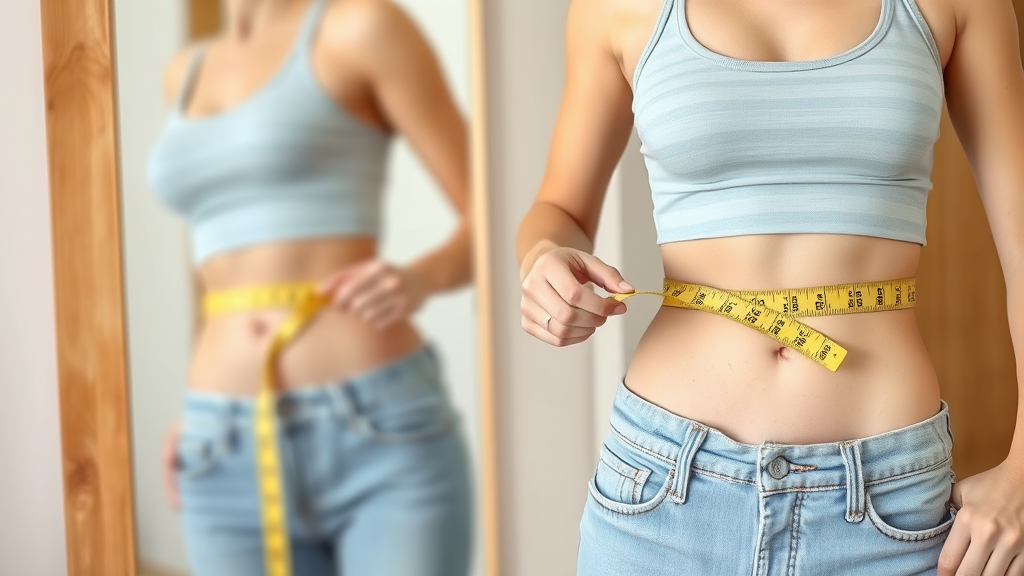
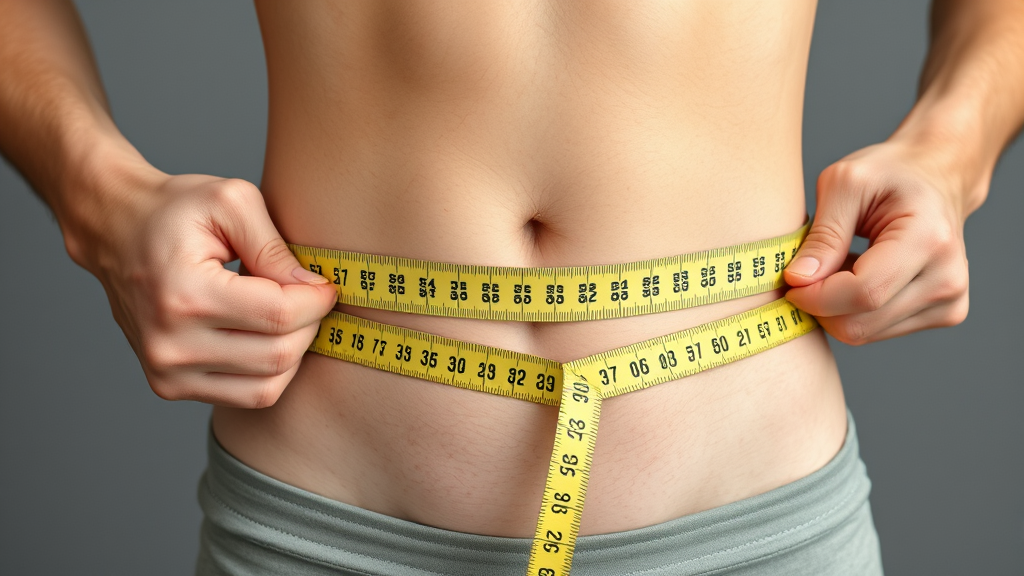
Place the measuring tape around your waist at this natural point, ensuring it’s parallel to the floor. The tape should lie flat against your skin without gaps but shouldn’t compress your flesh. A good rule of thumb is that you should be able to slip one finger comfortably between the tape and your body. Check in the mirror to ensure the tape is level all around – it’s easy for it to ride up or down, especially in the back where you can’t see it.
Take the measurement at the end of a normal exhale, not while holding your breath or forcing air out. Record the measurement where the tape meets the zero mark, reading to the nearest quarter-inch or half-centimeter for precision. Take three measurements and use the average for the most accurate result, as slight variations in positioning can occur.
Common Mistakes to Avoid
One of the most frequent errors people make is measuring over clothing, which can add significant bulk to the measurement. Even thin t-shirts can add half an inch or more to your waist measurement. Similarly, measuring too tightly by pulling the tape snug can compress soft tissue and give you a smaller reading than your actual size, leading to uncomfortably tight clothing.
Another common mistake is measuring at the wrong location. Many people measure at their hip bones or at the widest part of their midsection rather than at the natural waist. This can result in measurements that are several inches off from what clothing manufacturers expect. The CDC guidelines emphasize the importance of measuring at the correct anatomical location for health assessments.
Inconsistent measurement timing is another pitfall. Measuring at different times of day, different points in your menstrual cycle, or in different states of hydration can lead to confusing variations in your measurements. Establish a routine and stick to it for the most reliable results.
Measuring for Different Purposes
The purpose of your waist measurement can influence both technique and interpretation. For clothing purchases, you’ll want to measure for the specific type of garment. Low-rise jeans require measurement at the hip bones, while high-waisted pants need measurement at the natural waist or even slightly higher. Understanding these differences is as important as knowing how to measure inseam for proper pant fitting.
For health and fitness tracking, consistency is paramount. Medical professionals typically use waist circumference as an indicator of abdominal obesity and health risks. The National Heart, Lung, and Blood Institute provides specific guidelines for health-related waist measurements, emphasizing the importance of proper technique for accurate health assessments.
When measuring for formal wear or tailored clothing, you might need multiple measurements around your midsection. Professional tailors often take measurements at the natural waist, just below the ribcage, and at the fullest part of the torso to ensure a perfect fit. This comprehensive approach is similar to the precision required when learning how to measure ring size for jewelry fitting.
Adapting Technique for Different Body Types
Different body shapes may require slight modifications to the standard measurement technique. For apple-shaped bodies where the midsection is the fullest part, finding the natural waist can be more challenging. In these cases, measure at the smallest point you can identify, even if it’s not dramatically smaller than surrounding areas.
Pear-shaped individuals typically have well-defined waists, making measurement straightforward. However, ensure you’re not measuring at the hip line, which can be tempting if the difference between waist and hips is dramatic. For athletic builds with less waist definition, focus on the area between the bottom of the ribcage and the top of the hip bones.
Plus-size individuals may find that their natural waist is higher than expected, sometimes just below the bust line. Don’t assume the waist is at the navel – take time to identify the actual narrowest point. Using proper measurement techniques becomes especially important when coordinating with other fitting elements, such as understanding how to fold a pocket square for formal occasions where fit matters.

Troubleshooting Measurement Issues
If you’re getting inconsistent measurements, first check your tape measure for accuracy against a ruler or another measuring device. Over time, fabric tapes can stretch, leading to increasingly inaccurate measurements. Replace your measuring tape annually if you use it frequently, or whenever you notice it no longer lies flat or has stretched markings.
When measurements seem too large or small compared to your clothing sizes, remember that clothing manufacturers use different sizing standards. Vintage clothing, international brands, and different style categories all have varying size charts. Your measured waist should be used as a starting point, not an absolute guarantee of fit.
If you’re having trouble keeping the tape level, try measuring in sections. Start at your front, mark where the tape meets at your side, then continue around your back, ensuring each section remains level. This technique is particularly helpful for people measuring themselves without assistance.
For those tracking weight loss or fitness progress, small daily fluctuations are normal and don’t necessarily indicate measurement error. Water retention, food intake, and hormonal changes can cause variations of up to 2 inches in waist measurements. Focus on trends over time rather than day-to-day changes, similar to how consistent technique matters when dealing with other precision tasks like knowing how to get hair dye off skin – attention to detail yields better results.
According to research from Harvard Medical School, waist circumference is a more reliable indicator of health risks than BMI alone, making accurate measurement techniques crucial for health monitoring. The World Health Organization also emphasizes the importance of waist measurement in assessing obesity-related health risks.
Frequently Asked Questions
How often should I measure my waist?
For general clothing purposes, measuring your waist every few months is sufficient unless you’re experiencing significant weight changes. If you’re tracking fitness progress, weekly measurements at the same time of day provide meaningful data without obsessing over daily fluctuations. For health monitoring, quarterly measurements are typically adequate unless advised otherwise by your healthcare provider.
What’s the difference between waist measurement and pant size?
Clothing sizes are not direct correlations to body measurements. A 32-inch pant waist might actually measure 34 inches to allow for comfortable fit and movement. Additionally, different brands, styles, and cuts can vary significantly. Always refer to specific size charts when shopping, especially online, and consider your measured waist as a starting reference point.
Should I measure my waist before or after eating?
Always measure your waist before eating, preferably first thing in the morning after using the bathroom. Food, drink, and digestion can temporarily increase your waist measurement by 1-3 inches. For consistent tracking, establish a routine and measure at the same time each day under the same conditions.
Why do my waist measurements vary throughout the month?
Hormonal fluctuations, particularly in women, can cause water retention and bloating that affects waist measurements. Stress, sleep patterns, sodium intake, and hydration levels also influence temporary size changes. These variations are normal and typically range from half an inch to two inches. Track long-term trends rather than focusing on individual measurements.
Can I measure my waist accurately by myself?
Yes, with proper technique and tools, self-measurement is quite accurate. Use mirrors to ensure the tape remains level, take multiple measurements for consistency, and don’t rush the process. However, having someone assist you can improve accuracy, especially for ensuring the tape position at your back remains correct.
What if I can’t find my natural waist?
Some body types have less defined waists, making the natural waist difficult to identify. In these cases, measure at the narrowest point you can find, typically between the bottom of your ribcage and the top of your hip bones. If there’s no clear narrowest point, measure approximately 1-2 inches above your navel as a standard reference point.
How tight should the measuring tape be?
The tape should lie flat against your skin without gaps but shouldn’t compress or indent the flesh. You should be able to slip one finger comfortably between the tape and your body. Too loose gives an overestimate, while too tight underestimates your actual size, leading to poor clothing fit.

Related Posts

How Long to Boil Lobster Tails: Cooking Guide

How Long to Fly from New York to London? Travel Times
