

Master Turning Off Do Not Disturb for More Blog Engagement
In today’s digital landscape, maintaining constant connectivity with your blog audience is crucial for building engagement and fostering meaningful relationships. However, many bloggers unknowingly sabotage their engagement efforts by leaving Do Not Disturb mode activated on their devices, missing critical notifications from readers, collaborators, and social media interactions. Understanding how to turn off Do Not Disturb across various platforms and devices can significantly impact your blog’s success and reader interaction rates.
Do Not Disturb features, while designed to provide peaceful focus time, can create barriers between you and your audience when left on inadvertently. This comprehensive guide will walk you through the process of disabling Do Not Disturb on multiple devices and platforms, helping you stay connected to your blog community while maintaining productivity. From smartphones to desktop computers, we’ll explore every method to ensure you never miss another important engagement opportunity.
Understanding Do Not Disturb and Its Impact on Blog Engagement
Do Not Disturb mode serves as a digital barrier that can significantly impact your blog’s engagement metrics. When activated, this feature silences notifications from various applications, including social media platforms, email clients, and blog management tools. For content creators and bloggers, this silence can translate to missed opportunities for real-time engagement with readers, delayed responses to comments, and reduced social media interaction rates.
The psychology behind blog engagement relies heavily on timely responses and active participation in conversations. When readers leave comments, share your content, or mention your blog on social platforms, they expect acknowledgment within a reasonable timeframe. Studies conducted by Pew Research Center indicate that 67% of social media users expect responses to their comments within 24 hours, with many expecting much faster turnaround times.
Modern blogging success depends on creating communities around your content, fostering discussions, and building relationships with your audience. Do Not Disturb mode, while beneficial for focused writing sessions, can inadvertently create distance between you and your readers when left active during engagement-critical periods. Understanding when and how to disable these settings becomes essential for maintaining strong reader relationships.
How to Turn Off Do Not Disturb on iOS Devices
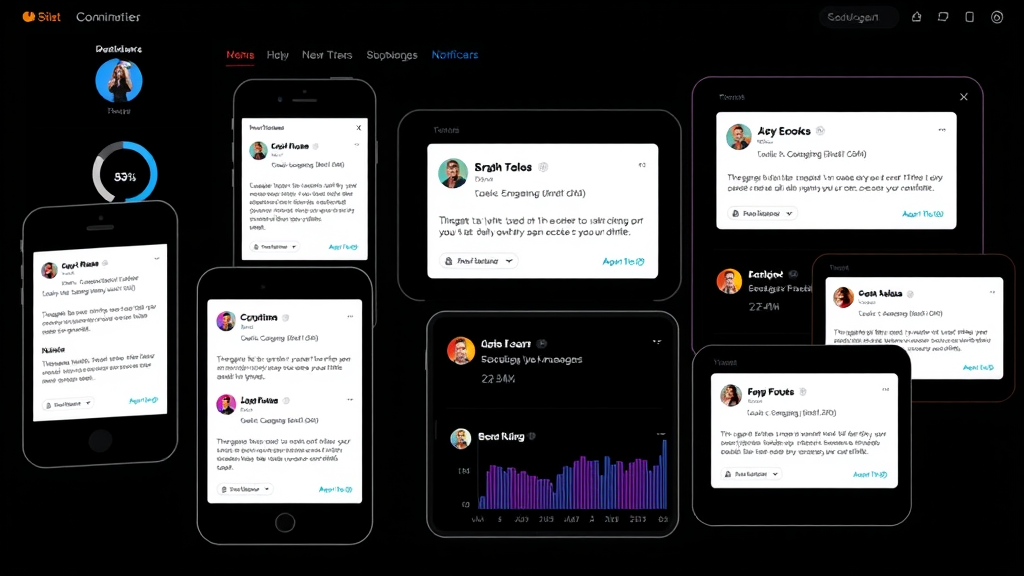
iOS devices offer multiple methods for disabling Do Not Disturb mode, each designed for different user preferences and situations. The most straightforward approach involves accessing the Control Center by swiping down from the top-right corner of your screen (iPhone X and later) or swiping up from the bottom (older iPhone models). Look for the crescent moon icon, which indicates Do Not Disturb status. Tap this icon once to toggle the feature off immediately.
For more granular control, navigate to Settings > Do Not Disturb (or Focus in iOS 15 and later). Here, you can customize specific Focus modes, set schedules, and configure which notifications are allowed through during different periods. Bloggers often benefit from creating custom Focus modes that allow blog-related notifications while filtering out less critical alerts. This approach maintains productivity while ensuring you don’t miss important engagement opportunities.
Advanced iOS users can also utilize Shortcuts app automation to create smart Do Not Disturb management. For instance, you can set up automations that automatically disable Do Not Disturb during peak engagement hours for your blog audience. This feature works similarly to other iOS management tools, such as learning how to turn off Find My iPhone for specific situations where location services need temporary disabling.
Additionally, iOS allows for scheduled Do Not Disturb activation and deactivation. Under the Focus settings, you can create time-based rules that automatically turn off Do Not Disturb during your blog’s most active hours. This automation ensures you’re available for reader interactions during peak times while maintaining focus during your designated writing periods. Consider setting these schedules to align with your blog’s analytics data showing when your audience is most active.
Disabling Do Not Disturb on Android Devices
Android devices provide comprehensive Do Not Disturb management through various access points and customization options. The quickest method involves pulling down the notification shade from the top of your screen and looking for the Do Not Disturb icon, typically represented by a circle with a line through it or a moon symbol. Tap this icon to instantly disable the feature and restore all notifications.
For detailed configuration, open Settings and navigate to Sound & Vibration > Do Not Disturb (the exact path may vary depending on your Android version and device manufacturer). Within this menu, you can create custom rules, set priority exceptions, and establish automatic schedules. Many Android devices also support “Priority only” modes, which allow certain notifications through while blocking others.
Samsung devices offer additional customization through their “Modes and Routines” feature, allowing users to create sophisticated automation rules. These can automatically disable Do Not Disturb based on location, time of day, or specific app usage patterns. For bloggers, this might include rules that turn off Do Not Disturb when opening blog management apps or during scheduled content publication times.
Google’s Digital Wellbeing integration also provides insights into how Do Not Disturb usage affects your overall device interaction patterns. This data can help bloggers understand whether their notification management strategies are supporting or hindering their engagement goals. The feature works alongside other device management tools, much like understanding how to schedule a text for planned communications with your audience.
Managing Do Not Disturb Settings on Mac
Mac computers integrate Do Not Disturb functionality across the entire macOS ecosystem, affecting notifications from email clients, social media apps, and blog management tools. To quickly disable Do Not Disturb on Mac, click the Notification Center icon in the menu bar (located in the top-right corner) and toggle off the Do Not Disturb switch at the top of the panel.
For comprehensive management, access System Preferences > Notifications & Focus (or System Preferences > Notifications in older macOS versions). This interface allows you to configure Focus modes, set automatic schedules, and customize which applications can break through Do Not Disturb restrictions. Bloggers often benefit from creating a “Blogging” focus mode that allows notifications from essential tools while blocking distracting alerts.
Mac users can also leverage the integration between iOS and macOS devices through Handoff and Continuity features. When you disable Do Not Disturb on your Mac, you can choose to sync this change across all your Apple devices, ensuring consistent notification availability. This synchronization is particularly useful for bloggers who manage content across multiple devices and need seamless notification access.
Terminal power users can also control Do Not Disturb through command-line interfaces, though this method requires technical knowledge. The approach is similar to other Mac administrative tasks, such as learning how to right click on a Mac for efficient navigation and control. Command-line management allows for advanced automation and integration with other blogging workflow tools.
Windows Focus Assist and Notification Management
Windows 10 and 11 feature Focus Assist (formerly Quiet Hours), Microsoft’s equivalent to Do Not Disturb functionality. To quickly disable Focus Assist, click the Action Center icon in the system tray (bottom-right corner) and toggle off the Focus Assist tile. Alternatively, you can access this through Settings > System > Focus Assist for more detailed configuration options.
Windows Focus Assist offers three main modes: Off (all notifications allowed), Priority only (selected notifications allowed), and Alarms only (minimal notifications). For bloggers, the Priority only mode provides the best balance, allowing you to specify which applications and contacts can send notifications during focused work periods while maintaining accessibility for critical blog-related alerts.
The platform’s automatic rules feature can disable Focus Assist during specific time periods, when duplicating displays (useful for presentations or live streaming), or when playing games. Bloggers can create custom rules that automatically turn off Focus Assist during scheduled social media engagement periods or when specific blogging applications are active.
Windows also integrates with Microsoft 365 and Outlook, making it essential for bloggers who use these tools for email marketing and communication. Understanding notification management works alongside other productivity features, similar to learning how to recall an email in Outlook for managing professional communications effectively.
Social Media Platform Notification Settings
Beyond device-level Do Not Disturb settings, individual social media platforms offer their own notification management systems that can impact blog engagement. Facebook, Instagram, Twitter, LinkedIn, and other platforms provide granular control over when and how you receive notifications about interactions with your blog content shared on these networks.
Facebook’s notification settings allow you to specify exactly which types of interactions trigger alerts, from comments and shares to mentions and direct messages. For bloggers, enabling notifications for comments on shared blog posts, mentions of your blog’s Facebook page, and direct messages ensures you don’t miss engagement opportunities. Access these settings through the Facebook app’s Settings & Privacy menu or through your desktop browser’s notification preferences.
Instagram offers similar granular control through its Settings > Notifications menu, where you can customize alerts for comments, likes, mentions, and direct messages. Since Instagram is heavily visual, many bloggers use the platform to share behind-the-scenes content and blog post previews, making engagement notifications crucial for community building.
LinkedIn’s professional focus makes it particularly important for business bloggers and thought leaders. The platform’s notification settings include options for post interactions, connection requests, messages, and mentions. According to LinkedIn’s marketing research, professionals who actively engage with notifications see 5x more profile views and connection requests.
Best Practices for Notification Management
Effective notification management for bloggers requires balancing accessibility with productivity. The key is creating systems that ensure you’re available during peak engagement periods while maintaining focus during content creation times. Start by analyzing your blog’s analytics to identify when your audience is most active, then schedule your Do Not Disturb settings accordingly.
Consider implementing a tiered notification system where critical alerts (comments on recent posts, direct messages from collaborators, email newsletter responses) always come through, while less urgent notifications (social media likes, general follows) are batched for specific review periods. This approach ensures you don’t miss important engagement opportunities while avoiding constant interruption.
Time-blocking your notification availability can significantly improve both productivity and engagement quality. Many successful bloggers designate specific hours for active engagement, during which all Do Not Disturb features are disabled, and focused work periods where only emergency notifications are allowed. This creates predictable availability patterns that audiences can learn and respect.
Regular auditing of your notification settings across all devices and platforms ensures your system remains optimized. As your blog grows and your audience behavior changes, your notification strategy should evolve accordingly. Monthly reviews of which notifications proved valuable versus distracting can help refine your approach and improve overall engagement effectiveness.
Frequently Asked Questions
How do I know if Do Not Disturb is currently active on my device?
Most devices display visual indicators when Do Not Disturb is active. On iOS devices, you’ll see a crescent moon icon in the status bar. Android devices typically show a circle with a line through it or similar symbol in the notification area. Mac computers display the indicator in the menu bar, while Windows shows Focus Assist status in the Action Center. If you’re unsure, check your device’s notification or settings menu for confirmation.
Can I set Do Not Disturb to turn off automatically at specific times?
Yes, all major platforms support scheduled Do Not Disturb activation and deactivation. iOS offers Focus scheduling through Settings > Focus, Android provides timing options in Do Not Disturb settings, Mac allows schedule configuration in System Preferences > Notifications & Focus, and Windows enables automatic rules in Focus Assist settings. This feature is particularly useful for bloggers who want to ensure availability during peak audience engagement hours.
Will turning off Do Not Disturb affect my device’s battery life?
Disabling Do Not Disturb may have a minor impact on battery life since your device will process more notifications and potentially wake the screen more frequently. However, this impact is typically minimal on modern devices. The engagement benefits for bloggers usually outweigh the slight battery usage increase. If battery life is a concern, consider using selective notification settings rather than completely disabling Do Not Disturb.
How can I allow only blog-related notifications while keeping Do Not Disturb on?
Most platforms offer priority or exception settings within their Do Not Disturb features. On iOS, create custom Focus modes that allow specific apps. Android’s Priority mode lets you choose which notifications break through. Mac and Windows both offer similar exception settings. Configure these to allow notifications from your blog management tools, social media apps, email clients, and other engagement-critical applications while blocking less important alerts.
What should I do if I’m not receiving notifications even after turning off Do Not Disturb?
If notifications aren’t working after disabling Do Not Disturb, check individual app notification settings, ensure apps have proper permissions, verify your internet connection, and restart your device. Some apps may have their own Do Not Disturb or quiet modes that need separate adjustment. Also check that notification settings haven’t been changed at the platform level (like Facebook or Twitter notification preferences) independent of your device settings.
Is it better to completely turn off Do Not Disturb or use selective notification filtering?
For most bloggers, selective notification filtering provides the best balance between engagement and productivity. Complete disabling can lead to overwhelming notification volume, while selective filtering allows you to prioritize blog-related communications. Create custom profiles or focus modes that allow critical engagement notifications while filtering out less important alerts. This approach maintains accessibility without constant interruption during focused work periods.
How often should I review and update my notification settings?
Review your notification settings monthly or whenever you notice changes in your blog’s engagement patterns. As your audience grows, platform algorithms change, or you add new tools to your blogging workflow, your notification needs will evolve. Regular audits help ensure your settings continue supporting your engagement goals while maintaining productivity. Consider tracking which notifications prove most valuable for engagement to guide future configuration decisions.

Related Posts

How Long to Boil Lobster Tails: Cooking Guide

How Long to Fly from New York to London? Travel Times
