
Remove Tarnish from Silver: Expert Tips & Tricks
How to Remove Tarnish from Silver: Expert Tips & Tricks
Silver tarnish is one of the most frustrating issues for anyone who owns jewelry, flatware, or decorative silver pieces. That dark, dull coating that develops over time isn’t just unsightly—it can permanently damage your silver if left untreated. Whether you have a cherished family heirloom or everyday silver items, understanding how to remove tarnish from silver effectively will help you restore their brilliant shine and maintain their value for years to come.
The good news is that removing tarnish doesn’t require expensive professional cleaning or harsh chemicals. With the right techniques and household items, you can restore your silver to its original luster in just minutes. This comprehensive guide walks you through proven methods, preventative strategies, and expert tips to keep your silver looking pristine. We’ll cover everything from quick fixes for light tarnish to intensive treatments for heavily oxidized pieces.
Understanding Silver Tarnish: What Causes It
Before diving into removal techniques, it’s important to understand what causes silver tarnish in the first place. Silver tarnish is a natural chemical reaction that occurs when silver comes into contact with sulfur-containing compounds in the air, water, or surrounding materials. This reaction creates a dark layer of silver sulfide on the surface of your silver items.
Several factors accelerate tarnishing. Humidity and moisture exposure speed up oxidation significantly. If you live in a coastal area with salt air, your silver will tarnish faster. Certain foods, especially eggs and onions, contain sulfur compounds that can tarnish silver quickly. Rubber bands, wool, and some papers also contain sulfur that promotes tarnishing. The quality of the silver matters too—pure silver tarnishes more slowly than sterling silver, which contains 7.5% other metals.
Understanding these causes helps you implement better prevention strategies. Like learning how to remove mold from wood requires understanding moisture sources, preventing silver tarnish starts with controlling its environment.
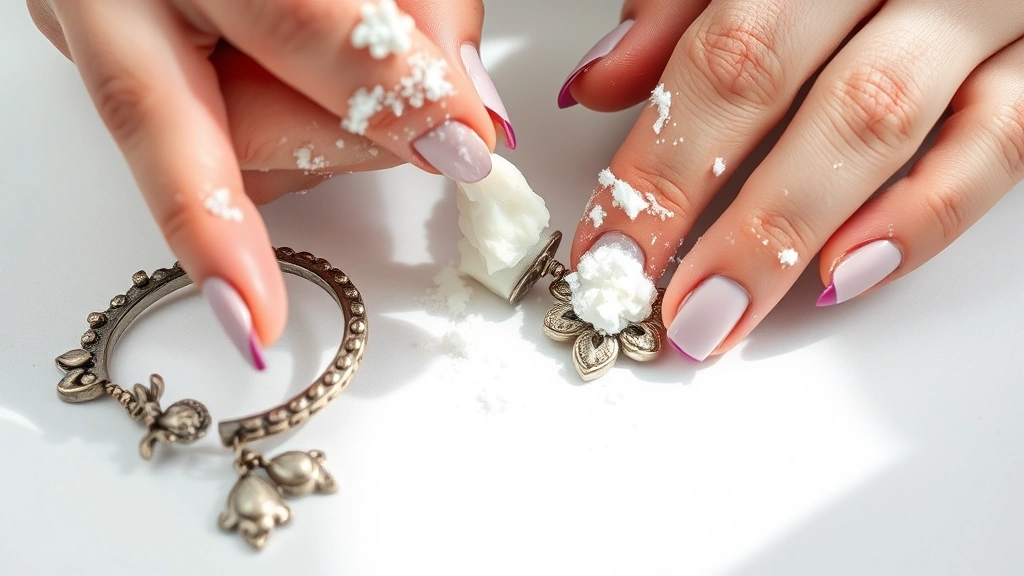
The Baking Soda Method: Quick and Effective
The baking soda method is perhaps the most popular DIY approach for removing tarnish from silver. It’s safe, inexpensive, and works remarkably well for light to moderate tarnish. Best of all, you probably have baking soda in your kitchen right now.
What You’ll Need:
- Baking soda
- Water
- A soft cloth or sponge
- A bowl or small container
- Soft-bristled toothbrush (optional)
Step-by-Step Instructions:
- Create a paste by mixing three parts baking soda with one part water. Adjust the consistency until you have a spreadable paste similar to toothpaste.
- Dampen your silver item slightly with water. This helps the paste adhere better to the surface.
- Apply the baking soda paste directly to the tarnished areas using a soft cloth or sponge.
- Gently rub in circular motions, working the paste into all the crevices and detailed areas. For intricate jewelry or flatware handles, use a soft-bristled toothbrush to reach tight spaces.
- Rinse thoroughly under warm running water, making sure to remove all paste residue.
- Dry immediately with a clean, soft cloth to prevent water spots and further oxidation.
This method works because baking soda is a mild abrasive that gently removes the tarnish layer without scratching the underlying silver. For heavily tarnished items, you may need to repeat the process two or three times.
Aluminum Foil and Salt Technique
The aluminum foil method is a chemical cleaning approach that’s particularly effective for heavily tarnished silver. This technique relies on a simple chemical reaction to transfer tarnish from silver to aluminum. It’s perfect when you need quick results without scrubbing.
Materials Required:
- Aluminum foil
- Baking soda
- Water
- A pot or heat-safe container
- Soft cloth for drying
Detailed Process:
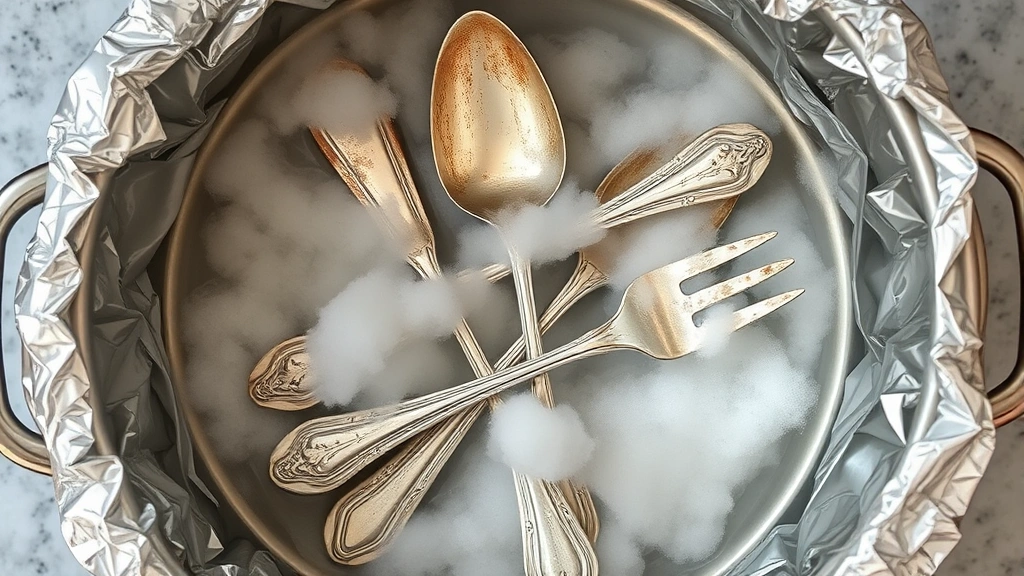
- Line a pot or container with aluminum foil, shiny side up. You can also use a baking pan.
- Fill the pot with water and bring it to a boil. Add one tablespoon of baking soda per quart of water.
- Carefully place your silver items in the hot water, ensuring they touch the aluminum foil. The chemical reaction requires direct contact between silver and aluminum.
- Let items soak for 5-15 minutes depending on the severity of tarnish. You’ll notice the water may turn dark as tarnish transfers to the foil.
- Remove items carefully (the water will be hot) and let them cool on a clean cloth.
- Rinse with cool water and dry immediately with a soft cloth.
This method is particularly useful for silver flatware sets and decorative pieces. However, avoid using this technique on antique silver with delicate finishes or patina, as it may remove intentional aging effects.
Vinegar and Baking Soda Paste
For silver items with stubborn tarnish that resists basic methods, the vinegar and baking soda combination provides extra cleaning power. This paste works through both chemical and mechanical action.
Recipe and Application:
Mix equal parts white vinegar and baking soda in a small bowl. The mixture will fizz—this is the chemical reaction working to break down tarnish. If the paste is too thin, add more baking soda. If too thick, add more vinegar drop by drop.
Apply the paste to tarnished areas and let it sit for 10-15 minutes. This waiting period allows the vinegar’s acidity to work on the tarnish layer. Gently scrub with a soft cloth or soft-bristled brush using circular motions. Pay special attention to grooves, patterns, and crevices where tarnish accumulates. Rinse thoroughly under warm water and dry completely with a microfiber cloth.
This method is similar to how you’d approach cleaning other household items—understanding the chemistry behind the solution, much like with how to remove Sharpie stains, helps you apply the right technique for your specific problem.
Commercial Silver Polish Options
While DIY methods work excellently, quality commercial silver polishes offer convenience and consistent results. Several trusted brands provide effective solutions for various silver items.
Popular Commercial Products:
- Liquid polishes: These are ideal for heavily tarnished pieces. Apply with a soft cloth, let sit briefly, then polish and rinse.
- Cream polishes: Best for regular maintenance and light tarnish. They’re gentler than liquids and easier to control.
- Polish cloths: Pre-treated cloths that are perfect for quick touch-ups and travel. They’re convenient but less effective on heavy tarnish.
- Dip solutions: For badly tarnished items, dip solutions work quickly but require careful handling to avoid damage to delicate pieces.
When selecting commercial products, look for those specifically formulated for sterling silver. Check that they don’t contain harsh abrasives that could scratch your items. Always follow manufacturer instructions carefully. Test any new product on an inconspicuous area first, especially on antique or valuable pieces.
Reputable retailers like Lowe’s and The Home Depot carry multiple silver care options. For specialty items, This Old House’s cleaning guides provide detailed product recommendations.
Prevention Strategies for Long-Term Protection
The best approach to silver tarnish is preventing it in the first place. Implementing preventative measures will significantly reduce how often you need to clean your silver.
Storage Solutions:
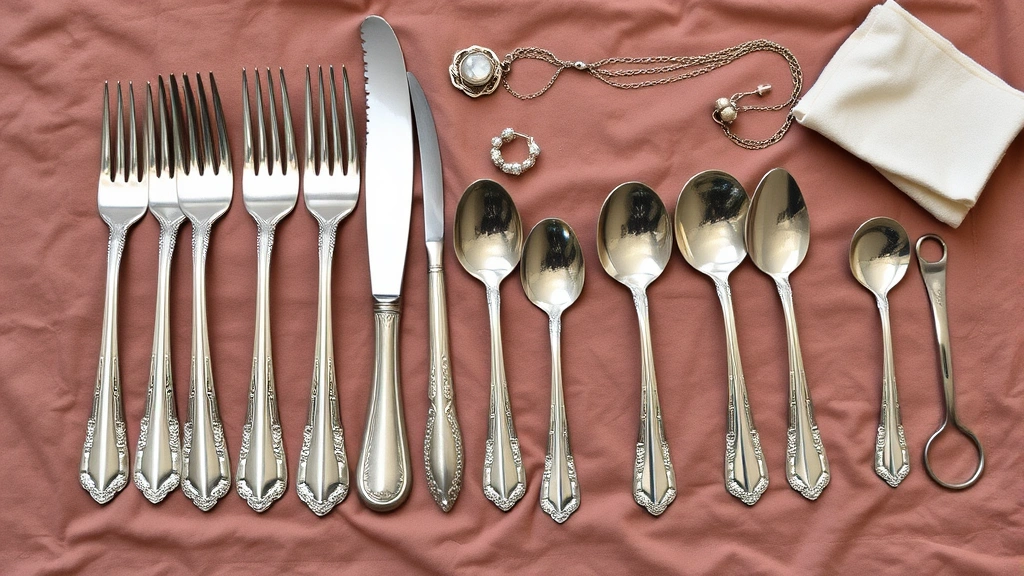
How you store silver dramatically affects tarnishing speed. Store silver items in airtight containers or sealed plastic bags to minimize air exposure. Use tarnish-preventative strips or packets in storage containers—these absorb sulfur compounds that cause tarnishing. Never store silver in rubber-banded bundles or wrapped in newspaper, as both contain sulfur.
For valuable or frequently-used pieces, consider protective storage methods similar to how you’d protect other valuable household items. Climate-controlled storage is ideal—maintain moderate humidity levels and consistent temperatures.
Environmental Controls:
Reduce humidity in your home to slow tarnishing. Use dehumidifiers in areas where you store silver. Keep silver away from direct sunlight, which can accelerate oxidation. Avoid storing silver near fireplaces, kitchens, or bathrooms where heat and humidity are highest.
Regular Maintenance:
Use your silver regularly. This might seem counterintuitive, but regular handling and exposure to skin oils actually slows tarnishing. Wash silver items gently after use with warm soapy water and dry immediately. This removes food residue and prevents moisture from sitting on the surface.
Schedule regular light cleaning—even monthly maintenance prevents heavy tarnish buildup. A quick polish with a microfiber cloth takes just minutes but keeps your silver looking brilliant.
When to Seek Professional Help
Some situations warrant professional silver restoration. Antique pieces, items with gemstones, and valuable heirlooms deserve expert care. Professional jewelers and silver restoration specialists have tools and expertise to handle delicate items safely.
When to Call Professionals:
- Antique silver with historical or sentimental value
- Silver items with gemstones or intricate inlays
- Pieces with intentional patina or aging that you want to preserve
- Severely corroded or damaged silver requiring restoration
- Silver with plating or special finishes
- Items that have been damaged by improper cleaning
Professional restoration ensures your treasured pieces receive appropriate care. Many jewelers offer silver cleaning services at reasonable prices. They can also provide guidance on proper storage and maintenance specific to your items.
Just as knowing when to tackle how to remove water stains from wood yourself versus calling professionals is important, the same applies to valuable silver pieces. For everyday silver flatware and modern jewelry, DIY methods work perfectly. For heirlooms and antiques, professional help ensures preservation.
FAQ
Is it safe to use baking soda on all silver items?
Baking soda is generally safe for most silver items, but use caution on antique pieces with delicate patina or special finishes. Test on a small, inconspicuous area first. Avoid using baking soda on silver-plated items, as the abrasive action might wear through the plating.
How often should I clean my silver to prevent heavy tarnish?
This depends on storage conditions and usage. If stored properly in airtight containers, you might only need to clean silver every 6-12 months. If displayed openly or used frequently, monthly light cleaning prevents buildup. Environmental factors like humidity and location significantly affect tarnishing speed.
Can I use toothpaste to clean silver?
While toothpaste might seem like a convenient option, most commercial toothpastes contain abrasives that are too harsh for silver and can cause scratching. Stick with baking soda paste or specialized silver cleaners instead.
What’s the difference between tarnish and oxidation?
Technically, tarnish and oxidation are the same thing on silver. The dark coating is silver sulfide, created through a chemical reaction between silver and sulfur compounds. The terms are used interchangeably in silver care discussions.
Is vinegar safe for cleaning silver?
White vinegar is safe for silver when diluted and used properly. Never soak silver in pure vinegar for extended periods. Use vinegar in combination with baking soda paste and rinse thoroughly afterward. Avoid vinegar on antique pieces without testing first.
Why does my silver keep tarnishing quickly?
Rapid tarnishing indicates poor storage conditions or high environmental sulfur levels. Check your storage area for humidity and ensure items are in airtight containers. If you live near the ocean or in an industrial area, tarnishing naturally occurs faster. Consider using tarnish-preventative products in storage containers.
Can I use the aluminum foil method on jewelry with gemstones?
Use caution with gemstone jewelry. The hot water method can loosen settings or damage certain stones. For gemstone pieces, stick with the gentler baking soda paste method instead. When in doubt, consult a professional jeweler.
How do I remove water spots after cleaning silver?
Water spots result from mineral deposits in tap water. Always dry silver immediately after cleaning with a soft, lint-free cloth. If spots remain, polish with a microfiber cloth or use distilled water for final rinsing instead of tap water.
What’s the best way to store silver flatware long-term?
Store silver flatware in airtight containers or sealed plastic bags with tarnish-preventative strips. Keep in a cool, dry location away from direct sunlight. Wrap pieces individually in acid-free tissue paper for extra protection. Never use rubber bands or regular newspaper for storage.
Is there a permanent solution to prevent silver from tarnishing?
Unfortunately, no. Tarnishing is a natural chemical process that will eventually occur. However, proper storage, environmental controls, and regular maintenance can significantly slow the process. Some protective coatings exist but may affect the appearance of your silver. Prevention through proper care is the most practical approach.
For more detailed cleaning and restoration techniques, visit the FixWiseHub Blog where we share comprehensive how-to guides and tutorials for all your home maintenance needs. You’ll find additional resources on proper care for various household items and materials.

Related Posts

Superscript in Google Docs: Expert Tips

Strikethrough in Excel: Easy Steps for Beginners
