
Remove Mold from Wood: Expert Tips Revealed
Remove Mold from Wood: Expert Tips Revealed
Mold growth on wooden surfaces is one of the most common problems homeowners face, especially in damp environments like basements, bathrooms, and crawl spaces. Not only does mold compromise the structural integrity of your wood, but it also poses serious health risks to you and your family. The good news is that with the right approach and materials, you can effectively remove mold from wood and prevent it from returning.
Whether you’re dealing with surface mold on a deck, mold in your attic, or black mold on wooden beams, this comprehensive guide will walk you through proven methods to tackle the problem safely and effectively. We’ll cover everything from identifying the type of mold you’re facing to implementing long-term prevention strategies that keep your wood mold-free for years to come.
Understanding Mold on Wood
Mold thrives in three conditions: moisture, darkness, and organic material. Wood provides the perfect feast for mold spores because it’s made of cellulose, a compound that mold feeds on. When humidity levels exceed 55% and temperatures stay between 40-100°F, mold can colonize wooden surfaces rapidly.
There are several types of mold that commonly affect wood structures. Black mold, while often sensationalized, is a serious concern due to mycotoxins it can produce. Green mold typically appears on wood exposed to moisture and is usually less harmful but still requires removal. White mold often appears as a fuzzy growth and indicates early-stage infestation. Understanding which type you’re dealing with helps determine the appropriate removal strategy.
The key difference between surface mold and deep mold penetration is critical. Surface mold sits on top of the wood and can be cleaned away relatively easily. However, if mold has penetrated deep into the wood grain or has caused rot, you may need to replace the affected wood entirely. This is why early detection and prompt action are essential for preserving your wooden structures.
Safety First: Preparation and Protection
Before you begin any mold removal project, safety must be your top priority. Mold spores become airborne during cleaning, and inhaling them can trigger respiratory issues, allergies, and other health complications. Taking proper precautions protects you and prevents spreading mold spores throughout your home.
Essential safety equipment includes:
- N95 or N100 respirator mask (not a cloth mask—mold spores are too small)
- Safety goggles to protect your eyes from spores and cleaning solutions
- Disposable gloves, preferably nitrile or latex
- Long sleeves and pants to minimize skin exposure
- Proper ventilation by opening windows and using fans to create air flow away from living spaces
Prepare your work area by isolating the affected section if possible. If you’re working in a basement or crawl space, consider using plastic sheeting to create a containment area. This prevents mold spores from traveling to other parts of your home. Use a HEPA filter vacuum or wet/dry shop vacuum equipped with a HEPA filter to clean up debris and spores—never use a regular household vacuum, as it will spread spores throughout your home.
Check local regulations regarding mold remediation. Many areas have specific guidelines, especially for mold coverage exceeding 10 square feet. Some jurisdictions require professional remediation for large infestations, so verify your local building codes before proceeding.
Assessment: How Deep Does the Mold Go?
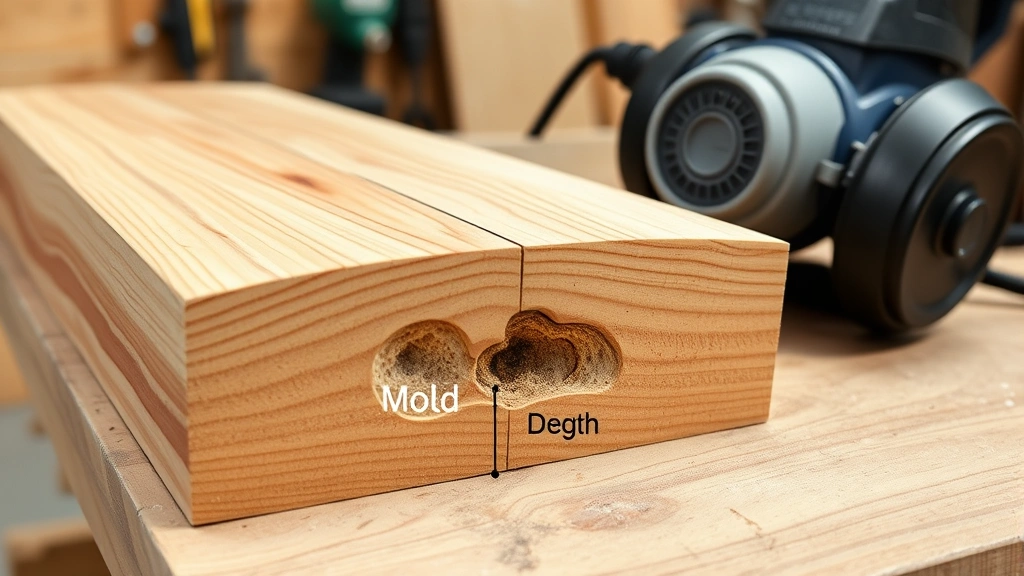
Determining whether you’re dealing with surface mold or deep penetration is crucial. Surface mold appears as discoloration on the wood surface and can usually be wiped away with a cloth. Deep mold has penetrated the wood grain and cannot be removed by surface cleaning alone.
To assess mold depth, perform a simple test: use a putty knife or scraper to gently test the affected area. If the mold wipes away cleanly and the underlying wood appears solid and unchanged, you’re dealing with surface mold. If the wood feels soft, spongy, or crumbles when scraped, the mold has caused rot and wood replacement is necessary.
For wooden beams, joists, or structural elements, probe with an awl or ice pick. If it penetrates more than 1/4 inch into the wood, significant rot has likely occurred. Structural wood damage requires professional assessment and replacement to maintain your home’s integrity.
Take photos of the affected area before and during treatment. This documentation helps you monitor progress and provides a record if you need professional help later. Measure the affected area to determine if it exceeds the 10-square-foot threshold that typically triggers professional remediation requirements in many jurisdictions.
Cleaning Methods for Surface Mold
For surface mold on wood, several proven cleaning solutions work effectively. The method you choose depends on the wood type, location, and severity of the infestation.
White Vinegar Solution
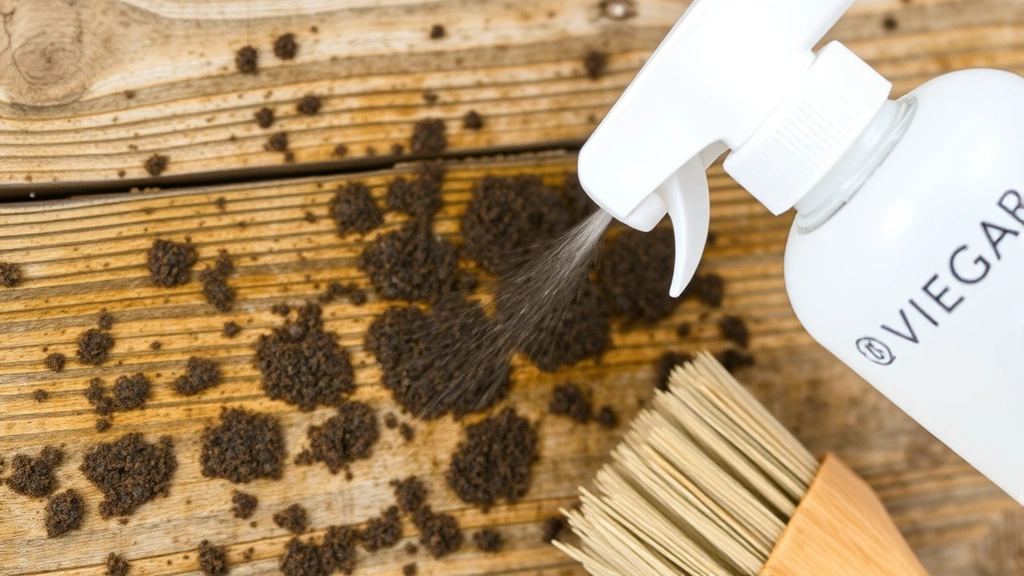
Vinegar is a natural mold killer that won’t damage most wood finishes. Mix equal parts white vinegar and water in a spray bottle. Spray the affected area generously and let it sit for 30 minutes. Scrub with a stiff-bristled brush, then wipe clean with a damp cloth. The acetic acid in vinegar kills mold spores and prevents regrowth for a period. This method works best for mild surface mold and is safe for painted or stained wood.
Baking Soda Method
Baking soda is another non-toxic option that absorbs moisture and kills mold. Mix one teaspoon of baking soda with water to create a spray. Apply to the moldy area and scrub thoroughly. Let it dry completely. Baking soda also helps prevent future mold growth by absorbing ambient moisture. This is ideal for wood in living spaces where you want to avoid harsh chemical odors.
Hydrogen Peroxide Treatment
A 3% hydrogen peroxide solution effectively kills mold and penetrates wood pores better than vinegar. Spray the affected area and let it sit for 10 minutes. Scrub with a brush and wipe clean. Hydrogen peroxide breaks down into water and oxygen, making it relatively safe for household use. However, it can bleach wood, so test on an inconspicuous area first.
Commercial Mold Killers
Products from This Old House’s recommended retailers and home improvement stores offer specialized mold removal solutions. Look for products labeled for wood surfaces. Always follow manufacturer instructions, ensure proper ventilation, and wear protective equipment. These commercial products often work faster than natural solutions and may provide longer-lasting protection.
Borax Solution
Mix one cup of borax with one gallon of water. This solution is toxic to mold and won’t damage wood. Spray on the affected area, scrub, and allow to dry. Borax leaves residue that continues preventing mold growth. It’s particularly effective for outdoor wood like decks and fences, though you should avoid it on interior wood where children or pets might contact it.
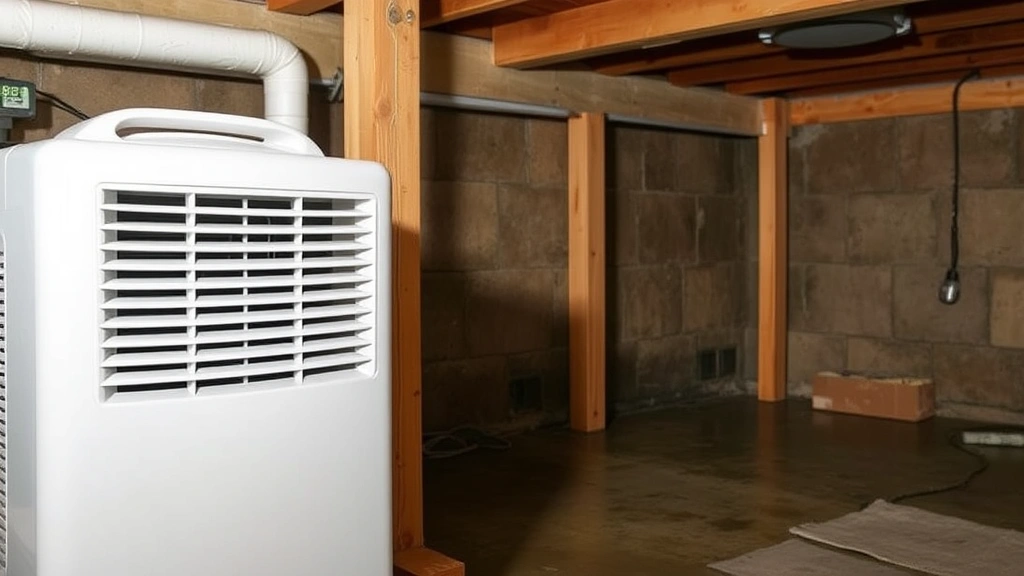
After cleaning with any method, complete drying is essential. Use fans, dehumidifiers, and open windows to ensure the wood dries thoroughly. Moisture remaining in the wood will allow mold to return quickly. In humid climates, this drying process may take 24-48 hours or longer.
Removing Deep or Severe Mold
When mold has penetrated deep into wood or caused structural damage, surface cleaning won’t solve the problem. This situation requires more aggressive intervention.
Sanding and Planing
For moderately deep mold, sanding the affected area can remove contaminated wood layers. Use medium-grit sandpaper (80-120 grit) and sand with the grain. Wear your respirator—this process generates significant mold spores. Sand until you reach clean wood without discoloration. Follow with fine-grit sandpaper (150-220 grit) to smooth the surface. This method works for decks, furniture, and trim where you can afford to remove surface material.
Chemical Wood Treatments
For wood that’s important to preserve, professional-grade fungicides penetrate deep into the wood structure and kill mold at the root. These treatments typically contain borate compounds or other fungistatic agents. Application usually requires professional equipment and expertise. Family Handyman provides detailed guidance on when DIY treatment is appropriate versus when to hire professionals.
Wood Replacement
If mold has caused significant rot—wood that’s soft, crumbly, or structurally compromised—replacement is the only safe option. This is particularly true for structural elements like joists, beams, or rim board. Attempting to preserve severely rotted wood risks your home’s structural integrity.
To replace affected wood: remove the damaged section carefully, treat the surrounding area to prevent future mold, and install new wood of the same species and dimensions. Ensure the new wood is properly sealed or treated to resist future mold growth. For structural repairs, consider consulting a structural engineer to ensure proper installation and load-bearing capacity.
Drying and Prevention Strategies
Preventing mold from returning is just as important as removing it. Mold prevention centers on controlling moisture—the primary factor in mold growth.
Moisture Control
Keep indoor humidity below 50% using dehumidifiers in basements, crawl spaces, and bathrooms. Install proper ventilation in bathrooms and kitchens to remove moisture at the source. Use exhaust fans during showers and while cooking, running them for 20-30 minutes after moisture-generating activities. In basements, use a sump pump and proper grading to direct water away from the foundation.
Improve Air Circulation
Stagnant air traps moisture and creates ideal conditions for mold. Install fans to promote air movement, especially in problem areas. Ensure crawl spaces have adequate venting. Keep furniture and storage away from walls to allow air to circulate behind them. In attics, verify that soffit and ridge vents are clear and functioning properly.
Seal and Protect Wood
Once you’ve removed mold and the wood is completely dry, apply a protective finish. For exterior wood, use quality exterior paint or stain with mildew-resistant additives. For interior wood, polyurethane or other protective coatings create a barrier against moisture penetration. Some products specifically include anti-fungal agents for added protection in high-risk areas.
Address Water Intrusion
Identify and fix the source of moisture. Check for roof leaks, foundation cracks, plumbing leaks, and poor drainage. These are the root causes of wood mold. Fixing a leak is far more cost-effective than repeatedly dealing with mold. Have your home inspected annually for water intrusion issues, especially before winter in cold climates.
Regular Inspection
Check vulnerable areas monthly, especially basements, attics, and crawl spaces. Early detection of mold allows you to address it before it spreads. Look for discoloration, musty odors, or visible growth. Keep records of inspections and any issues you find. This helps you identify patterns and address underlying moisture problems.
When to Call a Professional
While many homeowners can handle surface mold removal, certain situations require professional expertise.
You should contact a professional if:
- Mold covers an area larger than 10 square feet (check your local building codes)
- Mold has caused significant wood rot or structural damage
- The mold is in HVAC systems or ductwork
- You suspect toxic black mold or have health concerns
- The mold keeps returning despite your removal efforts
- You have respiratory conditions or immune system issues
- The affected wood is structural (joists, beams, rim board)
Professional mold remediation companies have specialized equipment like air scrubbers, moisture meters, and industrial-grade dehumidifiers. They can properly contain and remove mold while preventing spore spread. Many offer mold testing to identify the specific species and assess health risks. Professional remediation also typically includes identifying and addressing the moisture source.
Insurance may cover professional mold remediation if it results from a covered peril like a burst pipe. Review your policy and contact your insurance agent if you have questions about coverage. The EPA provides guidance on mold assessment and remediation that you can share with professionals.
FAQ
How can I tell if wood mold is dangerous?
Not all mold is equally dangerous. Black mold is often sensationalized but isn’t necessarily more toxic than other molds. The real concern is mold quantity and individual sensitivity. If you have respiratory conditions, allergies, or a compromised immune system, any mold exposure is concerning. For large infestations or if you have health symptoms, professional testing can identify the mold species and help determine health risk. When in doubt, professional assessment is worth the investment.
Can I paint over mold?
Never paint over mold. Paint won’t kill mold—it will trap moisture underneath and allow mold to continue growing. Mold will eventually break through the paint, and the problem becomes worse. Always remove mold completely and allow the wood to dry fully before painting. This ensures the paint adheres properly and prevents future mold growth.
How long does it take to remove mold from wood?
Surface mold removal typically takes a few hours to a day, depending on the affected area size and cleaning method. Deep mold removal or wood replacement can take several days to weeks. The drying process often takes the longest—wood must dry completely before you can apply finishes or declare the project complete. In humid climates, allow extra time for drying.
What’s the best way to prevent mold on wood decks?
Keep deck wood dry by ensuring proper drainage and water runoff. Clean debris regularly—leaves and dirt trap moisture. Apply a water-resistant stain or sealant annually. Improve air circulation by pruning nearby vegetation. If you live in a humid climate, consider pressure washing the deck annually. The key is preventing moisture accumulation on the wood surface.
Is vinegar or bleach better for mold removal?
For wood, vinegar is generally better than bleach. Bleach can damage wood finishes and actually drives mold spores deeper into the wood as it kills surface growth. Vinegar is gentler on wood while still effectively killing mold. Hydrogen peroxide is another good alternative. Save bleach for non-porous surfaces like tile or concrete where it’s more effective and won’t damage the material.
Can mold return after removal?
Yes, mold can return if the moisture source isn’t addressed. This is why identifying and fixing the underlying cause—whether it’s a leak, poor ventilation, or excessive humidity—is crucial. Proper drying, ventilation, and moisture control prevent regrowth. If mold repeatedly returns to the same area, you likely haven’t solved the moisture problem and should have a professional assess the situation.

Related Posts

Superscript in Google Docs: Expert Tips

Strikethrough in Excel: Easy Steps for Beginners
