
Remove Deodorant Stains? Expert Tips Inside
How to Remove Deodorant Stains: Expert Tips for Clothing Restoration
Deodorant stains are one of the most frustrating wardrobe issues homeowners and clothing enthusiasts face. Whether it’s white residue on dark fabrics or yellow discoloration on light clothing, these stubborn marks can ruin an otherwise perfect outfit. The good news? With the right techniques and products, you can eliminate deodorant stains completely and restore your favorite garments to pristine condition.
Understanding why deodorant stains occur is the first step toward prevention and removal. Most antiperspirants contain aluminum compounds that react with sweat and body oils, creating visible marks. Unlike simple dirt or food stains, deodorant buildup requires specific treatment methods that address both the chemical compounds and the fabric fibers themselves.
Why Deodorant Stains Happen
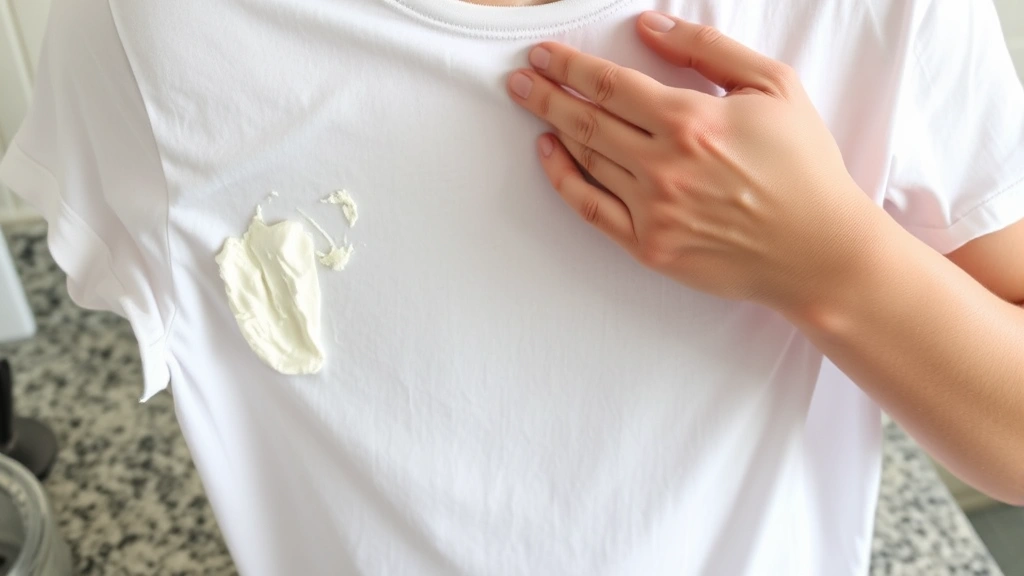
Deodorant stains form through a combination of chemical reactions and fabric accumulation. Antiperspirants work by blocking sweat glands with aluminum salts, and when these compounds mix with perspiration, proteins, and natural skin oils, they create discoloration that bonds to fabric fibers. The stains typically appear as white, chalky deposits on dark clothing or yellowish marks on lighter fabrics.
Temperature and humidity play significant roles in stain formation. Warm environments cause increased sweating, which intensifies the chemical reaction between deodorant and body moisture. This is why armpit stains are particularly problematic during summer months or for individuals engaged in physical activity. Additionally, certain fabric types—particularly cotton blends and synthetic materials—are more susceptible to absorbing and retaining these compounds.
The longer deodorant residue sits on fabric, the more difficult it becomes to remove. Fresh stains respond better to immediate treatment, while set-in stains may require multiple applications of specialized removal methods. This is similar to addressing other stubborn fabric issues, and understanding how to remove security tags from clothing teaches us that persistence and proper technique matter significantly in textile care.
Pre-Treatment Methods
Pre-treatment is essential for successful deodorant stain removal. Begin by examining the stain closely to determine its severity and type. Fresh white residue requires different treatment than set-in yellow discoloration. Always test any cleaning solution on a hidden area of the garment first to ensure it won’t cause additional damage or discoloration.
Dry Brushing Technique
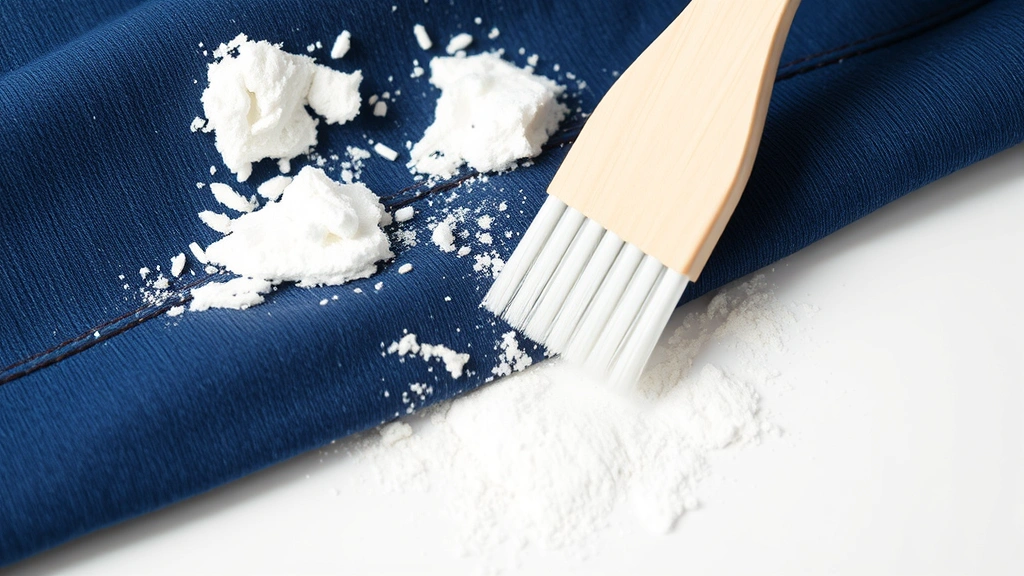
For white deodorant buildup, start with a simple dry brush approach. Use an old toothbrush or soft-bristled clothing brush to gently scrape away excess deodorant residue. Hold the garment flat over a sink or trash can and brush in one direction to dislodge the chalky coating. This preliminary step removes surface buildup and allows cleaning solutions to penetrate fabric fibers more effectively. Avoid aggressive scrubbing, as this can damage delicate fabrics or push the stain deeper into the material.
Vinegar Solution
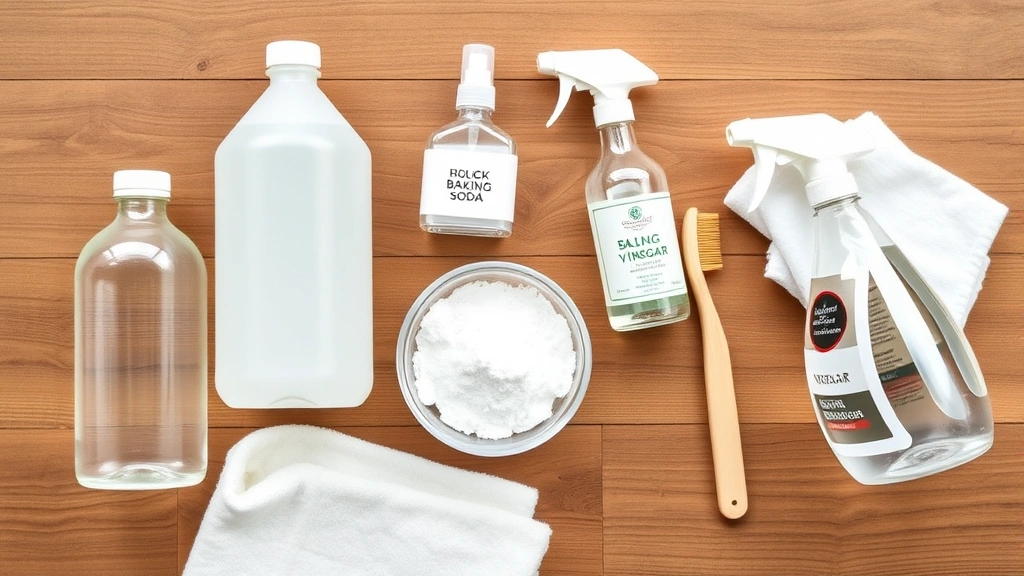
White vinegar is a powerhouse for deodorant stain removal. Mix equal parts white vinegar and water, then apply the solution directly to the stained area using a spray bottle or cloth. Let it sit for 30 to 60 minutes, allowing the acidity to break down the aluminum compounds and mineral deposits. The vinegar’s natural properties help dissolve both fresh and set-in stains without harsh chemicals. After soaking, gently rub the area with an old toothbrush to further lift the stain before washing.
Baking Soda Paste
Baking soda creates an effective paste for treating stubborn deodorant marks. Combine three parts baking soda with one part water to form a thick paste, then apply it directly to the stain. The mild abrasive properties of baking soda help scrub away residue while remaining gentle on most fabrics. Allow the paste to dry completely—this typically takes 2 to 4 hours—then brush away the dried paste and inspect the results. For particularly tough stains, repeat this process before washing.
Hydrogen Peroxide Treatment
For yellow deodorant stains on white or light-colored fabrics, hydrogen peroxide offers excellent results. Apply 3% hydrogen peroxide directly to the stain and let it sit for 5 to 10 minutes. The peroxide works as a mild bleaching agent, breaking down the yellow discoloration without the harshness of chlorine bleach. Gently scrub the area with a soft brush, then rinse thoroughly with cool water. Avoid using this method on dark or brightly colored fabrics, as it may cause fading.
Washing and Drying Techniques
After pre-treatment, proper washing is crucial for complete stain removal. The water temperature, detergent type, and washing method all significantly impact results. Understanding the correct approach ensures you don’t set the stain permanently or damage your clothing—knowledge that applies to all fabric restoration, much like removing clothing security tags properly requires careful technique.
Water Temperature Selection
Warm water works best for deodorant stain removal in most cases. Hot water can set certain stains and damage delicate fabrics, while cold water may not dissolve the chemical compounds effectively. Use warm water (around 100-110°F) for pre-soaking and washing treated stains. Always check the garment’s care label to ensure warm water is appropriate for the fabric type.
Detergent Application
Apply liquid laundry detergent directly to the damp stain before washing. Liquid detergent works better than powder for pre-treating because it penetrates fabric fibers more effectively. Use a small amount—approximately one teaspoon for average-sized stains—and gently work it into the fabric using your fingers or a soft brush. Let the detergent sit for 15 to 30 minutes before washing, allowing it to break down the stain compounds.
Washing Machine Settings
Wash the garment in warm water using your machine’s regular or delicate cycle, depending on fabric type. Add your normal amount of laundry detergent to the wash cycle. For particularly stubborn stains, consider running a second wash cycle. Avoid using fabric softener during this wash, as it can trap residual stain particles in the fabric. Check the stain before drying—if any discoloration remains, repeat the treatment process rather than machine drying, which sets stains permanently.
Air Drying Protocol
Always air dry treated garments rather than using the dryer. The heat from machine drying can permanently set remaining stain residue, making future removal nearly impossible. Hang the garment in a well-ventilated area, preferably in sunlight if the fabric color permits. Sunlight naturally bleaches and disinfects, helping fade any remaining yellowish tones. Air drying also prevents shrinkage and extends the garment’s overall lifespan.
Advanced Stain Removal Solutions
When standard methods don’t fully eliminate deodorant stains, advanced solutions provide additional options. These techniques work best on persistent, set-in stains that have resisted previous treatment attempts. As with any specialized fabric work, patience and proper methodology yield the best results—principles that extend to other detailed restoration tasks like removing security tags from clothes successfully.
Enzyme-Based Stain Removers
Enzyme cleaners specifically target protein-based compounds found in deodorant and sweat. These commercial products contain proteases that break down the molecular structure of stain-causing substances. Apply the enzyme cleaner directly to the stain according to product instructions, typically allowing 30 minutes to several hours of soaking time. Enzyme treatments work particularly well on combination stains where deodorant has mixed with sweat and body oils. Rinse thoroughly after treatment to remove all enzyme residue before washing.
Oxygen Bleach Solutions
Oxygen bleach (color-safe bleach) offers a gentler alternative to chlorine bleach for treating deodorant stains on colored fabrics. Mix oxygen bleach powder with warm water according to package directions to create a soaking solution. Submerge the stained area or apply the solution generously and let it sit for 2 to 8 hours. Oxygen bleach works through oxidation, breaking down stain compounds without the harsh effects of chlorine. This method suits most fabric types better than traditional bleach.
Rubbing Alcohol Method
Isopropyl rubbing alcohol effectively dissolves deodorant residue on certain fabrics. Dampen a clean cloth with 70% isopropyl alcohol and dab the stained area repeatedly, working from the outside edges toward the center. The alcohol dissolves both the deodorant compounds and helps lift them away from fabric fibers. This method works particularly well on synthetic fabrics and blends. Ensure adequate ventilation when using alcohol, and test on hidden fabric areas first, as alcohol can affect some dyes.
Ammonia Solution
For white and light-colored fabrics, ammonia provides powerful stain-fighting action. Mix one tablespoon of ammonia with one cup of warm water. Apply the solution to the stain and let it sit for 5 to 10 minutes. Gently scrub with a soft brush, then rinse thoroughly with cool water. Never mix ammonia with chlorine bleach or other cleaning products, as this creates toxic fumes. Use ammonia only in well-ventilated areas and avoid contact with skin and eyes.
Preventing Future Deodorant Stains
Prevention proves far more effective and economical than constant stain removal. Implementing smart deodorant and clothing practices significantly reduces stain occurrence. Just as proper maintenance prevents many household issues, correct deodorant habits protect your wardrobe investment.
Deodorant Application Techniques
Apply deodorant sparingly and allow it to dry completely before dressing. Many people apply excessive amounts, which creates more residue and increases staining likelihood. Use just enough product to cover the underarm area, typically 2 to 3 thin swipes. Wait 2 to 3 minutes for the deodorant to set before putting on clothing. This simple step prevents fresh product from transferring directly onto fabric.
Product Selection Strategy
Consider switching to gel or roll-on deodorants, which leave less visible residue than stick formulas. Some people find that natural deodorants containing fewer aluminum compounds cause less staining, though they may be less effective for perspiration control. Experiment with different products to find options that balance effectiveness with minimal staining. Clear or invisible-formula deodorants are specifically designed to reduce visible marks on clothing.
Fabric Choice Considerations
Choose lighter-colored or patterned clothing for underarm areas if you’re prone to deodorant stains. Patterns naturally camouflage minor discoloration better than solid colors. When purchasing new clothing, consider fabric composition—natural fibers like cotton and linen typically resist staining better than synthetic blends. Looser-fitting garments that don’t cling tightly to underarms also experience fewer stains.
Regular Washing Routine
Wash garments promptly after wearing, ideally within 24 hours. The longer deodorant residue sits on fabric, the deeper it penetrates and bonds to fibers. Establish a routine of treating and washing underarm areas regularly to prevent buildup. For frequently worn items like undershirts, wash after each wearing. This preventative approach eliminates the need for aggressive stain removal treatments later.
Storage and Airing
Store clothing in a cool, dry environment to prevent deodorant residue from setting. Allow garments to air out between wearings rather than immediately storing them in closed spaces. This reduces the likelihood of sweat and deodorant compounds bonding permanently to fabric fibers. Proper ventilation in closets and storage areas also prevents moisture accumulation that worsens staining.
FAQ
Can I use bleach on colored fabrics with deodorant stains?
Avoid chlorine bleach on colored fabrics, as it causes fading and damage. Instead, use oxygen bleach (color-safe bleach) or vinegar-based solutions that won’t affect fabric color. Always test any bleaching solution on a hidden area first.
How long should I let pre-treatment solutions sit?
Most pre-treatment solutions work best when left for 15 to 60 minutes, depending on the product. Vinegar and baking soda typically need 30 to 60 minutes, while enzyme cleaners may require several hours. Check product instructions for specific timing recommendations.
Why do some deodorant stains turn yellow?
Yellow stains result from the oxidation of aluminum compounds in deodorant when combined with sweat and body oils. This chemical reaction intensifies over time and with heat exposure, which is why older stains appear more yellow than fresh ones.
Is it safe to combine different stain removal methods?
Generally, it’s safe to try different methods sequentially—vinegar first, then baking soda, then enzyme cleaner. However, never mix cleaning products like ammonia and bleach, as this creates toxic fumes. Always rinse thoroughly between different treatment methods.
Can dry cleaning remove deodorant stains?
Professional dry cleaning can remove deodorant stains, though it’s expensive for routine maintenance. Dry cleaners use specialized solvents and techniques effective on delicate fabrics. For regular garments, home treatment methods typically work just as well at a fraction of the cost.
What should I do if the stain remains after washing?
If staining persists after washing, repeat the pre-treatment process before washing again. Do not machine dry the garment, as heat sets remaining stains permanently. Continue treating and air drying until the stain disappears completely.
Are natural deodorants less likely to stain?
Natural deodorants typically contain fewer aluminum compounds, which can reduce staining likelihood. However, they may offer less perspiration protection. The best approach involves testing different products to find one that balances your staining concerns with effectiveness preferences.

Related Posts

Superscript in Google Docs: Expert Tips

Strikethrough in Excel: Easy Steps for Beginners
