
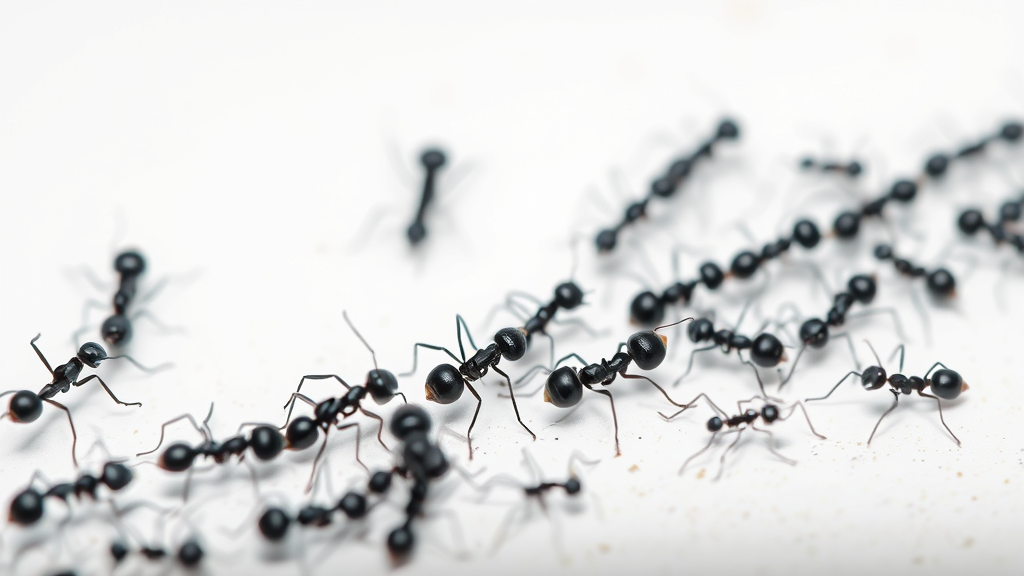
Banish Ants for Good: Proven Strategies for a Pest-Free Home
Ants are among the most persistent household pests, capable of turning a pristine home into a battleground overnight. These tiny invaders follow scent trails, exploit the smallest cracks, and establish colonies that can number in the thousands. Understanding how to get rid of ants effectively requires a comprehensive approach that addresses both immediate infestations and long-term prevention strategies.
The key to successful ant control lies in understanding their behavior, identifying entry points, and implementing proven elimination methods. From natural remedies to professional-grade solutions, homeowners have numerous options to reclaim their living spaces from these unwanted guests. This comprehensive guide will equip you with the knowledge and tools necessary to banish ants for good and maintain a pest-free environment.
Understanding Ant Behavior and Colony Structure
To effectively eliminate ants from your home, it’s crucial to understand their social structure and behavioral patterns. Ants operate in highly organized colonies with distinct castes including workers, soldiers, and reproductive individuals. The worker ants you see in your kitchen are merely scouts and foragers, representing a fraction of the total colony population that may be hidden within walls, under foundations, or in outdoor nests.
Ant colonies communicate through chemical signals called pheromones, which create invisible highways directing other colony members to food sources. When a scout ant discovers food in your home, it leaves a pheromone trail that intensifies as more ants follow the same path. This explains why ant problems often seem to multiply rapidly and why simply killing visible ants provides only temporary relief.
The queen ant, located deep within the nest, can live for several years and continuously produce new workers. This means that effective ant control must target the entire colony, not just the foraging workers. Understanding this hierarchy is essential for selecting appropriate elimination strategies and explains why some methods prove more successful than others.

Identification of Common Household Ant Species
Different ant species require different treatment approaches, making proper identification a critical first step. The EPA provides detailed guidance on identifying and controlling various ant species commonly found in homes across the United States.
Carpenter ants, among the largest household invaders, prefer moist wood and can cause structural damage by excavating galleries for their nests. These black or dark brown ants typically measure 6-13mm in length and are most active during evening hours. Unlike termites, carpenter ants don’t eat wood but remove it to create nesting spaces.
Pavement ants, smaller and light to dark brown in color, commonly nest under sidewalks, driveways, and building foundations. They’re particularly attracted to greasy foods and sweets, making kitchens their primary target. These ants often enter homes through cracks in foundations or gaps around pipes and utilities.
Sugar ants, also known as odorous house ants, emit a distinctive smell when crushed and are particularly drawn to sweet substances. Fire ants, more common in southern regions, pose additional risks due to their aggressive nature and painful stings. Pharaoh ants, small and yellowish, prefer warm, humid environments and can be particularly challenging to eliminate due to their tendency to split colonies when threatened.
Natural Ant Elimination Methods
Many homeowners prefer natural methods for ant control, especially in kitchens and areas where children and pets spend time. These approaches often prove highly effective while avoiding the potential risks associated with chemical pesticides.
Diatomaceous earth, a powder made from fossilized algae, works by damaging ant exoskeletons and causing dehydration. Food-grade diatomaceous earth can be sprinkled along ant trails and entry points, though it requires reapplication after cleaning or moisture exposure. This method proves particularly effective for creating barriers around pet food bowls and in storage areas.
Essential oils offer another natural deterrent option, with peppermint, tea tree, and lemon oils showing particular effectiveness. These oils can be mixed with water and sprayed along baseboards, windowsills, and other entry points. The strong scents disrupt ant pheromone trails and create an environment ants prefer to avoid.
Borax-based baits, while requiring careful handling, provide an effective natural solution that targets entire colonies. Mixing borax with sugar or honey creates an attractive bait that workers carry back to the nest, eventually reaching the queen and other colony members. However, borax must be kept away from children and pets due to its toxicity.
Coffee grounds, cinnamon, and chalk lines can serve as temporary deterrents, though their effectiveness varies and typically requires frequent reapplication. These methods work best as part of a comprehensive approach rather than standalone solutions.
Chemical Solutions and Commercial Products
When natural methods prove insufficient, chemical ant control products offer more aggressive elimination options. Ant baits represent the most effective chemical approach, as they exploit ants’ social behavior to deliver poison throughout the entire colony.
Gel baits containing hydramethylnon or fipronil attract worker ants who consume the poison and share it with colony members through food sharing behaviors. These baits remain effective for weeks and can eliminate entire colonies within days or weeks of application. Popular brands include Advion, Terro, and Combat, each formulated for specific ant species and situations.
Granular baits work well for outdoor applications and larger infestations, while liquid baits prove effective for indoor use along ant trails. The key to successful baiting lies in patience – avoiding the temptation to kill visible ants immediately, as they serve as carriers to deliver poison to the hidden colony.
Residual sprays create long-lasting barriers that kill ants on contact and continue working for weeks after application. These products, containing active ingredients like cypermethrin or bifenthrin, should be applied along baseboards, cracks, and other ant entry points. However, sprays can interfere with bait effectiveness by killing worker ants before they return to the colony.
Dust formulations prove particularly effective for treating wall voids, electrical outlets, and other hidden spaces where ants may nest or travel. These products typically contain boric acid or diatomaceous earth and provide long-lasting control in areas where liquids or gels might not be practical.
Prevention Strategies and Home Maintenance
Effective ant prevention begins with eliminating the conditions that attract these pests to your home. Cleanliness plays a crucial role, as even microscopic food particles can sustain ant colonies for extended periods.
Kitchen maintenance requires particular attention, including immediate cleanup of spills, regular emptying of trash cans, and proper food storage in sealed containers. Pet food bowls should be cleaned after each feeding, and any spilled kibble should be vacuumed promptly. Just as maintaining clean appliances is important for overall home hygiene, similar to cleaning washing machines regularly, keeping kitchen areas spotless prevents ant infestations.
Moisture control proves equally important, as many ant species require water sources to survive. Address leaky pipes, fix dripping faucets, and ensure proper ventilation in bathrooms and basements. Pay particular attention to areas around sinks, dishwashers, and water heaters where hidden leaks might create attractive conditions for ants.
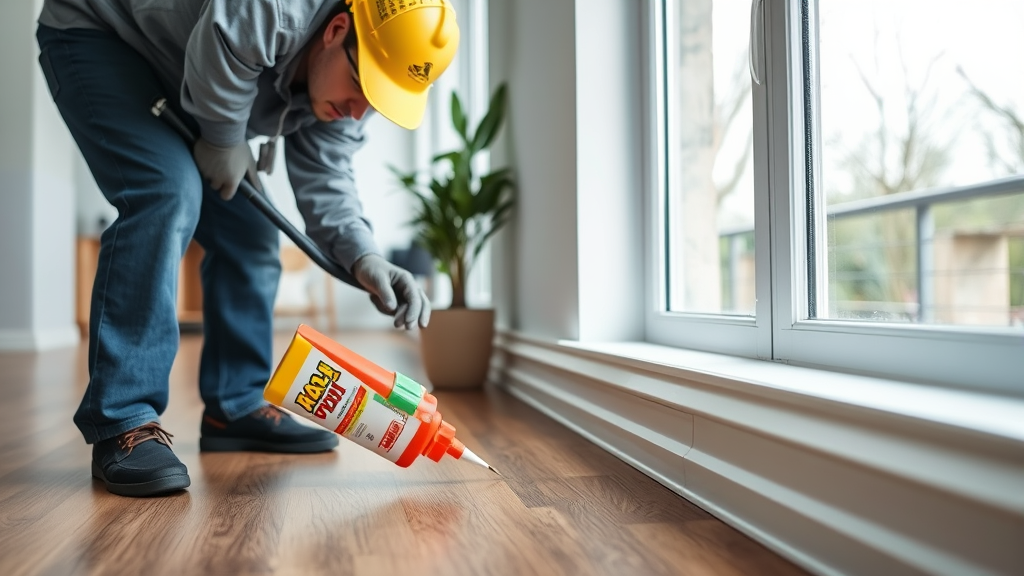
Sealing entry points requires careful inspection of your home’s exterior and interior. Use caulk to fill cracks around windows, doors, and utility penetrations. Install door sweeps and repair damaged screens to eliminate access routes. Pay special attention to areas where different building materials meet, as these junctions often develop gaps over time.
Landscape management also contributes to ant prevention. Trim vegetation away from your home’s exterior, as branches and shrubs can serve as highways for ant colonies. Remove fallen fruit from trees, clean up pet waste promptly, and address any outdoor water sources that might attract ants to your property.
When to Call Professional Exterminators
Certain ant infestations require professional intervention, particularly when dealing with structural pests like carpenter ants or aggressive species like fire ants. The CDC provides guidelines on when professional pest control becomes necessary and what to expect from treatment services.
Carpenter ant infestations often indicate underlying moisture problems or structural damage that requires professional assessment. These ants can cause significant damage to wooden structures, and their presence may signal issues with roof leaks, plumbing problems, or inadequate ventilation that need addressing beyond simple pest control.
Multiple ant species infestations present complex challenges that benefit from professional expertise. Different species may require different treatment approaches, and using incorrect methods can sometimes make problems worse by causing colonies to split or relocate rather than be eliminated.
Large-scale infestations affecting multiple rooms or recurring problems despite consistent treatment efforts often indicate colonies located within wall voids or other inaccessible areas. Professional exterminators have specialized equipment and products not available to consumers, including injection systems for treating wall voids and commercial-grade baits with higher active ingredient concentrations.
When selecting a professional service, verify licensing and insurance, request detailed treatment plans, and ask about warranty or follow-up services. Reputable companies will conduct thorough inspections, identify ant species, and develop targeted treatment strategies rather than applying generic solutions.
Long-term Maintenance and Monitoring
Successful ant control requires ongoing vigilance and maintenance rather than one-time treatments. Establishing regular monitoring routines helps detect new infestations before they become established and allows for prompt intervention when problems arise.
Monthly inspections should include checking common entry points, looking for new ant trails, and monitoring bait stations if used. Pay attention to seasonal patterns, as ant activity often increases during spring and fall when colonies are most active in foraging and establishing new nests.
Maintaining treatment barriers requires regular reapplication of sprays or dusts, especially after cleaning or weather exposure. Bait stations should be refreshed according to manufacturer recommendations, typically every 3-6 months or when bait becomes hardened or contaminated.
Documentation proves valuable for tracking ant activity patterns and treatment effectiveness. Keep records of where ants were observed, what species were identified, which treatments were applied, and their results. This information helps identify recurring problem areas and evaluate the success of different control methods.
Home maintenance activities should incorporate ant prevention considerations. When performing repairs or renovations, seal any new openings that might serve as entry points. Regular home maintenance tasks should include checking for and addressing moisture issues, maintaining proper caulking, and ensuring screens and door seals remain intact.
Seasonal preparation helps prevent ant problems before they start. Spring preparation should include refreshing outdoor barriers, checking for winter damage that might create new entry points, and ensuring proper drainage around your home’s foundation. Fall preparation involves removing outdoor attractants and sealing potential overwintering sites.
Frequently Asked Questions
How long does it take to get rid of ants completely?
The timeline for complete ant elimination varies depending on the species, colony size, and treatment method used. Bait treatments typically show results within 3-14 days but may require 2-6 weeks to eliminate entire colonies. Natural methods often take longer, requiring consistent application over several weeks or months. Large carpenter ant colonies may take 2-3 months to eliminate completely, while smaller pavement ant colonies might be controlled within 1-2 weeks.
Why do ants keep coming back after I’ve killed them?
Ants return because killing visible workers doesn’t eliminate the colony’s queen and reproductive members. The queen continues producing new workers to replace those killed, and pheromone trails remain active, attracting more ants to the same areas. Effective control requires targeting the entire colony through baiting systems that allow workers to carry poison back to the nest, eventually reaching the queen and other colony members.
Are natural ant control methods as effective as chemical ones?
Natural methods can be highly effective for prevention and small infestations but may prove insufficient for large or established colonies. Diatomaceous earth and borax-based baits can eliminate entire colonies when used correctly, while essential oils and physical barriers work better as deterrents. Chemical products typically work faster and prove more reliable for severe infestations, but natural methods offer safer alternatives for homes with children and pets.
What’s the difference between ant baits and sprays?
Ant baits work by attracting workers who consume poison and carry it back to the colony, eventually eliminating the queen and other members. Sprays kill ants on contact but don’t reach hidden colony members, often making infestations worse by causing colonies to split or relocate. Baits provide long-term colony elimination, while sprays offer immediate but temporary relief. Never use both methods simultaneously, as sprays can kill workers before they return to share poisoned bait.
How can I prevent ants from entering my home?
Prevention requires eliminating food sources, moisture, and entry points. Keep kitchens clean, store food in sealed containers, fix water leaks, and seal cracks around windows, doors, and utility penetrations. Maintain proper drainage around your home’s foundation, trim vegetation away from exterior walls, and address outdoor attractants like pet food or fallen fruit. Regular inspections help identify and address potential problems before they become established infestations.
When should I call a professional exterminator?
Professional help becomes necessary for carpenter ant infestations that may indicate structural damage, multiple species infestations, large-scale problems affecting multiple rooms, or recurring infestations despite consistent treatment efforts. Also consider professional services when dealing with aggressive species like fire ants, when colonies are located in inaccessible areas like wall voids, or when DIY treatments haven’t provided satisfactory results after 4-6 weeks of consistent application.
Can ants cause damage to my home?
Most ant species don’t cause structural damage, but carpenter ants can weaken wooden structures by excavating galleries for their nests. Unlike termites, carpenter ants don’t eat wood but remove it to create living spaces, potentially compromising structural integrity over time. Pharaoh ants can contaminate food and spread bacteria, while fire ants pose health risks through aggressive stinging behavior. Most common household ants are primarily nuisance pests rather than destructive ones.

Related Posts

How Long to Boil Lobster Tails: Cooking Guide

How Long to Fly from New York to London? Travel Times
