
Unclog Your Toilet Fast: Easy Steps for a Stress-Free Solution
A clogged toilet is one of the most common and frustrating household problems that can strike at the worst possible moments. Whether you’re hosting guests or dealing with an emergency situation, knowing how to unclog a toilet quickly and effectively can save you from embarrassment, expensive plumber bills, and unnecessary stress.
The good news is that most toilet clogs can be resolved using simple tools and techniques that you likely already have in your home. From the trusty plunger to household items like dish soap and hot water, there are multiple approaches to tackle this messy situation. Understanding the proper methods and having a step-by-step plan will help you restore your toilet to working order in no time.
Understanding Common Causes of Toilet Clogs
Before diving into solutions, it’s important to understand what typically causes toilet clogs. The most common culprit is excessive toilet paper usage, where too much paper is flushed at once, creating a blockage in the trap or drain line. Other frequent causes include flushing inappropriate items such as feminine hygiene products, cotton swabs, dental floss, or even small toys that children might accidentally drop.
Hard water deposits and mineral buildup can also contribute to recurring clogs by narrowing the pipe diameter over time. Additionally, older toilets with weaker flushing mechanisms may struggle to move waste through the system effectively. Tree roots infiltrating sewer lines can cause more serious blockages that affect multiple fixtures in your home.
Understanding the severity of your clog is crucial for selecting the right approach. Simple clogs caused by toilet paper usually respond well to plunging, while more stubborn blockages may require additional techniques or tools. If water levels in the bowl are extremely high or if multiple drains in your home are backing up, you may be dealing with a more serious plumbing issue.
Essential Tools for Unclogging Your Toilet
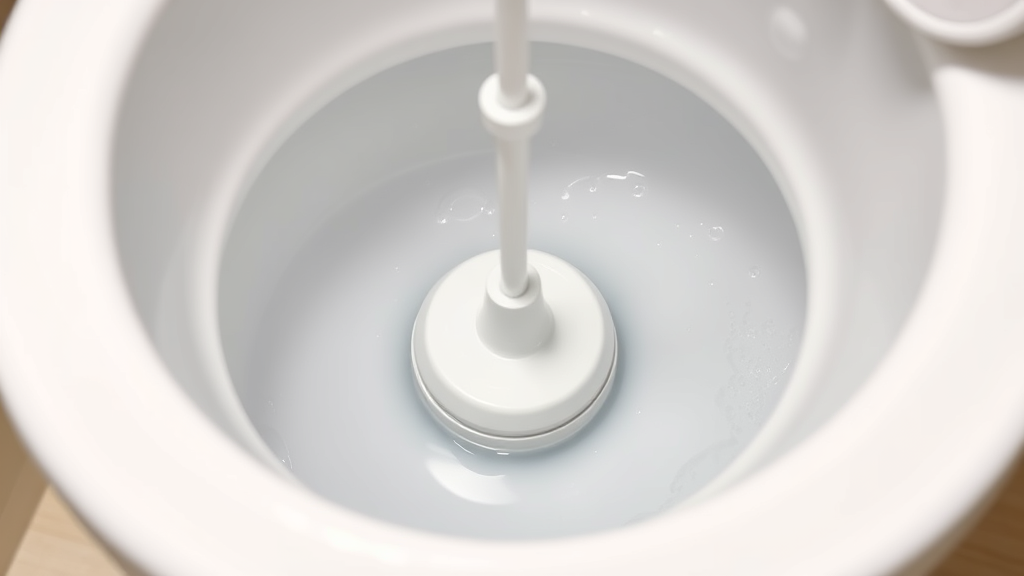
Having the right tools on hand can make the difference between a quick fix and a prolonged ordeal. The most essential tool is a high-quality toilet plunger, specifically a flange plunger designed for toilets rather than a sink plunger. The flange creates a better seal in the toilet’s drain opening, providing more effective suction and pressure.
Other useful items include rubber gloves to protect your hands, old towels or newspapers to protect your floor, and a bucket for removing excess water if needed. A toilet auger, also called a closet auger, is invaluable for more stubborn clogs that don’t respond to plunging. This specialized tool can reach deeper into the drain system without damaging the toilet’s porcelain surface.
Keep dish soap, hot water, and baking soda on hand as these household items can be surprisingly effective for certain types of clogs. A wet/dry vacuum can also be useful for removing standing water, though never use a regular household vacuum as it can be damaged by water.
The Classic Plunger Method
The plunger remains the most reliable first-line defense against toilet clogs. Start by ensuring you have adequate water in the bowl – the plunger head should be completely submerged for maximum effectiveness. If the water level is too low, add warm water from a bucket until the plunger is covered.
Position the plunger over the drain opening at the bottom of the bowl, ensuring the flange is properly seated to create a tight seal. Push down gently at first to expel air from the plunger, then begin plunging with firm, rhythmic strokes. The key is to create alternating pressure and suction by pushing down and pulling up forcefully.
Maintain steady pressure for 15-20 strokes, then quickly pull the plunger away to see if water drains. If successful, you should hear a gurgling sound as the blockage clears and water flows freely. If not successful on the first attempt, repeat the process several times, as stubborn clogs may require multiple rounds of plunging.
Hot Water and Dish Soap Technique
When plunging alone isn’t effective, the hot water and dish soap method can provide excellent results, particularly for clogs caused by waste and toilet paper. This technique works by lubricating the blockage and helping to break it down naturally.
Start by squirting a generous amount of liquid dish soap into the toilet bowl – about half a cup should suffice. The soap will begin to work its way down toward the clog. Next, heat a large pot of water until it’s hot but not boiling (boiling water can crack porcelain). Pour the hot water into the bowl from waist height, allowing gravity to add force to the water.
Let this mixture sit for 10-15 minutes to allow the soap to lubricate and soften the blockage. The combination of hot water and soap often breaks down organic matter and toilet paper, making it easier to flush away. After waiting, try flushing normally or follow up with gentle plunging if needed. This method is particularly effective for clogs that have been sitting for a while.
Using a Toilet Auger for Stubborn Clogs
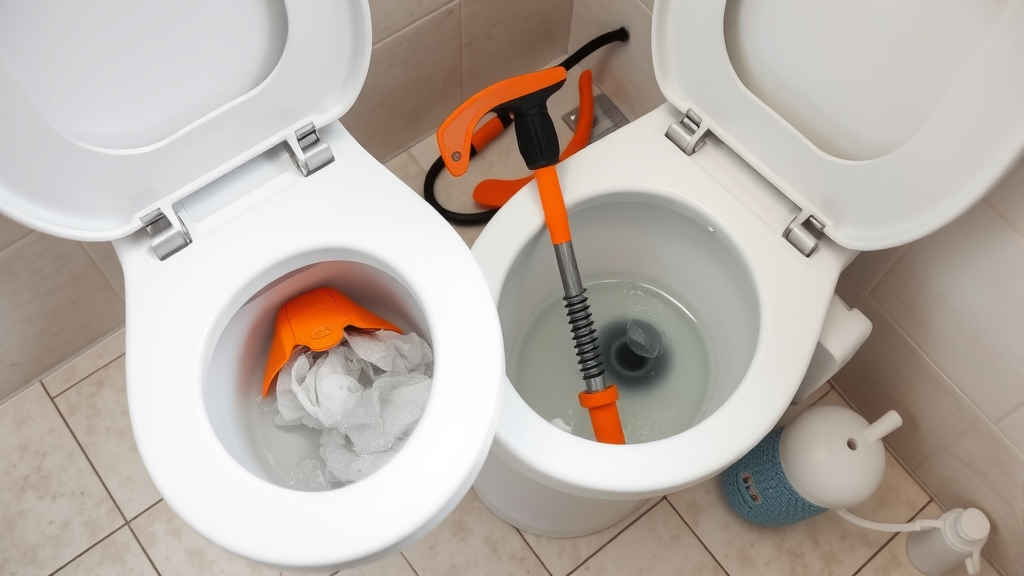
For clogs that resist plunging and the hot water method, a toilet auger is your next best option. This specialized tool, available at most hardware stores, can reach deeper into the drain system than a plunger and physically break apart or retrieve blockages.
Insert the auger’s curved end into the toilet drain, with the protective sleeve resting against the porcelain to prevent scratches. Slowly feed the cable into the drain while turning the handle clockwise. You’ll feel resistance when the auger encounters the blockage. Continue turning and applying gentle pressure to either break through or snag the obstruction.
Once you’ve worked through the blockage, slowly retract the auger while continuing to turn the handle. If you’ve snagged an object, it should come out with the cable. After using the auger, test the toilet with a flush to ensure proper drainage has been restored. Clean and sanitize the auger thoroughly before storing it for future use.
Prevention Tips to Avoid Future Clogs
Preventing clogs is always preferable to dealing with them after they occur. The most important rule is to be mindful of what goes into your toilet. Only human waste and toilet paper should be flushed – never dispose of feminine hygiene products, cotton swabs, dental floss, cat litter, or medications through the toilet.
Use toilet paper moderately and consider upgrading to a more efficient toilet if you have an older model that clogs frequently. Regular maintenance can also prevent problems – clean your toilet weekly and consider using professional cleaning techniques for other appliances to maintain your overall plumbing system.
Monitor your water usage and be aware of early warning signs like slow drainage or gurgling sounds. Teaching family members, especially children, about proper toilet use can prevent many common causes of clogs. Consider keeping a small waste basket in each bathroom to encourage proper disposal of items that shouldn’t be flushed.
When to Call a Professional
While most toilet clogs can be resolved with DIY methods, certain situations require professional intervention. Call a plumber if multiple fixtures in your home are backing up simultaneously, as this indicates a main sewer line blockage. Recurring clogs that return shortly after clearing may signal a deeper problem in your plumbing system.
If you’ve tried all the methods described above without success, or if you notice sewage backing up into other drains, it’s time for professional help. Additionally, if you suspect the clog is caused by a valuable item like jewelry, a professional may be able to retrieve it without damage.
Strange sounds from your plumbing system, persistent odors, or water backing up in unexpected places are all signs that professional diagnosis is needed. The Environmental Protection Agency provides resources on water-efficient toilets that can help prevent future problems. For more household maintenance tips and solutions, check out our comprehensive blog covering various home improvement topics.
Frequently Asked Questions
How long should I plunge a toilet before trying other methods?
Generally, you should try plunging for about 2-3 minutes with firm, consistent strokes before moving to alternative methods. If the water level starts to go down or you hear gurgling sounds, continue plunging as these are signs the blockage is beginning to clear. However, if there’s no improvement after 20-25 vigorous plunges, it’s time to try a different approach.
Is it safe to use chemical drain cleaners in toilets?
It’s not recommended to use chemical drain cleaners in toilets. These products can damage the toilet’s internal components, harm septic systems, and create dangerous fumes. Additionally, they’re often ineffective against the types of clogs common in toilets. Stick to mechanical methods like plunging, hot water and soap, or using a toilet auger for safer and more effective results.
What should I do if the toilet water is about to overflow?
If the water level is rising dangerously high, immediately remove the toilet tank lid and lift the flapper to stop more water from entering the bowl. You can also turn off the water supply valve located behind the toilet near the floor. Use towels to contain any spills and wait for the water level to recede before attempting to unclog the toilet.
Can I prevent clogs by using less toilet paper?
Yes, using moderate amounts of toilet paper and flushing multiple times if necessary can prevent many clogs. A good rule of thumb is to use no more than what can comfortably fit in your cupped hand per flush. If you need more, flush first, then use additional paper and flush again. This is especially important with older toilets that have less powerful flushing mechanisms.
Why does my toilet keep clogging even after I fix it?
Recurring clogs often indicate an underlying problem such as mineral buildup in the pipes, a partially blocked drain line, or an inefficient toilet design. Tree roots infiltrating sewer lines, improper installation, or a toilet that’s not level can also cause frequent clogs. According to the Department of Energy, older toilets may use excessive water while still not providing adequate flushing power.
What’s the difference between a toilet plunger and a regular plunger?
Toilet plungers, also called flange plungers, have an extended rubber flap that fits into the toilet’s drain opening to create a better seal. Regular plungers are flat and designed for sinks and tubs. Using the wrong type of plunger significantly reduces effectiveness. The Centers for Disease Control also emphasizes the importance of proper sanitation when dealing with plumbing issues.
How can I tell if the clog is in the toilet or the main drain line?
If only your toilet is affected and other drains in your home work normally, the clog is likely in the toilet itself or the immediate drain line. However, if multiple fixtures are backing up or draining slowly, you may have a main sewer line blockage that requires professional attention. Water backing up in floor drains or basement fixtures is a strong indicator of main line problems.

Related Posts

How Long to Boil Lobster Tails: Cooking Guide

How Long to Fly from New York to London? Travel Times
