
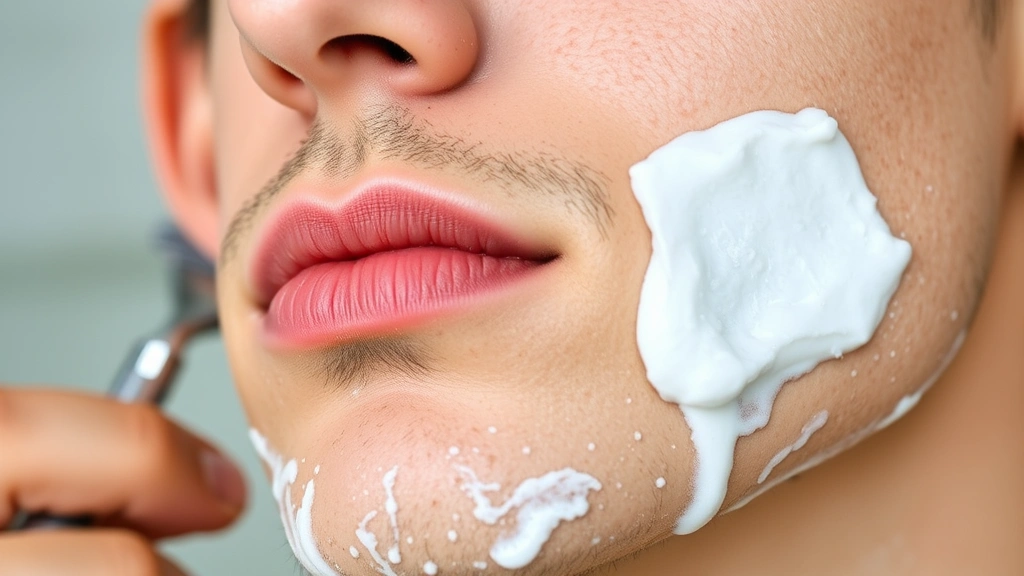
Prevent Razor Bumps? Dermatologist Advice
How to Prevent Razor Bumps: Dermatologist-Backed Tips for Smooth Skin
Razor bumps, medically known as pseudofolliculitis barbae or ingrown hairs, are one of the most frustrating aftereffects of shaving. These small, irritated bumps occur when hair curls back and penetrates the skin, causing inflammation, redness, and sometimes infection. Whether you shave daily or occasionally, razor bumps can affect anyone, though they’re more common in people with curly or coarse hair textures. The good news is that with proper technique and skincare, you can significantly reduce or eliminate razor bumps altogether.
Dermatologists and grooming experts have developed evidence-based strategies to prevent razor bumps before they start. This comprehensive guide walks you through everything you need to know, from pre-shave preparation to post-shave care routines. By implementing these professional recommendations, you’ll achieve smoother skin and avoid the discomfort and unsightly appearance of razor bumps.
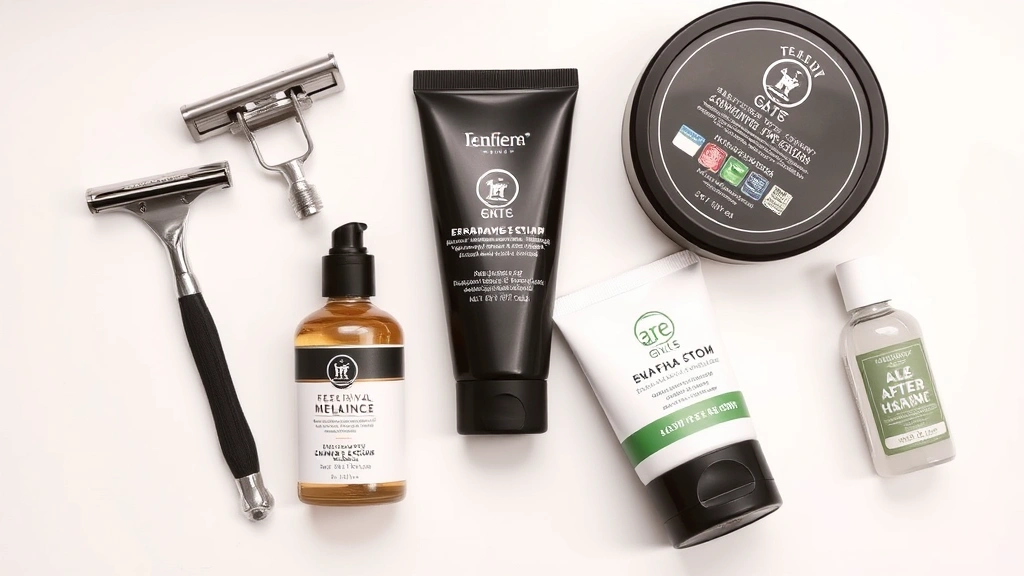
Understanding Razor Bumps and Why They Form
Razor bumps develop through a specific biological process that begins the moment a blade cuts hair. When you shave, the razor blade creates a sharp edge on the hair shaft below the skin’s surface. As the hair grows back, this sharp point can easily pierce the surrounding skin tissue, especially if the hair naturally curves or coils. Once the hair penetrates the skin, your body recognizes it as a foreign object and triggers an inflammatory response, resulting in the characteristic red, raised bumps.
Several factors increase your susceptibility to razor bumps. Hair texture plays a major role—individuals with curly, coarse, or tightly coiled hair are far more prone to ingrown hairs than those with straight hair. Skin sensitivity also matters; sensitive skin reacts more intensely to irritation. Shaving frequency compounds the problem, as daily shaving gives hair less time to grow out naturally. Additionally, improper technique and using dull blades force you to make multiple passes, increasing skin trauma. Understanding these root causes helps you address the problem systematically rather than applying temporary fixes.
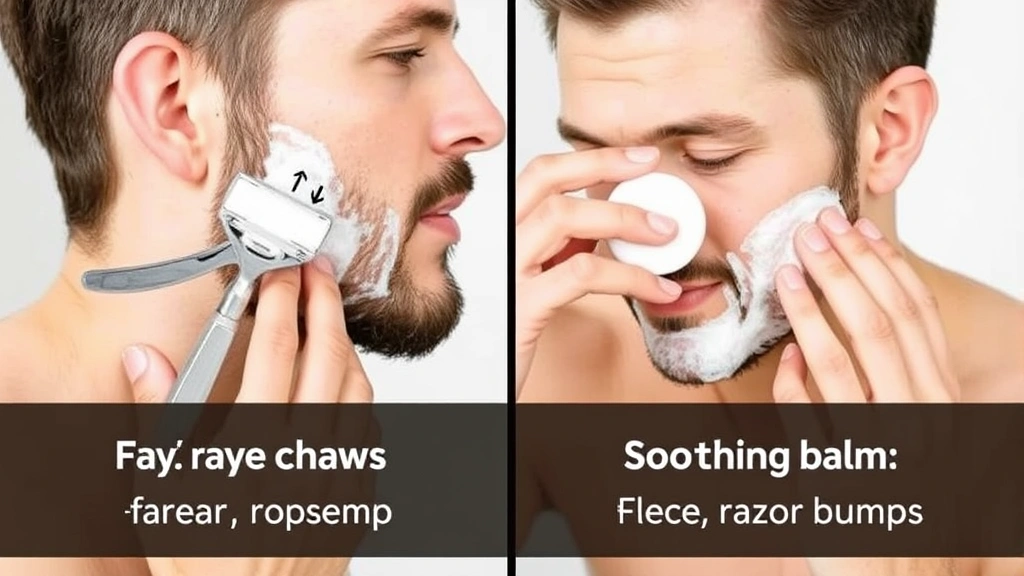
Prepare Your Skin Before Shaving
Pre-shave preparation is absolutely critical for razor bump prevention. The condition of your skin and hair before you pick up a razor determines whether you’ll experience irritation afterward. Dermatologists emphasize that proper preparation can reduce razor bumps by up to 80 percent.
Hydrate and Soften Hair
Start by taking a warm shower or applying a warm, damp towel to the area you plan to shave for at least five minutes. Warm water opens your pores, softens facial hair, and makes it more pliable. Softer hair is less likely to have that sharp cutting edge and less prone to curling back into the skin. If you’re shaving in the morning, consider showering the night before and shaving the next morning to allow extra time for hair to absorb moisture.
Exfoliate Gently
Two to three times per week, use a gentle exfoliating scrub or chemical exfoliant to remove dead skin cells that can trap hair beneath the surface. This step is crucial because dead skin buildup can prevent newly grown hair from breaking through naturally. However, avoid exfoliating immediately before shaving, as this can over-irritate skin. Instead, exfoliate the day before your shave. Look for products containing salicylic acid or glycolic acid, which dissolve dead skin without harsh physical scrubbing.
Apply Pre-Shave Oil or Lotion
Before applying shaving cream, many dermatologists recommend using a pre-shave oil. These products create a protective barrier between your skin and the razor, reducing friction and irritation. Alternatively, apply a light moisturizer to hydrated skin. This step is especially important for sensitive skin types.
Choose the Right Shaving Tools
Your choice of shaving equipment directly impacts your risk of developing razor bumps. Investing in quality tools is one of the most important prevention strategies you can implement.
Razor Selection Matters
Safety razors with single or double blades are generally superior to multi-blade cartridge razors for preventing razor bumps. Here’s why: multi-blade razors work by pulling hair slightly above the skin surface, then cutting it below that level. This creates the perfect condition for ingrown hairs. Single-blade razors cut hair at skin level, reducing the likelihood of the sharp edge curling back into skin. Family Handyman’s guide to razors for sensitive skin provides excellent comparisons of various options.
Blade Sharpness and Replacement
A dull blade requires multiple passes to cut hair, dramatically increasing skin irritation and razor bumps. Replace your razor blade after 5-10 shaves, depending on your beard density. If you notice the blade tugging at hair rather than cutting smoothly, it’s time for a replacement. Dull blades also increase the risk of nicks and cuts, which can become infected if not properly cared for.
Electric Razors as an Alternative
If you’re prone to severe razor bumps, consider switching to an electric razor. Rotary or foil-based electric shavers don’t cut hair as closely to the skin, reducing the risk of ingrown hairs. While the results aren’t quite as smooth as traditional razors, the trade-off in comfort and bump prevention is often worthwhile for sensitive skin.
Master Proper Shaving Technique
Even with the best tools, improper technique will lead to razor bumps. Dermatologists emphasize that how you shave is just as important as what you use.
Shave in the Right Direction
Always shave in the direction of hair growth, not against it. Shaving against the grain creates a closer shave but increases razor bump risk because it cuts hair below the skin surface, leaving that sharp edge ready to curl back. If you must shave against the grain for a closer result, do so gently and only occasionally. For daily shaving, stick with the grain.
Use Light Pressure and Single Strokes
Apply minimal pressure—let the razor’s weight do the work. Pressing hard doesn’t improve the shave and instead irritates skin and increases ingrown hair risk. Make single, deliberate strokes rather than multiple passes over the same area. If you need a closer shave, wait a few hours and repeat the process rather than going over the same spot multiple times immediately.
Apply Quality Shaving Cream or Gel
Use a shaving cream or gel specifically formulated for sensitive skin. These products provide lubrication that reduces friction and irritation. Avoid canned shaving foams, which often contain irritating chemicals. Look for products with soothing ingredients like aloe vera, chamomile, or glycerin. This Old House reviews top shaving creams for various skin types and concerns.
Don’t Stretch Skin While Shaving
Many people unconsciously stretch their skin taut while shaving, thinking it creates a better shave. However, this actually increases razor bump risk. When you release the stretched skin, the hair retracts slightly below the surface, creating the perfect environment for ingrown hairs. Keep skin relaxed and natural during shaving.
Post-Shave Care Essentials
What you do after shaving is just as important as your preparation and technique. Post-shave care prevents inflammation and keeps skin healthy.
Rinse with Cool Water
After finishing your shave, rinse the area thoroughly with cool water. This closes pores, reduces inflammation, and removes any remaining shaving cream or loose hairs. Avoid hot water, which can increase irritation and redness.
Pat Dry Gently
Use a clean towel to pat skin dry—never rub or scrub. Rubbing can irritate freshly shaved skin and increase inflammation. Make sure your towel is clean to prevent bacterial contamination that could lead to infected razor bumps.
Apply Soothing Aftershave Products
Immediately after shaving, apply an alcohol-free aftershave balm or moisturizer. Alcohol-based aftershaves sting and dry out skin, increasing irritation. Look for products containing:
- Aloe vera – natural anti-inflammatory properties
- Witch hazel – astringent and soothing
- Salicylic acid – prevents ingrown hairs by exfoliating
- Glycerin – hydrating and protective
- Niacinamide – reduces inflammation and redness
Apply these products while skin is still slightly damp to maximize absorption and hydration benefits.
Use Targeted Treatments for Prevention
If you’re prone to razor bumps, consider using a targeted ingrown hair treatment several times weekly. These products typically contain salicylic acid or glycolic acid, which gently exfoliate and prevent hair from becoming trapped beneath the skin. Apply these treatments on non-shaving days to avoid over-exfoliation.
Moisturize Daily
Keep shaved areas well-moisturized throughout the day and evening. Dry skin is more prone to irritation and ingrown hairs. Use a fragrance-free, non-comedogenic moisturizer suitable for your skin type. Proper hydration maintains skin barrier function and reduces inflammation.
Lifestyle Changes to Prevent Razor Bumps
Beyond immediate shaving practices, several lifestyle modifications reduce razor bump occurrence.
Extend Time Between Shaves
If possible, shave less frequently. Allowing 2-3 days between shaves gives hair time to grow out naturally, reducing the risk of ingrown hairs. If daily shaving is necessary for work or personal preference, ensure you’re following all other prevention strategies religiously.
Consider Alternative Hair Removal Methods
If razor bumps remain problematic despite your best efforts, explore alternatives:
- Depilatory creams – dissolve hair above skin surface, reducing ingrown hair risk
- Waxing or sugaring – removes hair from the root, though initial irritation may occur
- Laser hair removal – permanent solution requiring professional treatment
- Trimming instead of shaving – keeps facial hair short without cutting below skin surface
Each method has pros and cons; discuss options with a dermatologist to find what works best for your skin.
Wear Loose Clothing
Tight clothing creates friction against freshly shaved skin, increasing irritation and razor bump risk. For 24-48 hours after shaving, wear loose, breathable fabrics that won’t rub against sensitive areas.
Manage Stress and Sleep
Stress and poor sleep impair skin barrier function and increase inflammation. Prioritize 7-9 hours of quality sleep nightly and implement stress-reduction techniques. This systemic approach supports overall skin health and reduces your body’s inflammatory response to shaving.
Stay Hydrated and Eat Well
Proper hydration and nutrition support skin health from within. Drink adequate water daily and eat foods rich in vitamins C and E, zinc, and omega-3 fatty acids. These nutrients support skin healing and reduce inflammation.
When to See a Dermatologist
While most razor bumps resolve with proper prevention and care, some situations warrant professional help. See a dermatologist if:
- Razor bumps persist despite following all prevention strategies for several weeks
- Bumps become infected, showing signs of pus, increasing pain, or warmth
- Scarring develops from repeated ingrown hairs
- Razor bumps severely impact your quality of life or mental health
- You have keloid-prone skin that forms thick scar tissue
Dermatologists can prescribe stronger treatments including topical retinoids, antibiotics for infection, or recommend professional procedures like laser hair removal. They can also assess whether your razor bumps stem from an underlying condition requiring specialized treatment.
For more detailed guidance on skincare routines and product recommendations, explore FixWiseHub’s comprehensive how-to guides covering personal care and grooming. Additionally, Healthline provides medical perspectives on razor bump prevention.
FAQ
How long does it take for razor bumps to disappear?
Most razor bumps resolve within 2-3 weeks with proper care. However, if they’re infected or severe, healing may take longer. Consistent prevention strategies prevent new bumps from forming while existing ones heal.
Can razor bumps become infected?
Yes, razor bumps can become infected if bacteria enter through broken skin. Signs of infection include increasing pain, pus, warmth, or red streaking. See a doctor if you suspect infection, as antibiotics may be necessary.
Are razor bumps permanent?
No, razor bumps are not permanent, though repeated ingrown hairs can cause scarring. With proper prevention and treatment, you can eliminate razor bumps and prevent future occurrence. If scarring develops, dermatologists can recommend treatments.
What’s the difference between razor bumps and ingrown hairs?
Razor bumps and ingrown hairs are related but distinct. Razor bumps refer to the inflammatory response (redness and swelling), while ingrown hairs are the underlying cause—hair growing back into skin. Treating one addresses the other.
Can women prevent razor bumps the same way as men?
Yes, the prevention strategies outlined work for all genders and body areas. Women shaving legs may need to adjust techniques slightly due to different hair growth patterns, but the core principles remain identical.
Is it safe to use salicylic acid and retinoids together?
Using both simultaneously can over-exfoliate and irritate skin. Use salicylic acid products 2-3 times weekly on non-shaving days, and introduce retinoids gradually, perhaps 2-3 times weekly on different days. If irritation develops, reduce frequency or discontinue one product.
What’s the best razor for preventing bumps?
Single or double-blade safety razors are generally superior to multi-blade cartridges. Quality is important—invest in a reputable brand and replace blades regularly. Test different options to find what works best for your skin.
Can diet affect razor bumps?
Indirectly, yes. A diet rich in anti-inflammatory foods and adequate hydration supports skin health and healing. However, diet alone won’t prevent razor bumps without proper shaving technique and skincare.

Related Posts

Superscript in Google Docs: Expert Tips

Strikethrough in Excel: Easy Steps for Beginners
