
Get Sparkling Clean Laundry: The Ultimate Guide to Washing Machine Maintenance
A well-maintained washing machine is essential for achieving consistently clean, fresh-smelling laundry. Over time, detergent residue, fabric softener buildup, dirt, and moisture can accumulate inside your washing machine, creating an environment where bacteria, mold, and mildew can thrive. This not only affects the cleanliness of your clothes but can also lead to unpleasant odors and potentially costly repairs.
Regular washing machine maintenance is crucial for optimal performance and longevity of your appliance. Just as you would regularly maintain other household equipment like checking how to check engine oil in your car, your washing machine requires consistent care to function at its best. This comprehensive guide will walk you through everything you need to know about how to clean a washing machine, from basic weekly maintenance to deep cleaning techniques that will keep your appliance running smoothly for years to come.
Signs Your Washing Machine Needs Cleaning
Recognizing when your washing machine needs attention is the first step in maintaining a clean and efficient appliance. Several telltale signs indicate that it’s time for a thorough cleaning session.
The most obvious indicator is a musty or sour smell coming from your machine or freshly washed clothes. This odor typically develops when soap scum, detergent residue, and organic matter accumulate in the drum and create a breeding ground for bacteria and mold. You might also notice visible mold or mildew growth around the door seal, particularly in front-loading machines where moisture tends to collect.
Another clear sign is when your clothes don’t feel as clean as they should after a wash cycle. If garments retain odors, feel dingy, or have soap residue clinging to them, your machine likely has buildup that’s interfering with the cleaning process. Additionally, if you notice your washing machine taking longer to complete cycles or not draining properly, accumulated debris might be clogging internal components.
White or gray residue on clothes, excessive suds during wash cycles, or unusual noises during operation can also signal the need for cleaning. The frequency of these issues often correlates with how hard your water is, how often you use fabric softener, and whether you regularly leave the door closed after use.
Essential Cleaning Supplies and Tools
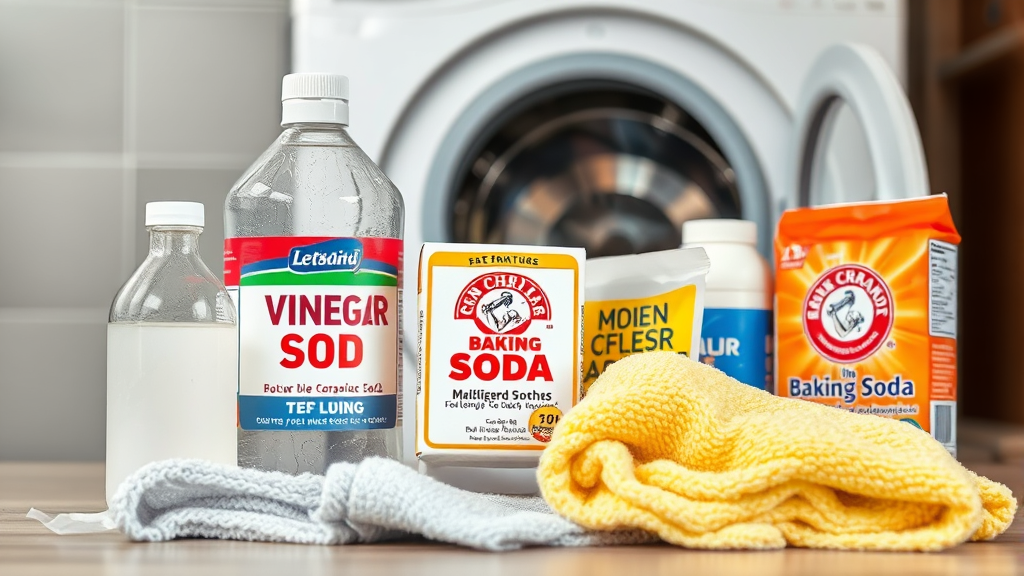
Before beginning your washing machine cleaning routine, gather the appropriate supplies and tools. Most cleaning tasks can be accomplished with common household items, making this maintenance both affordable and accessible.
White vinegar is perhaps the most versatile and effective cleaning agent for washing machines. Its acidic properties help dissolve mineral deposits, soap scum, and residue while neutralizing odors naturally. Baking soda works excellently as a gentle abrasive and deodorizer, helping to scrub away stubborn buildup without damaging machine components.
Chlorine bleach can be used occasionally for deep sanitizing, but should be used sparingly and never mixed with other cleaning products. Commercial washing machine cleaners are also available and can be particularly effective for heavy buildup situations. These products are specifically formulated to target the types of residue commonly found in washing machines.
Essential tools include microfiber cloths for wiping surfaces, an old toothbrush for scrubbing tight spaces and crevices, and rubber gloves to protect your hands from cleaning chemicals. A flashlight can be helpful for inspecting hard-to-see areas, while a small bowl is useful for mixing cleaning solutions.
How to Clean Top-Loading Washing Machines
Top-loading washing machines require a specific cleaning approach that takes advantage of their design and accessibility. The process involves both the drum and the agitator, if present, and should be performed monthly for optimal results.
Start by running an empty hot water cycle with the largest load setting. Once the machine fills with water, add four cups of white vinegar directly to the water. Allow the machine to agitate for about one minute, then pause the cycle and let the vinegar solution sit for an hour. This soaking time allows the acid to break down mineral deposits and residue throughout the system.
After the soaking period, add one cup of baking soda to the water and resume the cycle, allowing it to complete fully. The combination of vinegar and baking soda creates a powerful cleaning reaction that helps eliminate odors and dissolve stubborn buildup. Follow this with a second hot water cycle using only water to rinse away any remaining cleaning residue.
While the cleaning cycles run, focus on the exterior components. Remove and clean the fabric softener dispenser and bleach dispenser if your machine has them. These components can be washed with warm soapy water and scrubbed with an old toothbrush to remove residue buildup. Clean the lid, control panel, and exterior surfaces with a damp microfiber cloth.
Pay special attention to the area around the rim of the drum where lint, hair, and debris commonly collect. Use a flashlight to inspect these areas thoroughly and remove any visible buildup with a damp cloth or soft brush.
How to Clean Front-Loading Washing Machines
Front-loading washing machines present unique cleaning challenges due to their design, particularly around the door seal where moisture and debris tend to accumulate. These machines are more prone to mold and mildew growth, making regular cleaning even more critical.
Begin by cleaning the door seal thoroughly, as this is the most problematic area in front-loading machines. Pull back the rubber gasket carefully and inspect for mold, mildew, hair, coins, or other debris. Use a solution of equal parts water and white vinegar applied with a microfiber cloth to clean all surfaces of the seal. For stubborn mold spots, a paste made from baking soda and water can be applied and left for 15 minutes before scrubbing gently with an old toothbrush.
Remove and clean the detergent dispenser drawer completely. Most dispensers can be pulled out entirely, though some may require pressing a release button. Soak the drawer in hot soapy water and scrub away any residue buildup. Don’t forget to clean the cavity where the dispenser sits, as this area often accumulates significant buildup.
For the drum cleaning, run a cleaning cycle if your machine has this feature, using either commercial washing machine cleaner or two cups of white vinegar. If your machine doesn’t have a dedicated cleaning cycle, use the hottest and longest regular cycle available. Add the cleaning agent directly to the drum, not the dispenser, to ensure maximum effectiveness.
After the cleaning cycle, run an additional rinse cycle with plain water to remove any remaining cleaning residue. Leave the door and dispenser drawer open after cleaning to allow air circulation and prevent moisture buildup that can lead to future mold growth.
Cleaning Specific Machine Components
Different components of your washing machine require targeted cleaning approaches to ensure thorough maintenance. Understanding how to properly clean each element will maximize your machine’s performance and longevity.
The lint filter, present in most top-loading machines, should be removed and cleaned regularly. This screen-like component catches lint and debris during wash cycles and can become severely clogged over time. Remove it carefully and rinse under hot water while scrubbing with a soft brush to remove accumulated lint and residue.
Washing machine hoses, both for water supply and drainage, need periodic inspection and cleaning. Check supply hoses for kinks, cracks, or mineral buildup that could restrict water flow. The drain hose should be checked for clogs that might cause drainage issues. According to the U.S. Department of Energy, proper hose maintenance can prevent costly water damage and improve machine efficiency.
The drum itself benefits from occasional deep cleaning beyond regular maintenance cycles. For persistent odors or visible residue, create a paste using baking soda and water, apply it to problem areas, and let it sit for 30 minutes before scrubbing gently and running a rinse cycle.
Water inlet screens, located where the hoses connect to the machine, can become clogged with sediment and mineral deposits. These small screens should be removed carefully with pliers and cleaned with a soft brush under running water. This maintenance is particularly important in areas with hard water.
Creating a Regular Maintenance Schedule
Establishing a consistent maintenance routine is key to preventing major buildup and extending your washing machine’s lifespan. A well-planned schedule addresses both daily habits and periodic deep cleaning tasks.
Daily maintenance involves simple practices that prevent problems from developing. After each use, leave the door or lid open for several hours to allow air circulation and moisture evaporation. Remove wet clothes promptly after cycles complete to prevent mildew growth in the drum. Wipe down the door seal and drum with a dry cloth if you notice excess moisture.
Weekly tasks include cleaning the exterior surfaces, checking and emptying lint filters, and ensuring proper drainage. Take time to inspect the door seal for any signs of mold or debris accumulation. This is also an excellent opportunity to review your blog for additional maintenance tips and updates.
Monthly deep cleaning should include running a cleaning cycle with vinegar or commercial cleaner, thoroughly cleaning all removable components, and inspecting hoses and connections. This is also the ideal time to check that your machine is level and stable, as vibrations from an unbalanced machine can cause premature wear.
Quarterly maintenance involves more intensive tasks such as cleaning behind and underneath the machine, checking all electrical connections, and performing a comprehensive inspection of all components. Consider having a professional service performed annually, especially for older machines or those experiencing recurring issues.
Troubleshooting Common Washing Machine Issues
Understanding how to identify and address common washing machine problems can save you money and prevent minor issues from becoming major repairs. Many problems stem from inadequate cleaning and maintenance.
Persistent odors are among the most common complaints and usually indicate bacterial or mold growth within the machine. If regular cleaning cycles don’t eliminate odors, the problem may be in the drain system or require professional attention. Running multiple hot water cycles with different cleaning agents may be necessary for severe cases.
Poor cleaning performance often results from overloading, using too much detergent, or machine components that need cleaning. Ensure you’re following manufacturer guidelines for load sizes and detergent amounts. Excessive suds can actually reduce cleaning effectiveness and contribute to residue buildup.
Drainage issues typically manifest as standing water in the drum after cycles complete. This can result from clogged drain hoses, lint filter blockages, or problems with the home’s drainage system. Regular filter cleaning and hose inspection can prevent most drainage problems.
According to research from Consumer Reports, proper maintenance can extend washing machine life by several years and significantly improve performance. Unusual noises, excessive vibration, or water leaks should be addressed promptly to prevent more serious damage.
If problems persist after thorough cleaning and basic troubleshooting, consult your owner’s manual or contact a qualified repair technician. Some issues may require professional diagnosis and repair, but regular maintenance as outlined in this guide will minimize the likelihood of major problems occurring.
Frequently Asked Questions
How often should I clean my washing machine?
You should perform basic washing machine maintenance weekly and run a deep cleaning cycle monthly. However, if you use your machine daily, have hard water, or notice odors developing, you may need to clean it more frequently. High-efficiency machines and front-loading washers typically require more frequent cleaning due to their design and lower water usage.
Can I use regular household bleach to clean my washing machine?
Yes, chlorine bleach can be used occasionally for deep sanitizing, but it should be used sparingly and never mixed with other cleaning products. Use about one cup of bleach in a hot water cycle, followed by an additional rinse cycle. However, white vinegar is generally safer and equally effective for regular cleaning. The Centers for Disease Control and Prevention recommends following manufacturer instructions when using any cleaning chemicals.
Why does my front-loading washer smell worse than top-loading machines?
Front-loading washers are more prone to odor development because they use less water and have a horizontal drum design that can trap moisture. The door seal creates an ideal environment for mold and mildew growth if not properly maintained. Additionally, the low-water wash cycles may not rinse away detergent residue as effectively, contributing to buildup and odors.
Is it safe to use vinegar and baking soda together in my washing machine?
While vinegar and baking soda are both safe cleaning agents individually, using them simultaneously can neutralize their effectiveness since acid and base cancel each other out. For best results, use them in separate cleaning cycles or allow one to work completely before adding the other. This approach maximizes the cleaning power of each ingredient.
What should I do if my washing machine still smells after cleaning?
If odors persist after thorough cleaning, the problem may be in your home’s plumbing system, particularly the drain pipe or standpipe. Check that the drain hose is properly installed and not creating a siphon effect. You may need to clean the drain pipe itself or consult a plumber. In some cases, the machine’s internal components may need professional cleaning or replacement.
Can hard water damage my washing machine?
Hard water contains high levels of minerals that can build up in your washing machine over time, potentially causing damage to heating elements, pumps, and other components. According to the Environmental Protection Agency, areas with hard water should consider water softening systems and more frequent machine cleaning to prevent mineral buildup and extend appliance life.
Should I leave my washing machine door open between uses?
Yes, leaving the door or lid open after use allows air circulation that helps prevent mold, mildew, and odor development. This is especially important for front-loading machines and high-efficiency models that retain more moisture. Allow the machine to air dry for several hours after each use, but remember to close it before the next wash cycle for proper operation.

Related Posts

How Long to Boil Lobster Tails: Cooking Guide

How Long to Fly from New York to London? Travel Times
