
How to Play Canasta? Expert Tips Inside
How to Play Canasta: Expert Tips Inside
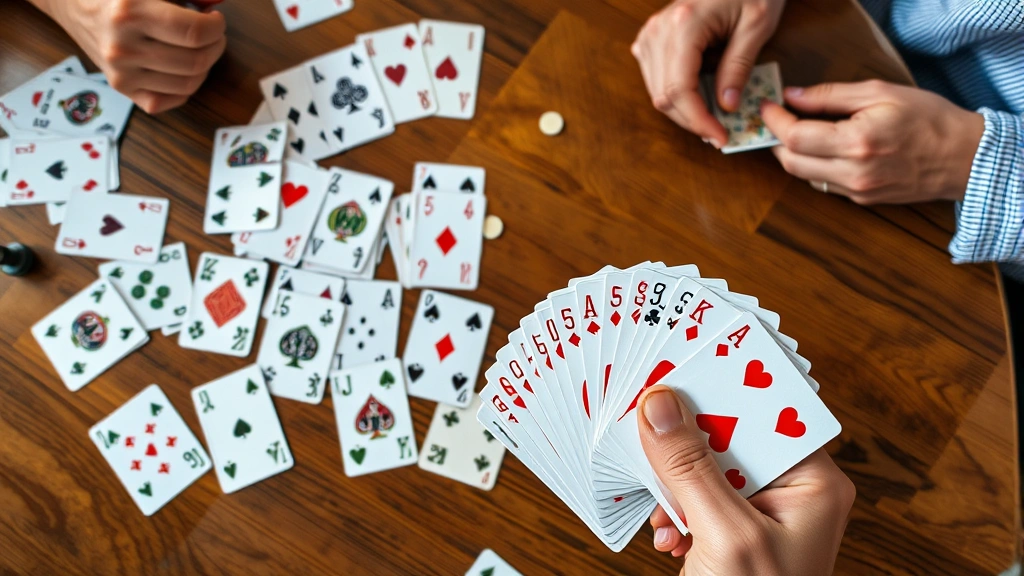
Canasta is a classic rummy-style card game that has entertained families and friends for decades. Whether you’re looking to learn the fundamentals or refine your strategy, this comprehensive guide will walk you through everything you need to know to become a skilled canasta player. The game combines luck, strategy, and careful planning, making it an engaging pastime for players of all ages.
Originally developed in Uruguay in the 1930s, canasta has evolved into several popular variations, each with its own unique rules and scoring systems. Understanding the basics is essential before diving into more complex strategies. With two to six players, a standard game typically lasts between 30 minutes to an hour, depending on the number of participants and skill level.
Game Overview and Setup
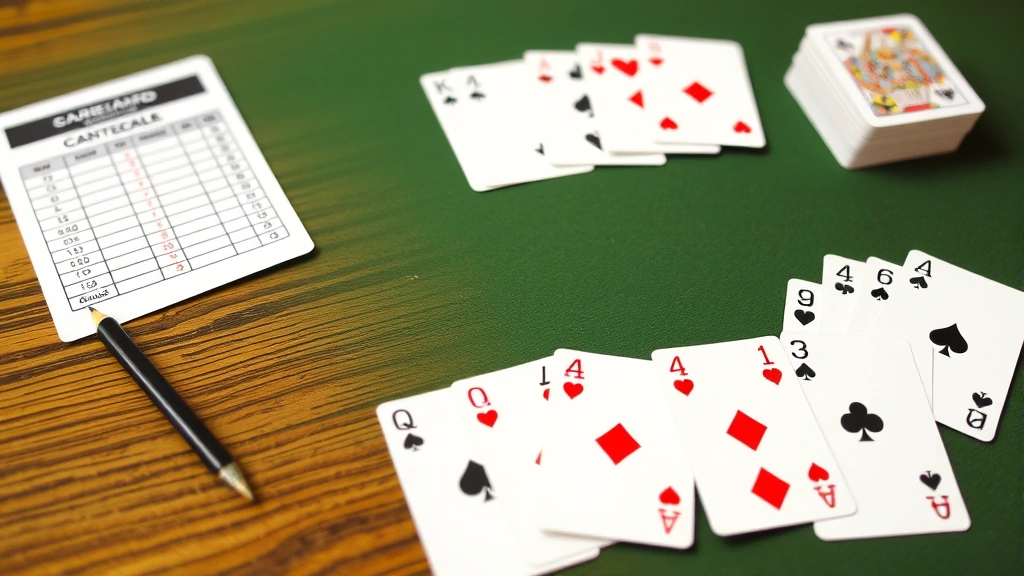
Before you start playing canasta, you need to understand the basic setup and what you’ll need. The game uses two standard decks of 52 cards plus four jokers, creating a total of 108 cards. You’ll also need a pen and paper for keeping score, as tracking points is crucial to winning the game.
To set up a game, first designate a dealer who shuffles all cards thoroughly and distributes them one at a time. In a two-player game, each player receives 15 cards. For three or more players, each receives 11 cards. The remaining cards form the stock pile, with the top card placed face-up to start the discard pile. This initial setup is fundamental to ensuring fair play and proper game flow.
The objective of canasta is to score points by forming melds (combinations of cards) and being the first to reach a predetermined score, typically 5,000 points in standard play. Players take turns drawing cards and discarding, with the strategic goal of creating valuable card combinations while preventing opponents from doing the same.
Understanding Card Values
In canasta, different cards hold different point values, which directly impacts your scoring strategy. Natural cards (cards that aren’t wild) range from 2 to Ace, each worth specific points. Number cards from 2 through 6 are worth 5 points each, while 7s through 10s are worth 10 points. Face cards (Jacks, Queens, and Kings) are worth 10 points, and Aces are worth either 1 or 15 points depending on how they’re used in a meld.
Wild cards in canasta include all deuces (2s) and jokers. These cards can substitute for any other card in a meld, making them incredibly valuable strategically. Wild cards are worth 20 points each when melded, compared to the lower values of natural cards. Understanding these values helps you decide which cards to prioritize when forming melds and which to hold for future plays.
Red threes are special cards that award bonus points. When you have red threes in your hand, you should place them face-up on the table immediately. Each red three is worth 100 points if your team has melded at least one canasta (a meld of seven or more cards). However, if your team hasn’t melded any canastas, red threes count as negative 100 points each, so strategic play is essential.
Melds and Combinations
The foundation of canasta strategy revolves around understanding melds. A meld is a combination of three or more cards of the same rank, displayed face-up on the table. Valid melds must contain at least three cards of the same rank, such as three Kings, four 7s, or five 10s. Wild cards can be used to complete melds, but generally, a meld should contain more natural cards than wild cards.
A canasta is a special meld consisting of seven or more cards of the same rank. This is the most valuable combination in the game and is often the key to winning. comprehensive guides on strategic card games often emphasize the importance of building toward canastas early in gameplay. Canastas can be natural (containing no wild cards) or mixed (containing one or more wild cards), with natural canastas being worth more points.
Once a meld is laid down on the table, other players can add cards to it if they match the rank. This is called “going out on the meld.” For example, if there’s a meld of three Kings on the table, you can add another King or a wild card to that meld during your turn. This mechanic keeps the game dynamic and allows for strategic card placement.
Turn Structure and Play Mechanics
Understanding the proper sequence of a turn is crucial for playing canasta correctly. On your turn, you must first draw a card from either the stock pile or the discard pile. If you take from the discard pile, you must immediately use that card in a meld. This is an important strategic decision point in every round.
After drawing, you may meld cards from your hand if you haven’t already melded during this turn. Your first meld of the game must meet a minimum point requirement based on your team’s current score. If your team has 0-1,495 points, your initial meld must be worth at least 50 points. For scores between 1,500-2,995 points, the minimum is 60 points. At 3,000 points or higher, the minimum becomes 120 points. This escalating requirement adds strategic depth as the game progresses.
You can also add to any melds already on the table by playing matching cards or wild cards. Finally, you must discard one card face-up onto the discard pile to end your turn. Strategic discard choices can significantly impact your opponents’ options, making this final step as important as drawing and melding.
Special rule: If the discard pile is frozen (usually indicated by turning a card sideways), you cannot draw from it unless you can immediately meld the top card with two natural cards of the same rank from your hand. This rule prevents players from easily accessing valuable discarded cards and adds another layer of strategy.
Scoring System Explained
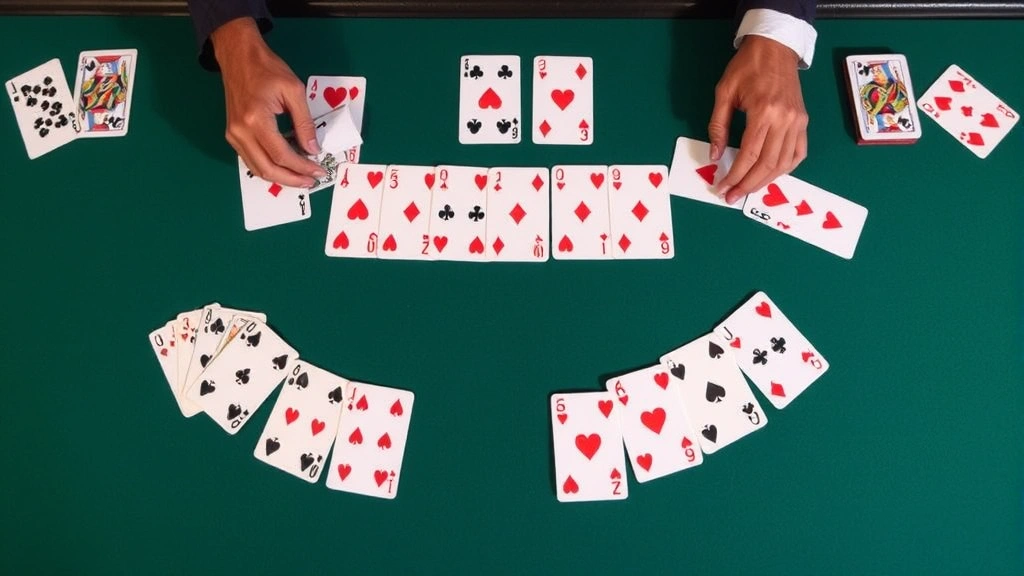
Scoring in canasta is complex but logical once you understand the components. The primary points come from the cards in your melds. Count all the point values of cards in your melds and add them together. Natural canastas are worth 500 bonus points, while mixed canastas are worth 300 bonus points. Red threes are worth 100 points each if your team has melded.
Going out (getting rid of all cards in your hand) earns you 100 bonus points. However, you must have melded at least one canasta to go out legally. If you go out without drawing from the discard pile, it’s called “going out concealed,” which earns a 200-point bonus instead. This aggressive play style can dramatically shift game momentum.
Negative scoring applies to cards remaining in your hand when someone else goes out. These cards count against you at their face value. Red threes count as -100 points each if your team hasn’t melded a canasta. Understanding these penalties is crucial for defensive strategy, as you want to minimize cards left in your hand when opponents finish.
Team scoring combines both partners’ points. In partnership canasta, you and your partner’s scores are added together, and you work collaboratively toward the 5,000-point goal. This cooperative element makes canasta unique compared to many other card games and requires excellent communication and strategic alignment with your partner.
Advanced Strategy Tips
Expert canasta players understand that this game extends far beyond simply following rules. Strategic thinking about card management, timing, and psychological play separates novices from champions. One fundamental principle is to build toward canastas early. Rather than spreading your melds across multiple combinations, concentrate on completing seven-card melds quickly to maximize bonus points.
Another critical strategy involves managing the discard pile carefully. Pay attention to what your opponents are picking up and try to discard cards they’re unlikely to use. If you notice an opponent collecting Kings, avoid discarding Kings to prevent them from completing a valuable canasta. Conversely, if you need specific cards, observe what others are discarding and plan your draws accordingly.
In partnership play, communication through card selection is essential. Your choice of which melds to lay down and which cards to discard sends signals to your partner about your hand composition. Experienced players develop subtle ways to indicate they need specific ranks or that they’re prepared to go out soon. This non-verbal communication adds a sophisticated layer to competitive play.
Timing your initial meld is also strategic. While you want to meld relatively early to establish presence on the table, melding too quickly might reveal your hand’s composition to opponents. Balance the advantage of laying down points with the tactical benefit of keeping your intentions hidden. Additionally, consider freezing the discard pile strategically by discarding wild cards when you have strong melds in hand but opponents don’t.
Resource management of wild cards deserves special attention. Since wild cards can substitute for any rank, they’re your most flexible assets. Use them judiciously—save them for completing canastas rather than using them in early, smaller melds. This patience often pays dividends later when you need to finish a valuable seven-card combination.
Common Mistakes to Avoid
New canasta players frequently make errors that cost them points and game momentum. One common mistake is melding too many small combinations instead of focusing on building canastas. While multiple melds seem productive, they don’t generate the substantial bonus points that canastas provide. Consolidate your efforts toward creating seven-card melds whenever possible.
Another frequent error involves improper discard pile management. Players sometimes discard cards too carelessly without considering what information this reveals about their hand. Experienced opponents will notice patterns in your discards and adjust their strategies accordingly. Always think several moves ahead when choosing which card to discard.
Many players underestimate the value of red threes and don’t prioritize claiming them from the discard pile when possible. Since red threes are worth 100 points each (assuming your team has melded), they’re among the most valuable cards in the game. Strategic access to red threes can swing close games dramatically.
Failing to track opponents’ melds and discards is a critical mistake that undermines strategic play. Successful canasta players maintain mental notes of what cards have been played, melded, and discarded. This information helps you predict what opponents might be holding and make better decisions about which cards to discard safely.
Finally, many players don’t understand the minimum meld requirements correctly and attempt illegal melds. Before melding, always verify that your combination meets the current minimum point requirement for your team’s score. Attempting an invalid meld can result in penalties and disruption to game flow. Like learning to properly organize information in spreadsheets, mastering canasta rules requires attention to detail and systematic thinking.
FAQ
What’s the difference between standard and partnership canasta?
Standard canasta is typically played with four players in two partnerships, where teammates sit opposite each other. Players alternate turns, and partners combine their scores. Two-player canasta uses similar rules but each player plays independently. The partnership format emphasizes teamwork and communication, while two-player games focus on individual strategy. Both formats are equally valid and enjoyable.
Can you draw from the discard pile on your first turn?
Yes, you can draw from the discard pile on your first turn, but you must be able to immediately meld the card with two natural cards from your hand. Additionally, your meld must meet the minimum point requirement for your team’s current score. This rule applies throughout the game, not just on the first turn.
What happens if the stock pile runs out of cards?
If the stock pile is depleted and a player cannot or chooses not to draw from the discard pile, their turn ends without drawing. Play continues until someone goes out or until no legal moves remain. This situation rarely occurs in practice but demonstrates the importance of managing the discard pile strategically.
How many players can play canasta?
Canasta works best with four players in partnership format, but it can be played with two, three, five, or six players. Two-player canasta uses 15 cards per player instead of 11. Three-player versions typically use different scoring adjustments. Six-player games usually split into two three-player teams. The core rules remain consistent regardless of player count.
Is canasta similar to rummy?
Canasta shares similarities with rummy, as both games involve forming melds of cards with matching ranks or sequences. However, canasta focuses on creating seven-card canastas rather than going out quickly. The point-based scoring system and the use of wild cards also distinguish canasta from traditional rummy variants. Both games reward strategic thinking and card management.
What’s the fastest way to improve at canasta?
Practice is essential, but focus specifically on understanding scoring mechanics and building toward canastas consistently. Watch experienced players and study their discard patterns. Play multiple games to develop intuition about card probabilities. Review your games afterward to identify strategic mistakes. Like any skill, improvement comes from deliberate practice combined with analysis of your gameplay decisions.

Related Posts

Superscript in Google Docs: Expert Tips

Strikethrough in Excel: Easy Steps for Beginners
