
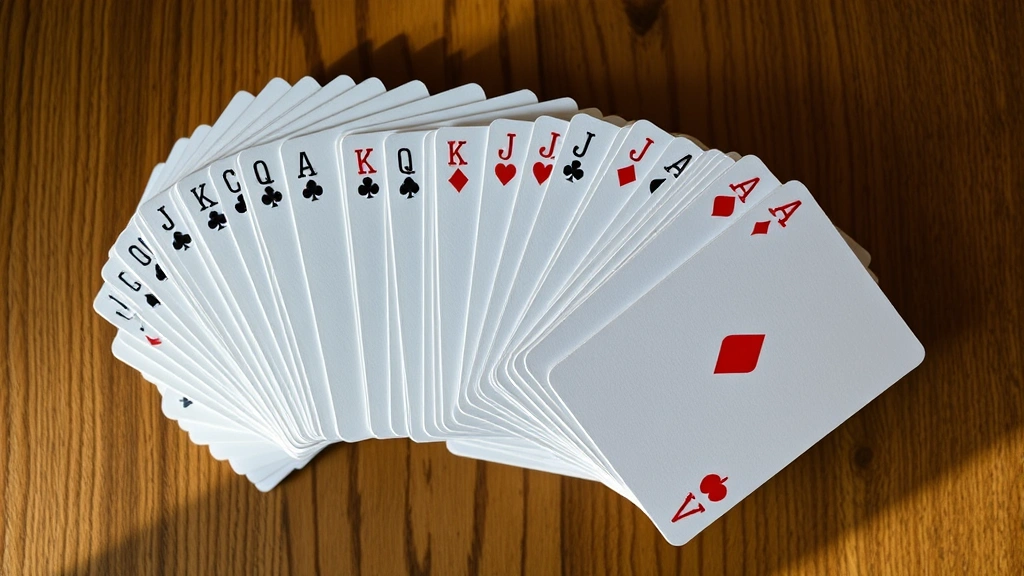
Can You Learn Canasta? Expert Tips Inside
Can You Learn Canasta? Expert Tips Inside
Canasta is a captivating rummy-style card game that has entertained millions worldwide for decades. Whether you’re looking to master a new hobby, impress friends at game night, or simply enjoy a mentally stimulating pastime, learning canasta is absolutely achievable for players of all ages and skill levels. The game combines strategy, memory, and quick decision-making into an engaging experience that becomes more rewarding the more you practice.
Many people hesitate to learn canasta because they assume it’s overly complicated or requires years of experience to play competently. The truth is quite different. With clear instruction, a bit of patience, and regular practice, you can grasp the fundamentals in just a few hours and start playing enjoyable games almost immediately. This comprehensive guide will walk you through everything you need to know to become a confident canasta player.
Understanding Canasta Basics
Canasta, which means “basket” in Spanish, is a card game played with two standard decks of 52 cards plus four jokers per deck, totaling 108 cards. The game is typically played by two to six players, though four players in two partnerships is the most popular format. The fundamental objective is to form melds—combinations of cards of the same rank—and accumulate points by laying these melds on the table.
The core concept revolves around creating sets of three or more cards of identical rank and collecting “canastas,” which are melds of seven or more cards. Understanding this basic premise is your first step toward becoming proficient. Unlike some card games where luck dominates, canasta rewards strategic thinking, observation skills, and tactical planning. You’ll need to track which cards have been played, anticipate opponents’ moves, and decide when to hold cards versus when to lay down melds.
Before diving into complex strategies, familiarize yourself with the card values and roles. In canasta, all cards have specific point values: numbered cards 3-9 are worth face value, 10s through Kings are worth 10 points, Aces are worth 20 points, and Deuces (2s) and Jokers are wild cards worth 50 points. This point system directly influences both gameplay strategy and final scoring calculations.
Game Setup and Deal
Proper game setup ensures everyone starts on equal footing. Begin by shuffling both decks together thoroughly—this mixing is crucial for fairness and game integrity. One player deals 11 cards to each player one at a time, moving clockwise around the table. The remaining deck becomes the stock pile, placed face-down in the center of the play area. The top card of the stock pile is flipped face-up to start the discard pile.
If the initial upcard is a wild card (deuce or joker) or a red three, special rules apply: wild cards require the dealer to flip another card, and red threes must be removed immediately. Understanding these initial conditions prevents confusion and keeps the game flowing smoothly. Each player should arrange their 11 cards by rank, organizing them so you can quickly identify available melds and plan your strategy.
The player to the dealer’s left plays first, drawing one card from either the stock pile or the discard pile. This draw-and-discard cycle continues around the table. Many beginners overlook the importance of proper setup, but taking extra minutes to organize cards and clarify the starting position prevents disputes and keeps everyone focused on actual gameplay rather than procedural questions.
Melds and Combinations
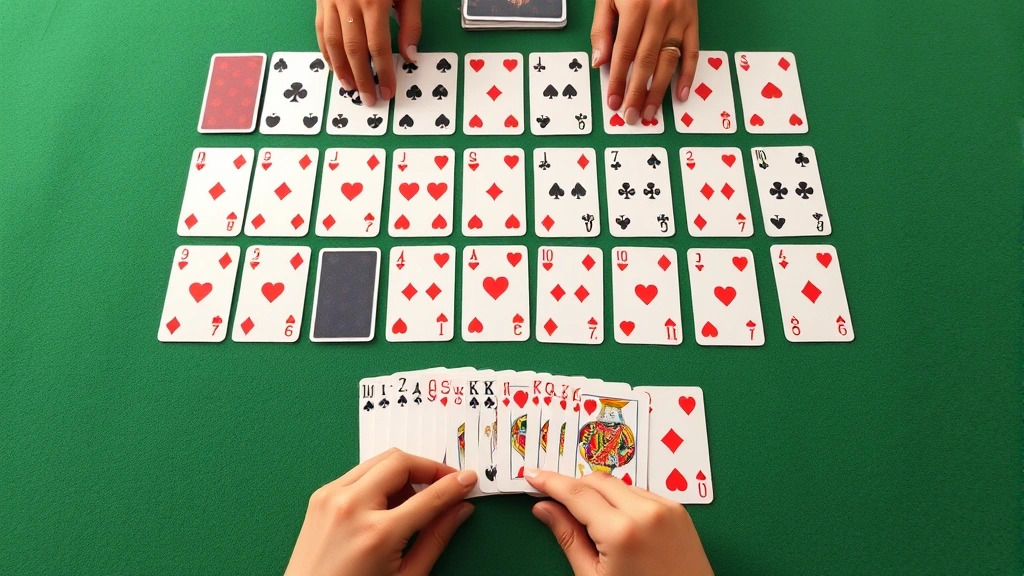
Melds are the heart of canasta, and mastering meld formation is essential for success. A valid meld consists of at least three cards of the same rank. For example, three Kings, four Fives, or five Aces all constitute valid melds. You can add cards to your own melds or, in some variations, to opponents’ melds, extending them toward the seven-card canasta threshold.
Wild cards (deuces and jokers) can substitute for any card in a meld, providing flexibility and strategic options. However, important restrictions apply: a meld cannot contain more wild cards than natural cards. This means a meld of three cards can have at most one wild card, a four-card meld can have at most two wild cards, and so forth. This rule prevents players from simply creating melds entirely from wild cards, maintaining game balance and requiring genuine card combinations.
A “canasta” is a seven-card meld that scores significant bonus points. Natural canastas (made entirely of natural cards) are worth 500 points, while mixed canastas (containing wild cards) are worth 300 points. Achieving canastas should be a primary goal because these bonuses dramatically impact your final score. Many beginners focus too heavily on laying small melds and miss opportunities to build toward canastas, which represent more efficient point collection.
Red threes deserve special attention. These cards (three of hearts and three of diamonds) are automatically removed from your hand when drawn and placed face-up in front of you. They’re worth 100 points each if your team has made at least one meld by game’s end. If your team hasn’t melded, red threes count as negative points. This mechanic encourages early melding and adds strategic depth to opening moves.
Gameplay Strategy
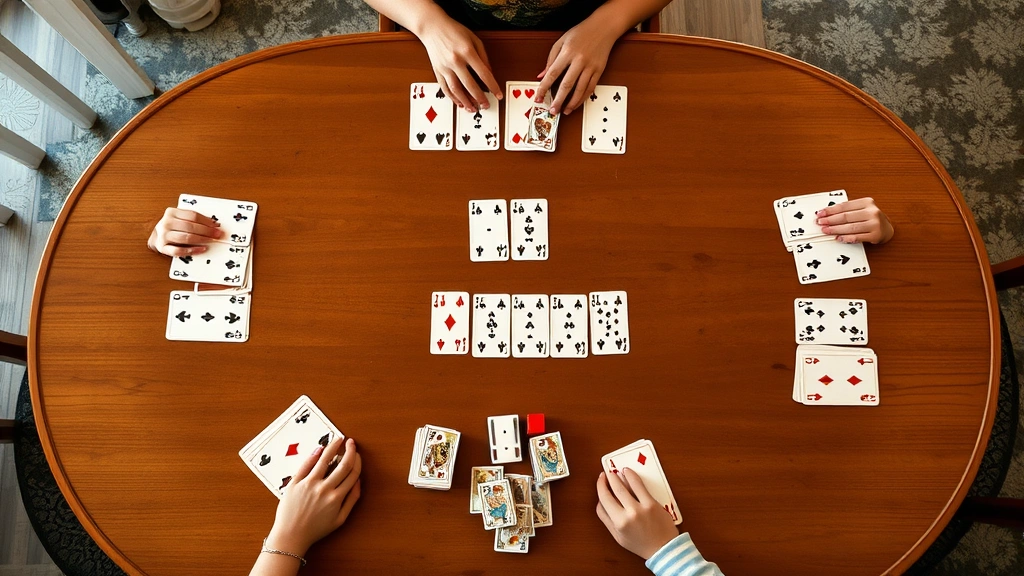
Effective strategy separates casual players from competitive ones. Your opening moves set the tone for the entire hand. Early in the game, focus on laying down your first meld as soon as possible, especially in partnership games where this “going out” requirement affects scoring. The minimum point value for an initial meld varies by game variation—typically 50 points for the first hand, increasing as rounds progress.
Card management is critical. Pay attention to which cards opponents discard, as this reveals their hand composition and future intentions. If an opponent consistently discards high-value cards, they likely don’t need those ranks. Conversely, if they hold cards in the discard pile, they’re probably building toward melds in those ranks. This observation skill directly impacts your decisions about which cards to discard and which to protect.
Aggressive versus conservative play depends on your position and point situation. When winning, play conservatively to protect your lead. When trailing, take calculated risks by drawing from the discard pile more frequently and pursuing high-value melds aggressively. Understanding when to “go out” (play your remaining cards) versus when to continue building melds determines whether you capitalize on advantages or squander opportunities.
Blocking is a defensive strategy where you discard cards you know opponents need, preventing them from easily extending their melds. However, blocking carries risk—if an opponent picks up the discard pile, they gain multiple cards while you’ve sacrificed a useful card. Balance blocking with your own meld-building needs and hand management.
Scoring System Explained
Canasta’s scoring system seems complex initially but becomes intuitive with practice. Points come from several sources: cards in melds (based on their face value), canasta bonuses (500 for natural, 300 for mixed), red three bonuses (100 per card), and game bonuses. Understanding how points accumulate helps you prioritize which melds to pursue and when to end a hand.
At hand’s end, players calculate total points from all melds they’ve laid. A player who plays all cards from their hand without discarding receives an additional 100-point bonus for “going out.” If that player goes out “concealed” (melding all cards in a single turn without prior melds), the bonus increases to 200 points. These bonuses create dramatic scoring swings and reward efficient play.
Negative scoring applies to cards remaining in your hand when someone goes out. These unmelded cards subtract from your score at full point value. This penalty system encourages players to lay melds strategically and avoid holding high-value cards unnecessarily. In partnership games, scores are combined, meaning one player’s poor hand management affects the entire team’s score.
Games typically continue until one team reaches 5,000 points (in some variations, 8,500 points). Tracking cumulative scores across multiple hands and understanding how individual hand scores contribute to overall victory requires attention but adds strategic depth as players adjust their approach based on the score gap.
Common Mistakes Beginners Make
New players frequently hold wild cards too long, waiting for “perfect” opportunities that may never arrive. While wild cards are valuable, they’re also useful for completing melds when natural cards are unavailable. Don’t let wild cards languish in your hand—deploy them strategically to build canastas and accumulate points.
Another common error is ignoring the discard pile. Experienced players pick up the discard pile frequently, gaining multiple cards that help complete melds. Beginners often draw from the stock pile exclusively, missing opportunities for quick point accumulation. However, balance this with awareness that picking up the discard pile requires you to have a matching card in your hand, so don’t force unwise picks.
Poor hand organization leads to missed meld opportunities and slower play. Arrange cards by rank and suit, grouping potential melds together. This organization prevents you from accidentally discarding cards you need and speeds up decision-making during your turn. A well-organized hand is a competitive advantage that beginners often overlook.
Premature going out costs many beginners significant points. While ending a hand early seems attractive, you may sacrifice opportunities to build canastas or lay additional melds that would score more points. Calculate whether going out now provides better scoring than continuing to play, especially in partnership games where all melds contribute to team totals.
Practice Tips for Improvement
Dedicated practice accelerates your learning curve dramatically. Start by playing with patient, experienced players who can explain decisions and answer questions without frustration. Many communities have game clubs or casual groups that welcome newcomers. FixWiseHub Blog offers additional resources for learning various games and skills. Online platforms also provide opportunities to play against computer opponents, allowing you to practice at your own pace.
Review your hands after play. Discuss with other players what you could have done differently—which melds you missed, which cards you misplayed, which strategic decisions didn’t work. This reflective practice builds intuition faster than simply playing repeatedly without analysis. Keep notes on strategic principles you learn, referring back to them as you develop your game.
Study the canasta card game guide regularly. Different variations exist, so ensure you’re learning the specific rules your group plays. Some groups use “house rules” that modify standard gameplay—clarify these before beginning to avoid confusion and disputes.
Watch experienced players and ask questions about their decisions. Why did they discard that card? Why pick up the discard pile at that moment? Why hold those wild cards? Understanding the reasoning behind expert moves teaches you to think strategically rather than just mechanically playing cards. This mentorship approach accelerates improvement significantly.
Consider playing solitaire canasta variations to practice meld recognition and point calculation without pressure. Solo play helps you understand card combinations and build confidence in your knowledge before playing competitively. Many online platforms offer these practice opportunities.
FAQ
How long does a typical canasta game take?
A single hand usually lasts 30-45 minutes depending on player experience and decision speed. Complete games reaching 5,000 points typically require 2-4 hours. Experienced players move faster, so game duration improves with practice and familiarity.
Can I play canasta with fewer than four players?
Yes, canasta accommodates two to six players, though rules adjust for player count. Two-player canasta uses different meld requirements and hand sizes. Three-player variations exist but are less common. Four players in partnerships remains the standard format.
What’s the difference between natural and mixed canastas?
Natural canastas contain only cards of the same rank (no wild cards), earning 500-point bonuses. Mixed canastas contain one or more wild cards, earning 300-point bonuses. Natural canastas are harder to achieve but provide greater rewards, creating strategic tension about whether to pursue them.
How do red threes affect gameplay?
Red threes provide 100 points each if your team has melded at least once. If your team hasn’t melded by hand’s end, they count as -100 points each. This mechanic encourages early melding and adds psychological pressure to players holding red threes.
Is canasta purely luck or does skill matter?
Canasta heavily favors skill over luck. While card distribution involves chance, strategic decisions about which cards to play, when to meld, and how to manage your hand determine outcomes far more than luck. Experienced players consistently beat novices, demonstrating skill’s dominance.
What resources help me learn canasta rules better?
Several authoritative sources provide comprehensive canasta instruction. This Old House occasionally features game night guides, while Family Handyman publishes entertainment content. Pagat.com offers detailed rules for multiple canasta variations, and Bicycle Cards provides official rule interpretations. YouTube channels dedicated to card games feature gameplay walkthroughs that demonstrate proper technique and strategy.
Should I learn one variation or multiple canasta versions?
Start with standard canasta rules before exploring variations. Once you’re comfortable with basic gameplay and strategy, exploring variations like Samba or Bolivia expands your skills and keeps the game fresh. However, mastering one version thoroughly provides better foundation than dabbling in multiple versions simultaneously.

Related Posts

Superscript in Google Docs: Expert Tips

Strikethrough in Excel: Easy Steps for Beginners
