
DIY Golden Bing Bong: Expert Tips & Tricks
DIY Golden Bing Bong: Expert Tips & Tricks for Perfect Results
A Golden Bing Bong is a stunning decorative accent that adds warmth, elegance, and a touch of sophistication to any living space. Whether you’re looking to enhance your home’s aesthetic or create a unique gift, mastering the art of crafting a DIY Golden Bing Bong opens up endless possibilities for personalization and creative expression. This comprehensive guide will walk you through everything you need to know to achieve professional-quality results right from your own workshop.
The process of creating a Golden Bing Bong requires attention to detail, quality materials, and patience. Unlike many home improvement projects, this decorative piece combines artistic vision with practical craftsmanship. Whether you’re a seasoned DIY enthusiast or picking up tools for the first time, this guide provides step-by-step instructions that anyone can follow. You’ll discover insider tips from experienced crafters, learn about the best materials to use, and understand common mistakes to avoid.
Understanding Golden Bing Bong Basics
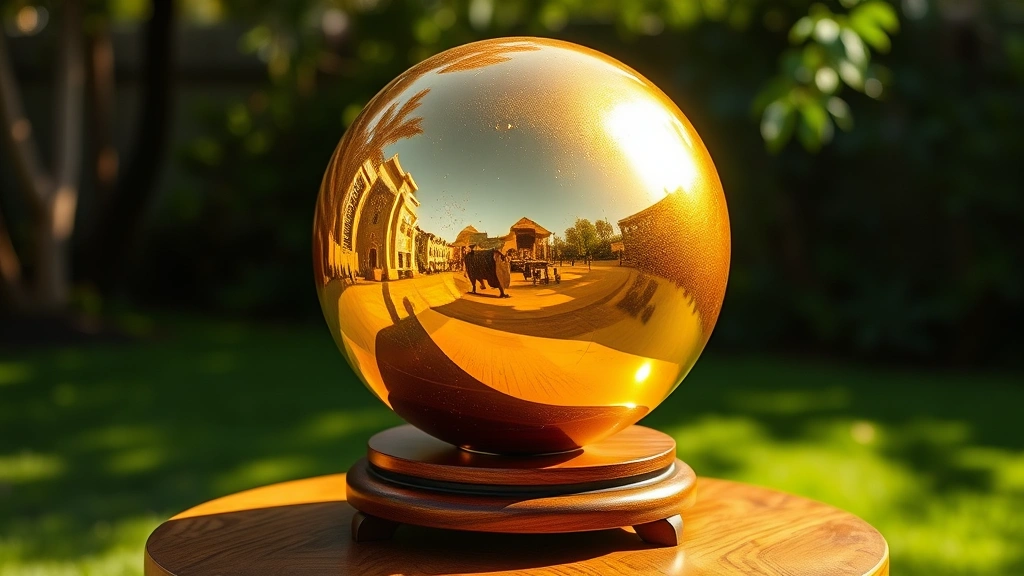
Before diving into the construction process, it’s crucial to understand what makes a Golden Bing Bong special. At its core, a Golden Bing Bong is a decorative sphere or orb with a distinctive golden finish that catches light beautifully. The term “Bing Bong” refers to the sound it makes when struck gently, which is characteristic of properly constructed pieces. The golden aspect isn’t just about color—it’s about achieving a lustrous, reflective surface that radiates warmth and luxury.
The appeal of a DIY Golden Bing Bong lies in the ability to customize every aspect of your creation. You can choose the size, from a small accent piece to a statement-making centerpiece. The depth of the golden finish can be adjusted based on your preferences, and you can even incorporate special effects like patina or mixed metallics. Understanding these fundamentals will help you make informed decisions throughout your project.
Many people are surprised to learn that creating a Golden Bing Bong doesn’t require advanced manufacturing equipment. With basic tools and quality materials, you can produce results that rival professionally made pieces. The key is understanding the underlying principles of construction and finishing that give these pieces their characteristic appeal.
Essential Materials and Tools You’ll Need
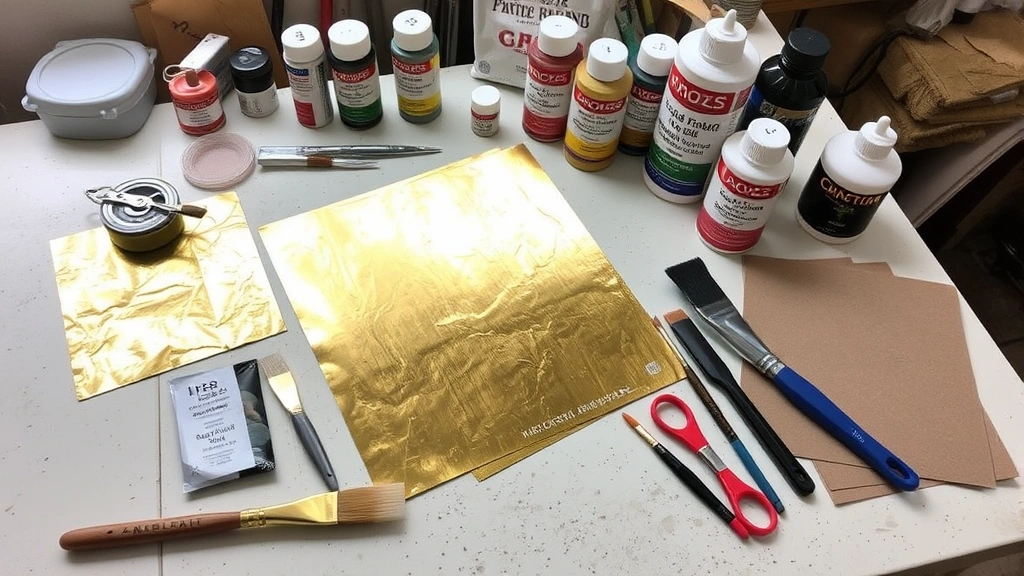
Success in any DIY project starts with having the right materials and tools. For your Golden Bing Bong project, you’ll need several key items:
- Base material: High-quality sphere form (fiberglass, wood, or composite—choose based on your desired final size)
- Gold finishing products: Metallic paint, gold leaf, or gilt cream designed for your base material
- Preparation supplies: Sandpaper (various grits), primer, tack cloth, and cleaning solution
- Application tools: Brushes, sponges, or spray applicators depending on your chosen finish method
- Safety equipment: Gloves, dust mask, and eye protection
- Protective coatings: Clear sealant or varnish to protect your golden finish
- Mounting hardware: If creating a display piece, consider stands or hanging apparatus
When selecting materials, quality matters significantly. Investing in premium gold finishing products ensures your Bing Bong maintains its luster for years. Similarly, a sturdy base material prevents warping or deterioration over time. Visit your local home improvement retailer to examine samples and ask staff recommendations—they often have experience with similar projects.
Tools don’t need to be expensive, but they should be appropriate for your chosen technique. If you’re using gold leaf, for example, you’ll need specialized application brushes. For spray finishing, you might need to set up a proper application area with ventilation. Take time to gather everything before starting, as interrupting your work to find missing supplies can compromise quality.
Preparation and Planning for Success
Proper preparation is the foundation of any successful DIY project. Before you touch a brush or applicator to your base material, invest time in careful planning. Start by sketching your vision—what size should your Golden Bing Bong be? Where will you display it? What shade of gold appeals to you most? These decisions influence material selection and technique.
Next, prepare your workspace. You’ll need a clean, dust-free environment where you can work without interruption. If you’re using spray products, ensure adequate ventilation. Set up drop cloths or protective coverings to catch overspray or drips. Proper lighting is essential—you need to see every detail clearly as you work. Many experienced crafters recommend working during daylight hours or setting up bright work lights.
Inspect your base material carefully. Look for imperfections, dents, or rough spots that need addressing before finishing. If you’re working with wood, check the grain and sand accordingly. For fiberglass or composite materials, ensure the surface is clean and free of mold release agents. Taking time for thorough preparation prevents problems later and ensures your golden finish looks flawless.
Step-by-Step Construction Process
Now it’s time to begin the actual construction. This process involves several distinct phases that build upon each other. Follow these steps carefully for optimal results:
Phase One: Surface Preparation
Start by thoroughly cleaning your base sphere. Use a mild detergent solution and soft cloth to remove dust, oils, and any residue. Allow it to dry completely. Next, sand the entire surface using medium-grit sandpaper (120-150 grit) to create a texture that helps finishing products adhere properly. Work in circular motions, being careful to create even coverage. Wipe away all dust with a tack cloth—this removes fine particles that could interfere with your finish.
For any imperfections or divots, use appropriate filler material. Wood spheres might need wood filler, while fiberglass pieces can use epoxy putty. Apply filler, allow it to cure fully, then sand smooth. This attention to detail makes the difference between an amateur appearance and professional results. Learning proper hole-filling techniques applies to spherical projects as well.
Phase Two: Priming
Apply a quality primer designed for your base material. Primer seals the surface, provides better adhesion for your golden finish, and ensures even color coverage. Use thin, even coats rather than one thick coat. Allow proper drying time between coats as specified by the primer manufacturer. Most primers require 2-4 hours drying time, though this varies by product.
Sand lightly between primer coats using fine-grit sandpaper (220 grit). This creates a smooth surface for your gold application. Remove all dust thoroughly with a tack cloth. The primer stage might seem tedious, but it’s absolutely essential for achieving a professional finish that lasts.
Phase Three: Gold Application
This is where your Golden Bing Bong truly comes to life. You have several options for gold application:
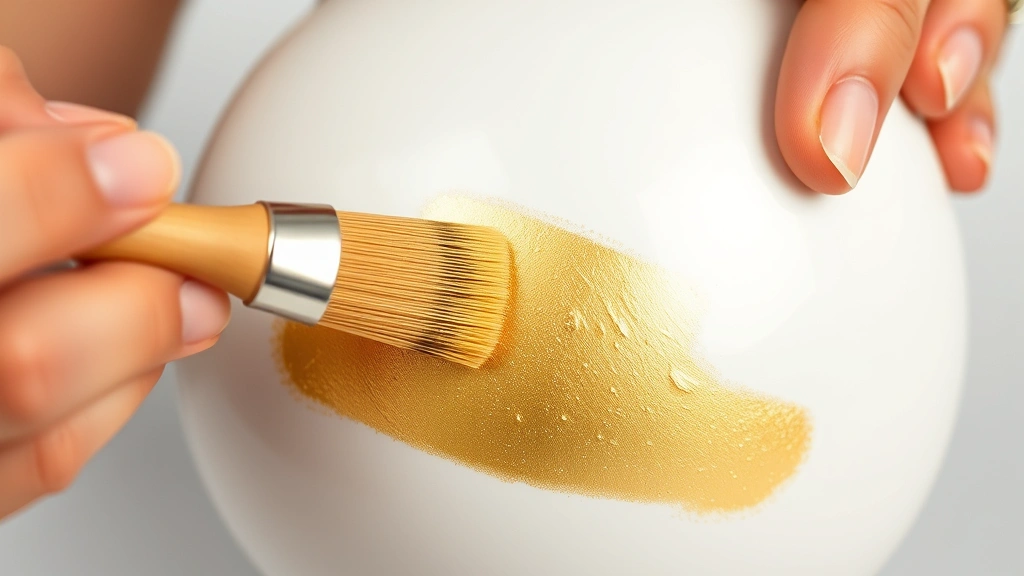
- Metallic paint: Apply using brushes or spray, following manufacturer directions. Typically requires 2-3 thin coats for full coverage and depth.
- Gold leaf: For a more luxurious appearance, apply gold leaf using specialized adhesive. This technique requires practice but produces stunning results.
- Gilt cream: A hybrid option that combines ease of application with rich appearance. Apply with sponges for a natural, dimensional look.
Whichever method you choose, work slowly and methodically. Rushing this stage leads to visible brush strokes, uneven coverage, or drips. Allow proper drying time between coats. The patience you invest here directly impacts your final result’s quality.
Phase Four: Finishing Touches
Once your golden base is complete and fully cured, consider adding finishing touches. Some crafters add subtle accents using complementary metallics like copper or bronze to create dimensional interest. Others apply patina effects for an aged, sophisticated look. Experiment with techniques on scrap material first before applying to your finished piece.
Advanced Finishing Techniques
Taking your Golden Bing Bong from good to exceptional requires mastering finishing techniques. The protective coat you apply significantly impacts both appearance and longevity. Choose a clear sealant appropriate for your base material and gold finish type.
Matte vs. Glossy Finishes
A glossy sealant creates a mirror-like reflective surface that maximizes the luminous quality of gold. This works beautifully in well-lit spaces where you want your Bing Bong to be a visual focal point. Matte sealants provide a more subtle, sophisticated appearance that works well in contemporary or minimalist settings. Some advanced crafters use combinations—glossy on half the sphere and matte on the other—for artistic effect.
Apply sealant in thin, even coats using a soft brush or sponge applicator. Avoid thick coats that can obscure the underlying gold finish or create visible application marks. Most clear sealants require 24-48 hours for full curing. During this time, protect your piece from dust and humidity fluctuations.
Special Effects and Patina
For an aged or antique appearance, consider patina techniques. These involve selectively darkening areas to create shadows and depth, making your piece appear vintage and valuable. Patina can be achieved through chemical treatments or by strategically applying darker metallic paints. Apply patina after your primary gold finish is sealed but before final protective coating.
Burnishing—polishing specific areas to increase shine—creates visual interest by playing light and shadow across the surface. Use soft cloths and gentle circular motions to burnish selected areas. This technique requires a steady hand but produces striking results when executed well.
Care and Maintenance for Long-Term Beauty
Your Golden Bing Bong investment deserves proper care to maintain its beauty for years. Regular maintenance is simple but important. Dust your piece weekly using a soft, dry cloth. Avoid abrasive materials that might scratch the finish. If dust accumulates in crevices, use a soft-bristled brush or compressed air to gently remove it.
For deeper cleaning, use a slightly damp microfiber cloth with distilled water. Avoid harsh cleaners or chemicals that might damage the gold finish or sealant. Never use polishing compounds designed for jewelry on your Bing Bong—these can be too aggressive for larger decorative pieces.
Position your Golden Bing Bong away from direct sunlight if possible, as intense UV exposure can fade the gold finish over time. Similarly, keep it away from moisture sources, extreme temperature fluctuations, and humid environments. These conditions can degrade both the gold finish and underlying base material.
If your Bing Bong develops minor scratches or wear spots, you can touch up these areas using the same gold finishing products you used originally. Clean the damaged area thoroughly, apply primer if needed, then carefully apply gold finish using a small brush. Blend the edges with the surrounding finish for seamless appearance.
Common Issues and How to Solve Them
Even experienced crafters encounter challenges. Understanding common problems and their solutions prevents frustration and helps you achieve excellent results:
Uneven Color or Coverage
If you notice patchy or uneven gold coverage, the issue typically stems from inadequate priming or too-thick application. The solution depends on timing. If you catch it while the gold is still wet, thin the area slightly with a barely damp brush. Once dried, sand lightly and apply additional thin coats. Always apply multiple thin coats rather than one thick coat.
Visible Brush Strokes
Brush marks indicate either a brush that’s too stiff or application technique issues. Use soft-bristled brushes designed for finish work, not general painting. Load your brush with less product and use longer, smoother strokes. For spray application, maintain consistent distance and overlap your passes evenly.
Drips and Runs
These occur when too much product is applied at once. Prevent them by using thin coats and working in manageable sections. If drips occur while the product is wet, gently feather them out with a damp brush. Once dried, sand smooth and apply another coat.
Adhesion Problems
If your finish is peeling or flaking, primer adhesion failed. This usually results from inadequate surface preparation or using incompatible products. Scrape off the failing finish, re-prepare the surface thoroughly, prime properly, and reapply your gold finish using products confirmed compatible with your base material.
Dull or Flat Appearance
If your finished piece lacks the expected luster, you may need additional coats or a different finish product. Some metallic paints require more coats for full depth and shine. Alternatively, your sealant might be too matte. Consider applying a glossy topcoat over your current finish for enhanced luminosity.
Frequently Asked Questions
How long does a DIY Golden Bing Bong project typically take?
The timeline depends on your chosen method and size. Basic projects require 1-2 weeks from start to finish when accounting for drying times between coats. More elaborate techniques using gold leaf or multiple finishing effects might extend this to 3-4 weeks. The actual hands-on work time is typically 8-12 hours spread across multiple sessions.
Can I create a Golden Bing Bong without special tools?
Yes, absolutely. While specialized tools enhance results, you can create beautiful pieces with basic brushes, sandpaper, and finishing products from any home improvement store. Start with simple techniques before progressing to advanced methods like gold leaf application, which requires specific tools.
What’s the best base material for beginners?
Fiberglass spheres are ideal for beginners because they’re durable, affordable, and forgiving of minor mistakes. They accept primer and paint well and require minimal preparation. As you gain experience, experiment with wood or composite materials.
How do I display my finished Golden Bing Bong?
Display options are endless. Use a decorative stand to showcase your piece on shelves or tables. Create a wall-mounted display using a clear acrylic stand. Hang it from the ceiling using clear fishing line for a floating effect. The key is positioning it where it catches light to maximize its golden beauty.
Can I incorporate my Golden Bing Bong into home décor?
Definitely. Your finished piece works beautifully in living rooms, bedrooms, offices, or entryways. It complements various décor styles from traditional to contemporary. Consider your existing color palette and lighting when deciding on placement. Like maintaining beautiful hardwood floors, keeping your Bing Bong clean ensures it enhances your space’s aesthetic.
What if I want to customize the size?
Sphere forms are available in numerous sizes from 2 inches to 24 inches or larger. Smaller pieces work well as shelf accents, while larger ones serve as statement centerpieces. Choose size based on your display space and the visual impact you want to achieve.
Is the Golden Bing Bong waterproof?
With proper sealant application, your Golden Bing Bong can handle occasional moisture exposure. However, it’s not recommended for permanent outdoor display or direct water contact. Keep it indoors in climate-controlled environments for longevity.
Can I gift a homemade Golden Bing Bong?
Absolutely. A handmade Golden Bing Bong makes a thoughtful, unique gift that demonstrates care and effort. Package it carefully to prevent damage during transport. Include care instructions so the recipient knows how to maintain its beauty.
What’s the cost of creating a DIY Golden Bing Bong?
Costs vary based on size and materials chosen. A basic small project costs $20-40, while larger pieces using premium materials might reach $75-150. This is significantly less than purchasing professionally made decorative pieces, making DIY creation economically appealing.
Can I create multiple Bing Bongs as a batch project?
Yes, batch projects are efficient. Prepare all pieces simultaneously, prime them together, and apply finishes in stages. This streamlines the process and ensures consistency across multiple pieces. Batch projects work well for gifts or creating a coordinated home décor collection.
For more detailed home improvement techniques and creative projects, explore FixWise Hub Blog for comprehensive guides. If you’re interested in other aesthetic improvements, check out our guide on achieving that glass skin look, which shares similar principles of preparation and finishing.
Creating a DIY Golden Bing Bong combines creativity, craftsmanship, and attention to detail. Whether you’re making one for yourself or as gifts, the process is rewarding and results are stunning. Start with the fundamentals, practice your techniques, and don’t hesitate to experiment. Your finished Golden Bing Bong will be a source of pride and beauty in your space.
For additional home improvement inspiration and techniques, visit This Old House for professional-grade guidance. Family Handyman also offers excellent resources for DIY projects of all types. Don’t forget to check your local home improvement retailers for specialized materials and expert advice tailored to your specific project needs.

Related Posts

Superscript in Google Docs: Expert Tips

Strikethrough in Excel: Easy Steps for Beginners
