
How to Eat Dragon Fruit? Expert Tips Inside
How to Eat Dragon Fruit: Expert Tips Inside
Dragon fruit, also known as pitaya, is a striking tropical fruit with vibrant pink skin and a unique appearance that makes it a showstopper at any table. Despite its intimidating look, learning how to eat a dragon fruit is surprisingly simple and rewarding. This exotic fruit offers a mild, slightly sweet flavor with a texture similar to kiwi, making it perfect for fresh eating, smoothies, or elegant dessert presentations.
Whether you’re visiting a specialty market for the first time or growing your own dragon fruit plants, understanding the proper selection, preparation, and consumption methods will help you enjoy this nutritious fruit to its fullest. Rich in vitamin C, fiber, and beneficial antioxidants, dragon fruit deserves a spot in your regular fruit rotation. In this comprehensive guide, we’ll walk you through every step of selecting, preparing, and eating dragon fruit like an expert.

Selecting the Perfect Dragon Fruit
The first step in enjoying dragon fruit is choosing a ripe, high-quality specimen from your local market or specialty grocer. When you’re selecting dragon fruit, look for fruits with bright, evenly colored skin—either vibrant pink, magenta, or yellow depending on the variety. The skin should have a slight give when gently squeezed, similar to an avocado, but shouldn’t be mushy or overly soft.
Avoid dragon fruits with brown spots, blemishes, or areas of discoloration, as these indicate bruising or overripeness. The green leaflike bracts (the crown-like protrusions at the top) should appear fresh and vibrant, not dried out or brown. If you’re purchasing from a store and the fruit feels too firm, you can ripen it at room temperature for 1-2 days before consumption. A ripe dragon fruit will have a subtle, slightly sweet aroma near the stem end.
There are three main varieties you might encounter: pink-skinned with white flesh, pink-skinned with magenta flesh, and yellow-skinned with white flesh. All varieties taste similarly mild and sweet, though the red-fleshed varieties are slightly sweeter. The choice often comes down to personal preference and visual appeal for your dishes.

Preparing Your Dragon Fruit
Once you’ve selected your perfect dragon fruit, preparation is straightforward. Begin by rinsing the fruit under cool running water and gently rubbing the skin to remove any dirt or debris. Pat it dry with a clean kitchen towel. Unlike many tropical fruits, you don’t need special tools—a sharp knife and a cutting board are all you need to prepare dragon fruit properly.
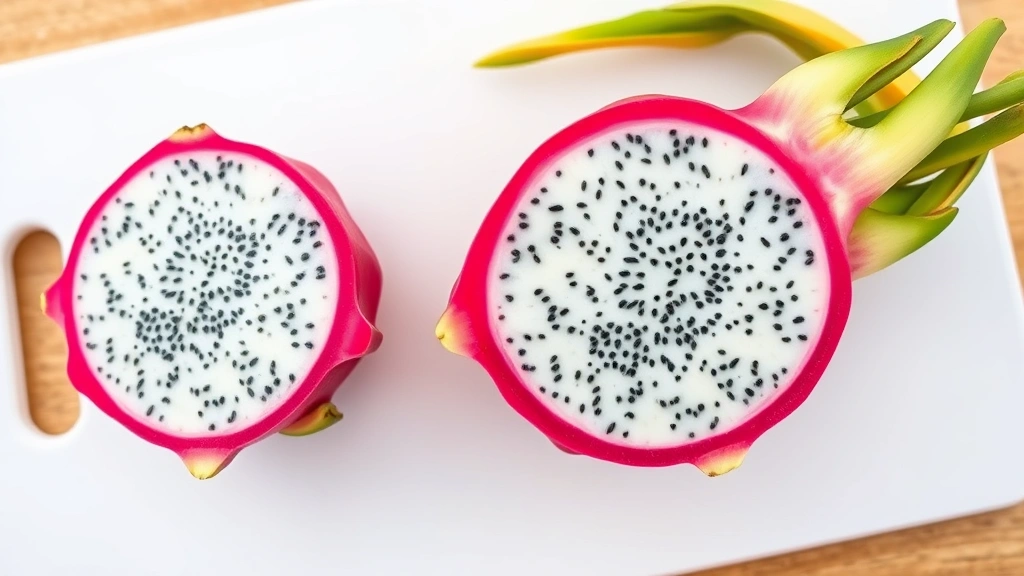
The most common and easiest method is to cut the fruit in half lengthwise, from top to bottom. Place the fruit stem-side up on your cutting board and carefully slice through the center, creating two equal halves. The white or magenta flesh will be fully exposed, studded with small black seeds throughout. These seeds are edible and nutritious, so there’s no need to remove them unless you prefer a smoother texture.
For serving presentation, you can create attractive fruit boats by leaving the skin intact and scooping the flesh out with a spoon, similar to how you’d serve an avocado. Alternatively, after cutting the fruit in half, you can cut each half into quarters and then score the flesh in a crosshatch pattern without cutting through the skin. This creates bite-sized cubes that are easy to eat directly from the skin.
If you prefer completely removing the fruit from its skin, simply cut the dragon fruit into quarters and peel away the skin with your fingers or a knife. The flesh peels away quite easily once you’ve made the initial cuts. Cut the peeled fruit into cubes, slices, or chunks depending on your intended use.
Different Ways to Eat Dragon Fruit
There are numerous delightful ways to enjoy your dragon fruit, each offering a unique eating experience. Understanding these different eating methods helps you maximize your enjoyment and versatility in the kitchen.
Spoon Method (Simplest Approach)
The easiest way to eat dragon fruit is straight from the skin using a spoon. Cut the fruit in half, place it on a plate, and use a spoon to scoop out the flesh directly into your mouth. This method requires no additional preparation and minimizes mess. It’s perfect for quick snacking or enjoying the fruit’s delicate flavor without distraction. This approach is similar to eating a clean dishwasher in terms of simplicity—straightforward and efficient.
Cubed Fresh Eating
For a more refined presentation, cut the fruit into cubes and serve in a bowl or on a fruit platter. This method works beautifully alongside other tropical fruits like mango, pineapple, and coconut. The cubes are easy to eat with a fork and look visually stunning due to the contrast between the bright flesh and black seeds. This presentation is ideal for brunch spreads, dinner parties, or meal prep throughout the week.
Blended Smoothies
Dragon fruit’s mild flavor and smooth texture make it an excellent addition to smoothies and blended beverages. Peel and cube the fruit, then freeze the pieces for later use. Blend frozen dragon fruit with yogurt, milk (dairy or plant-based), honey, and other fruits for a nutritious breakfast drink. The natural sweetness means you won’t need much added sugar, and the fruit adds beautiful color and impressive nutrition to your morning routine.
Smoothie Bowls and Açai Alternatives
Create a stunning smoothie bowl by blending dragon fruit with yogurt and milk to create a thick base, then top with granola, coconut flakes, fresh berries, and nuts. This presentation-focused method turns a simple fruit into an Instagram-worthy breakfast or snack. The mild flavor of dragon fruit allows complementary toppings to shine while adding nutrition and visual appeal.
Salad Additions
Cube fresh dragon fruit and add it to green salads for a tropical twist. The fruit pairs particularly well with spinach, arugula, and citrus-based vinaigrettes. You can also combine dragon fruit with other tropical fruits, fresh mint, and a light lime dressing for a refreshing fruit salad. The subtle sweetness complements both savory and sweet salad ingredients beautifully.
Understanding proper preparation techniques ensures you get the most from your fruit in every application.
Storage and Shelf Life
Proper storage ensures your dragon fruit stays fresh and delicious for as long as possible. At room temperature, a ripe dragon fruit will keep for 2-3 days, making it important to consume it relatively quickly after purchase. If you’re not ready to eat it immediately, refrigerate your dragon fruit to extend its shelf life to 5-7 days. Store it in a plastic bag or container to prevent it from absorbing odors from other foods in your refrigerator.
For longer-term storage, freeze prepared dragon fruit pieces. Cube the peeled fruit and place the pieces on a baking sheet in the freezer for 2-3 hours until solid, then transfer to a freezer-safe bag or container. Frozen dragon fruit will keep for up to 3 months and works wonderfully in smoothies, blended drinks, and frozen desserts. Thawed dragon fruit becomes softer and is best used in applications where texture is less critical.
Never store dragon fruit near ethylene-producing fruits like bananas, apples, or avocados, as this accelerates ripening and spoilage. Keep it in a cool, dark spot in your kitchen if storing at room temperature, away from direct sunlight.
Delicious Recipes and Uses
Beyond simple fresh eating, dragon fruit shines in creative culinary applications. Try making dragon fruit recipes that showcase this beautiful ingredient’s versatility and nutritional benefits.
Dragon Fruit Sorbet
Blend fresh dragon fruit with simple syrup and a splash of lime juice, then freeze according to your ice cream maker’s instructions. The result is a refreshing, naturally pink sorbet that’s perfect for hot summer days. This no-cook dessert requires minimal ingredients and impresses guests with its striking appearance.
Layered Parfaits
Create elegant parfaits by layering cubed dragon fruit with Greek yogurt, granola, and honey. Serve in clear glasses to showcase the beautiful layers and contrasting colors. This simple assembly requires no cooking and can be prepared ahead for quick breakfasts throughout the week. Similar to how you’d make coffee without a coffee maker, parfaits offer simplicity without sacrificing quality or presentation.
Tropical Fruit Salsa
Dice dragon fruit and combine with diced mango, pineapple, red onion, cilantro, and lime juice for a vibrant salsa. Serve alongside grilled fish or chicken for an elegant tropical-inspired meal. This fresh preparation highlights each ingredient’s natural flavors while creating a visually stunning side dish.
Infused Water and Beverages
Add cubed dragon fruit to water pitchers with fresh mint and lime for a spa-like infused water. The fruit adds subtle flavor and beautiful color without overwhelming the refreshing quality of plain water. This hydrating beverage is perfect for meal prep and encouraging increased water intake throughout the day.
Dessert Garnishes
Use thin slices of dragon fruit to garnish cakes, cupcakes, and other desserts. The vibrant color and unique appearance make it an impressive finishing touch for special occasions. The fruit’s mild flavor won’t compete with other dessert flavors, making it a perfect purely decorative element.
For more how-to guides and practical tips, explore additional resources on food preparation and kitchen techniques.
FAQ
Can you eat dragon fruit skin?
No, dragon fruit skin is not edible and should always be removed before consuming. The skin is tough and bitter, making it unpleasant to eat. Always remove the skin before enjoying the mild, sweet flesh inside. The leaflike bracts at the crown are also inedible and should be discarded.
Are dragon fruit seeds safe to eat?
Yes, the small black seeds throughout dragon fruit flesh are completely safe and nutritious to eat. They’re high in omega-3 and omega-6 fatty acids and add a pleasant texture similar to kiwi seeds. You don’t need to remove them unless you prefer a completely smooth texture.
How do you know if dragon fruit is ripe?
A ripe dragon fruit should have bright, evenly colored skin with a slight give when gently squeezed. The green bracts at the top should look fresh and vibrant, not dried or brown. Avoid fruits that are too soft or have brown spots. A subtle sweet aroma near the stem indicates ripeness.
What does dragon fruit taste like?
Dragon fruit has a mild, slightly sweet flavor often described as a cross between kiwi and pear. The taste is subtle and delicate, making it versatile for both sweet and savory applications. The white-fleshed varieties are slightly less sweet than the magenta-fleshed varieties.
Can you cook dragon fruit?
While dragon fruit is typically enjoyed fresh, it can be used in cooked applications. However, cooking diminishes its vibrant color and delicate flavor. It’s best used fresh or in cold preparations like smoothies, sorbets, and salads where its natural properties shine.
How much dragon fruit should you eat daily?
A typical serving is one cup of cubed dragon fruit flesh, which provides excellent nutritional benefits including fiber, vitamin C, and antioxidants. There’s no strict daily limit, but like all fruits, moderation is recommended as part of a balanced diet. Most nutritionists suggest enjoying 1-2 servings of dragon fruit per day as part of your overall fruit intake.
Is dragon fruit expensive?
Dragon fruit pricing varies by location and season, but it’s generally more expensive than common fruits like apples or bananas due to its specialty status and limited growing regions. Prices typically range from $3-8 per fruit depending on your area and the retailer. Growing popularity has made it more accessible and affordable in recent years.
Where can you buy dragon fruit?
Dragon fruit is increasingly available at mainstream grocery stores, especially in the specialty or tropical fruit sections. You’ll find the best selection and prices at specialty markets and Asian grocery stores. Many farmers markets also carry fresh dragon fruit during peak seasons. Online specialty fruit retailers ship fresh dragon fruit directly to your home.
Can you grow dragon fruit at home?
Yes, dragon fruit can be grown in warm climates (zones 10-11) or in containers indoors with proper lighting. The plants require well-draining soil, plenty of sunlight, and regular watering. Growing your own dragon fruit is rewarding and ensures a fresh supply, though plants typically take 3-4 years to produce fruit. Check Family Handyman for detailed growing guides and container gardening tips.

Related Posts

Superscript in Google Docs: Expert Tips

Strikethrough in Excel: Easy Steps for Beginners
