
Cutting Bok Choy: Chef Tips for Perfect Slices
Cutting Bok Choy: Chef Tips for Perfect Slices
Bok choy is a versatile Asian green that appears in stir-fries, soups, and salads, but many home cooks struggle with the proper technique for cutting this leafy vegetable. Whether you’re preparing a quick weeknight dinner or impressing guests with restaurant-quality dishes, mastering the art of cutting bok choy will elevate your cooking skills and ensure even cooking throughout your meal. The key lies in understanding the vegetable’s unique structure—the tender leaves require different handling than the firm, fibrous stalks.
This guide walks you through everything you need to know about cutting bok choy like a professional chef. From selecting the right knife to understanding which cutting techniques work best for different recipes, we’ll cover the essential skills that transform your vegetable preparation. You’ll learn how to maximize flavor, maintain nutritional value, and create visually appealing presentations that rival restaurant dishes.
Understanding Bok Choy Structure and Varieties
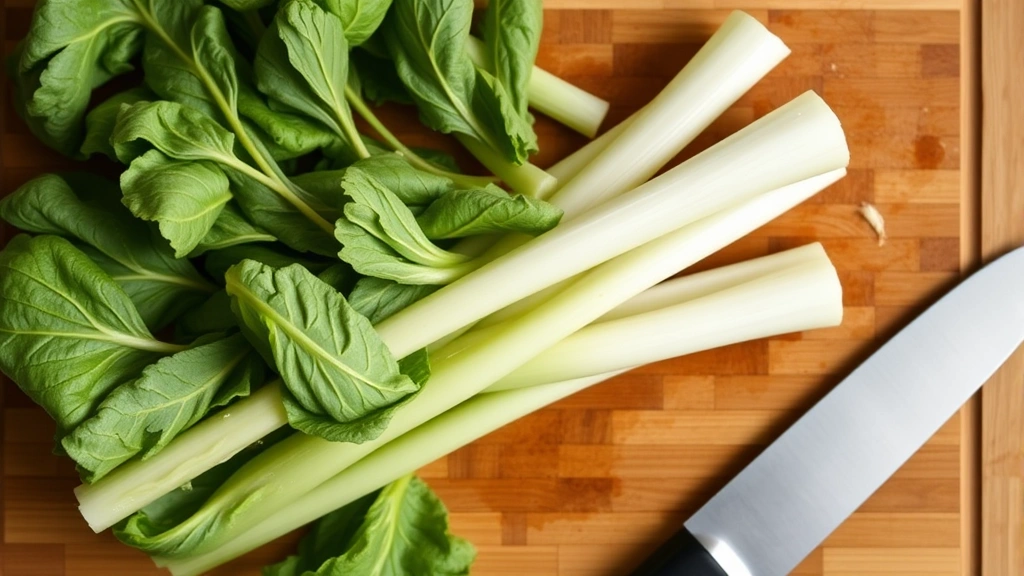
Before you begin cutting, it’s important to understand the anatomy of bok choy. This leafy green consists of two distinct parts: the white or light green stalks at the base and the darker green leaves at the top. Each part has different cooking times and textures, which influences how you should cut them. The stalks are crunchy and dense, taking longer to cook, while the leaves are tender and delicate, requiring minimal cooking time.
Bok choy comes in several varieties, each with slightly different characteristics. Baby bok choy is smaller and more tender, featuring thinner stalks and a milder flavor—perfect for whole or halved preparations. Full-size bok choy has thicker stalks and larger leaves, requiring more deliberate cutting to ensure uniform cooking. Shanghai bok choy falls somewhere in between, offering a good balance for most home cooking applications. Understanding which variety you’re working with helps determine your cutting strategy and cooking approach.
The color of the leaves can range from dark green to lighter jade tones, and this variation doesn’t affect cutting technique but does indicate freshness. Look for crisp, unblemished leaves and firm stalks without browning or softness. Fresh bok choy cuts more cleanly and maintains better texture throughout cooking.
[IMAGE_1]
Essential Tools for Cutting Bok Choy
Having the right tools makes cutting bok choy easier, safer, and more efficient. A sharp chef’s knife—ideally 8 inches long—is your primary tool for this task. The blade should be sharp enough to glide through the stalks without crushing them, which damages cells and causes faster deterioration. A dull knife requires more pressure, increasing the risk of slipping and creating uneven cuts that cook unevenly.
Beyond the chef’s knife, consider having a cutting board with a groove to catch excess moisture. Bok choy releases water during cutting, and a grooved board prevents this liquid from running across your counter. Choose a board made from wood or plastic—both are suitable for vegetables. Avoid glass boards, which can dull your knife quickly and create a slippery surface.
A vegetable peeler is helpful for removing any tough outer layers from larger stalks, similar to how you’d prepare celery. Some cooks also use a sharp paring knife for more delicate work, particularly when preparing baby bok choy. Keep a damp kitchen towel nearby to wipe your knife frequently, preventing sap buildup that can make the blade slip.
Step-by-Step Cutting Techniques
Basic Preparation: Start by rinsing your bok choy under cool running water, gently rubbing the leaves to remove any dirt or sand. Pat dry with paper towels—moisture on the cutting surface creates slipping hazards. Place the bok choy on your cutting board with the stalks pointing toward you.
Separating Stalks from Leaves: The first step in most cutting techniques is separating the tender leaves from the firm stalks. Hold the bok choy firmly at the base and use your chef’s knife to cut horizontally about 2-3 inches up from the bottom, where the leaves naturally separate from the stalks. This creates two distinct sections that you’ll handle differently. The separated leaves can be left whole for soups or torn by hand for a rustic appearance.
Cutting the Stalks: Once separated, place the stalk section flat on your cutting board. For uniform cooking in stir-fries, cut the stalks lengthwise into quarters or halves, depending on thickness. This increases surface area and ensures the dense stalks cook through at the same rate as other ingredients. Make vertical cuts parallel to the length of the stalk, then rotate and cut crosswise into your desired sizes—typically ½-inch to 1-inch pieces.
Cutting the Leaves: Bok choy leaves are more delicate and require gentler handling. Stack the leaves on top of each other and roll them loosely into a cylinder. Using a rocking motion with your chef’s knife, slice across the roll to create ribbon-like strips called a chiffonade. This technique creates uniform pieces that cook evenly and look professional on the plate. For soups, you can tear leaves by hand or cut them into larger pieces.
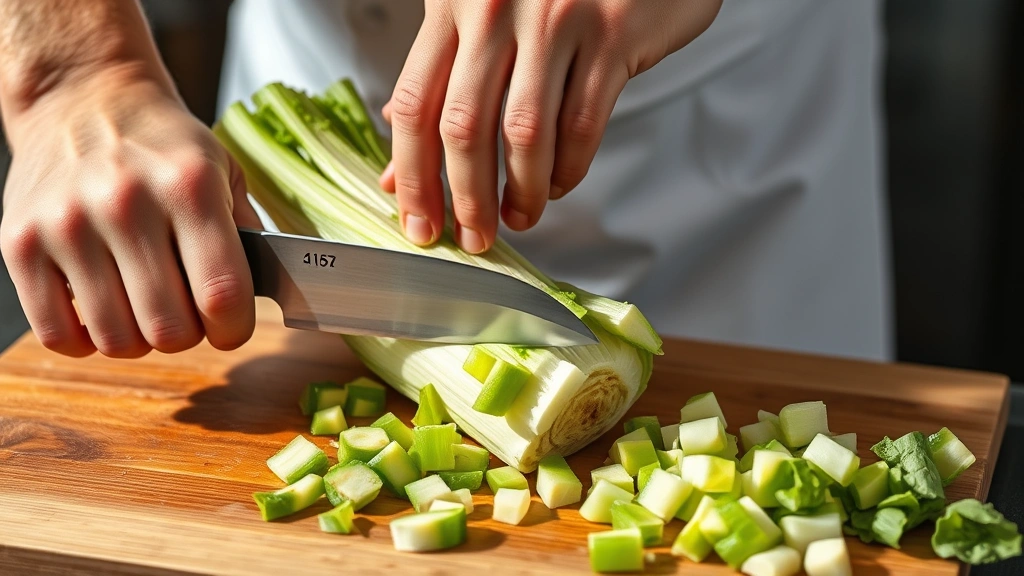
Creating Uniform Pieces: Professional chefs emphasize uniformity because evenly-sized pieces cook at the same rate. This prevents some pieces from becoming mushy while others remain undercooked. Aim for consistency in both thickness and length—pieces should be roughly the same size regardless of whether they come from the stalk or leaf section.
Cutting Methods for Different Recipes
For Stir-Fries: Stir-frying requires cut pieces that cook quickly and uniformly. Separate the stalks and leaves, then cut the stalks into thin, uniform batons about ¼-inch thick and 2 inches long. Cut the leaves into similar-sized pieces or slightly larger, since they cook faster. This method ensures the stalks reach tenderness before the leaves become wilted and mushy. Adding stalks to the pan first, then leaves near the end, creates optimal texture.
For Soups and Broths: Soups benefit from larger, more rustic cuts that maintain structure throughout cooking. Cut the entire bok choy into 2-3 inch pieces, keeping stalks and leaves together or slightly separated. You can leave baby bok choy halved or quartered for a more elegant presentation. The longer cooking time in broth softens even the thickest stalks, so size matters less than in quick-cooking applications.
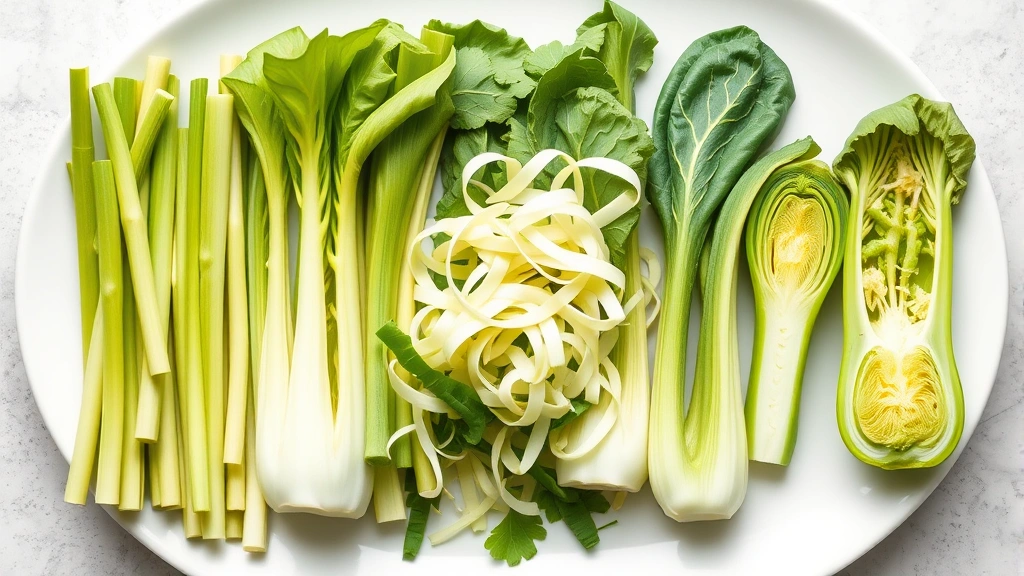
For Salads: Raw bok choy in salads should be cut into bite-sized pieces that don’t require further cutting at the table. Use the chiffonade technique for leaves to create elegant ribbons, and cut stalks into thin matchsticks or small cubes. The delicate presentation makes the salad visually appealing while ensuring pleasant eating texture.
For Braising: Braised bok choy is often served as a side dish and benefits from larger, more substantial cuts. Leave baby bok choy whole or halved lengthwise, creating a flat surface that makes contact with the braising liquid. For full-size bok choy, cut into quarters lengthwise, maintaining the connection between stalk and leaf. This presentation looks restaurant-quality and allows the vegetable to braise evenly.
For Steaming: Steamed bok choy is often served whole or halved, particularly baby varieties. If using full-size bok choy, cut lengthwise into halves or quarters to reduce cooking time. The flat cut surface allows steam to penetrate evenly, and the presentation remains elegant. Steaming is one of the few methods where you can skip detailed cutting.
Common Mistakes to Avoid
Uneven Cutting: The most common mistake home cooks make is inconsistent piece sizes. When pieces vary in size, smaller ones overcook while larger ones remain undercooked. Take time to measure visually and aim for uniformity throughout your cutting session. This single improvement will noticeably enhance your cooking results.
Cutting Too Far in Advance: Bok choy begins deteriorating immediately after cutting as cells are damaged and moisture escapes. Cut your bok choy no more than a few hours before cooking, and store cut pieces in an airtight container in the refrigerator. If you must prep ahead, store uncut bok choy and cut just before cooking.
Not Separating Stalks and Leaves: Attempting to cook stalks and leaves together without separating them results in leaves becoming mushy before stalks are tender. Always separate these components and either cook them for different durations or cut them into pieces that cook at similar rates.
Using a Dull Knife: A dull blade crushes rather than cuts bok choy, damaging cells and causing rapid browning and deterioration. Sharpen your knife regularly, and consider using a honing steel between sharpenings to maintain the edge. A sharp knife creates cleaner cuts that stay fresher longer.
Cutting Too Thick: Dense stalks that are cut too thickly may not cook through completely, remaining tough and fibrous. Aim for thinner cuts than you think necessary—the quick cooking methods typically used with bok choy benefit from increased surface area.
Storage Tips After Cutting
Once cut, bok choy begins oxidizing and losing moisture. Store cut pieces in an airtight container lined with paper towels to absorb excess moisture. Refrigerate at 40°F or below, and use within 2-3 days for best quality. The sooner you use cut bok choy, the better the texture and flavor.
If you’ve cut more bok choy than you need immediately, consider blanching and freezing the excess. Blanch cut pieces in boiling water for 2-3 minutes, then plunge into ice water to stop cooking. Drain thoroughly and freeze in airtight containers for up to three months. This method preserves nutritional value better than raw storage and allows you to prep ingredients in advance.
For uncut bok choy, store in the crisper drawer of your refrigerator in a perforated plastic bag. Whole bok choy lasts 3-5 days when stored properly. Check regularly for signs of wilting or browning, which indicate declining quality.
FAQ
What’s the best knife for cutting bok choy?
An 8-inch chef’s knife with a sharp blade is ideal for cutting bok choy. The size provides good control and leverage, while the sharpness ensures clean cuts without crushing delicate leaves or dense stalks. Keep your knife sharp by using a honing steel regularly and sharpening when needed. If you’re looking to improve your overall kitchen skills, exploring resources about kitchen preparation techniques can be helpful.
Should I cut bok choy before or after cooking?
Most recipes benefit from cutting bok choy before cooking, as this allows you to control cooking times for different components. The exception is steaming whole baby bok choy or braising larger pieces where the leaf-stalk connection remains intact. Pre-cutting gives you more control over final texture and presentation.
Can I cut bok choy in a food processor?
While technically possible, a food processor isn’t ideal for cutting bok choy. The delicate leaves can become bruised and mushy, and the stalks may be cut unevenly. Hand cutting with a sharp knife gives you superior control and better results. Food processors work better for processing large quantities of vegetables into uniform sizes, but for bok choy’s delicate nature, hand cutting is recommended.
How thin should I cut bok choy stalks?
For stir-fries, cut stalks about ¼-inch thick to ensure they cook through quickly. For soups and braises, ½-inch to 1-inch thickness works well since these cooking methods use longer times. Thinner cuts cook faster and more evenly, while thicker cuts maintain more texture and structure. Adjust based on your recipe’s cooking time.
Is it okay to eat bok choy raw?
Yes, raw bok choy is perfectly safe and nutritious. The mild flavor and crisp texture make it excellent in salads. Cut stalks into thin matchsticks and leaves into ribbons for the best texture. Raw bok choy contains more heat-sensitive nutrients than cooked versions, making it a valuable addition to your diet.
Why does my bok choy turn brown after cutting?
Browning occurs due to oxidation and enzymatic browning when cell walls are damaged during cutting. Minimize browning by using a sharp knife, cutting just before cooking, and storing cut pieces in airtight containers. Some browning is normal and doesn’t affect safety or taste significantly.
Can I prepare bok choy a day in advance?
While you can cut bok choy a day ahead, quality declines as moisture escapes and oxidation occurs. If you must prep ahead, store cut pieces in an airtight container with paper towels to absorb moisture, and refrigerate at 40°F or below. Use within 24 hours for best results. For better quality, store uncut bok choy and cut just before cooking. Learn more about proper storage techniques for various kitchen items.

Related Posts

Superscript in Google Docs: Expert Tips

Strikethrough in Excel: Easy Steps for Beginners
