
How to Clean Weighted Blanket? Expert Tips Inside
How to Clean Weighted Blanket: Expert Tips Inside
Weighted blankets have become a staple in bedrooms across the country, offering comfort and therapeutic benefits for better sleep. However, many people struggle with one crucial question: how do you properly clean and maintain these heavy, specialized blankets without damaging them? Unlike regular bedding, weighted blankets require specific care techniques because of their unique construction with glass beads or plastic pellets sewn into compartments.
Understanding the proper cleaning methods for your weighted blanket will extend its lifespan, maintain its effectiveness, and keep it fresh and hygienic. Whether you’re dealing with spills, odors, or routine maintenance, this comprehensive guide covers everything you need to know about caring for your weighted blanket like a pro.
Understanding Your Weighted Blanket Construction
Before you attempt to clean your weighted blanket, it’s essential to understand its construction. Most weighted blankets contain small glass beads, plastic pellets, or sand distributed throughout fabric compartments. The outer cover is typically made from cotton, microfiber, bamboo, or minky fabric, while the inner shell holds the weighted material securely in place.
The key difference between weighted blankets and regular blankets is that the weight creates stress points. This means aggressive washing or high heat can damage the stitching that keeps the fill material contained. Additionally, the fabric covering these blankets is often more delicate than standard bedding, requiring gentler handling.
Check your blanket’s care tag for specific manufacturer recommendations. Some weighted blankets are machine washable, while others require hand washing only. Premium brands often provide detailed instructions about water temperature, detergent type, and drying methods. If you’ve misplaced your care tag, contact the manufacturer directly before attempting to clean your blanket.
Pre-Cleaning Inspection and Preparation
Proper preparation prevents damage and ensures effective cleaning. Start by examining your entire blanket for tears, loose seams, or damaged compartments. If you notice any holes or weak spots, repair them before washing. Small tears can expand during the washing process, allowing fill material to escape into your washing machine—a problem that’s difficult to fix.
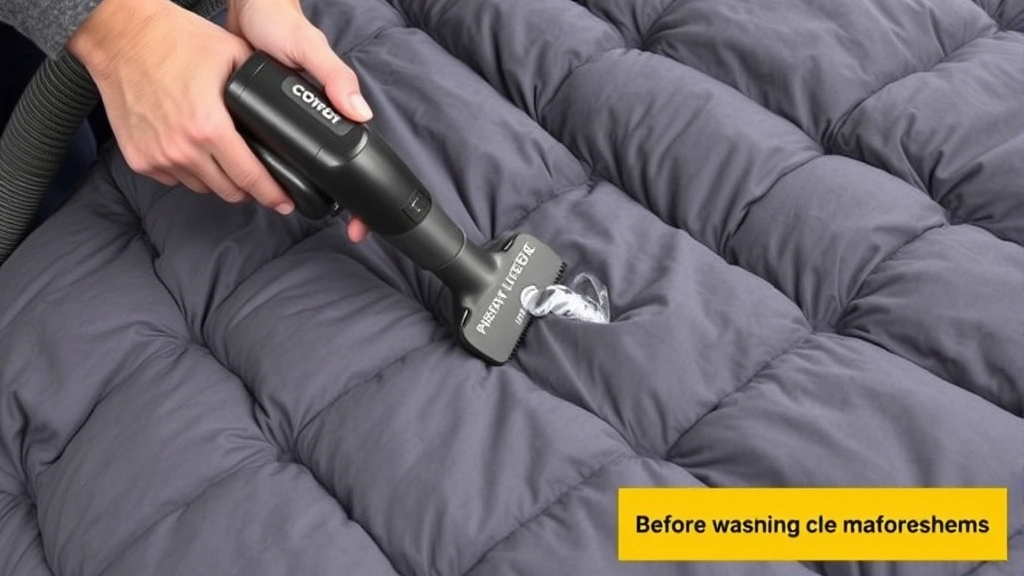
Vacuum your weighted blanket thoroughly using an upholstery attachment. This removes dust, hair, and surface debris that could trap dirt during washing. Pay special attention to seams and crevices where particles accumulate. This step is similar to the detailed preparation required when learning how to clean suede boots, where pre-cleaning prevents damage during the main cleaning process.
Check all pockets and areas around your blanket for items that shouldn’t be washed. Remove any bobby pins, jewelry, or other objects that could snag the fabric or damage your washing machine. If your weighted blanket has a removable cover, consider washing the cover separately using standard washing machine settings while hand washing the weighted insert.
Machine Washing Method
Not all weighted blankets can handle machine washing, but many modern versions are designed for it. If your care tag permits machine washing, follow these steps for optimal results. Use a large-capacity washing machine—standard machines may not provide enough space for proper agitation without damaging the blanket.
Set your machine to a gentle or delicate cycle with cold water. Hot water can damage synthetic fabrics and may cause colors to fade. Use mild detergent specifically formulated for delicate fabrics. Avoid bleach, fabric softeners, and products containing enzymes, as these can weaken fibers and damage the outer shell.
Load the blanket loosely into the machine without overstuffing. The blanket needs room to move freely during the wash cycle. If your machine seems crowded, use an extra-large capacity machine at a laundromat instead. Add a second rinse cycle to ensure all detergent is removed, as residual soap can leave stains and reduce the blanket’s effectiveness.
For heavily soiled blankets, pre-soak in cool water with mild detergent for 15-20 minutes before running the wash cycle. This loosens embedded dirt without requiring aggressive agitation. Never wring or twist your weighted blanket, as this strains the seams and can damage the compartments holding the fill material.
Hand Washing Your Weighted Blanket
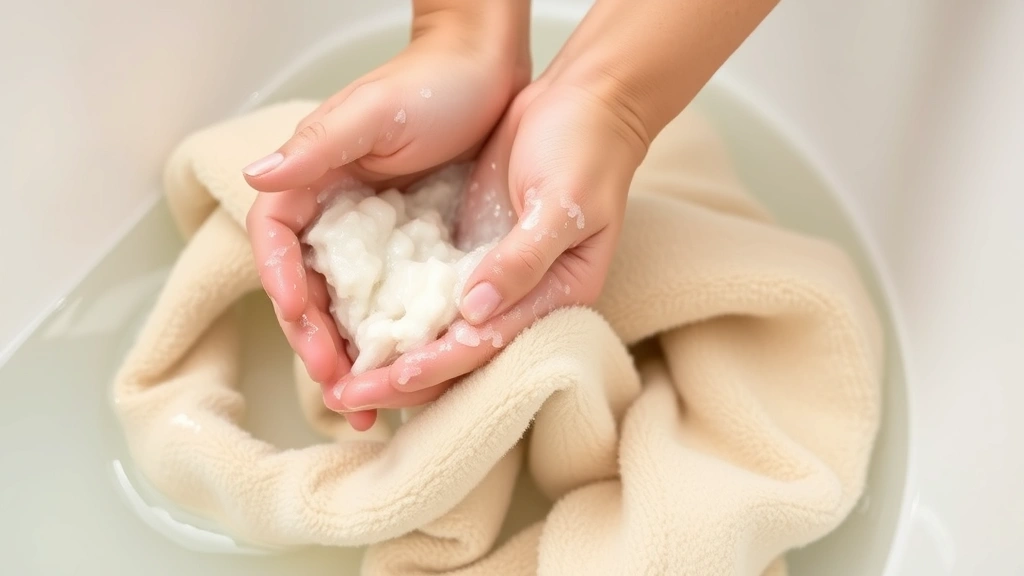
Hand washing is the safest method for most weighted blankets and is recommended by many manufacturers. Fill a bathtub or large basin with cool water and add mild detergent. Submerge your blanket and gently agitate it with your hands for 5-10 minutes, paying extra attention to visibly soiled areas.
Work the soapy water through the fabric using gentle squeezing motions rather than scrubbing or wringing. Focus on areas that contact your body most—the sides and bottom where your feet rest. For stubborn stains, let the blanket soak for 20-30 minutes before continuing gentle agitation.
Drain the soapy water and refill the tub with clean, cool water. Rinse the blanket thoroughly by squeezing clean water through it repeatedly. You may need three to four rinses to remove all soap. Incomplete rinsing leaves detergent residue that attracts dirt and reduces comfort.
This careful hand-washing approach mirrors the meticulous technique required when you learn how to clean rust off cast iron, where gentle handling preserves the integrity of the item while effectively removing contaminants.
Spot Cleaning Stains
For minor spills and stains, spot cleaning is often sufficient and prevents unnecessary full washes. Blot fresh spills immediately with a clean, dry cloth to absorb excess liquid. Don’t rub, as this spreads the stain and pushes it deeper into the fabric.
Mix a small amount of mild detergent with cool water to create a cleaning solution. Dip a clean cloth into this solution and gently dab the stained area. Work from the outside of the stain toward the center to prevent it from spreading. Rinse with a cloth dampened in plain water, then blot dry.
For protein-based stains like blood or bodily fluids, use cold water only—hot water sets these stains permanently. For grease or oil stains, sprinkle baking soda on the area and let it sit for 15 minutes to absorb the oil before wiping it away. Then treat with your mild detergent solution.
For stubborn stains, create a paste using baking soda and water. Apply this paste to the stain and let it dry completely before brushing it away. If the stain persists, repeat the process or consider professional dry cleaning for valuable or delicate weighted blankets.
Drying Techniques
Never put your weighted blanket in a standard clothes dryer, as high heat damages the fabric and can potentially ignite the fill material. Instead, air drying is the recommended method for almost all weighted blankets.
After washing, gently squeeze out excess water without wringing. Lay your blanket flat on a clean, dry surface like a bed or clean floor. Alternatively, hang it over a sturdy clothesline or shower rod if you have adequate space. Ensure good air circulation by opening windows or using fans to speed the drying process.
Drying typically takes 24-48 hours depending on humidity levels, fabric thickness, and air circulation. Periodically flip or rotate your blanket to ensure even drying. Avoid direct sunlight for extended periods, as this can fade colors and weaken fibers over time.
If you must use a dryer due to space constraints, use the lowest heat setting available and run it for short intervals of 10-15 minutes. Check the blanket frequently to ensure it’s not overheating. Remove it immediately when it’s mostly dry and allow it to finish air drying. This approach is far less risky than full dryer cycles.
Maintenance Between Washes
Proper maintenance extends the time between full washes and keeps your weighted blanket fresher longer. Use a FixWiseHub Blog resource for comprehensive home care guides. Shake out your blanket daily to remove dust and distribute the fill material evenly. This also helps prevent clumping, which can create uncomfortable lumps.
Air out your weighted blanket regularly in a well-ventilated area or outdoors on a sunny day. Sunlight naturally eliminates odors and bacteria without chemicals. If you notice persistent odors, sprinkle baking soda lightly over the blanket, let it sit for 30 minutes, then vacuum thoroughly.
Rotate your blanket regularly to ensure even wear. Store it in a breathable cotton bag rather than plastic, which can trap moisture and promote mold growth. Never store a damp blanket, as this causes mildew. Keep your blanket in a cool, dry location away from direct sunlight to prevent fading.
Consider using a duvet cover with your weighted blanket for added protection. This washable cover keeps dirt and oils away from the blanket itself, significantly reducing cleaning frequency. Wash the cover separately using standard washing machine settings while maintaining your weighted blanket’s gentle care routine.
FAQ
Can I dry clean my weighted blanket?
Professional dry cleaning is an option for valuable or delicate weighted blankets, but it’s not necessary for routine care. Inform the dry cleaner about the fill material so they can use appropriate solvents. Many people find that home cleaning methods work perfectly well when done carefully.
How often should I wash my weighted blanket?
Wash your weighted blanket every 2-4 weeks with regular use. If you use a duvet cover, you can extend this to monthly washes. Spot clean spills immediately to prevent staining. People with allergies or skin sensitivities may need more frequent washing.
What if my weighted blanket has a removable cover?
Remove the cover and wash it separately using regular machine settings. Hand wash or gently machine wash the weighted insert according to manufacturer instructions. This two-part system makes cleaning significantly easier and extends the life of your blanket.
Can I use fabric softener on my weighted blanket?
No, avoid fabric softeners entirely. These products leave a coating that reduces the blanket’s breathability and can interfere with its therapeutic properties. Stick to mild detergent only for best results.
What should I do if the fill material leaks out?
If beads escape during washing, stop immediately and collect them carefully. For small leaks in the blanket, repair the hole with needle and thread before attempting to wash again. For significant damage, contact the manufacturer about repair options.
Is it safe to use my weighted blanket while it’s still damp?
No, always allow your blanket to dry completely before use. A damp weighted blanket can promote mold growth and is uncomfortable. Additionally, moisture can damage the fill material and compromise the blanket’s structural integrity.

Related Posts

Superscript in Google Docs: Expert Tips

Strikethrough in Excel: Easy Steps for Beginners
