

Grass Seed Growth Time? Expert Insights Here
How Long Does It Take for Grass Seed to Grow? Expert Insights Here
One of the most common questions homeowners ask when starting a lawn project is: how long does it take for grass seed to grow? The answer isn’t as straightforward as you might hope, because germination and establishment timelines depend on several critical factors including seed type, soil conditions, temperature, moisture, and sunlight. Whether you’re repairing bare patches or establishing a completely new lawn, understanding the grass growth timeline helps you set realistic expectations and care for your seedlings properly during those crucial early weeks.
The journey from seed to mature lawn typically spans 6 to 12 weeks, but the most dramatic progress happens in the first 3 to 4 weeks when seeds germinate and develop their root systems. During this establishment phase, proper watering, soil preparation, and environmental conditions can make the difference between a lush, healthy lawn and a disappointing patchy result. This guide walks you through every stage of grass seed growth, provides expert timing insights, and shares proven strategies to accelerate your lawn’s development.
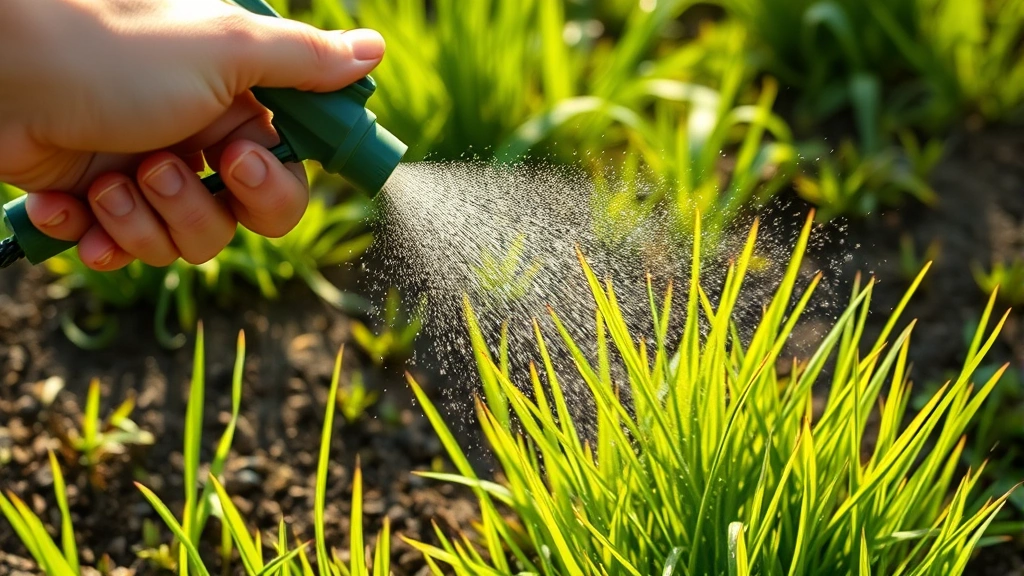
Grass Seed Germination Timeline: Week by Week
Understanding what happens during each week of grass seed growth helps you monitor progress and identify potential problems early. Most grass seeds begin germinating within 3 to 10 days under ideal conditions, though some varieties take slightly longer. Here’s what you should expect:
Days 1-3: Seeds absorb moisture and begin internal metabolic processes. Nothing visible happens above soil, but critical biochemical reactions are occurring inside the seed coat. Keep soil consistently moist but not waterlogged during this phase.
Days 4-7: Radicles (root structures) emerge and push downward into the soil. This is when seeds are most vulnerable to drying out or being washed away by heavy rain. The first visible sign of germination appears as tiny green shoots breaking through the soil surface around day 5-7 for fast-germinating varieties.
Week 2: Seedlings develop their first true leaves and establish shallow root systems. Growth becomes noticeably visible, with tiny grass blades reaching toward sunlight. Height increases from barely visible to about 1-2 inches. Continue maintaining consistent moisture without overwatering.
Week 3-4: Root systems deepen significantly, and blade growth accelerates. Seedlings reach 2-4 inches tall depending on grass type. Density improves as more seeds germinate. This is when you’ll start seeing your lawn take shape, though it still appears thin and delicate.
Weeks 5-8: Young grass develops more robust root systems capable of accessing deeper soil moisture. Blade growth continues, and the lawn begins filling in noticeably. By week 6-8, many grasses reach mowing height (2.5-3.5 inches depending on variety). The lawn appears much fuller and more established, though it still needs careful management.
Weeks 9-12: Grass reaches full maturity and establishment. Root systems are deep enough to handle moderate drought stress. The lawn can handle regular foot traffic and normal maintenance. Most cool-season grasses complete establishment within 8-10 weeks, while warm-season varieties may need 12-14 weeks.

Factors That Affect Grass Seed Growth Speed
Not all grass seeds grow at the same rate, and numerous environmental and soil factors dramatically influence how quickly your lawn becomes established. Understanding these variables helps you optimize conditions for faster growth.
Temperature: Soil temperature is the single most critical factor affecting germination speed. Cool-season grasses germinate fastest in soil temperatures between 60-75°F, while warm-season grasses prefer 70-85°F. Germination slows significantly outside these ranges and virtually stops below 50°F or above 90°F. Checking soil temperature with a simple thermometer helps you time seeding for optimal conditions.
Moisture: Seeds need consistent moisture to germinate, but excessive water causes rot and fungal issues. Ideal soil moisture for germination is similar to a wrung-out sponge—damp throughout but not waterlogged. Inconsistent watering causes uneven germination, with some seeds sprouting while others dry out and fail.
Sunlight: Most grass varieties need 3-4 hours of direct sunlight daily to grow well, though some shade-tolerant varieties can manage with less. Seeds germinate in shade, but seedlings struggle to develop strong blade growth without adequate light. Thin, weak grass often results from insufficient sunlight during establishment.
Soil Quality: Nutrient-rich, well-draining soil promotes faster growth than compacted, nutrient-poor soil. Seeds germinate similarly in poor soil, but young seedlings lack the nutritional resources for vigorous growth. Soil pH between 6.0-7.0 supports most grass varieties best. Testing your lawn care fundamentals starts with understanding your soil composition.
Air Circulation: Stagnant air promotes fungal diseases like damping-off, which kills seedlings. Good air circulation helps seedlings develop strong structures and reduces disease pressure. Avoid planting in areas with dense tree cover or buildings that severely restrict air movement.
Cool Season vs. Warm Season Grass
The type of grass you plant dramatically affects how long germination and establishment take. Cool-season and warm-season grasses have completely different optimal growing conditions and timelines.
Cool-Season Grasses: Varieties like Kentucky bluegrass, perennial ryegrass, and tall fescue germinate fastest in spring (March-May) and fall (August-October) when soil temperatures are 60-75°F. These grasses germinate in 5-10 days and reach mowing height within 4-6 weeks. They slow significantly during summer heat and winter cold. If you’re in northern climates or higher elevations, cool-season grasses are your best choice for quick establishment.
Warm-Season Grasses: Bermudagrass, zoysiagrass, and St. Augustine grass prefer soil temperatures of 70-85°F and germinate best in late spring through early summer. These grasses are slower to germinate, typically taking 10-21 days depending on variety. Establishment takes 8-14 weeks, and they remain dormant and brown throughout winter. However, once established, warm-season grasses are incredibly drought-tolerant and require less overall maintenance.
Timing Your Seeding: Plant cool-season grasses in early fall (August-September) for fastest establishment, as cooler temperatures and regular rainfall create ideal conditions. Spring planting works but faces summer heat stress. Warm-season grasses should be seeded after soil reaches 70°F consistently, typically late May through June in most regions. Avoid planting either type too late in their respective seasons, as seedlings need time to establish before dormancy or heat stress arrives.
Soil Preparation for Faster Growth
Many homeowners skip proper soil preparation and wonder why their grass grows slowly. Investing time in soil prep before seeding dramatically accelerates establishment and improves long-term lawn health. This step is just as important as choosing the right seed variety.
Soil Testing: Before you buy seed or fertilizer, test your soil to determine pH, nutrient levels, and composition. Most university extension services offer affordable soil testing. Results tell you exactly what amendments your soil needs, preventing wasted money on unnecessary products. Ideal lawn soil has pH between 6.0-7.0 and contains adequate phosphorus and potassium for root development.
Removing Obstacles: Clear the seeding area of rocks, debris, dead grass (thatch), and existing vegetation. Use a dethatcher or power rake to remove dead grass down to soil level. This removes competition for nutrients and water, allowing new seeds better contact with soil. Don’t skip this step even though it’s labor-intensive—it makes an enormous difference in germination rates.
Aerating Compacted Soil: If your soil is compacted from foot traffic or construction, aerate before seeding. Aeration creates small holes that improve water penetration, reduce runoff, and give seeds direct soil contact. Compacted soil causes poor germination and weak root development, so this investment pays dividends.
Adding Amendments: Based on soil test results, add organic matter like compost (1-2 inches worked into top 4-6 inches), peat moss, or coconut coir to improve soil structure and water retention. If pH is too low, add lime; if too high, add sulfur. Work amendments into the top 4-6 inches of soil before seeding. These additions create a hospitable environment for rapid seed germination and strong root development.
Leveling and Grading: Smooth out low spots where water pools and high spots where seeds dry out quickly. Proper grading ensures consistent moisture distribution and prevents erosion. Use a rake to create a smooth, firm seedbed—not rock-hard, but compacted enough that seeds make good contact with soil.
Watering Schedule During Establishment
Proper watering is absolutely critical during the germination and establishment phase. Most grass seed failures result from inconsistent moisture rather than seed quality issues. Your watering strategy changes as seedlings develop.
Pre-Germination (Days 1-7): Keep the top 1-2 inches of soil consistently moist. Water lightly but frequently—typically twice daily (morning and late afternoon) is necessary during hot, dry weather. Water gently to avoid displacing seeds. If you have a sprinkler system, use short frequent cycles rather than long soakings. Avoid watering in evening when moisture promotes fungal diseases.
Early Seedling Stage (Weeks 2-4): Gradually reduce watering frequency but increase duration. Seedlings need moisture but benefit from drying out slightly between waterings, which encourages deeper root growth. Transition to once-daily watering for 20-30 minutes, preferably early morning. Watch seedlings—if they look wilted, increase watering frequency.
Establishment Phase (Weeks 5-8): Continue gradually reducing frequency and increasing duration. By week 6-8, water 2-3 times weekly for 30-45 minutes, encouraging roots to grow deeper searching for moisture. This phase builds drought tolerance into your lawn. Adjust based on rainfall and temperature—you’re aiming for 1-1.5 inches total water per week from rain and irrigation combined.
Mature Lawn (Weeks 9+): Established grass needs 1-1.5 inches water weekly, delivered in 1-2 deep soakings rather than daily light watering. Deep, infrequent watering builds stronger root systems than frequent shallow watering. Most lawns need supplemental irrigation only during drought periods once fully established.
Avoiding Common Mistakes: Don’t overwater, which promotes shallow roots and fungal diseases. Don’t let soil dry out completely, which kills germinating seeds. Don’t water in evening, which leaves moisture on blades promoting disease. Use a simple rain gauge to measure water application and ensure you’re delivering appropriate amounts.
When to Mow Your New Grass
Timing your first mowing is crucial for seedling survival and long-term lawn health. Mowing too early damages young plants and slows establishment; waiting too long allows grass to become weak and straggly.
Readiness Indicators: Your new grass is ready for first mowing when it reaches 3-4 inches tall (varies slightly by variety). Gently tug a few blades—if they’re firmly rooted and don’t pull up easily, they can handle mowing. If seedlings pull up or the lawn looks thin and delicate, wait another week.
First Mowing Guidelines: Set your mower to the highest setting for your grass variety (typically 2.5-3.5 inches). Never remove more than one-third of blade height in a single mowing. Mow slowly to avoid pulling up young plants. Use a sharp blade to cut cleanly rather than tearing blades. Mow in one direction only, avoiding back-and-forth patterns that stress young plants.
Continuing Mowing Schedule: After first mowing, continue mowing every 7-10 days as needed, always following the one-third rule. Frequent, light mowing encourages dense, healthy growth better than infrequent heavy scalping. Within 4-6 weeks of first mowing, your lawn should look and perform like an established lawn.
Blade Sharpness Matters: Dull mower blades tear rather than cut grass blades, causing brown tips and disease entry points. Sharp blades are especially important for young seedlings with tender tissues. Sharpen blades before your first mowing and monthly thereafter during establishment.
Common Growth Problems and Solutions
Even with perfect conditions, sometimes grass seed growth stalls or seedlings struggle. Identifying problems early lets you correct course and salvage your lawn investment.
Poor or Patchy Germination: If seeds aren’t sprouting evenly, check soil moisture consistency. Dry spots germinate poorly while waterlogged areas develop fungal issues. Improve soil contact by removing thatch and rough spots before reseeding bare areas. If germination is severely delayed (beyond 14 days for cool-season grasses), soil temperature may be too low—wait for warmer weather before reseeding.
Damping-Off Disease: This fungal disease kills seedlings at soil level, creating bare patches. It thrives in cool, wet, poorly-ventilated conditions. Prevent it by avoiding overwatering, improving air circulation, and seeding at optimal temperatures. If damping-off appears, reduce watering frequency and improve drainage. Don’t apply fungicide to young seedlings—focus on environmental corrections.
Slow Growth Despite Adequate Moisture: If seedlings germinate but grow slowly, suspect nutrient deficiency or shade problems. Apply a balanced starter fertilizer (higher in phosphorus) to promote root development. If shade is the issue, thin nearby trees or switch to shade-tolerant grass varieties for future seeding. Soil pH problems also slow growth—retest soil if growth remains sluggish.
Seedlings Wilting Despite Watering: This indicates either shallow roots unable to access water between waterings (gradually transition to deeper, less frequent watering) or salt burn from over-fertilization. If you applied too much fertilizer, water deeply to leach salts through soil. For future seeding, use starter fertilizer at recommended rates rather than heavy-handed applications.
Weed Invasion: Bare spots in new seedings attract weeds. Don’t apply herbicides to seedlings—they’re too tender and may not survive. Instead, pull large weeds by hand and accept some weed presence during establishment. Once grass reaches mowing height and fills in, it naturally outcompetes most weeds. After 8 weeks of establishment, you can apply selective herbicides if weeds persist.
Accelerating Grass Growth: Tips and Tricks
While you can’t dramatically speed up the fundamental germination timeline, several strategies optimize conditions and encourage faster overall establishment.
Use Quality Seed: Premium seed with high germination rates costs more but sprouts faster and more uniformly than budget seed. Germination rates are printed on seed bags—look for rates above 85%. Older seed germinates slower, so buy fresh seed from current-year stock. Blended seed mixes suited to your specific climate perform better than generic varieties.
Apply Starter Fertilizer: A quality starter fertilizer with higher phosphorus (middle number in NPK ratio) promotes root development and faster establishment. Apply at seeding time or within 3-4 days after germination begins. Don’t over-apply—follow package directions precisely. Excess fertilizer burns seedlings and causes salt damage.
Consider Seed Treatments: Some premium seed comes pre-treated with fungicides and biostimulants that accelerate germination and protect against disease. While more expensive, treated seed reduces establishment problems and results in faster overall growth. For large seeding projects, the cost difference becomes negligible compared to replanting failures.
Overseed to Ensure Density: Seeding at slightly higher rates than recommended (about 1.25x normal rate) ensures thick coverage even if some seeds fail. Denser seeding results in a fuller lawn within the same timeframe. Don’t overdo it—excessive seed competition actually slows growth and increases disease pressure.
Optimize Soil Temperature: Time your seeding for when soil temperatures are in the optimal range for your grass type. Use a soil thermometer to verify conditions. Spring and fall seeding for cool-season grasses and late spring seeding for warm-season varieties align with natural temperature patterns that accelerate growth.
Use Mulch for Moisture Retention: A thin layer (1/4 inch) of quality straw or erosion control blanket keeps soil consistently moist and protects seeds from birds and wind. Remove mulch once seedlings are established (around 3-4 weeks). Don’t use hay, which contains weed seeds.
Improve Drainage for Faster Root Growth: Seeds germinate in moisture, but once seedlings emerge, slightly drier conditions between waterings encourage deeper root growth. If your soil drains poorly, aerate and add organic matter before seeding. Better drainage creates stronger, deeper roots faster than constantly wet conditions.
Ensure Adequate Light: If seeding in spring or fall, you likely have good light conditions. Summer seeding in partial shade dramatically slows growth. If you must seed in shade, choose shade-tolerant varieties like fine fescues. Thin nearby tree branches to increase light penetration if possible.
FAQ
How long does it take grass seed to sprout?
Most grass seeds sprout within 5-10 days under ideal conditions (proper moisture, temperature, and soil contact). Some varieties like perennial ryegrass sprout in 5-7 days, while others like fine fescue may take 10-14 days. Cool-season grasses sprout faster in spring and fall; warm-season grasses sprout fastest in summer heat.
Can I walk on new grass seed?
Avoid walking on seeded areas for at least 2-3 weeks while seeds germinate and seedlings establish initial root systems. Light foot traffic after 4 weeks is acceptable, but heavy use should wait until 8-12 weeks of establishment. Foot traffic compacts soil and damages tender seedlings, slowing growth significantly.
What’s the difference between grass seed germination and establishment?
Germination is the process of seeds sprouting and developing first leaves and roots, typically taking 5-14 days. Establishment is the longer process of developing deep roots and dense blade growth until the lawn can handle normal use, taking 8-12 weeks total. Germination happens quickly; full establishment takes longer.
Should I fertilize while grass seed is growing?
Apply starter fertilizer at seeding time or within a few days of germination. After that, wait until seedlings reach mowing height (3-4 weeks) before applying regular fertilizer. Young seedlings have tender tissues sensitive to concentrated nutrients. Once established (8+ weeks), follow normal fertilization schedules for your grass type and climate.
How do I know if my grass seed is dead?
If soil is properly moist and warm but no germination appears after 14 days (21 days for slower varieties), seeds are likely dead. Check seed bag germination rates and purchase date—old seed has lower germination. Reseed after improving soil conditions. If germination is spotty rather than complete failure, environmental problems (temperature, moisture, compaction) are more likely than dead seed.
Can I speed up grass seed growth with chemicals?
Starter fertilizers with biostimulants and growth promoters can modestly accelerate growth, but nothing dramatically speeds up the fundamental germination timeline. Optimizing environmental conditions (temperature, moisture, light, soil quality) produces better results than chemical products. Focus on proper seeding practices and care rather than looking for shortcuts.
What temperature kills grass seed?
Temperatures below 40°F severely inhibit germination, while temperatures above 95°F can kill seeds or cause poor germination. Soil temperatures outside the optimal range (60-75°F for cool-season, 70-85°F for warm-season grasses) dramatically slow growth. Avoid seeding during temperature extremes—wait for appropriate seasons for your grass type.
How much water does new grass seed need?
During germination (first 7-10 days), keep the top 1-2 inches moist with light, frequent watering (often twice daily). As seedlings establish, gradually reduce frequency and increase duration. By weeks 5-8, aim for 1-1.5 inches total water weekly from rain and irrigation combined. Proper watering schedule is more important than total volume.

Related Posts

Superscript in Google Docs: Expert Tips

Strikethrough in Excel: Easy Steps for Beginners
