
Is Your Wall Load Bearing? Expert Tips Inside
Determining whether a wall is load bearing is one of the most critical assessments you can make before undertaking any home renovation project. A load-bearing wall supports the weight of the structure above it—including roof, upper floors, and all their contents—and removing or significantly altering it without proper support can cause catastrophic structural failure. Whether you’re planning to install a doorway, remove a wall entirely, or simply want to understand your home’s structure better, knowing how to identify load-bearing walls is essential knowledge every homeowner should possess.
The consequences of misidentifying a load-bearing wall can be severe and expensive. Cracks may appear in ceilings and walls, doors and windows may stick, floors may sag, or in worst-case scenarios, partial collapse could occur. Before you start any demolition or major modification work, you need definitive answers about your wall’s structural role. This comprehensive guide will walk you through the expert techniques professionals use to identify load-bearing walls, explain the warning signs that indicate structural importance, and help you understand when to call in a structural engineer.
Understanding Load-Bearing Walls Basics
A load-bearing wall is a structural component that carries the weight of building materials and occupants above it down to the foundation. Think of it as part of your home’s skeletal system. Not every wall in your house serves this critical function—some walls are purely decorative or space-dividing elements called non-load-bearing or partition walls. The distinction between these two types is fundamental to safe home renovation.
Load-bearing walls typically run perpendicular to floor joists and are strategically positioned to transfer loads efficiently. They usually align with the home’s foundation walls below them, creating a direct path for weight distribution. In contrast, non-load-bearing walls often run parallel to joists and can be removed or relocated without affecting structural integrity. Understanding this difference is crucial before you make any modifications to your home’s interior.
The typical load-bearing wall is substantially more robust than non-load-bearing alternatives. You’ll often notice thicker framing, doubled-up studs at corners, and additional support elements. These aren’t arbitrary design choices—they’re engineered responses to the demands placed on the wall. When you’re planning renovations, identifying these structural indicators becomes your first line of defense against costly mistakes.
Visual Inspection Techniques
Start your investigation with a thorough visual inspection of the wall in question. Look carefully at the wall’s orientation relative to the floor joists visible in your basement or crawlspace. If the wall runs perpendicular to the joists, it’s more likely to be load-bearing. If it runs parallel, it’s probably not. This single observation eliminates load-bearing status for many walls, though it’s not a definitive proof on its own.
Examine the wall’s framing structure closely. Load-bearing walls typically feature doubled-up top plates (the horizontal beams at the top of the wall), whereas non-load-bearing walls usually have a single top plate. You can often see this difference by looking at the attic space or the space between floors. Additionally, load-bearing walls frequently have doubled studs at corners and openings, providing extra strength where it’s needed most.
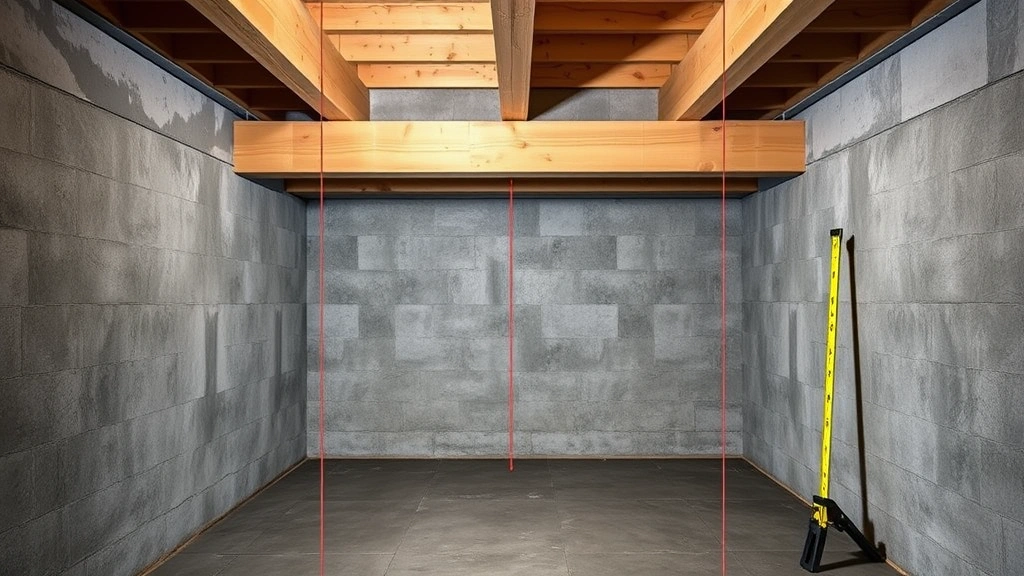
Check the basement or foundation area directly below the wall you’re investigating. Load-bearing walls almost always sit directly above a foundation wall or beam. If the wall above doesn’t align with any support structure below, it’s likely non-load-bearing. Conversely, if you see a clear vertical line of support from foundation to roof, you’re probably looking at a load-bearing wall. This alignment is rarely accidental—it reflects intentional structural design.
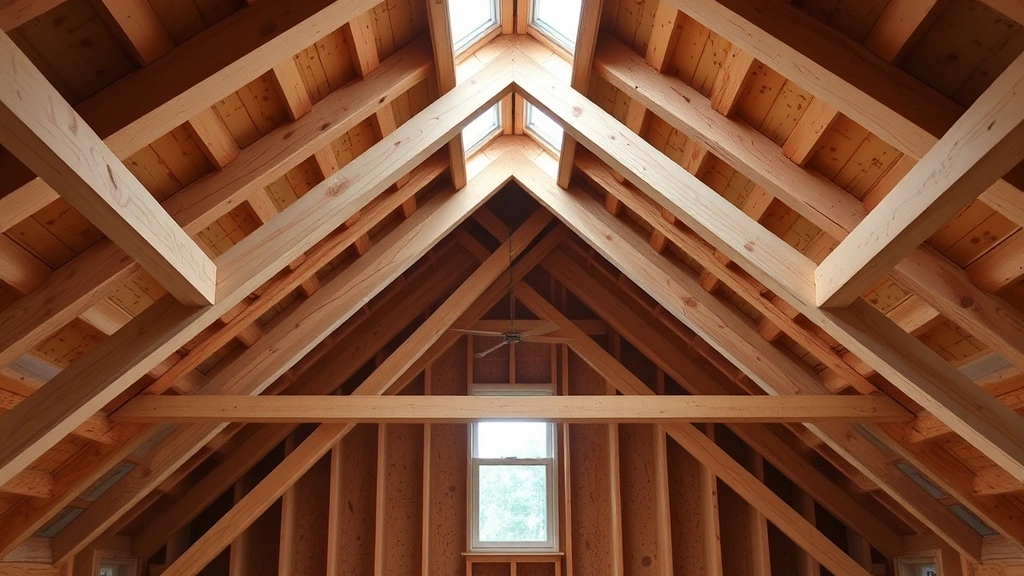
Look for bearing walls running perpendicular to the roof line. In most homes, the roof load transfers down through walls that run perpendicular to the roof rafters. If your wall aligns with this pattern, it’s probably supporting roof weight. You can often determine rafter direction by observing the attic space or examining the roofline from outside.
Location Clues in Your Home
Certain locations in homes are statistically more likely to contain load-bearing walls. The wall running down the center of your home—often called the main beam line or ridge beam line—is almost always load-bearing. This wall typically runs the length of the house and supports half the roof load on each side. Removing or significantly altering this wall without proper engineered support is nearly impossible without major structural modifications.
Exterior walls are almost universally load-bearing. They support the weight of the roof, upper floors, and everything in between. The only exception might be some modern homes with unusual designs where the structural system is concentrated elsewhere. When in doubt about an exterior wall, assume it’s load-bearing and have it verified by a professional before proceeding with modifications.
Walls directly above basement support beams are virtually always load-bearing. These walls form a direct load path from the roof down through the home’s structural skeleton to the foundation. If you can trace a straight line from a basement beam through a wall above it, that wall is definitely carrying load. This is one of the most reliable indicators you can observe.
Interior walls perpendicular to floor joists are frequently load-bearing, especially if they’re positioned at roughly the center of a span. These walls break up long joist spans and prevent excessive sagging. Non-load-bearing walls, by contrast, usually run parallel to joists and don’t contribute to structural support. This Old House provides detailed guidance on load-bearing wall identification in various home styles.
Checking Framing and Support Systems
Examine the wall’s connection to the structure above and below. Load-bearing walls typically have substantial connections—bolts, steel plates, or heavy-duty framing connections that securely tie the wall to the structure it supports. Non-load-bearing walls often have minimal connections since they’re not critical to structural integrity. These connection details, while sometimes hidden, reveal the wall’s structural role.
Look at the size and spacing of the wall’s studs. Load-bearing walls typically use larger-dimension lumber (such as 2×6 or 2×8 studs) or have studs spaced more closely together than non-load-bearing walls. Standard non-load-bearing walls usually feature 2×4 studs spaced 16 inches apart. If you notice heavier framing, you’re likely looking at a load-bearing wall designed to handle greater forces.
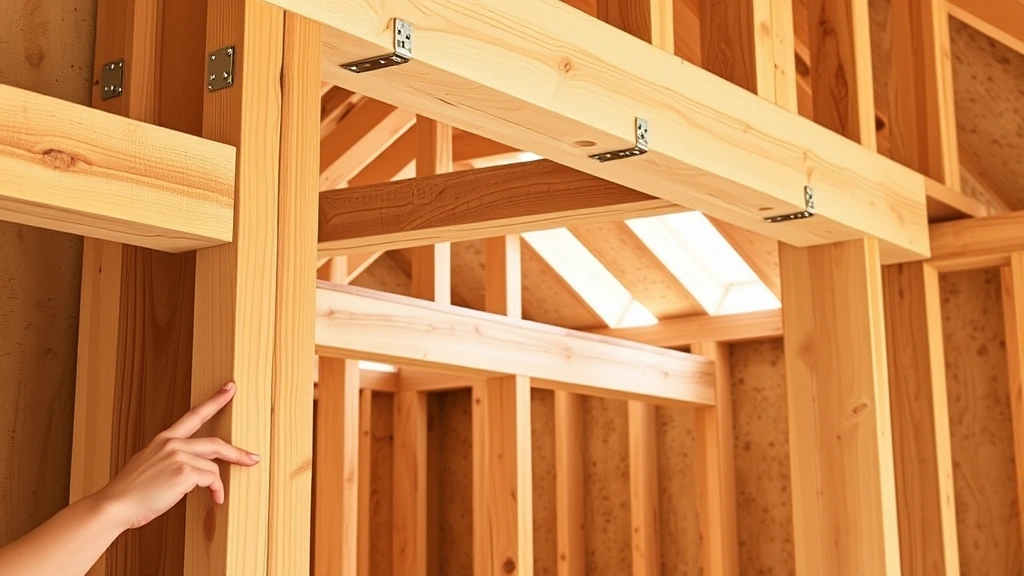
Check for doubled studs around windows and doors. Load-bearing walls feature significantly more robust framing around openings because the opening removes some of the wall’s load-carrying capacity. You’ll typically see doubled studs on each side of the opening and a substantial header (a horizontal support beam) above the opening. The header size increases with the opening size and load requirements. Non-load-bearing walls have minimal framing around openings since they’re not supporting significant weight.
Inspect the header material and construction. In load-bearing walls, headers are often made from doubled 2x12s, 2x10s, or engineered beams, depending on the opening size and load. The header essentially bridges the gap created by the opening and transfers the load around it. Thicker, more substantial headers indicate higher loads and greater structural importance. You can sometimes see headers from the basement or attic, providing clear evidence of load-bearing status.
Professional Assessment Methods
When you’re uncertain about a wall’s load-bearing status—and this is frequently the case—consulting a structural engineer is the smartest investment you can make. Structural engineers use specialized knowledge, building plans, and sometimes advanced testing to definitively determine load-bearing status. They can identify subtle structural indicators that might escape untrained observation and provide engineered solutions if you need to modify or remove the wall.
Structural engineers will examine your home’s original blueprints if available. These documents clearly indicate which walls are structural and which are merely partition walls. Even if your home is older and original plans are unavailable, engineers can often obtain similar plans for your home’s design or era and apply that knowledge to your specific situation. Building permits and previous renovation records can also provide valuable information about your home’s structure.
An engineer might recommend load testing or stress analysis in complex situations. These tests measure how a wall responds to applied loads and can definitively prove load-bearing status. While these methods are expensive, they’re sometimes necessary for older homes, unusual designs, or when significant modifications are planned.
Engineers also understand regional variations in building practices and codes. What’s standard in one region might be unusual in another. A professional familiar with your area’s construction history and current building codes can provide context-specific expertise that general observations cannot match. This regional knowledge becomes especially valuable for older homes built under different code standards.
Regional Building Code Considerations
Building codes vary by region and have changed significantly over time. Older homes were often built to different standards than modern homes, and understanding these variations helps you assess your wall’s structural role. Many older homes use construction methods that seem unusual by today’s standards but were perfectly acceptable and structurally sound when built. A structural engineer familiar with your region’s historical building practices can interpret these differences accurately.
Modern building codes are well-documented and accessible. The International Building Code provides standards used in most U.S. jurisdictions, though local amendments are common. Your local building department can explain which code version applies to your home and provide guidance on structural requirements. They may also have records of permits and inspections related to your home, offering insights into its structural system.
Some regions require that any wall modification involving a load-bearing wall must be reviewed and approved by a structural engineer before work begins. This requirement exists precisely because of the risks involved in misidentifying load-bearing walls. Even if your jurisdiction doesn’t mandate this, it’s an excellent practice for any significant wall modification. The cost of professional review is minimal compared to the potential cost of structural failure.
Building permits for wall removal or modification require structural plans from a licensed engineer in most jurisdictions. This requirement ensures that any necessary support structures—such as beams, columns, or reinforced headers—are properly designed and installed. Attempting to avoid this requirement by working without permits creates liability issues and can result in fines, failed inspections, or worse—structural problems that damage your home.
What to Do If You Need Modifications
If you’ve determined that the wall you want to modify is load-bearing, don’t despair. Load-bearing walls can be removed or altered, but doing so requires proper engineering and support systems. The solution typically involves installing a beam—either wooden or steel—that carries the load that the wall previously supported. This beam must be properly sized based on the load it will carry and the distance it must span.
Before you begin any work, hire a structural engineer to design the appropriate support system. The engineer will calculate the loads above the wall, determine the required beam size and material, and specify how the beam must be supported at its ends. This design work is essential—undersized beams can sag or fail, while oversized beams waste money and create unnecessary complications. An engineer ensures the solution is both safe and economical.
The installation process typically involves temporary support while the load-bearing wall is removed. You’ll need temporary walls or shoring that supports the load above while you remove the original wall and install the permanent support beam. This temporary support is critical—removing a load-bearing wall without adequate temporary support can cause collapse. Most jurisdictions require licensed contractors to handle this work, and professional guidance is essential for safety.
After the permanent support beam is installed, the temporary support can be removed and the space finished as desired. You might create an open floor plan, install a new non-load-bearing wall in a different location, or leave the space open. The flexibility comes from having properly engineered support in place. Many homeowners find that the cost of engineering and installation is well worth the improved functionality and flow of their renovated space.
If you’re planning extensive renovations, consider hiring a structural engineer during the planning phase rather than waiting until you’ve identified a problem. The engineer can review your entire renovation plan, identify all load-bearing walls that might be affected, and provide integrated solutions that work with your design vision. This proactive approach often saves money and prevents costly redesigns later.
FAQ
What’s the fastest way to tell if a wall is load-bearing?
The fastest initial assessment involves checking whether the wall runs perpendicular to floor joists (likely load-bearing) or parallel to them (likely non-load-bearing), and whether it sits above a basement beam or foundation wall. However, these quick checks aren’t definitive—a professional assessment is the only truly reliable method.
Can I remove a load-bearing wall myself?
Removing a load-bearing wall requires engineering design, proper temporary support, and permanent support installation. Most jurisdictions require licensed contractors and permits for this work. Attempting it without professional help risks catastrophic structural failure and violates building codes.
How much does it cost to remove a load-bearing wall?
Costs vary widely based on the wall’s length, the load it carries, and the required support system. Structural engineering typically costs $500-$2,000. Beam installation and wall removal might cost $3,000-$15,000 or more depending on complexity. Get multiple quotes from licensed contractors and engineers.
Are all exterior walls load-bearing?
Nearly all exterior walls are load-bearing because they support roof weight. Rare exceptions exist in homes with unusual structural systems, but you should assume exterior walls are load-bearing unless a structural engineer confirms otherwise.
What if I can’t find a structural engineer in my area?
Contact your local building department—they can provide referrals to qualified engineers. You can also contact the American Society of Civil Engineers or search their member directory. Many engineers work regionally and can be found through professional organizations and contractor networks.
Is it safe to drill holes in load-bearing walls?
Small holes for electrical outlets, plumbing, or wiring are generally acceptable in load-bearing walls if they’re properly located and sized. However, large holes or holes in critical areas (like near headers or at mid-span) can compromise structural integrity. Consult a structural engineer before making significant modifications.
Can I tell a wall is load-bearing by how thick it is?
Wall thickness is one indicator—load-bearing walls are often thicker—but it’s not definitive. Some load-bearing walls are standard thickness, and some thick walls are non-load-bearing. Thickness should be considered along with other indicators like joist orientation, foundation alignment, and framing details.
What happens if I accidentally remove a load-bearing wall?
The structure above will begin to sag and crack as the load redistributes to surrounding supports. In severe cases, catastrophic failure can occur. This is why permits, inspections, and professional engineering are essential—they prevent these disasters from happening in the first place.

Related Posts

Superscript in Google Docs: Expert Tips

Strikethrough in Excel: Easy Steps for Beginners
