
Eliminate German Roaches: Expert Tips Inside
How to Get Rid of German Roaches: Expert Tips Inside
German roaches are among the most persistent and problematic household pests you can encounter. Unlike their larger American counterparts, these small, fast-moving insects hide in tight crevices, reproduce rapidly, and can contaminate food, spread bacteria, and trigger allergies and asthma attacks. If you’ve spotted even one German roach in your home, you’re likely dealing with a much larger infestation lurking behind walls, under appliances, and in cabinets. The good news is that with the right combination of professional techniques and consistent effort, you can eliminate them completely.
This comprehensive guide walks you through proven methods to identify, treat, and prevent German roach infestations. Whether you’re dealing with your first sighting or a stubborn population that’s resisted previous treatments, these expert-backed strategies will help you reclaim your home from these unwanted invaders.
Identifying German Roaches
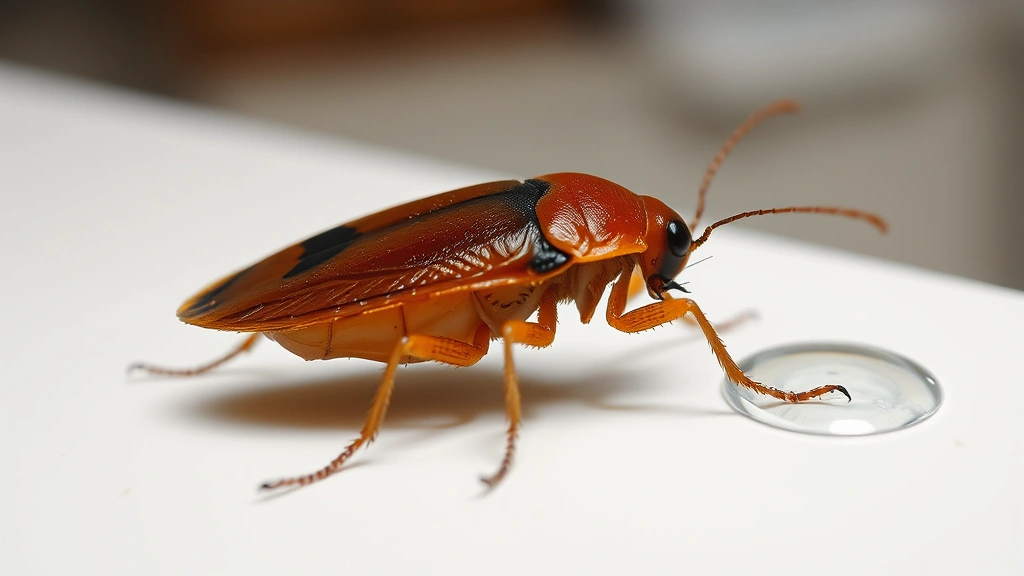
Before you can effectively eliminate German roaches, you need to confirm you’re actually dealing with them. German roaches are distinctly different from other roach species found in North America. They’re small, measuring only 0.5 to 0.625 inches in length, with a tan to light brown coloration and two dark parallel stripes running lengthwise down their bodies behind the head. Young nymphs appear even smaller and darker.
The key identifying feature is the presence of two dark stripes on the pronotum (the area behind the head). This distinguishes them from American roaches, which are much larger (1 to 1.5 inches) and reddish-brown. German roaches are also faster and more agile than their American cousins, capable of moving several feet per second when disturbed.
You’ll typically find German roaches in kitchens and bathrooms where moisture and food sources are abundant. They prefer warm environments and are nocturnal, so you’re more likely to spot them at night when you turn on the lights suddenly. If you see a roach during the day, it often indicates a severe infestation.
Why German Roaches Are So Hard to Eliminate
German roaches present unique challenges that make them particularly difficult to eradicate compared to other common household pests like ants. Understanding these challenges helps explain why a comprehensive, multi-pronged approach is necessary.
Rapid reproduction: A single female German roach can produce up to 300 offspring in her lifetime. Each egg case (called an ootheca) contains 30 to 40 eggs and takes only 28 days to hatch. This means populations double every two to three months without intervention.
Pesticide resistance: German roaches have developed resistance to many common insecticides through overuse and improper application. This resistance is genetic and can spread quickly through populations, making previously effective treatments ineffective.
Cryptic behavior: These roaches hide in extremely tight spaces—cracks as narrow as 1/16 inch. They congregate in wall voids, under flooring, inside appliances, and behind baseboards where treatment products cannot easily reach them.
Multiple hiding spots: A single home may contain dozens of harborage areas. Even if you treat the visible areas thoroughly, roaches can survive in untreated refuges and repopulate treated zones.
Preparation and Inspection
Success in eliminating German roaches begins with thorough preparation and inspection. This foundational step determines the effectiveness of everything that follows.
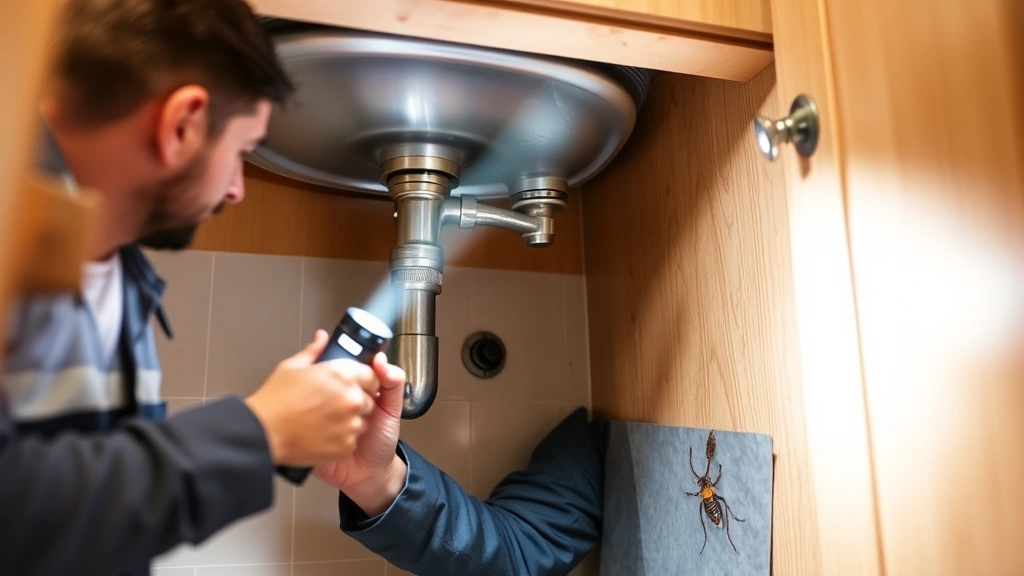
Conduct a detailed inspection: Using a flashlight, inspect your entire kitchen and bathroom systematically. Pay special attention to areas around the sink, under the refrigerator, behind the stove, inside cabinet bases, and along baseboards. Look for dark droppings (which resemble ground pepper), shed skins, or dead roaches. These signs indicate active harborage areas.
Check appliances carefully. German roaches love the warm motors of refrigerators, dishwashers, and microwaves. Examine the spaces behind and under these appliances, as well as inside cabinets directly above them. Document all problem areas with photos if possible, as this information helps if you need to hire a professional.
Eliminate food sources: Roaches need very little to survive—a few crumbs or a water source can sustain them. Clean thoroughly:
- Remove all food from cabinets and wipe shelves with warm soapy water
- Store food in airtight containers, not cardboard boxes or bags
- Clean under and behind appliances where food particles accumulate
- Empty trash daily and secure garbage in sealed containers
- Do not leave dirty dishes in the sink overnight
- Wipe down counters and stovetops completely before bed
Reduce moisture: Roaches need water to survive and are attracted to damp areas. Fix any leaking pipes under sinks and around toilets. Ensure bathroom exhaust fans are functioning properly to reduce humidity. Wipe down sinks and tubs before going to bed so no standing water remains.
Seal entry points: Caulk cracks and crevices in walls, baseboards, and around pipes. Use silicone caulk in areas where roaches can hide. This not only reduces harborage but also helps contain treatment products in specific areas where roaches congregate.
Chemical Treatment Methods
Chemical treatments are often necessary to control German roach infestations, but they must be applied strategically to be effective. The most successful approach combines multiple product types and active ingredients to overcome resistance.
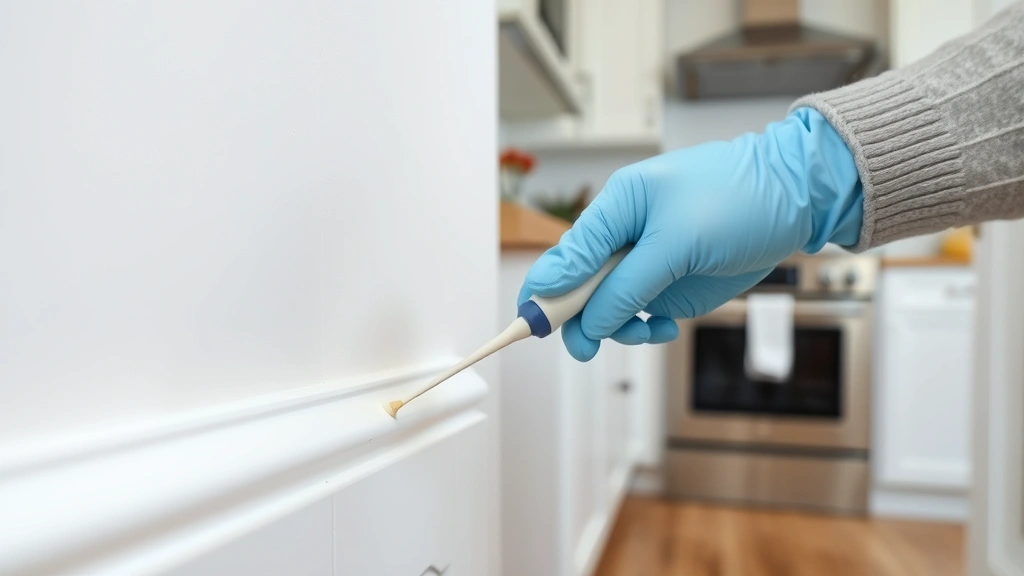
Gel baits: Gel baits are among the most effective tools available to homeowners. Products containing fipronil, hydramethylnon, or imidacloprid work by attracting roaches, which consume the bait and return to their harborage areas where they die. The dead roaches are then consumed by other colony members, spreading the poison throughout the population.
Apply gel baits in small dots (about the size of a grain of rice) in areas where you’ve observed roach activity. Place baits:
- Along baseboards in kitchens and bathrooms
- Inside cabinet corners and along shelf edges
- Around sink and toilet areas
- Behind and under appliances
- Along wall-to-floor junctions
Reapply baits every 7 to 10 days, or as directed on the product label. Baits remain effective for 2 to 3 weeks but may need replacement sooner if they dry out or if roaches consume them rapidly.
Insect growth regulators (IGRs): Products containing pyrethroids combined with IGRs like pyrethrins attack roaches in multiple ways. The pyrethroid kills adult roaches on contact, while the IGR prevents nymphs from developing into reproductive adults. This dual approach is particularly effective against German roaches.
Apply IGR sprays or dusts in areas where roaches hide, following all label directions carefully. Common application sites include:
- Behind baseboards using a thin tube applicator
- Inside wall voids through small holes drilled above cabinets
- Under kitchen sinks and bathroom vanities
- Around pipe penetrations in walls and floors
Diatomaceous earth: Food-grade diatomaceous earth (DE) is a natural powder that damages the waxy coating on roach exoskeletons, causing dehydration and death. DE is non-toxic to humans and pets when used properly, making it a good option for sensitive households.
Dust DE lightly in areas where roaches travel and hide. Avoid creating visible powder clouds, as excessive amounts reduce effectiveness. Reapply after vacuuming or after moisture exposure. DE works slowly but continuously, making it valuable for long-term control alongside faster-acting baits.
Boric acid powder: While somewhat controversial due to toxicity concerns, boric acid remains effective against German roaches when applied properly. Apply it only in thin layers in areas inaccessible to children and pets. Never use in food preparation areas. Reapply weekly as moisture reduces effectiveness.
Non-Chemical Control Strategies
While chemical treatments are often necessary, non-chemical strategies enhance effectiveness and reduce overall pesticide exposure in your home. These methods work best in combination with targeted chemical treatments.
Vacuuming: Regular vacuuming removes roaches, eggs, and droppings. Vacuum thoroughly along baseboards, under appliances, and in cabinet corners. Dispose of vacuum contents immediately in a sealed outdoor trash container, as roaches can survive inside vacuum bags and re-infest your home.
Heat treatment: German roaches cannot survive temperatures above 120°F (48°C) for extended periods. If you have movable items infested with roaches, placing them in a sealed plastic bag in direct sunlight or a heated space can eliminate the infestation. Professional heat treatments of entire homes are also available but are expensive and typically reserved for severe infestations.
Sticky traps: While sticky traps don’t eliminate infestations, they’re invaluable for monitoring roach activity. Place traps along baseboards and in corners, checking them every few days. Traps help you assess whether your treatment is working and identify new problem areas.
Steam cleaning: Steam cleaning kitchen cabinets and baseboards kills roaches and eggs on contact. The high temperature also drives roaches out of hiding, making them more likely to encounter baits or other treatments. Steam clean problem areas weekly during active treatment.
Decluttering: Roaches hide in clutter. Remove cardboard boxes, stacks of paper, and unnecessary items from your home. This eliminates harborage areas and makes inspection and treatment more effective. Store items in plastic containers rather than cardboard.
Prevention and Long-Term Management
Once you’ve successfully eliminated German roaches, preventing reinfestation is critical. Roaches can be transported into homes via used furniture, cardboard boxes from stores, or hitchhiking on visitors’ clothing and bags.
Maintain cleanliness: The sanitation practices you implemented during treatment should continue indefinitely. Clean your kitchen and bathrooms thoroughly at least weekly. Don’t leave food or water sources accessible. Similar to how you’d prevent gnats in your house, denying roaches resources is your best long-term defense.
Monitor with sticky traps: Continue placing sticky traps monthly in kitchens and bathrooms. If you catch roaches, it signals the need to resume active treatment before a new infestation establishes.
Inspect used furniture: Before bringing used furniture into your home, inspect it carefully for roaches, eggs, or droppings. Consider treating used items with approved insecticides before bringing them inside, or store them in a sealed bag with DE for several days.
Seal entry points: Maintain caulk around baseboards and pipes. Roaches can enter homes through surprisingly small openings, so seal any new cracks or gaps as they appear.
Reduce harborage: Continue decluttering and organizing storage areas. Remove unnecessary paper items and store food in airtight containers. The less hiding space available, the easier prevention becomes.
When to Call a Professional
While many homeowners can successfully control German roaches themselves, professional pest control services are sometimes necessary. Consider calling a professional if:
- Your infestation persists after 4 to 6 weeks of consistent treatment
- You’re uncomfortable applying pesticides or have health concerns
- The infestation is severe or widespread throughout your home
- You live in a multi-unit building where roaches may be traveling between units
- You’ve previously attempted treatment without success
Professional pest control technicians have access to commercial-grade products, specialized equipment, and expertise that often surpasses what’s available to homeowners. They can treat wall voids and inaccessible areas more effectively and provide ongoing monitoring and prevention services.
When hiring a professional, ask about their treatment approach, product types, and warranty. Reputable companies like This Old House pest control resources provide guidance on what to expect from professional services. Get multiple quotes and check references before making a decision.
For additional guidance on DIY pest management approaches, visit our comprehensive FixwiseHub Blog – How-to Guides and Tips for detailed instructions on tackling various household challenges. You can also explore our guides on how to get rid of wasps and how to get rid of bees for comprehensive pest management strategies.
FAQ
How long does it take to get rid of German roaches?
The timeline depends on infestation severity and treatment consistency. Most infestations show significant improvement within 2 to 3 weeks of consistent treatment with gel baits. Complete elimination typically takes 4 to 6 weeks. Severe infestations may require 8 to 12 weeks or professional intervention. The key is maintaining consistent treatment throughout the entire period, as roaches can quickly repopulate if treatment lapses.
Can German roaches survive in clean homes?
German roaches can survive on minimal resources—a few crumbs and access to water are sufficient. However, they prefer areas with abundant food and moisture. Maintaining excellent sanitation significantly reduces their survival chances and makes infestations less severe. A clean home won’t prevent roaches from entering, but it makes them less likely to establish populations and easier to control once they do.
Are gel baits safe for pets and children?
Most gel baits contain small amounts of pesticide and are designed to be consumed by roaches rather than other animals. When applied according to label directions in small dots in areas inaccessible to children and pets, they’re generally considered safe. However, always read product labels carefully and follow all safety instructions. Store baits out of reach and supervise children and pets in treated areas.
What’s the difference between German and American roaches?
German roaches are much smaller (0.5 to 0.625 inches) with two dark stripes, while American roaches are larger (1 to 1.5 inches) and reddish-brown. German roaches reproduce much faster and are more difficult to eliminate. American roaches prefer cooler, damper areas like basements, while German roaches prefer warm kitchens and bathrooms. Treatment strategies differ, so proper identification is important.
Can I use the same treatment for all roach species?
While some treatments work against multiple roach species, German roaches often require different approaches than American roaches due to their behavior and reproduction rates. German roaches are best controlled with gel baits and IGR combinations, while American roaches may respond better to different products. Always identify your roach species before treating, or consult Family Handyman’s cockroach elimination guide for species-specific information.
Should I throw away food if I find roaches?
Any food that roaches have contacted or that’s been in an infested area should be discarded. Roaches contaminate food with bacteria and pathogens. If you find roaches in pantry items, discard the affected food and thoroughly clean and treat the storage area. Store remaining food in airtight containers and inspect it regularly for signs of roach activity.
Do roaches die immediately after eating gel bait?
No, roaches don’t die immediately after consuming gel bait. They typically die within 24 to 48 hours, allowing them to return to harborage areas where other roaches consume their bodies, spreading the poison throughout the colony. This delayed action is actually beneficial because it affects the entire population rather than just individual roaches.
Can I treat German roaches myself or do I always need a professional?
Many homeowners successfully treat German roaches themselves using gel baits, IGR sprays, and diatomaceous earth. Self-treatment works best for mild to moderate infestations when applied consistently. Severe infestations, recurring problems, or multi-unit buildings often benefit from professional treatment. Start with self-treatment and escalate to professional services if you don’t see improvement after 4 to 6 weeks.

Related Posts

Superscript in Google Docs: Expert Tips

Strikethrough in Excel: Easy Steps for Beginners
