
Bee Removal DIY: Expert Tips & Safety Guide
Bee Removal DIY: Expert Tips & Safety Guide
Discovering a bee colony near your home can be alarming, but before you panic or reach for harmful chemicals, understand that bees are crucial pollinators deserving of safe, humane treatment. Whether you’re dealing with honeybees, carpenter bees, or bumble bees, knowing how to get rid of bees safely protects both your family and these essential insects. This comprehensive guide walks you through identification, removal methods, and when to call professionals.
Most bee problems can be resolved without extermination. Honeybees, in particular, are gentle and only sting defensively. By learning proper removal techniques and prevention strategies, you can coexist peacefully with these beneficial creatures while protecting your property. This guide covers everything from identifying bee species to implementing long-term solutions.
Identifying Bee Species on Your Property
Proper identification is your first critical step when learning how to get rid of bees. Different species require different removal approaches, and some deserve protection rather than removal. Honeybees are the primary pollinators for agricultural crops and wildflowers, making their preservation essential. Carpenter bees, while solitary, can damage wooden structures. Bumble bees are ground-nesting and generally non-aggressive.
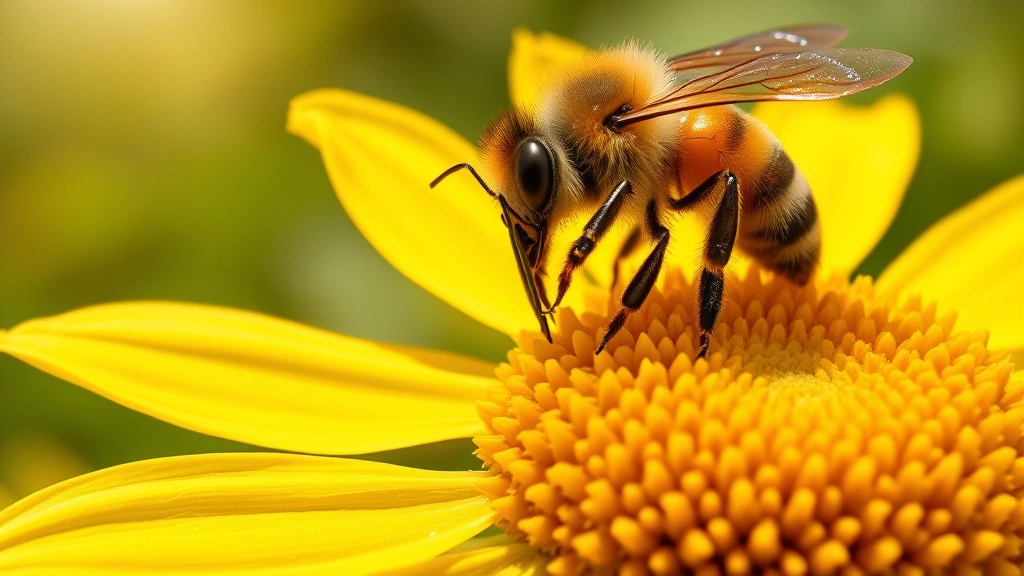
Honeybees are fuzzy, golden-brown insects that live in large colonies. They produce honey and are relatively docile unless their hive is threatened. You’ll typically find them in tree cavities, wall voids, or attached to branches in swarms. Honeybees perform an estimated 80 percent of crop pollination globally, making their removal and relocation preferable to extermination.
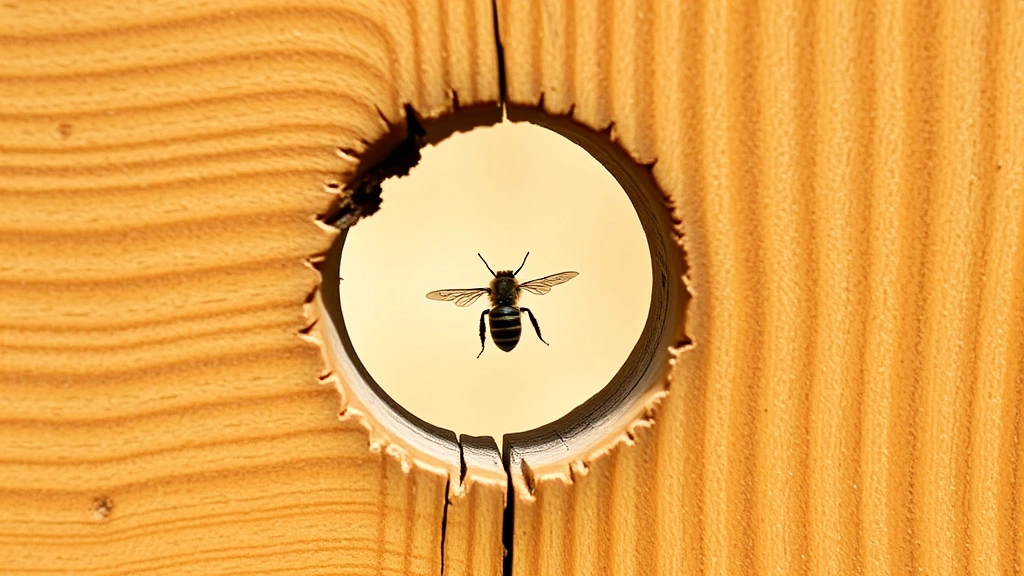
Carpenter bees are large, black, solitary bees that bore into dead wood to create nesting tunnels. Unlike termites, they don’t eat wood—they simply excavate it for nesting. These bees are solitary and rarely sting unless directly threatened. You’ll notice small, perfectly round holes in wooden structures, decks, or fence posts.
Bumble bees are large, fuzzy bees that nest in the ground, typically in abandoned rodent burrows or dense vegetation. They’re gentle, non-aggressive pollinators that rarely sting. If you find a bumble bee nest on your property, consider leaving it unless it poses a direct safety threat.
For detailed information about managing other household pests, check out our guide on how to get rid of ants, which uses similar humane approaches.
Safety Precautions Before Removal
Before attempting any bee removal, prioritize safety for yourself, your family, and the bees. Taking proper precautions prevents stings and ensures a successful, humane removal process.
Assess your allergies and risk factors: If anyone in your household has a severe bee sting allergy, professional removal is mandatory. Even without severe allergies, understand that multiple stings can trigger dangerous reactions. Have an epinephrine auto-injector available if prescribed.
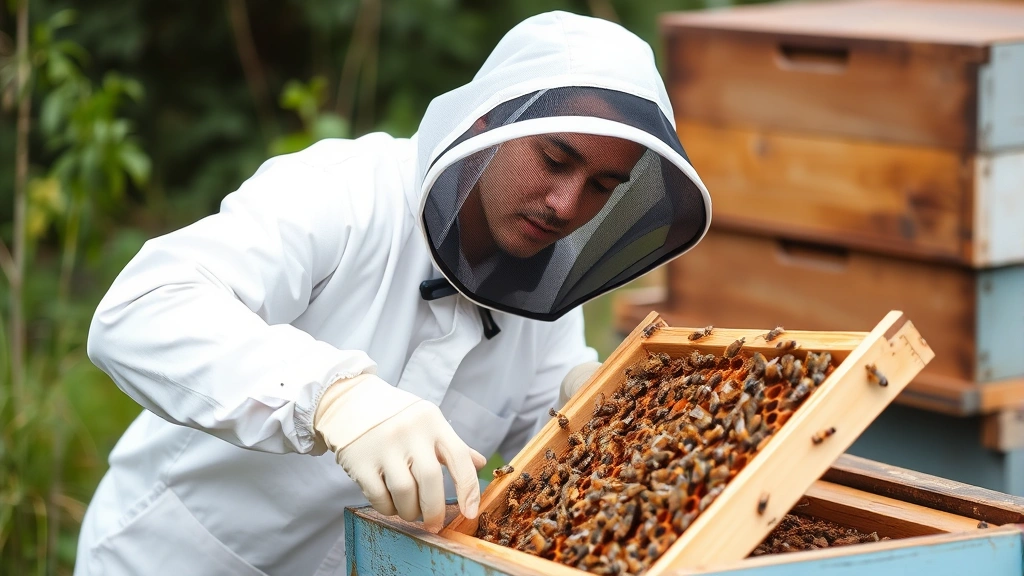
Protective equipment is essential: Wear a full-body protective suit, preferably a beekeeping suit with a veil. Long sleeves, long pants, gloves, and closed-toe shoes create a barrier against stings. Light colors are preferable—bees perceive dark colors as threats. Avoid perfumes, scented lotions, and bright clothing that might trigger defensive behavior.
Timing matters significantly: Work early morning or late evening when bees are less active and remain inside their hive. Avoid removal on windy, rainy, or cold days when bees are more aggressive and cannot escape easily. Plan removal during calm, warm weather when bees are foraging.
Prepare an escape route: Always position yourself with a clear path away from the nest. Never block the hive entrance or trap bees inside, as this increases aggression. Have a backup plan if bees become defensive.
Gather necessary supplies: Assemble removal tools, containers, protective gear, and first-aid supplies before starting. Having everything prepared reduces time spent near the nest and minimizes stress on the bees.
Non-Lethal Bee Removal Methods
Humane removal protects bee populations while solving your problem. Several effective methods allow you to relocate bees safely without killing them.
Trap and relocate method: This approach works well for honeybees in accessible locations. Create or purchase a bee trap—essentially a box with a one-way entrance. Bees can enter but cannot exit. Place the trap near the hive entrance with the one-way door facing the colony. Within days or weeks, most bees will enter the trap seeking escape. Once filled, seal the entrance and transport the trap to a beekeeper or suitable outdoor location at least two miles away.
Smoking and exclusion: Use a bee smoker (available at beekeeping supply stores) to calm bees with cool smoke. The smoke masks alarm pheromones, reducing aggression. While bees are calm, create a one-way exit using a tube or cone-shaped device at the hive entrance. Bees leave seeking a new home but cannot return. This method requires patience—allow seven to ten days for all bees to exit.
Vacuum removal: A specialized bee vacuum gently collects bees without harming them. This method suits swarms and accessible colonies. The vacuum uses low suction to draw bees into a container with air holes. Transfer collected bees to a beekeeper immediately. This technique requires skill and specialized equipment, making professional help preferable for most homeowners.
Water and relocation: For ground-nesting bumble bees or carpenter bees in non-critical locations, gentle flooding with water encourages them to relocate. Spray the nest area thoroughly early morning or evening. Bees will abandon the flooded nest and establish a new home elsewhere. This works best when alternative nesting sites are available nearby.
Repellent methods: Certain scents discourage bees without harming them. Mothballs, smoke, or citronella placed near (not in) the nest can encourage relocation. Ultrasonic devices have limited effectiveness but may deter some bees when combined with other methods. These approaches work best for prevention rather than removal of established colonies.
Removing Different Bee Types
Honeybee removal strategies: Honeybees deserve special consideration due to their ecological importance. Contact local beekeeping associations before removal—most areas have volunteer beekeepers who will relocate colonies for free. Search online for “local beekeepers near me” or contact your county extension office for referrals. If DIY removal is necessary, use the trap and relocate method or smoking and exclusion. Never use pesticides on honeybees; this harms the broader ecosystem and is often illegal.
Carpenter bee management: Since carpenter bees are solitary and non-aggressive, prevention is more practical than removal. Seal existing holes with caulk or wooden dowels to prevent reuse. Paint or stain bare wood—carpenter bees prefer untreated wood. Install bee hotels (hollow tubes) away from structures to provide alternative nesting sites. If removal is necessary, capture individual bees using a clear container and release them outdoors far from your home.
Bumble bee considerations: Bumble bee nests are small, containing only 50-400 bees compared to honeybee colonies with thousands. If the nest doesn’t threaten safety, leave it alone. These bees are gentle and rarely sting. If relocation is necessary, carefully excavate the nest and transport it at least one mile away to suitable habitat with flowering plants. Perform this task early morning when all bees are in the nest.
Swarm management: Honeybee swarms—large clusters of bees hanging from branches—appear alarming but are harmless. Swarming bees have no home to defend and rarely sting. Contact a beekeeper immediately; most will collect swarms for free. Simply spray the swarm with water to keep bees grounded while awaiting pickup. Avoid disturbing the cluster.
Prevention and Long-Term Solutions
Preventing bee problems is far easier than managing them after colonies establish. Implement these strategies to minimize future issues while supporting bee populations.
Eliminate attractants: Remove standing water sources where bees drink, such as birdbaths, pet water bowls, or leaky outdoor faucets. Provide alternative water sources away from living areas—shallow dishes filled with pebbles allow bees to drink safely without drowning. Seal garbage cans tightly and clean up food debris promptly.
Seal entry points: Inspect your home for gaps in siding, cracks in foundation, and openings around pipes and vents. Seal these with caulk or weatherstripping to prevent bees from entering wall voids or attics. Pay special attention to soffit vents and roof gaps. Use quarter-inch mesh hardware cloth for larger openings.
Maintain wooden structures: Paint or stain all exposed wood to deter carpenter bees. Sand rough wood surfaces smooth—carpenter bees prefer weathered, splintered wood. Remove dead tree limbs and brush piles where bees might nest. Keep firewood stacked away from your home.
Landscape strategically: Plant bee-friendly flowers and native plants away from your home’s main living areas. Bees concentrate where food sources are abundant, so positioning flowering plants at property borders redirects them away from your patio and entryways. Avoid pesticides that kill bees; use organic pest management methods instead.
Install protective barriers: If bees nest near high-traffic areas, install temporary fencing or netting to keep people away from the nest. This protects both humans and bees without requiring removal. Most colonies will naturally relocate after one season.
For related pest management guidance, our comprehensive FixWiseHub Blog features detailed how-to guides covering various home maintenance and pest issues.
When to Call Professional Beekeepers
While many bee situations allow for DIY management, certain circumstances demand professional intervention. Knowing when to call experts prevents injury and ensures proper handling.
Call professionals when: Multiple family members are allergic to bee stings, the colony is in a difficult-to-access location like inside walls or high tree branches, the infestation is large with thousands of bees, you’re uncertain about the bee species, or you lack proper protective equipment. Professional beekeepers have specialized training, equipment, and insurance. They relocate bees alive whenever possible, supporting local bee populations.
Finding qualified professionals: Contact your county extension office, local beekeeping association, or agricultural department for referrals. Search online for “local bee removal services” or “beekeepers near me.” Verify credentials and ask about their removal methods—reputable professionals prioritize relocation over extermination. Request references and proof of liability insurance.
Cost considerations: Professional bee removal typically costs $300-$1,000 depending on colony size and location accessibility. Many beekeepers perform removal for free or minimal cost, especially for honeybees. Getting multiple quotes helps you understand local pricing. Some insurance policies cover bee removal—check your homeowner’s policy.
Exterminators using pesticides are a last resort. Pesticides kill bees and contaminate the environment. They’re appropriate only when allergies create serious health risks and professional relocation isn’t available. Ask exterminators about their removal methods and insist on humane approaches when possible.
For additional home improvement guidance, explore our article on how to clean a coffee maker and other household maintenance topics.
FAQ
Are all bees aggressive and likely to sting?
No. Most bees are non-aggressive and sting only when defending their hive or if accidentally crushed. Honeybees are particularly docile and won’t sting unless they perceive an immediate threat to their colony. Carpenter bees and bumble bees rarely sting. Swarms are harmless because they have no nest to defend.
How long does bee removal take?
Timeline varies by method. Smoking and exclusion requires 7-10 days for all bees to exit. Trap and relocate methods take weeks as bees gradually enter the trap. Professional relocation can occur within days. Immediate removal using bee vacuums is fastest but requires specialized equipment.
Can I use pesticides to kill bees?
Pesticides should be an absolute last resort due to environmental impact and health risks. They kill bees indiscriminately, including beneficial species. Pesticides contaminate soil and water, harming other wildlife. Most jurisdictions allow pesticide use only when documented allergies create serious health threats and professional relocation isn’t available.
What should I do if I’m stung?
Remove the stinger immediately by scraping it off with a credit card or fingernail—don’t pinch it, as squeezing releases more venom. Wash the area with soap and water. Apply ice packs to reduce swelling and pain. Take over-the-counter antihistamines and pain relievers. Seek emergency medical care if you experience difficulty breathing, severe swelling, or other allergic symptoms.
Will bees return to the same location after removal?
Honeybees may return to a previously occupied hive if pheromone residue remains. After removing bees, thoroughly clean the area with vinegar solution to eliminate scent markers. Seal the entry point completely to prevent reinfestation. New bee colonies may be attracted to the location if it offers ideal nesting conditions, so maintain prevention measures indefinitely.
Is it illegal to remove honeybees myself?
Laws vary by location. Some jurisdictions require professional removal to protect bee populations. Others allow DIY removal with proper permits. Check local regulations with your city or county before attempting removal. Many areas encourage relocation to local beekeepers, making professional consultation worthwhile regardless of legality.
How can I tell if bees are in my walls?
Listen for buzzing sounds inside walls, particularly in early morning or late evening. Observe bee activity around exterior walls or soffit vents—bees entering and exiting consistently indicate internal nesting. You may see honey stains or dead bees near entry points. Professional inspection with thermal imaging can confirm internal colonies before removal planning.

Related Posts

Superscript in Google Docs: Expert Tips

Strikethrough in Excel: Easy Steps for Beginners
