
Remove Mold From Clothes: Expert Tips Inside
How to Get Mold Out of Clothes: Expert Tips Inside
Discovering mold on your favorite clothes can be frustrating and concerning. Mold growth on fabric not only damages your garments but also poses potential health risks, especially for those with allergies or respiratory sensitivities. The good news is that with the right approach and techniques, you can successfully remove mold from most clothing items and prevent future growth.
Whether your clothes were stored in a damp basement, left in a washing machine too long, or exposed to humidity, mold can develop quickly on fabric. This comprehensive guide walks you through proven methods to eliminate mold, restore your garments, and implement preventative strategies to keep your wardrobe mold-free. We’ll cover everything from initial assessment to advanced cleaning techniques that actually work.
Understanding Mold Growth on Fabric
Mold thrives in warm, damp environments with poor air circulation. Fabrics provide an ideal breeding ground because they retain moisture and offer organic material that mold spores feed on. When spores land on your clothes and conditions are right—typically humidity above 55% and temperatures between 68-86°F—they germinate and spread rapidly.
Different types of mold affect clothing differently. Some species cause surface staining and musty odors, while others penetrate deep into fabric fibers. Understanding what you’re dealing with helps determine the best removal approach. The longer mold sits on fabric, the more damage it causes and the harder it becomes to remove completely. Early detection and prompt action significantly improve your chances of saving the garment.
Common causes of mold on clothes include leaving wet items in the washer, storing clothes in humid basements or attics, inadequate closet ventilation, and exposure to water damage from floods or leaks. If you’re dealing with extensive mold problems in your home, you might want to explore home improvement resources for broader moisture control solutions.
Safety Precautions Before You Start
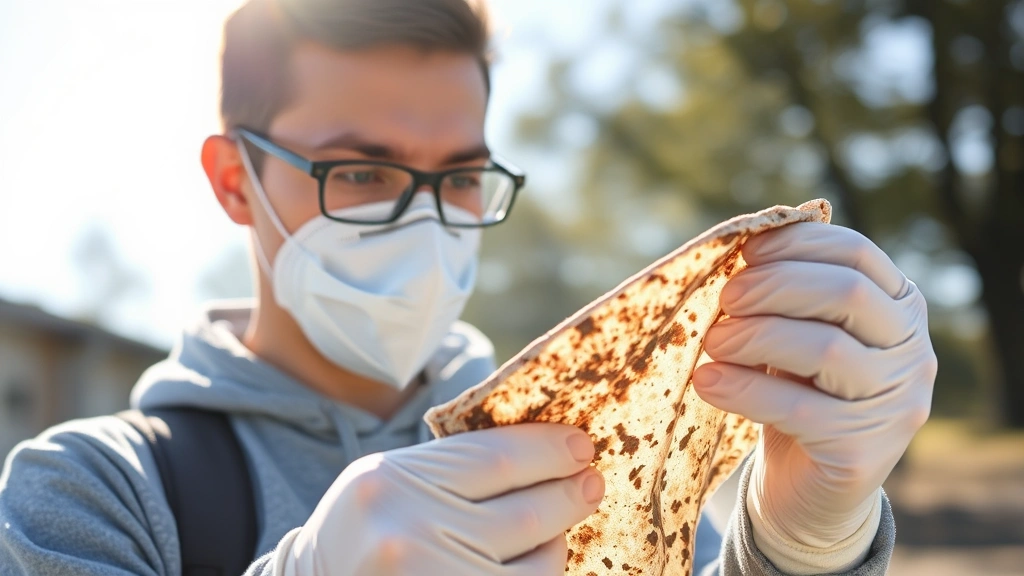
Before tackling mold removal, protect yourself properly. Mold spores can trigger allergic reactions, asthma attacks, and respiratory issues. Wear an N95 or KN95 mask to prevent inhaling spores. Use gloves to protect your skin from irritation and chemical exposure. Work in a well-ventilated area, preferably outdoors or near an open window, to minimize spore inhalation.
If you have mold sensitivity, asthma, or a compromised immune system, consider having someone else handle the cleaning or wear additional protective equipment including eye protection. Never mix cleaning chemicals, especially bleach with ammonia or vinegar, as this creates toxic fumes. Keep children and pets away from the cleaning area during the process.
Wash your hands thoroughly after handling moldy clothes, and immediately change clothes after cleaning to avoid transferring spores. Consider wearing disposable coveralls if you’re dealing with extensive mold growth. These precautions might seem excessive but they protect your health during the cleaning process.
Assessing Mold Damage Severity
Examine the affected garment carefully to determine if it’s worth saving. Light surface mold that hasn’t penetrated deep into the fabric can usually be removed successfully. Look for visible mold spots, discoloration, or musty smells. Gently brush the fabric to see if mold comes off easily or if it’s deeply embedded.
Check the fabric type and construction. Delicate fabrics like silk or lace are harder to treat without damage. Dense, sturdy fabrics like cotton, denim, and wool generally respond better to cleaning methods. Assess the extent of coverage—if mold covers more than 30% of the garment or appears on multiple locations, removal becomes increasingly difficult.
Consider the garment’s value and sentimental importance. Expensive designer pieces or irreplaceable items warrant more aggressive treatment attempts. Inexpensive or easily replaceable clothing might not justify the time and effort required for thorough mold removal. Make this assessment before investing significant resources in cleaning.
Cleaning Methods for Mold Removal
Dry Brushing Method: For light surface mold, take the garment outside and use a soft-bristled brush to gently brush away visible mold. The outdoor setting prevents spores from spreading inside your home. Work in sunlight when possible, as UV rays help kill remaining spores. This method works best for early-stage mold that hasn’t penetrated the fabric.
Brush in one direction to push mold off the fabric rather than working it deeper. Be gentle to avoid damaging delicate fibers. After brushing, leave the garment in direct sunlight for several hours. Sunlight acts as a natural antimicrobial agent and helps eliminate odors. This initial step often removes 50-70% of mold from lightly affected items.
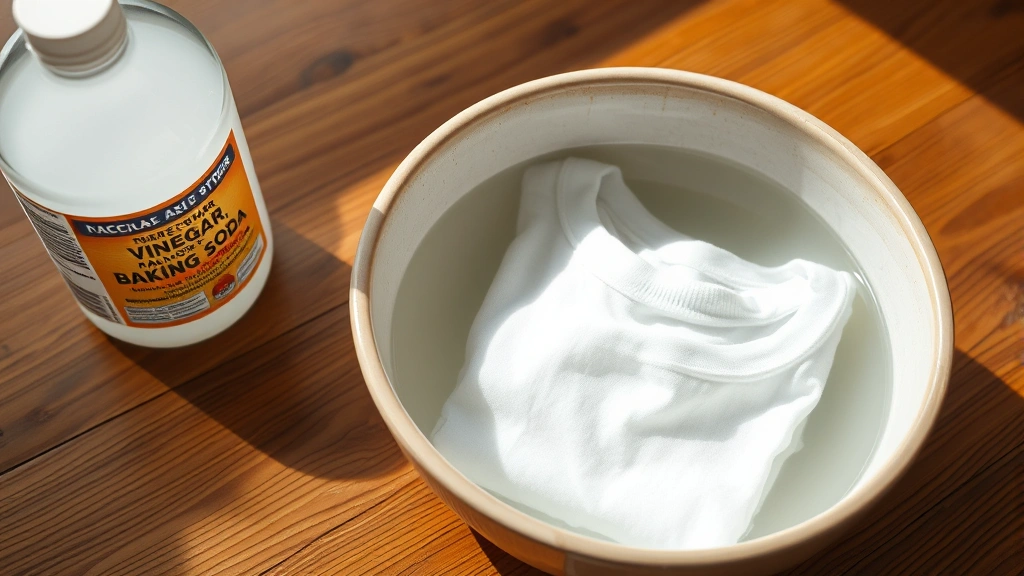
Vinegar Soak Method: White vinegar is an effective natural mold killer. Mix one part white vinegar with one part water in a bucket or bathtub. Submerge the moldy garment and let it soak for one to two hours. Vinegar’s acidity kills mold spores and breaks down their structure without damaging most fabrics.
After soaking, gently agitate the garment in the solution to work the vinegar into the fabric. For stubborn mold, create a paste of vinegar and baking soda, apply it directly to affected areas, and let it sit for 30 minutes before soaking. The combination of vinegar and baking soda provides enhanced cleaning power. Rinse thoroughly with clean water afterward.
Baking Soda Treatment: Baking soda absorbs odors and has mild antimicrobial properties. Sprinkle dry baking soda directly on moldy areas and let it sit for 24 hours to absorb moisture and smell. Brush off the powder and repeat if necessary. This method works particularly well for musty odors that linger after other cleaning methods.
For wet application, mix baking soda with water to create a paste. Apply it to mold spots, let it dry completely, then brush away the dried paste. Baking soda is gentle enough for delicate fabrics and won’t cause discoloration or damage. It’s also an excellent odor neutralizer for clothes that smell musty even after mold removal.
Natural and Chemical Solutions
Hydrogen Peroxide Treatment: Three-percent hydrogen peroxide effectively kills mold without the harshness of bleach. Test it on an inconspicuous area first, as it can cause slight bleaching on colored fabrics. Spray or soak the affected garment in hydrogen peroxide, let it sit for 10-15 minutes, then wash normally. This method works well for white or light-colored clothing.
Hydrogen peroxide is safer than bleach for most fabrics and doesn’t produce toxic fumes when combined with other cleaners. It breaks down into water and oxygen, leaving no harmful residue. For stubborn mold, apply hydrogen peroxide, let it sit longer, and repeat the process. Always rinse thoroughly after treatment.
Bleach Solution (For White Fabrics Only): Chlorine bleach is highly effective against mold but only suitable for white fabrics. Mix one part bleach with ten parts water. Soak the garment for 5-10 minutes, then wash immediately. Never leave bleach on fabric longer than necessary, as it weakens fibers and causes yellowing. Always test bleach on a hidden area first.
Oxygen bleach is a gentler alternative that works on colored fabrics. It’s less harsh than chlorine bleach but still effectively kills mold. Follow package directions for dilution and soaking time. Oxygen bleach won’t damage most fabrics or cause color loss, making it safer for delicate items.
Borax Solution: Borax is a natural mineral with powerful antifungal properties. Mix one cup of borax with one gallon of water. Soak the moldy garment for several hours or overnight. Borax is particularly effective for deeply embedded mold and musty odors. It’s safe for most fabrics but should be thoroughly rinsed out after treatment.
Borax also prevents future mold growth when added to wash water. Add half a cup to your regular laundry for items prone to mildew. It’s an excellent preventative measure for clothes stored in damp environments. Always wear gloves when handling borax solution and rinse garments thoroughly.
Commercial Mold Killers: Specialized mold-removal products designed for laundry offer convenience and proven effectiveness. Brands like Family Handyman’s recommended solutions provide detailed product comparisons. Follow package instructions carefully and test on inconspicuous areas first. These products often combine multiple active ingredients for enhanced mold elimination.
Always choose products specifically labeled for use on fabrics rather than hard surfaces. Some mold killers are too harsh for delicate clothing. Read reviews and check whether the product is safe for your specific fabric type before purchasing.
Drying and Post-Treatment Care
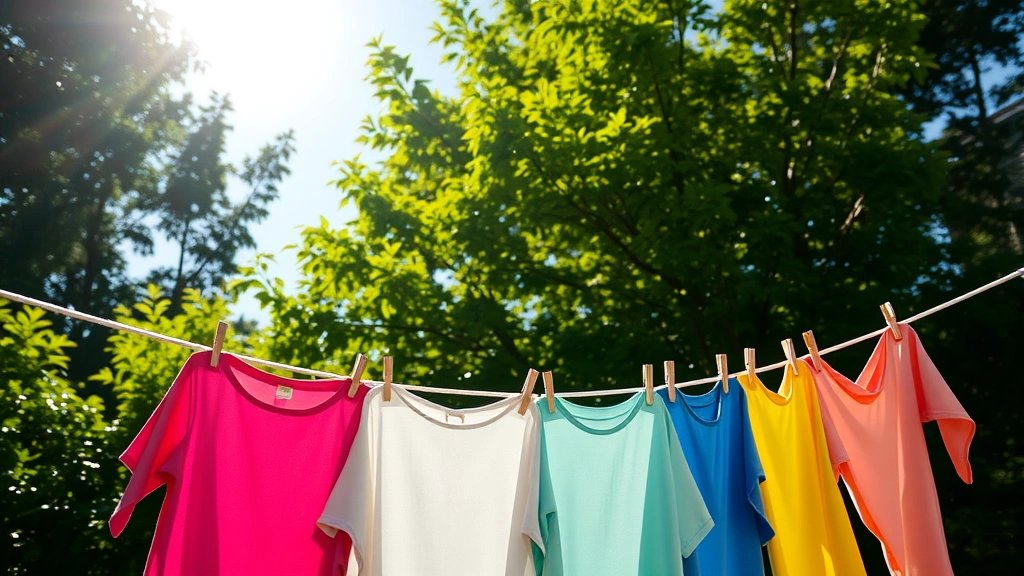
Proper drying is critical after mold treatment. Never put moldy clothes directly in the dryer, as heat can set stains and trap moisture that reactivates mold spores. Instead, hang garments outside in direct sunlight whenever possible. Sunlight’s UV rays kill remaining spores and eliminate odors naturally.
If outdoor drying isn’t possible, hang clothes indoors near a window or in front of a fan with good air circulation. Ensure the garment dries completely within 24 hours. Damp fabric left in a pile will develop mold again quickly. Use fans, dehumidifiers, or open windows to speed drying and reduce humidity.
After drying, wash the garment normally using your regular detergent and hot water (if the fabric allows). This final wash removes any remaining treatment residue and mold spores. Add white vinegar to the rinse cycle for additional antimicrobial benefits. Dry again using sunlight or air drying methods.
Check the garment carefully for remaining mold or musty smells before storing. If odors persist, repeat the baking soda treatment or use activated charcoal in the storage area. Fresh garments should smell clean before returning them to your closet to prevent recontamination of other items.
Prevention Strategies
The best approach to mold on clothes is preventing it from developing in the first place. Store clothes in a cool, dry environment with humidity below 50%. Use a dehumidifier in damp areas like basements or closets. Ensure adequate air circulation in storage spaces by leaving closet doors slightly open and avoiding overstuffing.
Never leave wet or damp clothes in the washer or dryer. Transfer items immediately to the dryer or clothesline. If you forget wet clothes and they develop a musty smell, rewash them with vinegar or borax. Store clothes only when completely dry—damp fabric creates ideal mold-growing conditions.
Use moisture-absorbing products in storage areas. Silica gel packets, activated charcoal, or commercial desiccants reduce humidity around stored clothing. Replace these products regularly as they absorb moisture. Store seasonal clothing in breathable containers rather than plastic bags, which trap moisture and promote mold growth.
Maintain proper closet ventilation by installing ventilation fans or leaving doors open for air circulation. Keep closets away from exterior walls in cold climates where condensation forms. Fix any water leaks or moisture problems in your home immediately, as these create conditions favoring mold growth.
Wash and dry clothes thoroughly before storing for extended periods. This removes any moisture and potential mold spores. Consider adding cedar blocks, lavender sachets, or moth balls to storage spaces—these provide mild antimicrobial benefits while deterring pests. Check stored clothes periodically, especially during humid seasons.
When to Discard Clothing
Some situations warrant discarding the garment rather than attempting removal. If mold covers more than 50% of the item, removal becomes impractical. When mold has penetrated deeply into thick fabrics and multiple cleaning attempts fail, the garment should be discarded. Extensive mold damage compromises fabric integrity and cleaning effectiveness.
Discard clothing if it shows structural damage from mold, such as holes, weakened fibers, or severe discoloration that won’t come clean. If the garment is inexpensive and easily replaceable, the time and resources required for mold removal often exceed the item’s value. Trust your judgment about whether saving the piece makes sense.
For items with sentimental value, attempt multiple cleaning methods before giving up. However, if professional dry cleaning quotes exceed the garment’s replacement cost, disposal becomes the practical choice. Properly dispose of moldy clothing by sealing it in a plastic bag before placing it in the trash to prevent spore spread.
Never donate moldy clothing to thrift stores or charities. This spreads mold to other garments and creates liability issues. Discard affected items responsibly. If you’re unsure whether a garment is salvageable, consult professional dry cleaners who have additional resources and expertise for difficult mold removal cases.
FAQ
Can all types of fabric be treated for mold?
Most fabrics can be treated, but delicate materials like silk, satin, and lace require gentler methods. Avoid harsh chemicals on these fabrics and use mild solutions like vinegar or baking soda. Test any treatment on a hidden area first. Sturdy fabrics like cotton and wool respond well to most cleaning methods.
How long does mold removal take?
Simple surface mold can be removed in a few hours using dry brushing and sunlight. More stubborn mold requires overnight soaking and multiple treatment cycles, taking 24-48 hours total. Drying time adds another 24 hours, so plan for 2-3 days for complete mold removal and drying.
Will mold return after cleaning?
Mold returns if storage conditions remain damp. Proper storage with humidity control, air circulation, and moisture-absorbing products prevents recontamination. If you clean clothes thoroughly but store them in damp environments, mold will likely develop again within weeks.
Is it safe to wear clothes after mold treatment?
Yes, once clothes are completely dry and thoroughly rinsed, they’re safe to wear. Make sure all treatment residue is removed by washing in regular detergent. Ensure the garment is fully dry before wearing to prevent moisture from reactivating mold spores.
Can professional dry cleaners remove mold?
Professional dry cleaners have specialized equipment and expertise for mold removal. They use industrial-strength treatments and proper drying methods. For valuable garments or stubborn mold, professional cleaning is worth the investment. Get quotes before deciding, as costs can be substantial for extensive mold damage.
What’s the difference between mold and mildew on clothes?
Mildew is actually a type of mold—specifically surface mold that’s easier to remove. Both are fungi requiring similar treatment methods. Mildew appears as surface stains while deeper mold penetrates fabric more severely. Treatment approaches are largely the same for both.
Can I use my regular washing machine for moldy clothes?
Yes, but run an empty hot water cycle with vinegar or bleach afterward to clean the machine. This prevents mold spores from contaminating other laundry. If your machine has a self-clean function, use it after washing moldy items. Pre-soak heavily molded clothes outside the machine when possible.

Related Posts

Superscript in Google Docs: Expert Tips

Strikethrough in Excel: Easy Steps for Beginners
