
Repair Damaged Hair: Expert Tips & Tricks
How to Fix Damaged Hair: Expert Tips & Tricks for Restoration
Damaged hair is one of the most common hair concerns, affecting millions of people worldwide. Whether your hair has suffered from heat styling, chemical treatments, environmental stress, or simply years of neglect, the good news is that restoration is possible. Understanding the root causes of damage and implementing targeted repair strategies can transform your hair from brittle and lifeless to healthy and vibrant.
Hair damage occurs when the protective outer layer, called the cuticle, becomes compromised. This allows moisture to escape and makes hair more susceptible to breakage, frizz, and split ends. The journey to healthier hair requires patience, consistency, and the right combination of treatments and preventative measures. In this comprehensive guide, we’ll walk you through proven methods to repair damaged hair and maintain your results long-term.
Understanding Hair Damage: Causes and Types
Before you can effectively repair damaged hair, you need to understand what caused the damage in the first place. Hair damage manifests in several distinct ways, and identifying your specific type of damage will help you choose the most appropriate treatment strategy.
Heat damage is among the most common culprits. Blow dryers, flat irons, curling wands, and other heat styling tools can strip moisture from your hair shaft when used without proper protection. Repeated exposure to temperatures exceeding 300 degrees Fahrenheit causes the protein structure of your hair to break down, leading to frizz, breakage, and loss of shine.
Chemical damage results from hair coloring, bleaching, perming, or relaxing treatments. These processes alter the chemical bonds within your hair structure. While these treatments can create beautiful results, they require careful maintenance to prevent permanent damage. Chemical damage often appears as dry, straw-like texture and increased breakage.
Environmental damage includes harm from UV rays, pollution, chlorine, and salt water. Sun exposure can fade hair color and weaken the protein structure, while chlorine and salt water can leave hair feeling brittle and discolored. These environmental stressors accumulate over time, creating cumulative damage.
Understanding these categories helps you take targeted action. If your damage stems from heat styling, you’ll need robust heat protection. If it’s from chemical treatments, protein-rich products become essential. Environmental damage requires protective barriers and antioxidant-rich treatments.
Deep Conditioning Treatments and Masks
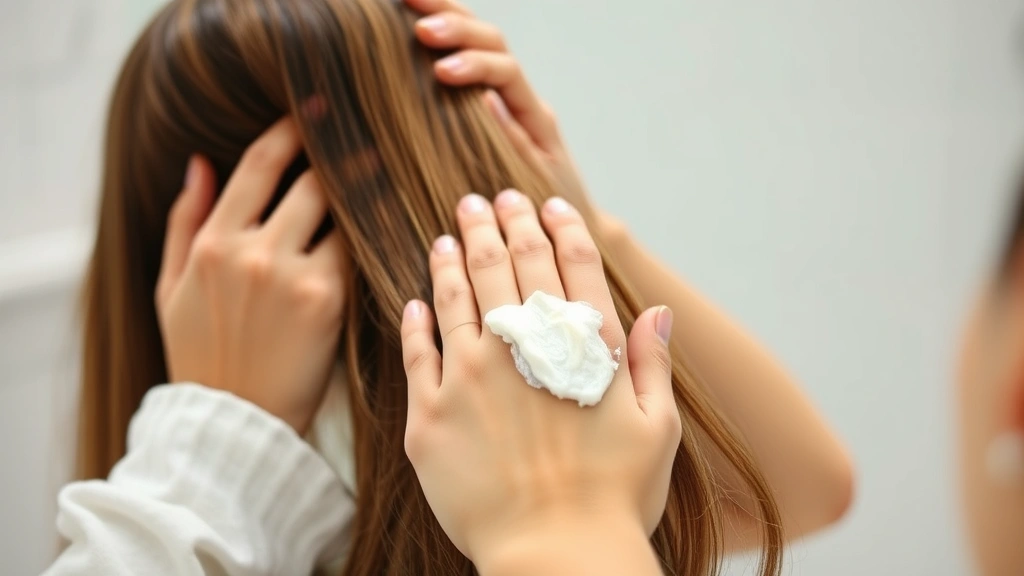
Deep conditioning is the foundation of any hair repair regimen. Unlike regular conditioner applied to the ends during shampooing, deep conditioning treatments penetrate the hair shaft to restore moisture and protein from within. These intensive treatments should be used weekly for damaged hair.
Protein-based treatments are crucial for repairing structural damage. Keratin, collagen, and wheat protein treatments fill in gaps within the hair cuticle and strengthen the protein matrix. These are especially important if your hair has undergone chemical treatments or excessive heat styling. Apply protein treatments for 15-30 minutes, or follow package instructions, then rinse thoroughly with cool water to seal the cuticle.
Moisture-rich masks address dryness and brittleness. Look for products containing ingredients like argan oil, coconut oil, shea butter, or hyaluronic acid. These ingredients penetrate the hair shaft and provide lasting hydration. For severely damaged hair, leave-in conditioners offer continuous moisture throughout the day and can be particularly beneficial for split ends.
DIY deep conditioning treatments offer cost-effective alternatives using ingredients you likely have at home. A mixture of coconut oil, honey, and avocado creates a nourishing mask. Combine one ripe avocado, two tablespoons of honey, and three tablespoons of coconut oil. Apply this mixture from mid-shaft to ends, cover with a shower cap, and leave for 20-30 minutes before shampooing thoroughly. This DIY approach works surprisingly well and costs a fraction of commercial treatments.
Another effective home remedy combines olive oil with eggs. The protein in eggs repairs damage while olive oil provides deep moisture. Mix two eggs with four tablespoons of olive oil, apply to damp hair, and leave for 15-20 minutes. The key to success with any deep conditioning treatment is consistency—make it a weekly habit to see significant improvement within 4-6 weeks.
Professional Salon Treatments
While at-home treatments are valuable, professional salon treatments offer advanced solutions for severely damaged hair. These treatments utilize concentrated formulations and professional-grade equipment that aren’t available for consumer use.
Keratin treatments have revolutionized hair repair for many people. These semi-permanent treatments coat the hair shaft with keratin protein, smoothing the cuticle and reducing frizz. They’re particularly effective for chemically treated or heat-damaged hair. Results typically last 6-12 weeks depending on your hair type and maintenance routine. However, keratin treatments work best when combined with proper daily care to maintain results.
Olaplex and similar bond-repair treatments work on a molecular level to repair broken disulfide bonds within the hair structure. These treatments are especially valuable if your hair has undergone bleaching or other intensive chemical processes. The science behind bond-repair technology shows measurable improvements in hair strength and elasticity after just one or two sessions.
Protein infusion treatments delivered through professional systems penetrate deeper than home products. Salons can customize these treatments based on your hair’s specific needs. A trained colorist or stylist can assess your damage level and recommend the appropriate strength and type of protein treatment.
When choosing a professional treatment, research salons carefully and read reviews from clients with similar hair types and damage levels. Ask your stylist about their experience with your specific hair concerns. Professional treatments represent a significant investment, so ensure you understand the maintenance requirements before committing.
Heat Protection and Styling Techniques
Preventing further damage is just as important as repairing existing damage. If you continue using heat styling tools without protection, you’ll find yourself in a never-ending cycle of damage and repair.
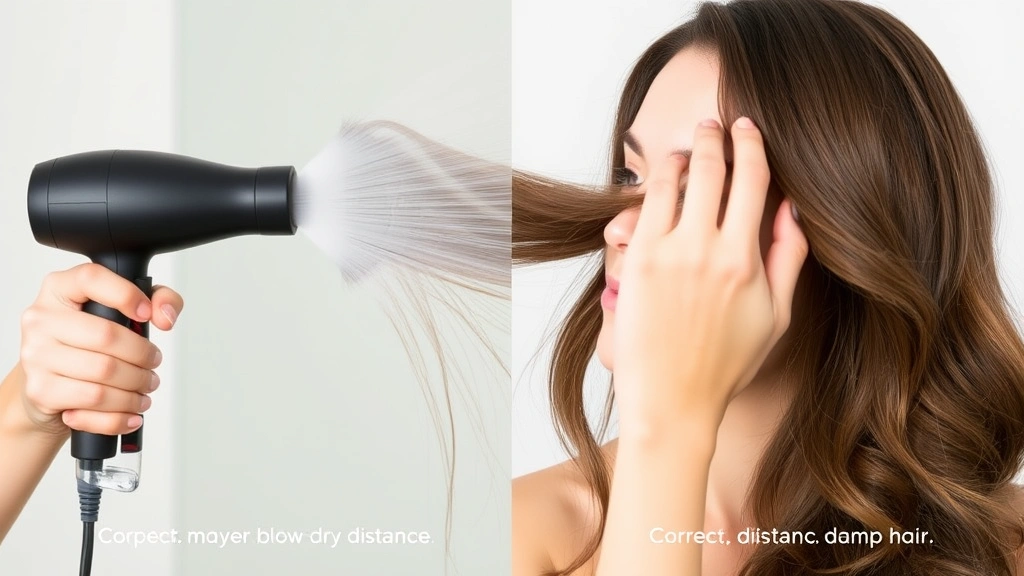
Heat protectant sprays and serums create a barrier between your hair and heat styling tools. These products typically contain silicones or polymers that coat the hair shaft and reduce moisture loss. Apply heat protectant to damp hair before blow-drying, and use it again before using flat irons or curling wands. This simple step can dramatically reduce heat damage over time.
Proper heat tool technique matters significantly. Always use the lowest effective temperature for your hair type. Fine or damaged hair needs lower temperatures—typically 250-300 degrees Fahrenheit—while thicker hair can tolerate 350 degrees. Move your styling tool slowly and deliberately rather than repeatedly going over the same section. Never use heat tools on soaking wet hair; wait until hair is at least 70 percent dry.
Air-drying methods eliminate heat damage entirely. Invest in microfiber towels or t-shirts to dry your hair, which reduces friction damage compared to regular towels. Apply leave-in conditioner to damp hair, then allow it to air dry naturally or use a low-heat, low-speed setting on your blow dryer. Embracing your natural texture, even if it’s wavy or curly, reduces your reliance on heat styling.
Styling tool alternatives can minimize heat exposure. Velcro rollers create volume without heat, braiding creates texture, and strategic use of hair clips and pins can create styled looks without any heat damage. When you do use heat tools, limit it to special occasions rather than daily styling.
Nutrition and Internal Hair Health
Hair health starts from within. The nutrients you consume directly impact hair strength, growth, and resilience. Damaged hair often indicates nutritional deficiencies that need addressing from the inside out.
Protein intake is fundamental since hair is primarily made of keratin protein. Ensure you’re consuming adequate protein daily through sources like chicken, fish, eggs, legumes, and dairy. If you follow a vegetarian or vegan diet, combine plant-based proteins strategically to get all essential amino acids. Aim for 0.8 grams of protein per kilogram of body weight daily.
Biotin and B vitamins support hair strength and growth. Biotin, also called vitamin B7, is particularly important for keratin production. You can find biotin in eggs, almonds, sweet potatoes, and spinach. B vitamins support overall hair health and can reduce hair loss. Consider a B-complex supplement if your diet lacks these nutrients.
Iron and zinc deficiencies commonly cause hair breakage and damage. Iron carries oxygen to hair follicles, while zinc supports tissue repair and protein synthesis. Red meat, oysters, chickpeas, and pumpkin seeds are excellent sources. If you suspect deficiency, ask your doctor about testing and supplementation.
Omega-3 fatty acids reduce inflammation and support scalp health. Fatty fish like salmon, sardines, and mackerel provide EPA and DHA. Plant-based alternatives include flaxseeds, chia seeds, and walnuts. These healthy fats improve hair texture and reduce breakage significantly.
Vitamin C and antioxidants protect hair from oxidative stress and environmental damage. Citrus fruits, berries, and leafy greens provide these protective compounds. Vitamin C also supports collagen production, which strengthens hair structure.
Hydration deserves special mention—drink adequate water daily to support hair hydration from within. Most experts recommend at least 8-10 glasses daily, though individual needs vary based on activity level and climate. Proper hydration makes a measurable difference in hair texture and breakage rates within 2-3 weeks.
Daily Hair Care Routine for Damaged Hair
Establishing a consistent daily routine specifically designed for damaged hair accelerates repair and prevents further deterioration. This routine should be gentle yet effective.
Shampooing frequency matters more than most people realize. Washing hair too frequently strips natural oils, accelerating damage. For damaged hair, limit shampooing to 2-3 times weekly. When you do shampoo, use sulfate-free formulas designed for damaged or color-treated hair. These gentler cleansers remove dirt and buildup without stripping protective oils.
Proper shampooing technique prevents unnecessary damage. Wet your hair thoroughly with lukewarm water, then apply shampoo primarily to the scalp. Gently massage the scalp with your fingertips—never use your nails. Allow the shampoo to rinse down the hair shaft naturally; avoid vigorously scrubbing the mid-lengths and ends where damage is most prevalent.
Conditioning strategy should target the most damaged areas. Apply conditioner generously to mid-lengths and ends, leaving the scalp area mostly untouched. Leave conditioner on for at least 3-5 minutes to allow penetration. For severely damaged hair, consider using a rinse-out conditioner on mid-lengths and ends, then a deeper mask on the most damaged sections.
Rinsing technique significantly impacts results. Always rinse with cool water rather than hot, as cool water seals the hair cuticle and locks in moisture. This final cool rinse is crucial—it takes just 30 seconds but provides noticeable improvement in shine and smoothness.
Drying method sets the tone for your entire day. Gently squeeze excess water from your hair using a microfiber towel or soft t-shirt. Never wring or twist your hair, as wet hair is most vulnerable to breakage. If using a blow dryer, use low heat and low speed settings.
Leave-in products provide continuous protection and moisture. Apply leave-in conditioner or hair serum to damp hair, focusing on mid-lengths and ends. These products remain in your hair throughout the day, providing ongoing benefits. For very damaged hair, apply leave-in conditioner twice daily—once after washing and once before bed.
When to Trim and Cut Damaged Ends
Sometimes, despite your best efforts, damaged hair simply cannot be fully repaired. This is where strategic trimming becomes essential. Understanding when and how to trim prevents further splitting and promotes healthier growth.
Identifying split ends requires close inspection. Split ends occur when the protective cuticle completely wears away, causing the hair shaft to fray. Look for hair strands that appear frayed, forked, or fuzzy at the ends. If the majority of your ends show this damage, trimming is necessary.
Trim frequency depends on damage severity. Healthy hair typically needs trimming every 6-8 weeks. Damaged hair often benefits from more frequent trims—every 4-6 weeks—to prevent split ends from traveling up the hair shaft. Some people find that frequent small trims are more effective than infrequent drastic cuts.
Strategic cutting approaches preserve length while removing damage. Ask your stylist for a blunt cut at the ends, which seals the hair shaft better than layered or textured cuts. Discuss removing only the minimum necessary length to eliminate damage. A skilled stylist can work with you to maintain your desired length while gradually improving overall hair health.
The hair map technique helps identify which sections need trimming most. Look at your hair in sections—top, bottom, left, and right. Often, the lower layers and ends are most damaged while upper layers remain relatively healthy. Your stylist can adjust trimming accordingly, removing more from damaged sections and less from healthier areas.
Remember, trimming isn’t giving up on damaged hair—it’s an investment in future hair health. Removing split ends prevents them from splitting further up the hair shaft, which would require removing even more length later. Regular strategic trims combined with proper care create a positive cycle of improving hair health.
For additional guidance on personal care and self-improvement, visit the FixWiseHub Blog for comprehensive how-to guides. You might also explore related topics like how to clean jewelry, which teaches detailed care techniques applicable to many aspects of personal maintenance.
FAQ
How long does it take to repair damaged hair?
Hair repair is a gradual process. You’ll notice visible improvement in texture and shine within 2-4 weeks of consistent treatment. Significant structural repair typically takes 8-12 weeks. However, complete repair of severely damaged hair can take 6 months or longer, especially if you’re growing out damaged sections rather than cutting them off. Patience and consistency are essential.
Can damaged hair be completely repaired?
Severely damaged hair cannot be completely repaired because hair is technically dead tissue. However, you can dramatically improve its appearance and health through proper treatment and maintenance. The most effective approach combines intensive repair treatments with regular trimming of the most damaged ends, gradually replacing damaged hair with healthy new growth.
What’s the best product for damaged hair?
The best product depends on your specific damage type. For heat damage, prioritize heat protectants and protein treatments. For chemical damage, focus on protein-rich and moisture-rich products. Look for products from reputable brands like This Old House resources or consult with a professional stylist who can recommend products tailored to your hair’s specific needs. Generally, sulfate-free shampoos and deep conditioning masks are universally beneficial.
Is coconut oil good for damaged hair?
Coconut oil can be beneficial for damaged hair, but it’s not universal. It works well for dry, damaged hair and helps reduce protein loss. However, coconut oil can be too heavy for fine or thin hair, potentially making it look limp. Test coconut oil on a small section first. For best results, use it in deep conditioning masks rather than as a leave-in product, unless you have thick, curly hair.
Should I use heat protectant every time I use heat tools?
Yes, absolutely. Using heat protectant should be non-negotiable whenever you use any heat styling tool. It dramatically reduces heat damage and protects your investment in repair treatments. Even if you’re using low heat settings, heat protectant provides an additional protective barrier. Make it as routine as applying sunscreen before sun exposure.
Can I repair damaged hair without cutting it?
You can improve damaged hair significantly without cutting it, especially if the damage is primarily internal rather than split ends. Intensive treatments, proper care routines, and heat protection can restore shine, smoothness, and strength. However, if split ends are prevalent, cutting is often necessary to prevent further damage. The ideal approach combines both treatment and strategic trimming.
How often should I deep condition damaged hair?
For severely damaged hair, deep condition weekly. For moderately damaged hair, 2-3 times weekly is ideal. Once your hair improves, reduce to weekly treatments for maintenance. Listen to your hair—if it feels dry or brittle, increase frequency. You can also adjust based on seasons; many people need more frequent deep conditioning in winter when heating systems dry out indoor air.
Are professional treatments worth the cost?
Professional treatments can be worthwhile for severely damaged hair, especially if you’ve tried at-home treatments without sufficient results. Keratin treatments and bond-repair treatments offer results that home products often cannot match. However, they require maintenance and proper daily care to maintain benefits. Consider professional treatments as part of a comprehensive approach rather than a standalone solution. Consult with a professional stylist to determine if professional treatment is appropriate for your specific situation, similar to how Family Handyman recommends professional assessment for complex projects.

Related Posts

Superscript in Google Docs: Expert Tips

Strikethrough in Excel: Easy Steps for Beginners
