
Hydrangea Care Tips: Expert Gardener’s Guide
Hydrangea Care Tips: Expert Gardener’s Guide
Hydrangeas are among the most rewarding flowering shrubs for home gardeners, offering stunning blooms in shades of pink, blue, purple, and white. Whether you’re a seasoned gardener or just beginning to cultivate your landscape, understanding how to care for hydrangeas is essential for achieving those picture-perfect blooms year after year. These versatile plants thrive in various climates and soil conditions, making them accessible to gardeners across North America.
The key to successful hydrangea cultivation lies in mastering a few fundamental care practices: proper watering, strategic pruning, appropriate fertilization, and understanding your specific hydrangea variety. With the right knowledge and consistent attention, you can transform your garden into a hydrangea showcase that blooms magnificently from early summer through fall. This comprehensive guide will walk you through every aspect of hydrangea care, from planting to seasonal maintenance.

Understanding Your Hydrangea Variety
Before implementing any care regimen, you must identify which type of hydrangea you’re growing. The most common varieties include bigleaf (Hydrangea macrophylla), panicle (Hydrangea paniculata), oakleaf (Hydrangea quercifolia), and smooth hydrangeas (Hydrangea arborescens). Each variety has unique requirements and blooming characteristics that influence your overall care strategy.
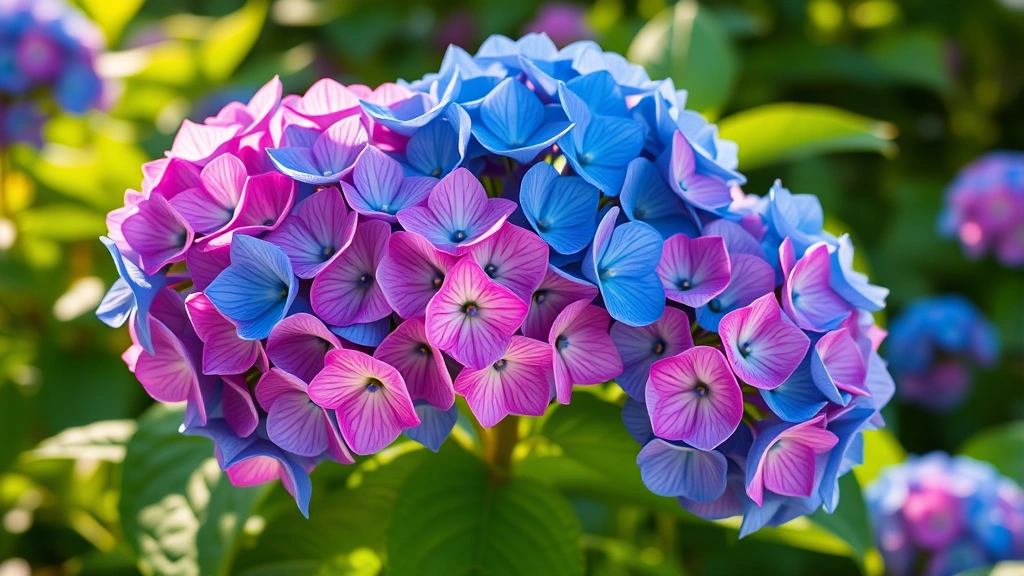
Bigleaf hydrangeas are the most popular choice among gardeners, known for their large, colorful mophead or lacecap flowers. These plants are particularly interesting because their bloom color can shift based on soil pH—acidic soils produce blue flowers, while alkaline soils yield pink blooms. If you’re interested in exploring other houseplant options alongside your outdoor garden, you might appreciate our guide on how to care for a money tree, which shares similar principles of environmental adaptation.
Panicle hydrangeas produce elongated flower clusters and are exceptionally hardy, thriving in colder climates where bigleaf varieties struggle. Oakleaf hydrangeas feature distinctive lobed foliage and white flower spikes, offering visual interest even when not blooming. Smooth hydrangeas, like the popular ‘Annabelle’ variety, produce massive white flower clusters and are incredibly forgiving for beginners.

Optimal Growing Conditions
Hydrangeas flourish when provided with the right environmental conditions. Most varieties prefer partial shade, receiving 3-6 hours of direct sunlight daily. While some cultivars tolerate full sun, afternoon shade protects delicate flowers from scorching, particularly in hot climates. Morning sun exposure helps dry dew, reducing fungal disease susceptibility.
Soil composition dramatically impacts hydrangea health and longevity. These plants prefer well-draining, slightly acidic to neutral soil rich in organic matter. Before planting, amend heavy clay soils with compost, peat moss, or coconut coir to improve drainage. Poor drainage leads to root rot and fungal infections, common problems that compromise plant vigor.
Temperature considerations vary by variety. Bigleaf hydrangeas are sensitive to extreme cold and prefer USDA zones 5-11, while panicle hydrangeas tolerate zones 3-8. Check your regional hardiness zone and select varieties suited to your climate. Late spring frosts can damage emerging flower buds on bigleaf hydrangeas, so positioning plants where morning sun gradually warms them helps mitigate frost damage.
Wind exposure should be minimized when possible. Strong winds desiccate foliage and can damage flower clusters. Planting hydrangeas near structures or within protective hedgerows creates microclimates that enhance overall plant performance.
Watering Your Hydrangeas
Proper hydration is perhaps the single most critical aspect of successful hydrangea care. These plants earned their name from their prodigious water requirements—”hydrangea” literally means “water vessel.” Inconsistent watering leads to wilting, reduced blooming, and increased disease susceptibility.
Established hydrangeas require approximately 1-1.5 inches of water weekly, either from rainfall or supplemental irrigation. During hot, dry periods, increase frequency to prevent stress. Water deeply at the soil level rather than overhead, directing moisture to the root zone where it’s needed most. Overhead watering wets foliage, creating conditions favorable for powdery mildew and other fungal diseases.
Young, newly planted hydrangeas need more frequent watering—potentially daily during the first growing season—as their root systems haven’t fully established. Mulching around plants with 2-3 inches of organic material helps retain soil moisture, moderates temperature fluctuations, and suppresses weeds. Use hardwood mulch or aged bark rather than fresh wood chips, which can introduce pathogens.
Container-grown hydrangeas dry out rapidly and need daily watering during growing season, sometimes twice daily in peak summer heat. Check soil moisture by inserting your finger 2 inches into the soil; if it feels dry, water thoroughly until moisture drains from container bottom.
Morning watering is ideal, allowing foliage to dry throughout the day and reducing disease pressure. Avoid evening watering, which leaves plants wet overnight—a condition that encourages fungal development. During dormancy in winter, reduce watering frequency significantly, providing just enough moisture to prevent soil from completely drying.
Fertilizing and Soil Management
Hydrangeas are moderate feeders that don’t require excessive fertilization. Over-fertilizing promotes leafy growth at the expense of flowers and can burn delicate roots. A balanced approach yields the best results.
Apply fertilizer in spring as new growth emerges, using a balanced formula like 10-10-10 or a product specifically formulated for hydrangeas. Follow package directions carefully, applying at the recommended rate. Many gardeners achieve excellent results with slow-release granular fertilizers applied once in early spring, providing steady nutrition throughout the growing season.
If you want to influence hydrangea bloom color, soil pH management becomes essential. To achieve blue flowers, maintain soil pH between 5.0-5.5 by adding sulfur or aluminum sulfate. For pink blooms, increase pH to 6.0-6.5 by incorporating lime. Adjustments take time—typically several months—so plan ahead if you’re targeting specific colors.
Organic gardeners can incorporate compost into planting holes and apply it annually as a top dressing, which improves soil structure while providing slow-release nutrients. Bone meal added at planting time supplies phosphorus for root development and flower production.
Avoid high-nitrogen fertilizers, which encourage excessive vegetative growth and reduce flowering. Foliar feeding—spraying diluted liquid fertilizer directly on leaves—can provide quick nutrient boosts during growing season but shouldn’t replace soil-applied fertilizers.
For container hydrangeas, use premium potting soil amended with compost. These plants require more frequent fertilizing since container nutrients leach away with regular watering. Feed every 2-3 weeks during growing season with diluted liquid fertilizer.
Pruning Techniques
Strategic pruning rejuvenates hydrangeas, promotes abundant flowering, and maintains attractive plant architecture. Pruning requirements vary significantly by variety, so understanding your specific type is crucial before making cuts.
Bigleaf hydrangeas bloom on old wood—flower buds form in late summer and persist through winter. Prune these plants immediately after flowering in late summer, removing spent flower clusters and crossing branches. Avoid pruning in fall or spring, as you’ll remove developing flower buds. If frost damage occurs, wait until new growth emerges before pruning damaged canes.
Panicle and smooth hydrangeas bloom on new wood, so they’re more forgiving. Prune these varieties in late winter or early spring before new growth begins, cutting stems back by one-third to one-half their length. This encourages vigorous new growth and abundant flowering. Deadheading spent flowers throughout summer promotes continued blooming.
Oakleaf hydrangeas require minimal pruning. Remove dead wood in spring and thin out crossing branches, but avoid aggressive pruning which reduces flowering. These plants naturally develop attractive multi-stemmed forms.
When pruning, use sharp, clean pruning shears to make cuts at 45-degree angles just above outward-facing buds. Remove all dead, diseased, or damaged wood first. For overgrown plants, implement renewal pruning by cutting one-third of the oldest canes to ground level annually over three years, which gradually rejuvenates without sacrificing bloom.
Deadheading—removing spent flowers—encourages continued blooming and improves plant appearance. Leave flowers on plants in fall if you want winter interest, as dried seed heads add architectural beauty to dormant gardens.
Seasonal Care Calendar
Spring (March-May): As temperatures warm, hydrangeas emerge from dormancy. Apply balanced fertilizer in early spring, increase watering frequency as growth accelerates, and mulch around plants. Prune panicle and smooth varieties before new growth begins. Watch for emerging pests like spider mites and aphids, addressing infestations early with insecticidal soap if necessary.
Summer (June-August): Maintain consistent watering, providing 1-1.5 inches weekly. Deadhead spent flowers to encourage continued blooming. Monitor for diseases like powdery mildew, ensuring good air circulation around plants. In peak heat, afternoon shade becomes increasingly important. Apply additional mulch if needed to maintain moisture retention.
Fall (September-November): Reduce fertilizing in late summer to harden off plants before winter. Allow bigleaf hydrangea flowers to remain on plants for fall color and winter interest. Gradually reduce watering as temperatures cool and growth slows. In late fall, apply a thick mulch layer (4-6 inches) around northern-grown plants to insulate roots from freezing temperatures.
Winter (December-February): Dormant hydrangeas require minimal care. Reduce watering significantly—provide just enough to prevent soil from completely drying. In harsh climates, consider wrapping bigleaf hydrangeas with burlap to protect flower buds from extreme cold and desiccating winds. Prune dead or damaged branches after severe weather.
Troubleshooting Common Problems
Even with diligent care, hydrangeas sometimes encounter problems. Recognizing symptoms early allows for prompt intervention.
No flowers or reduced flowering is the most common complaint. This usually results from incorrect pruning timing, particularly cutting bigleaf hydrangeas at the wrong season. Insufficient light, inadequate water, or over-fertilizing with nitrogen can also suppress blooming. Ensure plants receive adequate sunlight and water consistently throughout growing season.
Brown or wilted leaves typically indicate water stress. Check soil moisture—if dry, water deeply and thoroughly. If soil is soggy, poor drainage is likely; improve drainage by amending soil with compost or creating raised planting areas. Reduce watering frequency slightly.
Powdery mildew appears as white coating on leaves, particularly in humid conditions with poor air circulation. Improve air flow by pruning out crossing branches, spacing plants adequately, and avoiding overhead watering. Apply fungicide if infection is severe, following product directions carefully.
Yellowing leaves can indicate nutrient deficiency, particularly iron chlorosis in alkaline soils. Apply chelated iron according to package directions, or lower soil pH by incorporating sulfur. Yellow leaves may also result from overwatering or disease.
Pest infestations including spider mites, aphids, and Japanese beetles occasionally trouble hydrangeas. Monitor plants regularly, checking undersides of leaves for pest damage. Address minor infestations with strong water spray or insecticidal soap. For severe infestations, consult your local FixWise Hub Blog or university extension service for region-specific recommendations.
If you’re managing multiple plants and looking for organizational tips, our guide on how to clean an oven demonstrates the same systematic approach we recommend for garden maintenance schedules.
For professional guidance on hydrangea cultivation in your specific region, consult resources like This Old House’s gardening section or Family Handyman’s hydrangea growing guide. These authoritative sources offer region-specific advice and troubleshooting tips from experienced horticulturists.
FAQ
What’s the best time to plant hydrangeas?
Spring and fall are ideal planting seasons, allowing plants to establish roots before extreme summer heat or winter cold. Spring planting gives plants the entire growing season to acclimate. Fall planting works well in mild climates but may stress plants in regions with harsh winters. Avoid planting during peak summer heat or late fall in cold climates.
Can I grow hydrangeas in containers?
Absolutely. Select a large container (at least 18-24 inches diameter) with drainage holes, fill with premium potting soil amended with compost, and choose a compact variety like ‘Oakazuki’ or ‘Blushing Bride’. Container hydrangeas require more frequent watering and fertilizing than in-ground plants. Bring tender varieties indoors in harsh climates or provide heavy mulch protection.
How do I change hydrangea flower color?
Flower color depends on soil pH and aluminum availability. Acidic soil (pH 5.0-5.5) produces blue flowers; neutral to slightly alkaline soil (pH 6.0-6.5) yields pink blooms. Add aluminum sulfate or sulfur to acidify soil for blue flowers, or apply lime to raise pH for pink blooms. Changes take several months, so adjust soil chemistry in fall for spring color results.
When should I prune my hydrangeas?
Timing depends on variety. Prune bigleaf hydrangeas immediately after summer flowering (July-August) since they bloom on old wood. Prune panicle and smooth hydrangeas in late winter (February-March) before growth begins, as they bloom on new wood. Oakleaf hydrangeas need minimal pruning; remove dead wood in spring only.
Why aren’t my hydrangeas blooming?
Common causes include: incorrect pruning timing, insufficient sunlight (less than 3 hours daily), inconsistent watering, over-fertilizing with nitrogen, or frost damage to flower buds. Ensure plants receive adequate light, maintain consistent moisture, use balanced fertilizer, and avoid pruning bigleaf varieties at wrong times of year.
How often should I water hydrangeas?
Established hydrangeas need 1-1.5 inches of water weekly from rainfall or irrigation. Increase frequency during hot, dry periods. Newly planted hydrangeas may need daily watering for the first season. Container plants typically need daily watering during growing season. Check soil moisture regularly; water when top 2 inches feel dry.
Are hydrangeas toxic to pets?
Hydrangeas contain cyanogenic compounds that can cause mild gastrointestinal upset if ingested in large quantities. While rarely fatal, it’s best to prevent pets from consuming plant material. If your pet ingests significant hydrangea plant parts, contact your veterinarian immediately.

Related Posts

Superscript in Google Docs: Expert Tips

Strikethrough in Excel: Easy Steps for Beginners
