
How Long for Eyelashes to Grow Back? Expert Insights
How Long for Eyelashes to Grow Back? Expert Insights
Losing eyelashes can feel like a minor catastrophe. Whether you’ve experienced accidental over-plucking, aggressive makeup removal, or a medical condition, the anxiety about regrowth timelines is real. The good news? Your lashes will grow back, and understanding the process helps you manage expectations and take better care of them in the meantime.
Eyelash regrowth isn’t instantaneous, but it’s also not a months-long ordeal. The timeline depends on several factors, from how the lashes were lost to your overall health and lifestyle choices. This guide breaks down everything you need to know about eyelash regeneration, backed by dermatological science and practical tips for accelerating the process.
Think of eyelash recovery similarly to how your body heals from other temporary injuries—much like understanding how long it takes for dissolvable stitches to dissolve or the healing timeline for nose piercing healing, eyelash regrowth follows a natural biological rhythm that can’t be rushed but can be optimized.
Understanding the Eyelash Growth Cycle
Your eyelashes operate on a biological schedule that’s entirely independent of your desires for faster growth. Each lash goes through three distinct phases: the anagen phase (active growth), the catagen phase (transition), and the telogen phase (resting and shedding). Understanding this cycle is crucial for realistic expectations about regrowth.
During the anagen phase, lashes actively grow from the follicle. This is when they’re longest and strongest. The catagen phase is brief—lasting only a couple of weeks—where the lash stops growing and the follicle prepares for rest. Finally, the telogen phase can last several months, during which the lash remains stationary before naturally falling out and the cycle repeating.
On average, only about 40% of your upper eyelashes are in the growth phase at any given time. This staggered approach ensures you always have a full fringe rather than experiencing wholesale shedding. When you lose lashes through plucking or trauma, you’re interrupting this natural cycle, forcing the follicle to restart from scratch.
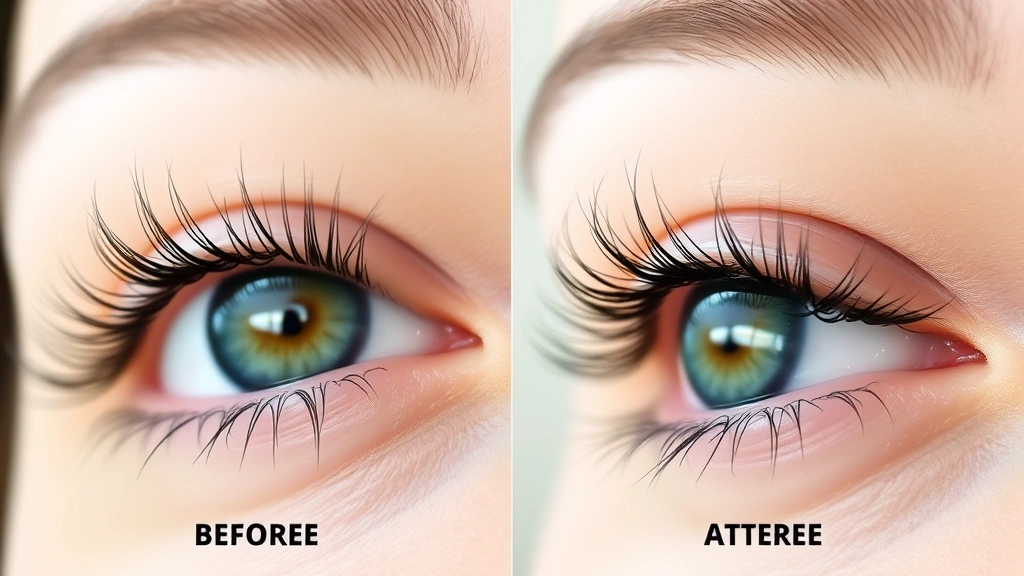
Timeline: How Long Eyelashes Take to Grow Back
Here’s what you’re looking at in terms of realistic timelines for eyelash regrowth:
- Weeks 1-2: Minimal visible growth. The follicle is initiating the anagen phase, but new lashes are microscopic.
- Weeks 3-4: Very fine, short hairs emerge. They’re barely noticeable but present.
- Weeks 5-8: Lashes become more visible and reach roughly one-third to one-half their normal length.
- Weeks 9-12: Most people notice significant improvement. Lashes are approaching their typical appearance.
- Weeks 13-16: Full regrowth for most individuals, assuming optimal conditions and no continued trauma.
The complete cycle typically takes 4 to 6 months for a full lash to grow from the follicle, shed, and be replaced. However, since not all lashes are at the same growth stage simultaneously, you won’t notice a complete transformation overnight. Patience is genuinely your best asset here.
Individual lash hairs grow approximately 0.12 to 0.14 millimeters per day. That might sound negligible, but it compounds quickly. A single lash can reach full length (typically 8 to 13 millimeters) in about two to three months of uninterrupted growth.

Factors That Influence Regrowth Speed
Not everyone’s lashes grow back at the same rate. Several variables determine how quickly your eyelashes recover:
Age and Genetics
Younger individuals typically experience faster eyelash regrowth than older adults. Your genetic makeup also plays a significant role—if your family members have naturally thick, fast-growing lashes, you’re likely to follow the same pattern. This is similar to how your body heals from other injuries; some people are simply wired for faster recovery.
Nutritional Status
Hair growth, including eyelashes, depends on adequate protein, biotin, iron, and zinc. Deficiencies in any of these nutrients can significantly slow regrowth. People with poor nutrition may see lash regrowth take 6 to 9 months instead of the typical 4 to 6 months. This is why maintaining a balanced diet isn’t just about general health—it directly impacts your lash recovery.
Overall Health Conditions
Certain medical conditions affect hair growth throughout your body, including eyelashes. Thyroid disorders, alopecia areata, and autoimmune diseases can all interfere with the lash growth cycle. If you’ve lost eyelashes due to illness rather than plucking, recovery may take longer and might require medical intervention.
Stress Levels
Chronic stress can trigger telogen effluvium, a condition where hair prematurely enters the shedding phase. High cortisol levels interfere with hair follicle function, potentially delaying regrowth. Managing stress through exercise, meditation, or therapy isn’t just mentally beneficial—it’s literally hair-growth beneficial.
Sleep Quality
During sleep, your body prioritizes cellular repair and growth. Poor sleep quality means fewer resources dedicated to follicle regeneration. Aim for 7 to 9 hours of consistent, quality sleep for optimal lash recovery.
Medication and Treatments
Certain medications, particularly chemotherapy drugs, can cause temporary lash loss. Recovery timelines in these cases may extend beyond the typical 4 to 6 months. Additionally, if you’re taking medications that affect hair growth (like some blood pressure medications), consult your doctor about potential impacts on eyelash regrowth.
Proven Methods to Accelerate Eyelash Growth
While you can’t force faster growth, you can create optimal conditions for regrowth. Here are evidence-backed strategies:
Nutritional Optimization
Prioritize biotin-rich foods like eggs, almonds, and sweet potatoes. Incorporate iron sources such as spinach and lean meats. Add zinc through oysters, pumpkin seeds, and chickpeas. Consider a high-quality multivitamin if you suspect dietary gaps. Some people see noticeable improvements within 6 to 8 weeks of nutritional adjustments.
Biotin Supplementation
Biotin (Vitamin B7) is specifically linked to hair health. Studies show that biotin supplementation can improve hair thickness and growth rate. Typical dosages range from 2.5 to 5 milligrams daily. Consult your healthcare provider before starting any supplement regimen.
Eyelash Serums and Growth Conditioners
Products containing peptides, vitamins, and botanical extracts can nourish lash follicles. While these won’t dramatically accelerate growth, they support the process by providing follicles with necessary nutrients. Look for serums with ingredients like panthenol, arginine, or castor oil. According to Mayo Clinic, consistent application can enhance lash appearance within 4 to 8 weeks.
Proper Cleansing Technique
Aggressive makeup removal damages lash follicles, creating setbacks in regrowth. Use a gentle, oil-based makeup remover and apply it with soft, downward strokes. Never pull or tug at lashes. Pat dry rather than rub. This protective approach prevents re-injury during the recovery period.
Avoid Heat and Chemical Exposure
Eyelash curlers, heated tools, and harsh mascara formulas can damage recovering lashes. During regrowth, skip these entirely. Similarly, avoid perming or tinting lashes—these chemical processes weaken delicate, regenerating hairs.
Prescription Options
For significant lash loss, dermatologists sometimes prescribe bimatoprost (Latisse), the only FDA-approved medication for eyelash growth. It increases lash length, thickness, and darkness. Results typically appear within 8 to 12 weeks, with full effects visible after 4 months of consistent use. This is a legitimate option if your lash loss is severe or medically related.
What to Avoid During Recovery
Just as important as what you should do is what you shouldn’t. Certain habits sabotage regrowth:
- Plucking or pulling: Resist the urge to remove any lashes, even sparse or odd-angled ones. Let them complete their natural cycle.
- Excessive mascara: Heavy, waterproof formulas require aggressive removal. If you must wear mascara, choose lightweight, easily removable options.
- Eyelash extensions: The adhesive and weight of extensions stress recovering follicles. Wait until regrowth is complete before considering extensions.
- Rubbing eyes: Habitual eye rubbing damages lash follicles and can trigger premature shedding. Be mindful of this unconscious habit.
- Sleeping face-down: Pressure on your lashes while sleeping can weaken them. Try back-sleeping or use a silk pillowcase to reduce friction.
- Ignoring eye health: Untreated dry eye or infections can interfere with lash growth. Address any eye discomfort promptly.
Understanding what causes extended healing timelines—much like knowing how belly button piercing healing can be complicated by certain behaviors—helps you avoid common pitfalls.
When to Consult a Dermatologist
Most lash loss resolves naturally with time and proper care. However, certain situations warrant professional evaluation:
- Unexplained hair loss: If you’ve lost lashes without obvious cause (plucking, trauma, makeup) and they haven’t regrown within 3 months, see a dermatologist.
- Lash loss accompanied by scalp hair loss: This combination suggests an underlying condition like alopecia areata or thyroid dysfunction requiring medical investigation.
- Infection or inflammation: Red, swollen, or painful lash follicles indicate possible infection (blepharitis or folliculitis) needing professional treatment.
- Psychological distress: If lash loss is causing significant anxiety or affecting your quality of life, a dermatologist can discuss prescription options like bimatoprost.
- Chemical or thermal burns: Severe damage from accidental exposure requires professional assessment to ensure proper healing.
A dermatologist can also rule out conditions like trichotillomania (hair-pulling disorder) or nutritional deficiencies that might require specialized treatment. Just as you’d consult a professional for serious injuries—similar to understanding tattoo healing complications—persistent lash problems deserve expert evaluation.
Frequently Asked Questions
Can you speed up eyelash regrowth with castor oil?
Castor oil is a popular folk remedy with some scientific backing. Its ricinoleic acid and omega-3 fatty acids may nourish follicles and reduce inflammation. While it won’t dramatically accelerate growth, consistent application can support the natural regrowth process. Apply a small amount to lash roots before bed using a clean brush.
Do eyelashes grow back thicker after plucking?
No, this is a myth. Plucking doesn’t change the thickness or density of regrowing lashes. The regrown lash is typically identical to the original. However, if you’ve been over-plucking and damaging follicles, some may eventually stop producing lashes entirely, making your lashes appear thinner overall.
Is it normal to lose eyelashes regularly?
Yes, shedding 1 to 5 lashes per day is completely normal as part of the natural growth cycle. You might notice more shedding in spring and fall, similar to seasonal hair shedding on your scalp. Concern arises only when you’re losing significantly more lashes or experiencing visible thinning.
Can stress cause eyelash loss?
Chronic stress can trigger telogen effluvium, pushing hair prematurely into the shedding phase. While this typically affects scalp hair, eyelashes can be affected too. Managing stress through exercise, adequate sleep, and relaxation techniques supports overall hair health.
How do I know if my lash follicles are permanently damaged?
Follicles are remarkably resilient. Even after years of over-plucking, they often regenerate. However, extreme trauma or repeated damage to the same follicles can eventually cause permanent scarring. If you’ve plucked the same lashes repeatedly for years without regrowth, consult a dermatologist to assess follicle viability.
Are there any foods that specifically help eyelash growth?
Foods rich in protein (chicken, fish, eggs), biotin (almonds, sweet potatoes), iron (spinach, red meat), and zinc (oysters, pumpkin seeds) all support hair growth. Additionally, omega-3 rich foods like salmon and flaxseeds reduce inflammation that might interfere with follicle function.
How long does lash regrowth take after chemotherapy?
Chemotherapy-induced lash loss typically requires 3 to 6 months for noticeable regrowth, sometimes extending to 12 months for complete recovery. This timeline is longer than typical plucking-related loss because chemotherapy damages hair follicles more severely. Consult your oncologist about timeline expectations specific to your treatment.
Can vitamin deficiencies prevent eyelash regrowth?
Absolutely. Deficiencies in biotin, iron, zinc, or protein can significantly slow or even halt lash regrowth. If you suspect nutritional deficiencies, get blood work done through your healthcare provider. Supplementation or dietary adjustments can often resolve the issue within 6 to 8 weeks.
Is it safe to use eyelash growth serums long-term?
Most over-the-counter eyelash serums are safe for long-term use. However, prescription bimatoprost (Latisse) should only be used as directed by a dermatologist, typically not exceeding 4 months without professional evaluation. Always patch-test new products for allergic reactions.

Related Posts

How Long to Boil Lobster Tails: Cooking Guide

How Long to Fly from New York to London? Travel Times
