
How to Store Garlic: Expert Guide
How to Store Garlic: Expert Guide to Maximum Freshness and Flavor
Garlic is one of those kitchen staples that seems like it should last forever, yet somehow ends up sprouting, molding, or turning into a papery husk before you know it. If you’ve ever opened your pantry to find a garlic bulb that’s already halfway through its transformation into something unrecognizable, you’re not alone. The good news? Proper garlic storage isn’t complicated—it just requires understanding a few key principles about temperature, humidity, and air circulation.
Whether you’re a home cook who uses garlic weekly or someone who picked up several bulbs at the farmer’s market, knowing how to store garlic correctly can extend its shelf life from a few weeks to several months. This guide walks you through every method, from the traditional countertop approach to more advanced refrigeration and freezing techniques. By the end, you’ll have a storage strategy that fits your cooking habits and kitchen setup.
The Ideal Storage Conditions for Garlic
Before diving into specific storage methods, let’s talk about what garlic actually needs to stay fresh. Garlic thrives in cool, dry environments with good air circulation. Think of the conditions in a Mediterranean climate where garlic has been stored for centuries—warm enough that it doesn’t get damp, but cool enough that it doesn’t sprout or deteriorate rapidly.
The sweet spot for garlic storage is between 50-70°F (10-21°C) with humidity levels around 60-70%. Too much moisture encourages mold and rot, while too little causes the cloves to dry out and lose their pungent flavor. Air circulation is equally important because stagnant air creates pockets of humidity around individual bulbs, leading to premature spoilage.
If you’re storing garlic, you’ll want to keep it away from direct sunlight, which can accelerate sprouting. Light signals to the garlic bulb that it’s time to grow, triggering the formation of green shoots inside the cloves. This doesn’t make the garlic unsafe to eat, but it does affect flavor and texture.
Countertop Storage: The Classic Approach
The countertop remains the best storage location for garlic in most home kitchens. If you’re using garlic regularly and plan to consume your supply within a few weeks, this method is both convenient and effective. The key is choosing the right container and location.
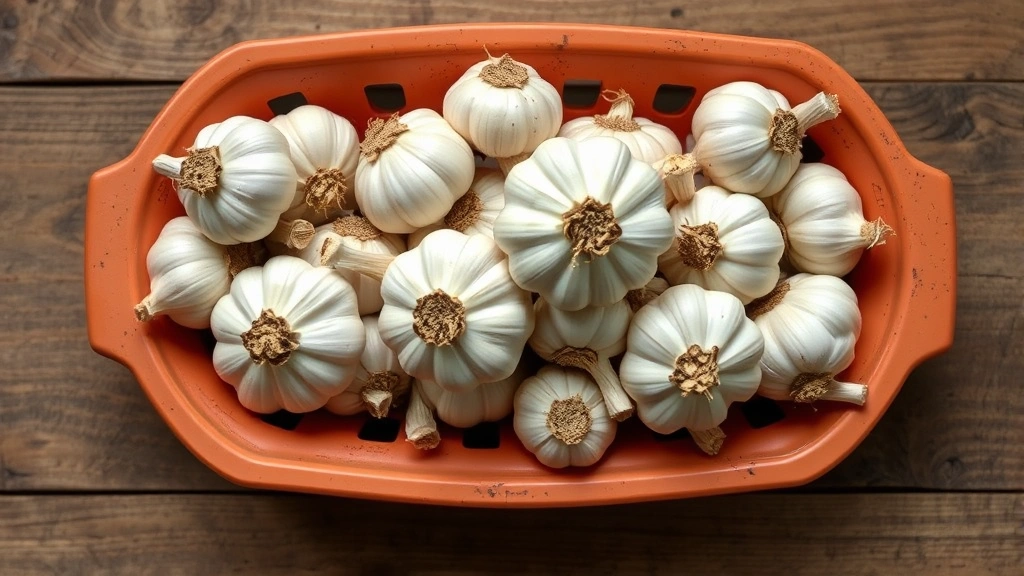
Choosing the Right Container: Mesh bags, terracotta pots with drainage holes, and open-weave baskets are ideal because they allow air to circulate freely around each bulb. Avoid sealed plastic bags or airtight containers, which trap moisture and promote mold growth. If you don’t have a specialized garlic keeper, a simple paper bag with a few holes punched in the sides works surprisingly well.
Terracotta garlic keepers are particularly effective because the porous material naturally regulates humidity. These charming kitchen accessories have been used for generations in Mediterranean countries and perform exceptionally well in most home environments. They typically cost between $10-25 and can last indefinitely.
Finding the Perfect Spot: Look for a location in your kitchen that stays consistently cool and dark. A pantry shelf away from the stove, a kitchen cabinet away from appliances, or a corner of your counter that doesn’t receive direct sunlight all work well. Avoid areas near the oven, dishwasher, or radiators, as heat accelerates sprouting and drying.
If your kitchen tends to be warm or humid—perhaps you live in a tropical climate or have a steamy kitchen—you might need to adjust your approach. In these cases, refrigerator storage becomes more practical.
Expected Shelf Life: When stored properly on the countertop, individual garlic bulbs typically last 3-5 months. Softneck varieties (the ones with braided stems often sold in markets) generally last longer than hardneck varieties, sometimes persisting for up to 8 months in ideal conditions.
Refrigerator Storage Methods
If countertop storage isn’t working for you—perhaps your kitchen is too warm or humid—the refrigerator offers a reliable alternative. Many people assume garlic belongs on the counter, but refrigeration actually works beautifully for garlic storage, especially in warmer climates.
Basic Refrigerator Storage: Simply place whole garlic bulbs in a paper bag and store them in the crisper drawer. The crisper’s humidity-controlled environment is actually quite suitable for garlic, as long as you keep the bulbs in a breathable container. Leave the bag loosely closed to allow some air circulation. Whole bulbs stored this way typically last 6-8 weeks, sometimes longer.
Storing Individual Cloves: If you’ve already separated your garlic into cloves, storage becomes trickier. Individual cloves have a shorter shelf life than whole bulbs because the protective papery skin is removed or compromised. Store separated cloves in a small container or plastic bag in the refrigerator, where they’ll last about 2-3 weeks. They’ll gradually lose potency, so use them within this timeframe for best flavor.
One clever technique: wrap individual cloves in paper towels before storing them. The paper absorbs excess moisture and prevents the cloves from sticking together. This simple step can extend their refrigerator life by several days.
Combination Approach: Many home cooks use a hybrid method—keeping a few weeks’ worth of garlic on the counter for convenience while storing additional bulbs in the refrigerator. This way, you always have fresh garlic readily available while maintaining a backup supply.
Freezing Garlic for Long-Term Use
Freezing is your secret weapon for extending garlic’s shelf life to several months or even a year. While frozen garlic isn’t ideal for dishes where you want raw garlic’s sharp bite—like fresh salsa or garlic bread—it works wonderfully for cooked applications like soups, stews, sauces, and stir-fries.
Freezing Whole Cloves: The simplest method is peeling garlic cloves and placing them in a freezer bag, removing as much air as possible before sealing. Frozen cloves will last 3-6 months and can be used directly from the freezer in most recipes. They’ll be softer than fresh garlic after thawing but retain their flavor reasonably well. One advantage: frozen garlic is easier to mince or chop than fresh garlic because it’s already partially softened.
Freezing Minced Garlic: If you do a lot of minced garlic cooking, consider mincing several bulbs at once and freezing the results. Spread minced garlic on a baking sheet, freeze it solid for a few hours, then transfer the frozen pieces to a freezer bag. This method gives you convenient portions that you can grab by the handful. Alternatively, freeze minced garlic in ice cube trays, then pop the cubes into a freezer bag once solid. Each cube typically contains about one clove’s worth of garlic.
Garlic Oil Method: For a more sophisticated approach, submerge peeled garlic cloves in olive oil and freeze the mixture. This creates a convenient cooking ingredient that’s ready to use in pan-based dishes. However, note that garlic-infused oil stored at room temperature can develop botulism, so this method only works for refrigerated or frozen storage. Use within a few weeks when refrigerated, or up to six months when frozen.
Roasted Garlic Freezing: Roasted garlic (cloves baked until soft and sweet) freezes beautifully and maintains excellent flavor. Roast a batch of garlic bulves, squeeze out the soft cloves, and freeze them in ice cube trays. These frozen roasted garlic cubes are fantastic for adding to soups, mashed potatoes, or spreading on bread.
Advanced Preservation Techniques
Beyond basic storage, several preservation methods can extend garlic’s life while creating flavorful additions to your kitchen pantry. These techniques work particularly well if you grow your own garlic or purchase large quantities from farmers’ markets.
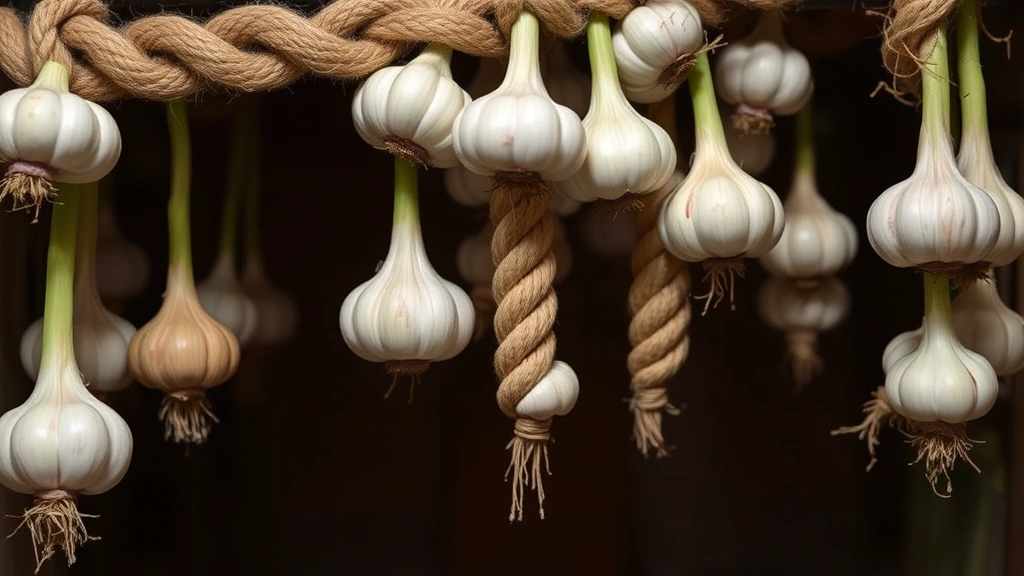
Braiding and Hanging: This traditional method, popular in Mediterranean and European kitchens, involves braiding garlic bulbs together while they still have green stems and hanging them in a cool, dry location. The braided garlic looks beautiful as kitchen décor while maintaining excellent storage properties. Properly braided garlic can last 6-8 months, sometimes longer. The key is ensuring good air circulation around each bulb and keeping the location cool and dry.
If you’re curious about where garlic comes from in the first place, learning how to grow garlic yourself might be your next project. Home-grown garlic often stores better than store-bought varieties because it hasn’t already spent weeks in commercial storage before reaching your kitchen.
Vinegar Preservation: Garlic cloves can be preserved in vinegar for several months. Peel cloves, pack them into a sterilized jar, cover them with vinegar (white vinegar or apple cider vinegar both work), seal the jar, and refrigerate. The resulting garlic develops a slightly tangy flavor that works well in salad dressings and marinades. This method typically preserves garlic for 3-4 months.
Salt Preservation: Another traditional technique involves layering garlic cloves with salt in a jar. The salt draws out moisture and preserves the garlic through osmosis. This method requires patience—the garlic needs several weeks to fully preserve—but results in a product that lasts for months. The salt-preserved garlic develops a unique flavor profile and works well in cooking.
Fermented Garlic: For adventurous cooks, fermented garlic is a fascinating option. Submerge peeled garlic cloves in a salt brine (about 5% salt by weight) and allow them to ferment at room temperature for 2-4 weeks. The resulting fermented garlic has a complex, slightly funky flavor that appeals to adventurous palates. Properly fermented and refrigerated garlic lasts several months.
These preservation techniques work similarly to how you might approach how to store onions, requiring attention to moisture, temperature, and air circulation, though the specific methods differ based on each ingredient’s unique properties.
Recognizing Spoiled Garlic
Even with perfect storage, garlic eventually reaches the end of its shelf life. Knowing when to toss a bulb prevents using spoiled garlic in your cooking, which can negatively affect both flavor and food safety.
Visual Signs: Inspect your garlic regularly for visible mold, which appears as dark spots or fuzzy growth on the bulb’s surface. Any blue, green, or black mold means the garlic should be discarded. Some browning or discoloration on the papery skin is normal and doesn’t indicate spoilage, but soft spots or obvious decay do.
Sprouting: If green shoots have emerged from the center of a clove, the garlic is technically still safe to eat, but the flavor and texture have changed. The clove becomes slightly bitter and less pungent. Many cooks remove the green sprout (which can taste harsh) and use the rest of the clove. However, if sprouting has progressed significantly, the clove may be too fibrous to use effectively.
Texture and Smell: Fresh garlic feels firm and solid when squeezed gently. If a clove feels mushy or soft, it’s deteriorating. Similarly, off-putting or fermented smells indicate spoilage. Fresh garlic has a pungent but pleasant aroma. If it smells sour, musty, or otherwise unpleasant, discard it.
Drying Out: If garlic has been stored too long in a dry environment, the cloves may become papery and shriveled. While not necessarily spoiled, extremely dried-out garlic has lost most of its flavor and moisture. Using it is a judgment call—if the clove is still firm (just small), it’s probably fine; if it’s hollow or has become powder-like, it’s past its prime.
Frequently Asked Questions
Can you store garlic in the refrigerator?
Yes, absolutely. Refrigerator storage works well for garlic, especially in warm or humid climates. Store whole bulbs in a paper bag in the crisper drawer, where they’ll last 6-8 weeks. Individual cloves last 2-3 weeks when refrigerated. The cool, relatively stable temperature of a refrigerator actually suits garlic storage quite well.
Should you store garlic in the fridge or on the counter?
Both methods work, but the choice depends on your kitchen environment and usage patterns. Countertop storage is best if your kitchen stays cool and dry and you use garlic regularly within a few weeks. Refrigerator storage is preferable in warm, humid climates or if you want to extend shelf life beyond a month. Many cooks use both methods simultaneously—keeping current-use garlic on the counter and backup bulbs in the fridge.
How long does garlic last in storage?
The shelf life depends on storage method: countertop storage typically lasts 3-5 months, refrigerator storage 6-8 weeks, and frozen garlic 3-6 months or longer. Braided garlic stored in ideal conditions can last 6-8 months. Individual cloves always have shorter shelf lives than whole bulbs because the protective skin is compromised.
Can you freeze garlic?
Yes, freezing works wonderfully for garlic. Freeze whole peeled cloves, minced garlic, or even roasted garlic cloves. Frozen garlic works best in cooked dishes rather than raw applications. It maintains quality for 3-6 months in the freezer and can be used directly from frozen in most recipes.
Is it better to store garlic with or without the papery skin?
Store garlic with the papery skin intact whenever possible. The skin protects individual cloves from moisture loss and contamination. Only peel garlic when you’re ready to use it. If you do peel garlic ahead of time, store the peeled cloves in a separate container in the refrigerator and use them within 2-3 weeks.
What’s the best container for storing garlic?
Containers that allow air circulation work best: mesh bags, terracotta garlic keepers, open-weave baskets, or paper bags with ventilation holes. Avoid sealed plastic bags or airtight containers, which trap moisture and promote mold. Terracotta keepers are particularly effective because they naturally regulate humidity.
Does garlic need to be stored in a dark place?
Yes, storing garlic in darkness helps prevent sprouting. Light signals the bulb that it’s time to grow, triggering green shoot formation. Keep garlic in a pantry, cabinet, or other dark location. If you use a terracotta keeper or mesh bag on your counter, position it away from direct sunlight.
Can you store garlic next to onions?
While storing garlic and onions in the same general area is fine, avoid storing them in the same container. Both produce ethylene gas, which can accelerate ripening and spoilage in nearby produce. Interestingly, the storage principles for how to store onions are quite similar to garlic—both prefer cool, dry conditions with good air circulation.
What temperature should garlic be stored at?
The ideal temperature range for garlic storage is 50-70°F (10-21°C). Temperatures above 75°F accelerate sprouting and deterioration, while temperatures below 50°F can sometimes cause chilling damage. Room temperature in most homes falls within the ideal range, which is why countertop storage works well for many people.
How do you know if garlic has gone bad?
Signs of spoiled garlic include visible mold (especially blue, green, or black mold), soft or mushy spots, off-putting or fermented smells, and excessive drying or shriveling. Some browning on the papery skin is normal. If garlic has sprouted, the clove is still safe but has altered flavor and texture.
Can you use sprouted garlic?
Yes, sprouted garlic is safe to eat. Remove the green sprout (which can taste harsh) and use the rest of the clove. However, once sprouted, garlic’s texture and flavor have changed, making it less ideal for certain applications. It works fine in cooked dishes but isn’t ideal for raw preparations where you want fresh garlic’s sharp bite.

Related Posts

How Long to Boil Lobster Tails: Cooking Guide

How Long to Fly from New York to London? Travel Times
