
How to Remove Pee from a Mattress: Expert Tips
How to Remove Pee from a Mattress: Expert Tips for Quick Recovery
Let’s be honest—mattress accidents happen. Whether you’re dealing with a potty-training toddler, a senior family member, a pet mishap, or even your own late-night situation, urine stains and odors are one of those household problems nobody wants to discuss but everyone needs to solve. The good news? A urine-soaked mattress isn’t a lost cause, and you don’t need to replace it immediately.
The key to successful cleanup lies in acting quickly and understanding that urine penetrates deeper than most stains. Unlike surface-level spills, urine seeps through fabric layers and into the mattress core, creating both visible stains and stubborn odors that linger long after the initial accident. The longer you wait, the more the urine oxidizes and sets into the fibers, making removal exponentially harder.
In this guide, we’ll walk you through proven methods to eliminate urine from your mattress completely—not just mask the smell, but actually remove it. You’ll learn the science behind why these methods work, discover the best materials to use, and get step-by-step instructions that actually deliver results.
Act Quickly: The First 24 Hours Matter
The moment you discover urine on your mattress, time becomes your greatest ally. Fresh urine is significantly easier to remove than old, oxidized urine because it hasn’t yet formed chemical bonds with the mattress fibers. Within the first hour, urine is still primarily liquid and hasn’t started breaking down into ammonia compounds that create those stubborn yellow stains and pungent odors.
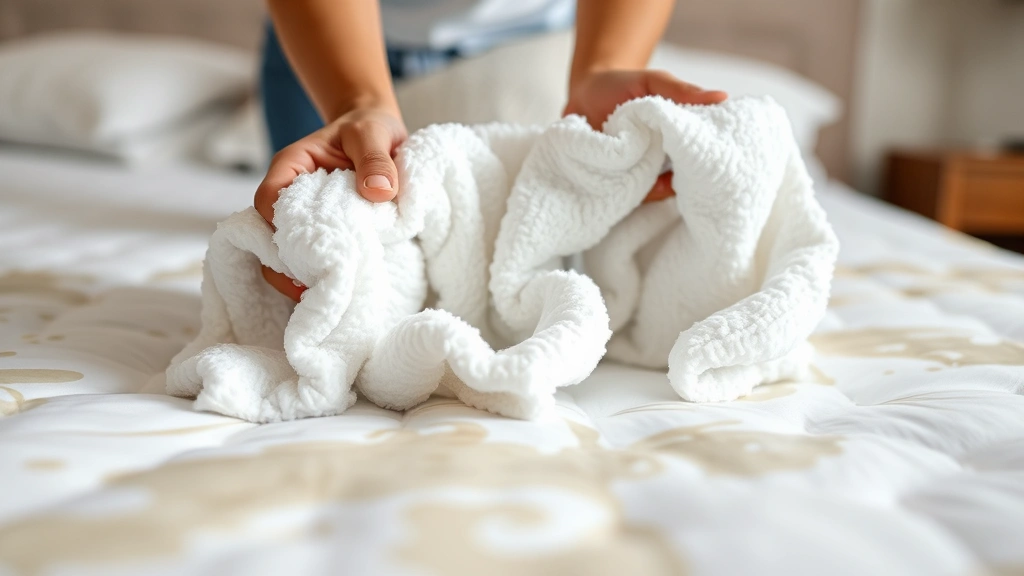
Your immediate response should involve blotting—not scrubbing—the affected area with clean, dry towels. Press firmly to absorb as much liquid as possible. This initial step removes the majority of the urine before it has time to seep deeper into the mattress layers. Avoid the temptation to rub or scrub, as this drives the urine further into the fabric and spreads it across a larger surface area.
If the accident occurred during the night and you discover it in the morning, don’t panic. Even a delayed discovery can be managed effectively with the right techniques. The sooner you begin treatment, however, the better your results will be.
Assess the Damage and Gather Supplies
Before diving into cleanup, determine the extent of the accident. Is it a small wet spot or a large saturated area? Does the urine smell fresh or has it been sitting for a while? These factors influence which cleaning method you’ll use and how much time you’ll need to dedicate to the project.
Here are the essential supplies you’ll want to have on hand:
- Absorbent materials: Clean white towels, paper towels, or old rags
- Baking soda: The most versatile odor-fighting tool in your arsenal
- White vinegar: A natural acid that neutralizes alkaline urine compounds
- Hydrogen peroxide: A mild oxidizing agent that breaks down stains
- Enzymatic cleaner: Contains bacteria that consume organic matter like urine
- Spray bottles: For even application of liquid cleaners
- Rubber gloves: Protect your hands during cleanup
- Plastic sheeting or waterproof mattress cover: Prevents spreading during treatment
Similar to how you’d approach getting blood out of sheets, the key is using the right combination of materials to break down and lift the stain. However, urine requires different treatment because of its unique chemical composition.
The Blotting Method: Your First Line of Defense
The blotting method is your immediate action plan for fresh urine accidents. This technique removes the maximum amount of liquid before it sets into the mattress fibers.
Step-by-step blotting process:
- Strip the bedding immediately and set it aside for washing
- Lay clean, dry towels directly on the wet area
- Press down firmly with your body weight for 30 seconds
- Lift the towel and assess how much liquid it absorbed
- Repeat with fresh towels until they come away mostly dry
- For larger accidents, you may need 10-15 towel applications
This might seem tedious, but it’s genuinely worth the effort. Each application removes liquid that would otherwise sink deeper into the mattress. Think of it as preventing the problem from worsening rather than solving it completely—you’re buying yourself time to implement more sophisticated cleaning methods.
After blotting, leave the mattress exposed to air for at least 30 minutes. This allows the surface to begin drying and gives you a better sense of how deep the urine penetrated.
Enzymatic Cleaners: Breaking Down the Problem
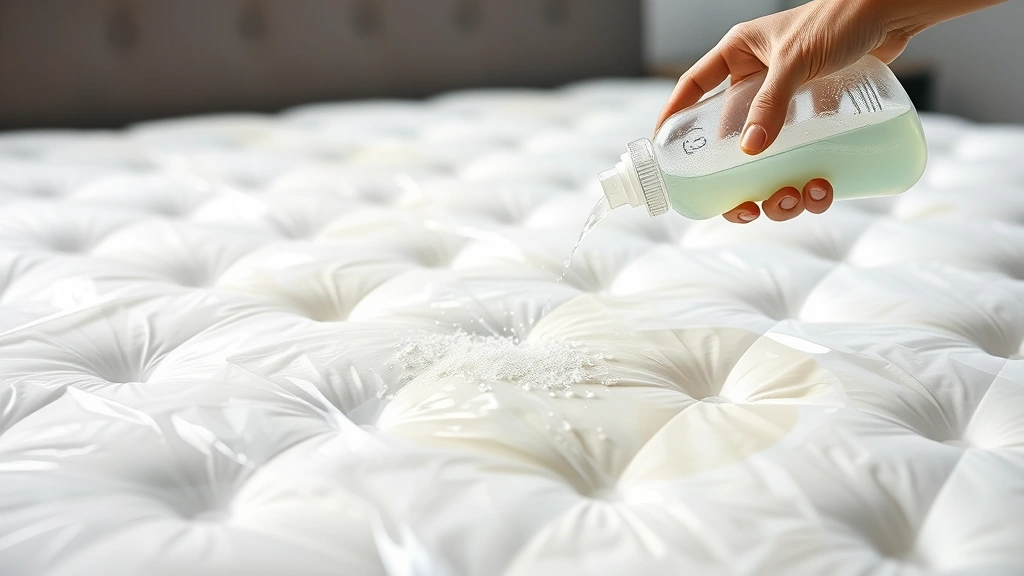
Enzymatic cleaners are your secret weapon against urine. These products contain live bacteria and enzymes that literally consume organic matter—including the proteins and compounds that make up urine. They don’t just mask the smell; they eliminate the source.
Enzymatic cleaners work best on fresh urine accidents, ideally within 24-48 hours. The enzymes need organic material to work with, so the sooner you apply them, the more effective they’ll be.
How to use enzymatic cleaners:
- Spray the enzymatic cleaner generously over the affected area
- Ensure the mattress is thoroughly saturated—don’t hold back
- Cover the area with plastic sheeting to keep it moist
- Allow it to sit for 8-12 hours (or follow product instructions)
- The moisture keeps the enzymes active and working
- After the waiting period, blot with clean towels
- Spray with plain water to rinse
- Blot again to remove excess moisture
Popular enzymatic cleaners include Nature’s Miracle, which is specifically formulated for pet and human urine accidents. For a comprehensive approach to various household stains, you might also explore methods for getting slime out of clothes, as the blotting and treating principles share similarities.
The plastic covering is crucial because it maintains the moisture the enzymes need to function. As the liquid evaporates, the enzymatic action slows down. By trapping the moisture, you’re creating an optimal environment for the bacteria to work through the night.
Baking Soda: The Odor Eliminator
Baking soda is a powerhouse for neutralizing urine odors. It works by absorbing ammonia compounds and other volatile organic compounds responsible for that unmistakable pee smell. Unlike perfumes or air fresheners that mask odors, baking soda actually eliminates them.
Baking soda treatment steps:
- Ensure the mattress is completely dry before applying baking soda
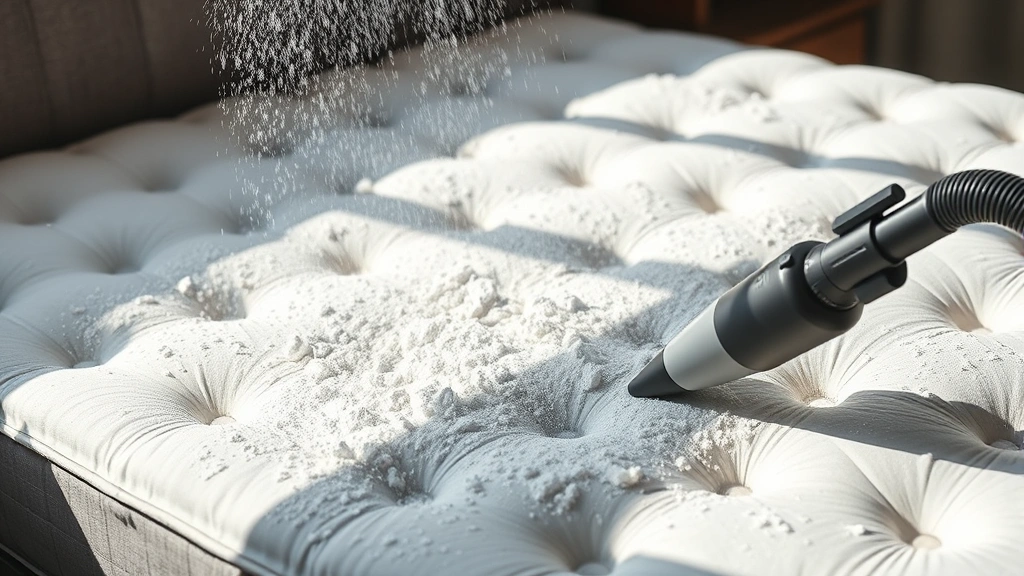
- Sprinkle a generous layer of baking soda over the entire affected area
- Use enough that the mattress surface appears lightly covered
- Allow it to sit for 12-24 hours—the longer the better
- Vacuum thoroughly to remove all baking soda residue
- Check the mattress for remaining odors
- Repeat if necessary for stubborn smells
For best results, apply baking soda after using an enzymatic cleaner. This two-step approach addresses both the biological material and the odor compounds. The enzymatic cleaner breaks down the urine proteins, and the baking soda neutralizes the resulting ammonia smell.
Pro tip: If you’re dealing with a particularly large affected area, consider leaving the baking soda on for an entire day or even overnight. The extended contact time allows maximum odor absorption. Just ensure the mattress is completely dry before application, or the baking soda will clump and become difficult to vacuum.
White Vinegar Solution: A Natural Alternative
White vinegar is a natural acid that neutralizes the alkaline compounds in urine. It’s particularly effective as a preventative treatment or for mild odors. The acidic nature of vinegar essentially reverses the chemical process that creates ammonia smells.
Creating and applying a vinegar solution:
- Mix equal parts white vinegar and water in a spray bottle
- Spray the solution generously over the affected mattress area
- The vinegar smell will initially seem strong—this is normal
- Allow the mattress to air dry completely
- As it dries, the vinegar smell dissipates, taking the urine odor with it
- Once dry, you can apply baking soda for additional odor control
Vinegar works best as part of a multi-step process rather than as a standalone solution. Use it after enzymatic cleaning or blotting to address residual odors and acidity. The combination of vinegar’s neutralizing properties and baking soda’s absorption creates a comprehensive approach to urine removal.
One advantage of vinegar is its availability and cost-effectiveness. Most households already have it, making it an accessible first response to accidents. However, it won’t eliminate urine as completely as enzymatic cleaners, so consider it a supporting treatment rather than your primary method.
Hydrogen Peroxide Treatment: For Stubborn Stains
Hydrogen peroxide is an oxidizing agent that breaks down the chemical bonds in urine stains, particularly effective on yellow discoloration. It’s slightly more aggressive than vinegar and works well on older, set-in stains where enzymatic cleaners alone haven’t fully succeeded.
Hydrogen peroxide treatment method:
- Test hydrogen peroxide on a hidden mattress area first to ensure it won’t damage the fabric
- Use 3% hydrogen peroxide (standard drugstore variety)
- Spray or pour the solution directly onto the stain
- Allow it to bubble and fizz for 5-10 minutes
- Blot with clean towels, pressing firmly
- Repeat if the stain remains visible
- Follow up with baking soda treatment for odor control
The bubbling action you see is the hydrogen peroxide oxidizing organic material. This process breaks down the chemical structure of the stain, making it easier to lift from the fabric. For stubborn yellow stains that have been present for weeks or months, hydrogen peroxide often succeeds where gentler methods have failed.
Be cautious with colored or delicate mattresses, as hydrogen peroxide can potentially bleach or damage certain fabrics. Always test on an inconspicuous area first. If your mattress has a sensitive covering, consider consulting the manufacturer’s care instructions before applying hydrogen peroxide.
The Drying Process: Critical for Success
Proper drying is absolutely essential to your mattress recovery. Inadequate drying can lead to mold growth, mildew, and the return of odors. A damp mattress is a breeding ground for bacteria and fungi, potentially creating a health hazard worse than the original accident.
Drying strategies:
- Air circulation: Open windows and use fans to create airflow across the mattress
- Sunlight: UV rays naturally kill bacteria and help eliminate odors; if possible, position the mattress in direct sunlight
- Dehumidifier: If the weather is humid or you’re indoors, a dehumidifier accelerates the drying process
- Elevated position: Prop the mattress at an angle to allow air circulation underneath
- Remove bedding: Keep all bedding, sheets, and covers off the mattress during drying
- Extended timeline: Plan for 24-48 hours of drying time, depending on humidity and airflow
The drying process shouldn’t be rushed. Many people make the mistake of putting fresh sheets on a damp mattress, which traps moisture and creates an ideal environment for mold. Patience here pays dividends in preventing future problems.
If you’ve applied enzymatic cleaners, vinegar, or hydrogen peroxide, ensure these are fully dried before returning bedding to the mattress. Check by pressing your hand against the surface—it should feel completely dry, not just surface-dry. If moisture remains, mold spores can still germinate.
Prevention Strategies for Future Accidents
Once you’ve successfully cleaned your mattress, you’ll want to prevent future accidents from causing the same headache. Prevention is far easier than remediation.
Mattress protection:
- Waterproof mattress protector: Install a waterproof cover that allows air circulation while blocking liquid. These are essential for households with young children or pets
- Mattress pad: A waterproof mattress pad provides an additional barrier and is easier to wash than the entire mattress
- Absorbent underpads: For high-risk situations, disposable underpads placed on top of sheets offer immediate protection
For households managing ongoing incontinence issues, a quality waterproof mattress protector is a worthwhile investment. Modern versions are far more comfortable and breathable than older plastic covers, so they won’t negatively impact your sleep quality.
Additionally, consider the same protective measures you’d use for washing machine maintenance—prevention and regular care prevent major problems. Establish a routine of checking your mattress monthly for any signs of moisture or odors, especially if you have young children or elderly family members in the home.
For pet owners, consistent training and limiting access to beds during unsupervised periods can dramatically reduce accidents. If your pet has medical issues causing incontinence, consult your veterinarian about potential treatments.
Much like addressing grease stains on clothes, the key to mattress care is quick response and proper technique. The sooner you address an accident and the more thoroughly you treat it, the better your long-term results will be.
If you’re interested in comprehensive home cleaning strategies, exploring how to remove static from clothes can teach you about fabric care principles that apply to mattress maintenance as well. And for more extensive household cleaning, understanding how to clean hardwood floors demonstrates the importance of using appropriate cleaning methods for different materials.
Frequently Asked Questions
How long does it take to completely remove urine smell from a mattress?
Fresh urine can be eliminated in 24-48 hours with proper treatment. Older, oxidized urine may require 3-5 days of treatment and drying. The timeline depends on the accident’s age, the mattress’s thickness, humidity levels, and which cleaning methods you use. Enzymatic cleaners typically provide the fastest results for complete elimination.
Can I sleep on the mattress while treating it?
No, you should avoid sleeping on the mattress during treatment. Wet or damp mattresses are uncomfortable and create an environment where mold can develop. Plan to use a guest bed or alternative sleeping arrangement for at least 24-48 hours while your mattress dries completely. This prevents compromising your health and ensures thorough treatment.
Will the mattress have a permanent smell?
Not if you follow the complete treatment process. Urine odors are caused by specific chemical compounds (primarily ammonia), which can be fully eliminated through enzymatic cleaners, vinegar, and baking soda. Permanent smells usually result from incomplete treatment or inadequate drying that allows mold to develop. Proper treatment results in a completely odor-free mattress.
What’s the best commercial product for urine removal?
Enzymatic cleaners specifically designed for pet and human urine are the most effective commercial products. Brands like Nature’s Miracle and Rocco & Roxie are highly rated. These products contain live bacteria and enzymes that actively break down urine compounds rather than just masking odors. Follow the product instructions carefully for best results.
Should I use essential oils or perfumes to cover the smell?
No, avoid essential oils and perfumes. These only mask the urine smell temporarily; they don’t eliminate it. The underlying urine compounds will continue to smell once the fragrance dissipates. Additionally, essential oils can damage mattress fabrics or create unpleasant scent combinations. Focus on actual removal rather than masking.
Can I use bleach to clean a urine-stained mattress?
Bleach is not recommended for mattresses. While it kills bacteria, it can damage or discolor mattress fabrics, and it doesn’t effectively break down urine compounds. Bleach also produces harmful fumes in enclosed spaces. Stick with enzymatic cleaners, vinegar, hydrogen peroxide, and baking soda—these are safer and more effective for mattress treatment.
What if the urine has soaked through to the mattress foundation?
If urine has penetrated through the entire mattress depth, treatment becomes more challenging but not impossible. You’ll need to treat both sides of the mattress and potentially flip it during the drying process. Apply enzymatic cleaners to the bottom as well, allow extended drying time (48-72 hours), and consider professional mattress cleaning services if home methods don’t fully resolve the issue.
How often should I use a waterproof mattress protector?
A quality waterproof mattress protector should be used continuously, especially in households with young children, elderly family members, or pets. It’s a permanent fixture under your fitted sheet. Wash it monthly according to manufacturer instructions, and replace it every 3-5 years or if it develops damage. This ongoing protection is far more cost-effective than repeatedly cleaning your mattress.

Related Posts

How Long to Boil Lobster Tails: Cooking Guide

How Long to Fly from New York to London? Travel Times
