
How to Say the Rosary: A Step-by-Step Guide
How to Say the Rosary: A Step-by-Step Guide
The Rosary stands as one of Christianity’s most cherished devotional practices, offering believers a structured path to meditation, prayer, and spiritual reflection. Whether you’re returning to this ancient tradition after years away or approaching it for the first time, learning how to say the Rosary can feel overwhelming with its seemingly complex structure and rhythmic repetition. But here’s the truth: once you understand the basic framework, the Rosary becomes a deeply personal spiritual practice that millions find comforting and transformative.
This guide strips away the mystique and walks you through every step with clarity and practical instruction. We’ll cover the beads, the prayers, the mysteries, and the rhythm that makes the Rosary work as a meditation tool. By the end, you’ll have the confidence to pray the full Rosary or any portion of it with genuine understanding and intention.
If you’re interested in deepening your spiritual practices, you might also explore how to read the Bible in a structured way, which complements Rosary devotion beautifully. For those curious about faith-based topics, understanding how old is the earth according to the Bible provides fascinating context for your spiritual journey.
Understanding the Rosary: History and Purpose
The Rosary emerged during the medieval period as a devotional practice, though its roots trace back even further to monastic traditions. The word “rosary” itself comes from the Latin “rosarium,” meaning rose garden—a poetic reference to a garland of spiritual roses offered to Mary. The practice gained significant momentum through the work of Saint Dominic in the 13th century, though historical scholars debate the exact details of its origins.
What makes the Rosary unique isn’t just the prayers themselves, but the meditation that accompanies them. Each decade of the Rosary (ten beads plus one larger bead) corresponds to a mystery—a significant event in the lives of Jesus and Mary. As you recite the prayers, you’re simultaneously contemplating these mysteries, creating a multi-layered spiritual experience that engages both mind and heart.
The Rosary serves several purposes in Catholic devotion. It’s a form of intercessory prayer, a way to honor Mary’s role in salvation history, a meditation practice that calms the mind, and a tool for spiritual growth. Many people find that the repetitive nature of the prayers actually frees the mind to enter deeper contemplation, similar to how mantras function in other spiritual traditions.
The Rosary Beads Explained
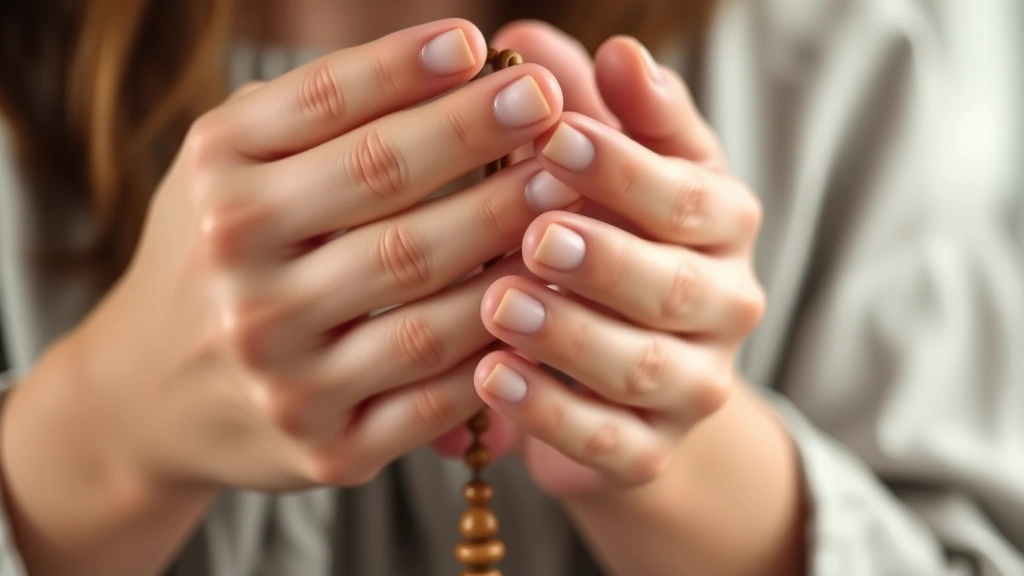
Before you begin praying, understanding the physical structure of the Rosary beads is essential. A standard Rosary contains 59 beads arranged in a specific pattern, with a crucifix attached at the end. The beads aren’t randomly placed—each has a purpose and represents a particular prayer.
The structure breaks down as follows: one bead for the Apostles’ Creed, three beads for three Hail Marys, one larger bead for the Our Father, and then five groups (called decades) of ten smaller beads each, with a larger bead separating each decade. This arrangement creates a natural rhythm as your fingers move from bead to bead.
The crucifix at the beginning serves as your starting point. The beads themselves are typically made from various materials—wood, stone, glass, or plastic—though the material doesn’t affect the spiritual validity of your prayer. What matters is your intention and presence. Some people use prayer beads from other traditions; if you’re learning basic communication in other languages, like how to say thank you in Japanese, you’ll appreciate how different cultures express gratitude. Similarly, different Rosary traditions exist worldwide, each with their own cultural expressions of the same core prayers.
Many modern Rosaries include a medal or image of Mary, adding a visual focal point for meditation. Some people prefer simple, unadorned beads that won’t distract from prayer, while others find the imagery helpful for maintaining focus.
The Essential Prayers
The Rosary relies on four primary prayers, each with deep theological significance. Knowing these by heart—or at least understanding them thoroughly—transforms your Rosary practice from rote repetition into meaningful devotion.
The Apostles’ Creed appears once at the beginning of the Rosary. This ancient statement of Christian faith declares the core beliefs of Christianity and sets the spiritual intention for your prayer: “I believe in God, the Father almighty, creator of heaven and earth. I believe in Jesus Christ, his only son, our Lord…” and continues through the resurrection and eternal life.
The Our Father (also called the Lord’s Prayer) appears once at the beginning and then once at the start of each of the five decades. Jesus himself taught this prayer to his disciples, making it central to Christian spirituality: “Our Father, who art in heaven, hallowed be thy name; thy kingdom come; thy will be done on earth as it is in heaven…”
The Hail Mary is the most frequently recited prayer in the Rosary, appearing 53 times throughout. It combines biblical salutations to Mary with a request for her intercession: “Hail Mary, full of grace, the Lord is with thee; blessed art thou amongst women, and blessed is the fruit of thy womb, Jesus. Holy Mary, Mother of God, pray for us sinners, now and at the hour of our death. Amen.”
The Gloria (or Doxology) concludes each decade: “Glory be to the Father, and to the Son, and to the Holy Ghost. As it was in the beginning, is now, and ever shall be, world without end. Amen.” Some traditions add the Fatima Prayer here as well.
For those interested in exploring biblical literacy more deeply, how to read the Bible offers complementary guidance that enriches understanding of the prayers within the Rosary.
The Five Mysteries
The Rosary’s spiritual core lies in its five mysteries, which are divided into different sets depending on the day of the week. Each mystery focuses on a specific event in the lives of Jesus and Mary, providing the contemplative anchor for your prayer.
The Joyful Mysteries (prayed on Mondays and Saturdays) celebrate moments of joy and hope: the Annunciation, the Visitation, the Nativity, the Presentation of Jesus at the Temple, and the Finding of Jesus in the Temple. These mysteries invite reflection on God’s active involvement in human history and Mary’s faithful cooperation with divine will.
The Sorrowful Mysteries (prayed on Tuesdays and Fridays) meditate on Christ’s passion and suffering: the Agony in the Garden, the Scourging at the Pillar, the Crowning with Thorns, the Carrying of the Cross, and the Crucifixion. These mysteries acknowledge suffering’s role in redemption and invite compassion for Christ’s sacrifice.
The Glorious Mysteries (prayed on Wednesdays and Sundays) celebrate resurrection and triumph: the Resurrection, the Ascension, the Descent of the Holy Spirit at Pentecost, the Assumption of Mary, and the Coronation of Mary. These mysteries affirm hope in eternal life and God’s ultimate victory.
Pope John Paul II added The Luminous Mysteries (prayed on Thursdays) in 2002, focusing on the public ministry of Jesus: the Baptism of Jesus, the Wedding at Cana, the Proclamation of the Kingdom, the Transfiguration, and the Institution of the Eucharist. These mysteries bridge the gap between Jesus’s birth and passion, highlighting his teaching and miracles.
As you pray each decade, you’re not just reciting words—you’re entering into these sacred events, contemplating their meaning for your life and faith. This meditation component distinguishes the Rosary from simple repetitive prayer.

Step-by-Step Instructions for Praying the Full Rosary
Now that you understand the components, let’s walk through praying the complete Rosary, which typically takes 15-20 minutes depending on your pace.
Step 1: Begin at the Crucifix Hold the crucifix in your hand and make the Sign of the Cross. This simple gesture centers your intention and acknowledges God’s presence. Then recite the Apostles’ Creed, which establishes your foundational faith.
Step 2: The First Bead Move to the first single bead and pray one Our Father. This transitions you from the creed into active prayer.
Step 3: The First Three Beads On the next three beads, pray three Hail Marys. These three traditionally represent faith, hope, and charity. Some people add an Our Father between them, though this isn’t required.
Step 4: The Gloria After the three Hail Marys, pray the Gloria. You’ve now completed the introductory section.
Step 5: The First Decade Move to the larger bead that begins the first decade. Pray one Our Father while contemplating the first mystery corresponding to that day of the week. Then move through the ten smaller beads, praying one Hail Mary on each while maintaining your contemplation of the mystery. After the tenth Hail Mary, pray the Gloria.
Steps 6-9: The Remaining Four Decades Repeat the process for each of the four remaining decades, moving to the next larger bead, announcing or contemplating the next mystery, praying the Our Father, then ten Hail Marys, then the Gloria. Between decades, some people add the Fatima Prayer or other prayers, though this is optional.
Step 10: The Final Medal If your Rosary has a medal or pendant at the end of the chain, many people conclude by praying the Hail Holy Queen (Salve Regina) or another Marian prayer. However, this is a traditional addition rather than a requirement.
The entire process creates a meditative journey through sacred mysteries, with the repetitive prayers providing a steady rhythm while your mind engages with deeper spiritual themes.
Tips for Deepening Your Practice
Find a Quiet Space While you can pray the Rosary anywhere, finding a quiet location helps maintain focus. A dedicated prayer corner, chapel, or even a peaceful outdoor spot can enhance your experience.
Choose the Right Time Many people pray the Rosary in the morning, evening, or before bed. Consistency matters more than timing—establishing a regular habit makes the practice more meaningful.
Use a Quality Rosary While any Rosary works spiritually, using well-made beads that feel good in your hands encourages regular practice. Some people keep multiple Rosaries in different locations.
Learn the Mysteries Deeply Don’t just think about the mystery title—read Scripture passages related to each mystery before praying. This enriches contemplation significantly. Understanding how old is the earth according to the Bible provides context for understanding salvation history, which the mysteries trace through.
Pray with Others Group Rosary prayer, whether in church or with family, creates powerful communal spiritual experience. Many parishes offer public Rosary times.
Don’t Rush Praying slowly, with genuine attention to each prayer and mystery, proves more beneficial than racing through. A contemplative pace—perhaps one Rosary per 20 minutes—allows proper meditation.
Address Distractions Gently When your mind wanders (and it will), gently redirect attention without frustration. Even imperfect prayer reflects your intention to connect spiritually.
Explore Different Traditions Various cultural and religious traditions have their own prayer practices. If you’re curious about how different peoples express spirituality, exploring how to say hello in Russian or how to say hi in German reminds us that spiritual connection transcends language.
Keep a Prayer Journal Recording insights, feelings, or specific intentions for your Rosary prayers helps deepen the practice over time. You’ll notice patterns and growth in your spiritual life.
For those seeking to expand their spiritual foundation, how to read the Bible in conjunction with Rosary prayer creates a comprehensive spiritual practice that addresses both Scripture study and intercessory devotion.
Frequently Asked Questions
How long does it take to pray a full Rosary?
A complete Rosary typically takes 15-20 minutes, depending on your pace and whether you include additional prayers. Some people pray more slowly for deeper meditation, while others move more quickly. The time invested isn’t what matters—your sincerity and presence do.
Can I pray just one decade instead of all five?
Absolutely. Praying one, two, or three decades is valid and meaningful. Many people pray one decade daily or multiple decades on specific days. The Church recognizes partial Rosaries as legitimate devotion, especially for those with time constraints.
Do I need to memorize all the prayers?
While memorization helps, it’s not essential. Many people keep a Rosary guide or prayer card handy, especially when beginning. Over time, the repetition naturally leads to memorization without forced effort.
What if I lose count of which bead I’m on?
This happens frequently, even to experienced pray-ers. Simply return to the last bead you remember clearly and continue from there. The Rosary beads themselves guide you through the structure, making it difficult to get completely lost.
Can non-Catholics pray the Rosary?
While the Rosary is specifically a Catholic devotion, people of other Christian traditions and faiths sometimes find value in its meditative structure. The core prayers are biblical and theologically sound across Christian traditions, though the specific Marian devotion aspect is distinctly Catholic.
Should I pray the same mysteries every day?
The traditional schedule assigns different mystery sets to different days of the week. However, many people pray all 20 mysteries (including the Luminous ones) in sequence or choose mysteries based on personal need rather than the calendar. Your intention matters more than rigid adherence to tradition.
What’s the difference between praying and meditating on the mysteries?
Praying involves speaking or reciting the words; meditating involves contemplating their meaning. The Rosary combines both—you recite the prayers while mentally engaging with the mystery. The prayers provide structure while meditation provides depth.
Is there a wrong way to pray the Rosary?
The only truly “wrong” way is not praying at all. Variations in tradition, pace, and approach are normal. What matters is approaching the Rosary with sincere intention, reverence for the prayers, and openness to spiritual encounter. Different people connect with different aspects—some focus on the prayers, others on the mysteries, still others on the meditative rhythm.
Can I pray the Rosary for specific intentions?
Yes. Many people dedicate their Rosary to specific prayers for loved ones, personal needs, or global concerns. Offering your Rosary for particular intentions deepens personal investment and transforms it from generic devotion into targeted spiritual work.
What should I do if I fall asleep while praying?
Don’t be discouraged. Many contemplative traditions recognize that rest during prayer reflects the body’s need for peace. If you consistently fall asleep, try praying at a different time, standing instead of sitting, or praying in a different location. However, occasional drowsiness isn’t a failure—your sincere attempt to pray matters.

Related Posts

How Long to Boil Lobster Tails: Cooking Guide

How Long to Fly from New York to London? Travel Times
