
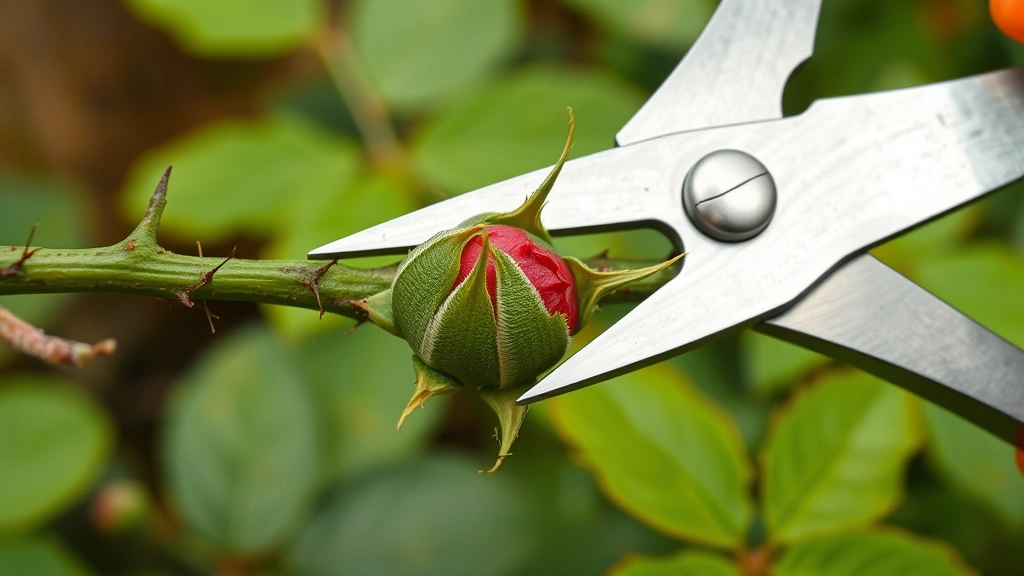
How to Prune Roses: Expert Guide
How to Prune Roses: Expert Guide to Healthier, More Beautiful Blooms
Roses have a reputation for being finicky, but here’s the truth: they’re actually pretty forgiving if you know what you’re doing. The secret to stunning roses isn’t some mysterious gardening magic—it’s understanding why and how to prune them properly. Whether you’re working with hybrid teas, floribundas, or climbing varieties, pruning is the single most important thing you can do to keep your roses thriving, producing abundant blooms, and looking their absolute best.
Most gardeners either avoid pruning altogether (fearing they’ll kill their plants) or go at their roses like they’re trimming a hedge. Neither approach is ideal. The good news? Once you understand the fundamentals, pruning becomes second nature. In this guide, we’ll walk you through everything you need to know about timing, technique, and the specific approaches for different rose varieties.
Think of pruning as having a conversation with your roses. You’re removing the old and damaged, encouraging new growth where you want it, and shaping the plant to be its healthiest self. It’s part science, part art, and entirely worth mastering.
Why Prune Roses?
Before we talk about how to prune, let’s establish why it matters. Pruning serves multiple critical purposes for your roses. First, it removes dead, diseased, or damaged wood that can harbor pests and diseases. Second, it opens up the center of the plant to improve air circulation, which reduces fungal issues like powdery mildew and black spot. Third, pruning stimulates new growth from the base of the plant, ensuring your roses don’t become leggy or sparse over time.
Beyond the health benefits, pruning directly impacts flowering. When you remove spent blooms and weak growth, you’re essentially telling the plant to redirect its energy into producing more, larger, higher-quality flowers. It’s like giving your roses permission to do what they do best. Additionally, pruning helps you shape the plant into an attractive form, whether that’s a compact shrub or an open, vase-like structure.
If you’re looking to expand your gardening skills beyond roses, you might be interested in how to propagate pothos for indoor plant propagation, or even exploring companion planting strategies like how to grow garlic nearby to naturally deter pests from your rose garden.
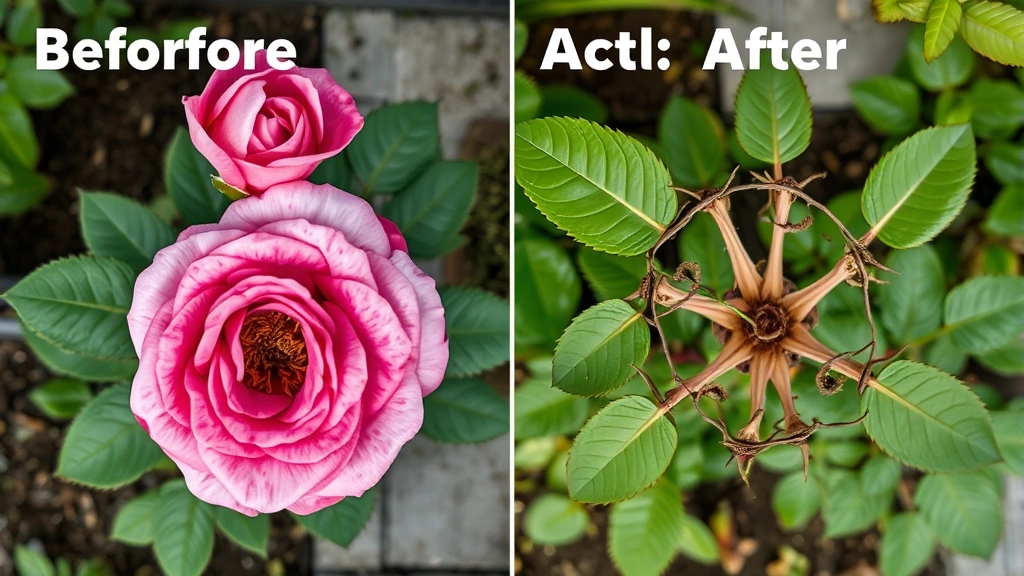
Timing Your Pruning
Timing is everything with rose pruning, and it varies depending on your climate and rose type. In most regions, late winter to early spring—just as new growth begins to emerge—is the ideal time for major pruning. Look for buds swelling on the canes as your signal. For most gardeners, this means late February through March, though in warmer climates it could be January or even December.
Why this timing? Pruning in late winter encourages vigorous new growth right when the plant is naturally ready to push out fresh shoots. If you prune too early in fall or winter, you risk new tender growth being damaged by frost. If you wait until late spring, you’ve missed the opportunity to shape the plant while it’s dormant and vulnerable.
Summer pruning is different—it’s lighter and more about deadheading spent blooms and removing crossing branches. Fall pruning should be minimal because you don’t want to stimulate tender new growth that might be killed by frost. Think of it this way: major pruning in spring, light tidying in summer, and hands-off in fall.
Essential Tools and Setup
You don’t need a massive toolkit, but having the right implements makes the job infinitely easier and safer. Here’s what you actually need:
- Bypass pruners (hand pruners): These work like scissors and are ideal for branches up to about ¾ inch thick. Bypass pruners make a clean cut rather than crushing the stem.
- Loppers: These long-handled pruners give you leverage for branches ¾ to 1½ inches thick. The extended reach also helps you get into the center of dense plants.
- Pruning saw: For anything thicker than 1½ inches, a pruning saw is your friend. A curved pruning saw works particularly well for roses.
- Pruning sealer or wound dressing: While optional, this can help protect large cuts from disease.
- Gloves: Rose thorns are no joke. Leather or thorn-resistant gloves are essential.
- Long sleeves: Protect your arms from those vicious thorns.
Before you start, clean your tools with a cloth or paper towel. If you’re moving between plants, dip your pruners in a 10% bleach solution to prevent spreading diseases. Sharp tools are crucial—dull blades crush stems and create entry points for disease. If your pruners feel like they’re working harder than they should, it’s time to sharpen them.
Pruning Basics: The Fundamentals
Now for the actual technique. There are a few fundamental principles that apply to all rose pruning:
The 45-Degree Cut: Always cut at a 45-degree angle, about ¼ inch above an outward-facing bud eye. This angle sheds water and prevents disease from settling on the cut surface. The ¼-inch distance allows the bud to develop without the cut damaging it. An outward-facing bud encourages the new growth to grow away from the center of the plant, creating that open, vase-like structure that looks beautiful and allows air circulation.
Remove the Three D’s: Start by removing Dead, Diseased, and Damaged wood. Dead wood is obvious—it’s brown or black and brittle. Diseased wood might show cankers (sunken areas), discoloration, or signs of pest damage. Cut well below the affected area, into healthy wood. Damaged canes from winter freeze, storm damage, or pest injury should come out entirely or be cut back to healthy tissue.
Open Up the Center: Once you’ve removed the obvious problem wood, focus on creating an open goblet or vase shape. Remove any canes that cross through the center or rub against each other. If two canes are competing for the same space, remove the weaker one. The goal is to be able to see light and air moving through the center of the plant.
Remove Thin, Weak Growth: Any canes thinner than a pencil won’t produce quality blooms and tend to be weak. Remove them entirely. Similarly, if you have multiple thin canes clustered together, thin them out so the remaining canes have room to develop.
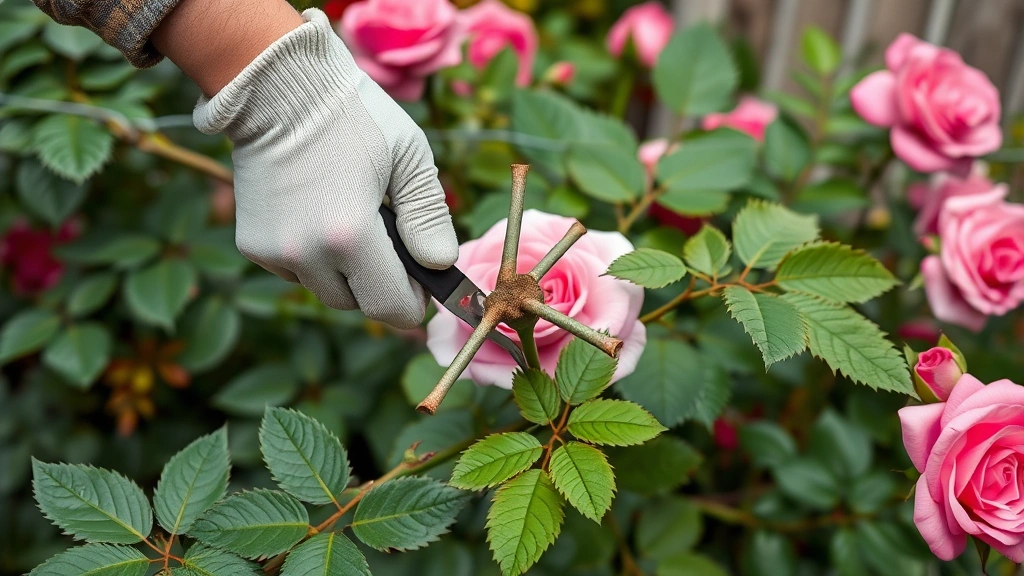
Cut Back to Your Desired Height: This varies by rose type and your preferences, but as a general rule, cut back to about one-third of the plant’s original height for hybrid teas and floribundas. Shrub roses can be left taller. Make your final cuts just above outward-facing buds.
Pruning Different Rose Varieties
While the fundamentals remain consistent, different rose types have slightly different needs:
Hybrid Tea Roses: These should be pruned back to about 18-24 inches tall, creating an open, airy structure. Remove all but 3-5 of the strongest canes. This might seem dramatic, but hybrid teas respond beautifully to hard pruning and will reward you with larger, showier blooms. If you’re planning to use your pruned roses for arrangements, you’ll appreciate the quality of flowers this approach produces.
Floribunda Roses: These produce clusters of flowers, so prune them to about 24-30 inches tall, removing all but 4-6 strong canes. They’re more forgiving than hybrid teas and will still bloom even if you’re a bit less aggressive with your pruning.
Shrub Roses: These tough customers need lighter pruning. Remove about one-third of the oldest canes each year, plus any dead or diseased wood. They’ll naturally maintain a fuller, bushier shape and don’t need the dramatic cutting back that hybrid teas do.
Climbing Roses: These are pruned differently because you want them to grow vertically. In spring, remove dead or diseased canes and any crossing branches, but don’t cut back the main canes. Instead, tie new flexible growth horizontally along your support structure—this encourages lateral flowering shoots. For more on training and support techniques, check out resources on how to get rid of carpenter bees if pests are damaging your climbing rose supports, or explore companion planting like how to grow onions nearby for natural pest deterrence.
Miniature and Patio Roses: These need minimal pruning—just remove dead wood, thin out crossing canes, and lightly shape. They’re naturally compact and don’t require the aggressive pruning of larger roses.
English and David Austin Roses: These beauties split the difference. Prune them to about 24-36 inches tall, removing about one-third of the oldest canes. They’re more forgiving than hybrid teas but benefit from more structure than shrub roses.
Common Pruning Mistakes to Avoid
Even experienced gardeners sometimes fall into these traps:
- Pruning too early: If you prune in fall, new tender growth might be killed by frost. Wait until late winter when buds are visibly swelling.
- Making flat cuts: A flat cut across the top of a cane sheds water into the cut surface, inviting disease. Always use that 45-degree angle.
- Cutting too close to the bud: If you cut right at the bud, you’ll damage it. Leave that ¼-inch gap.
- Not cutting to an outward-facing bud: If you cut to an inward-facing bud, new growth will head into the center of the plant, creating congestion and poor air circulation.
- Being too timid: Roses are tougher than you think. If you’re nervous, remember that pruning mistakes are usually survivable, and the plant will recover.
- Leaving stubs: Don’t cut above a bud and then leave a long stem above it. That stub will die back and potentially harbor disease.
- Pruning in wet conditions: This spreads disease. Wait for a dry day so your tools and the cuts can dry quickly.
Post-Pruning Care and Recovery
Your work doesn’t end with the final cut. How you care for your roses after pruning significantly impacts their recovery and performance:
Fertilizing: About two weeks after pruning, apply a balanced rose fertilizer or a slow-release fertilizer. The new growth will be hungry, and this feeding gives it the nutrition it needs to develop strong canes and abundant flowers. Continue regular fertilizing throughout the growing season according to your product’s instructions.
Watering: Keep newly pruned roses consistently moist but not waterlogged. The plant is expending energy on new growth and needs steady hydration. Water at the base of the plant early in the morning to minimize disease issues.
Mulching: Apply 2-3 inches of mulch around the base of your roses. This moderates soil temperature, retains moisture, and suppresses weeds. Keep mulch a few inches away from the base of the canes to prevent rot and pest issues.
Monitoring for Issues: Watch for signs of disease or pest problems in the weeks following pruning. New growth can sometimes attract pests, and the open wounds are vulnerable to fungal issues if conditions are humid. If you notice problems, address them promptly.
Deadheading Through the Season: Once your roses start blooming, deadhead spent flowers regularly by cutting just above the first outward-facing five-leaflet leaf. This encourages more blooms throughout the season. It’s essentially light pruning that keeps your roses looking tidy and producing flowers. If you’re interested in preserving some of your pruned roses, you might enjoy learning about how to dry flowers for long-lasting arrangements.
Supporting New Growth: As new canes develop, they might become heavy with blooms. Stake or support them if needed, especially for hybrid teas and other roses with large flowers. This prevents canes from bending or breaking under the weight of blooms.
Frequently Asked Questions
Can I prune roses in the fall?
Light deadheading and tidying in fall is fine, but avoid major pruning. Fall pruning stimulates tender new growth that will likely be killed by winter frost. Save your main pruning for late winter to early spring. The exception is in very warm climates where frost isn’t a concern—consult local gardening resources for your specific region.
What if I prune my roses too hard?
Roses are incredibly resilient. Even if you cut them back more than recommended, they’ll usually recover and bounce back with vigorous new growth. You might lose a season of blooms, but the plant itself will survive. The worst that typically happens is you have to wait longer for flowers. This is actually a good reason not to be timid with your pruning—the consequences of being too aggressive are usually less severe than the consequences of being too cautious.
How do I know if a cane is dead?
Scratch the cane with your pruner or fingernail. If it’s green underneath, it’s alive. If it’s brown or tan all the way through, it’s dead. Dead canes are also usually darker on the outside and feel brittle or hollow. When in doubt, cut lower on the cane until you find green tissue.
Should I seal pruning cuts with wound dressing?
Research is mixed on this. Modern thinking suggests that roses naturally compartmentalize wounds and that pruning sealer may actually slow healing or trap moisture that encourages fungal growth. However, for large cuts (over 1 inch diameter) or in very humid climates, a light application of pruning sealer can provide extra protection. When in doubt, skip it and let the plant handle its own healing.
When do I stop pruning for the season?
Stop major pruning about 6-8 weeks before your first expected frost date. This gives new growth time to harden off before cold weather arrives. In most regions, this means stopping pruning in late summer. Light deadheading can continue throughout the season, but avoid making big cuts that stimulate tender new growth.
Can I propagate roses from my pruning trimmings?
Absolutely! Rose cuttings can be rooted to create new plants. This is similar to the principles involved in how to propagate pothos, though the technique differs. Take 6-8 inch cuttings from healthy green growth, remove lower leaves, dip in rooting hormone, and insert into moist potting soil. Keep them humid and warm, and they’ll often root within a few weeks.
What’s the difference between deadheading and pruning?
Deadheading is removing spent blooms to encourage more flowers—it’s light pruning done throughout the growing season. Major pruning happens once or twice a year and involves removing significant portions of the plant to shape it, remove dead wood, and rejuvenate growth. Think of deadheading as maintenance and pruning as renovation.
Do all roses need pruning?
Most roses benefit from pruning, but the amount varies. Wild roses and species roses need minimal pruning. Shrub roses need moderate pruning. Hybrid teas and floribundas need more aggressive pruning. Even if you skip pruning, your roses will likely survive, but they’ll become overgrown, leggy, and produce fewer, smaller blooms over time. A little pruning goes a long way toward keeping roses healthy and beautiful.

Related Posts

How Long to Boil Lobster Tails: Cooking Guide

How Long to Fly from New York to London? Travel Times
