
How to Get Rid of Boxelder Bugs: Expert Tips
How to Get Rid of Boxelder Bugs: Expert Tips for a Bug-Free Home
There’s nothing quite like the frustration of discovering boxelder bugs congregating on your windowsills come autumn. These distinctive black-and-red insects seem to appear out of nowhere, clustering in massive numbers just when you want to enjoy the cooler weather without unwanted visitors. If you’ve ever wondered why these bugs target your home or how to eliminate them effectively, you’re not alone—and fortunately, there are proven strategies that actually work.
Boxelder bugs aren’t just a minor nuisance; they’re persistent invaders that can compromise your home’s comfort during crucial seasons. The good news? With the right approach, you can reclaim your space from these determined pests. This guide walks you through everything from identification to prevention, ensuring you have the knowledge to tackle boxelder bug infestations head-on.
Before diving into solutions, it’s worth understanding that boxelder bug problems often coincide with other seasonal pest issues. If you’re dealing with multiple pest challenges, knowing how to address each one systematically makes a real difference in your overall pest management strategy.
Identifying Boxelder Bugs
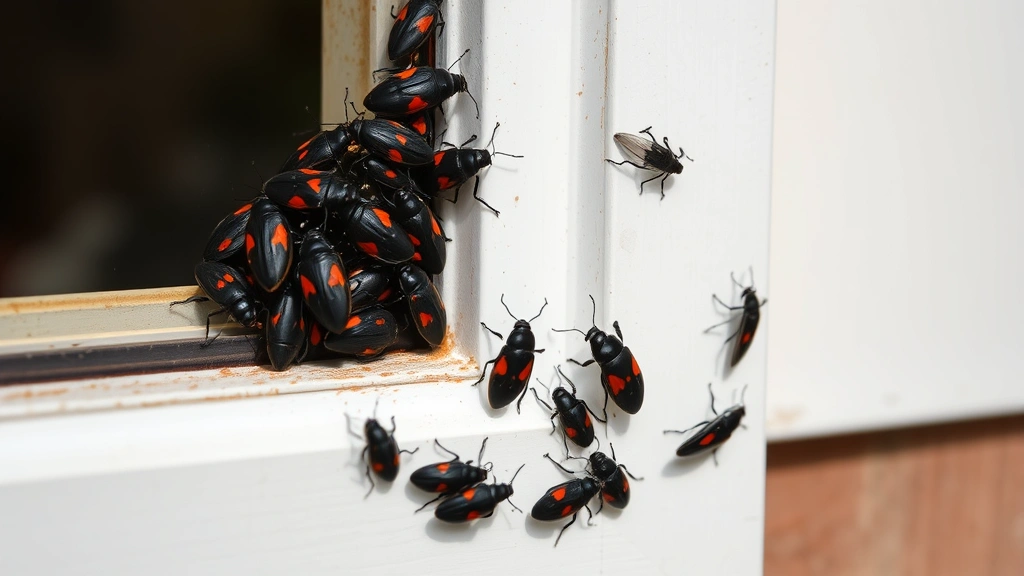
The first step in any pest management plan is accurate identification. Boxelder bugs are distinctive insects roughly half an inch long, featuring a flat, elongated body with a dark brown or black coloration. What really sets them apart is their striking red or orange markings—specifically, the red lines on their wing covers and a reddish underside. These visual characteristics make them relatively easy to spot compared to many other household pests.
The nymphs (younger bugs) look different from adults, appearing more orange-red overall without the distinctive black markings. This can sometimes lead to confusion, but once you know what you’re looking for, identification becomes straightforward. These bugs also produce a distinctive odor when crushed, which isn’t pleasant but can serve as another identifier when you’re trying to confirm what you’re dealing with.
Boxelder bugs get their name from their primary host plant—the boxelder tree (also called ash-leaved maple). If you have boxelder trees on your property or nearby, you’re at higher risk for infestations. However, they’ll also feed on other trees like maples and ash, making them a broader concern for many homeowners.
Why They Invade Your Home
Understanding the “why” behind boxelder bug invasions helps you prevent them more effectively. These insects don’t seek your home for food or to cause damage in the traditional sense. Instead, they’re looking for a warm place to overwinter. As temperatures drop in fall, boxelder bugs instinctively seek shelter in protected spaces—and your home’s walls, attics, and crawl spaces are perfect for this purpose.
The invasion typically begins in September and October, with the bugs becoming increasingly active as temperatures dip. They congregate in massive numbers, sometimes in the thousands, gathering on sunny sides of buildings before finding their way inside through cracks, gaps, and openings. Once spring arrives, they attempt to exit toward the outdoors again, which is why you’ll often see them on windows and walls as temperatures warm up.
Unlike many pest invasions, boxelder bugs don’t bite, sting, or cause structural damage. They don’t eat your furniture or contaminate food supplies in meaningful ways. However, they do stain surfaces with their fecal matter, and their sheer numbers create an unsettling visual presence that most people find objectionable. Additionally, their odor (released when crushed) can be quite unpleasant.
Prevention Strategies
The most effective approach to boxelder bugs is prevention—stopping them before they establish residence in your home. This requires a multi-layered strategy that addresses both the exterior and interior of your property.
Exterior Prevention Measures: Start by removing or treating boxelder trees on your property if feasible. If removal isn’t practical, certain tree treatments applied by professionals can reduce bug populations. Additionally, trim tree branches that hang over or near your roof, as these provide direct pathways for bugs to access your home. Keep gutters clean and ensure they direct water away from your foundation—this reduces moisture that can attract various pests.
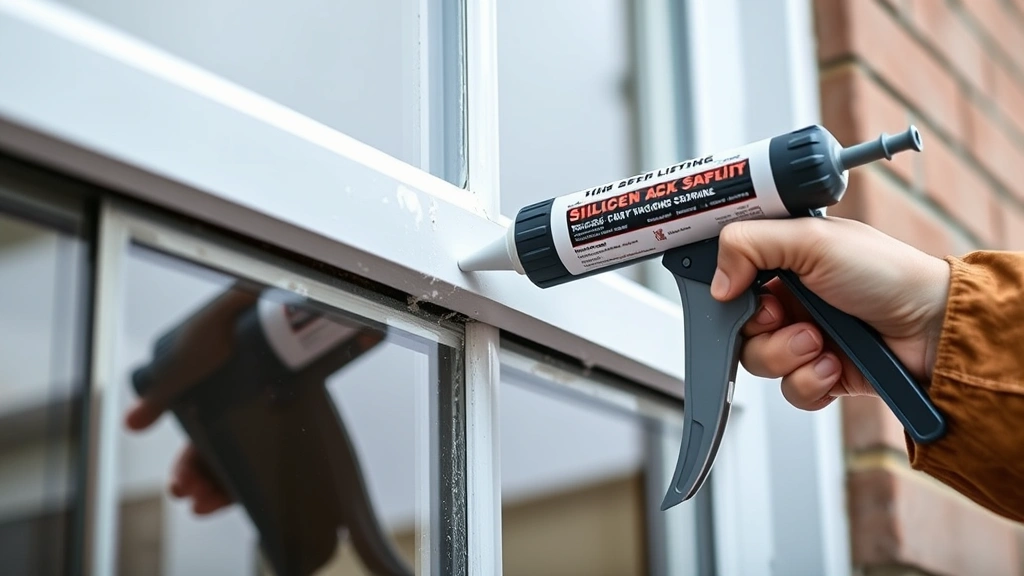
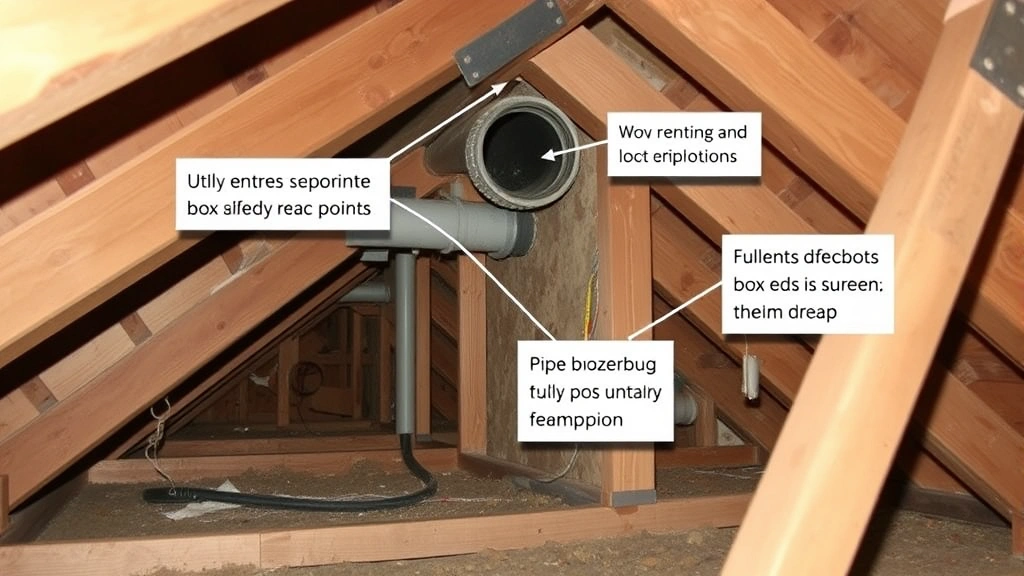
Inspect the exterior of your home thoroughly, paying special attention to areas where pipes, wires, and utilities enter the structure. These are common entry points for pests. Caulk gaps around window frames, door frames, and utility penetrations. Check for damaged or missing mortar in brick or stone exteriors, and repair any cracks in siding or foundation.
Interior Prevention: Once you’ve sealed the obvious entry points, focus on making your home less attractive as an overwintering site. Ensure attic vents have functioning screens and that foundation vents aren’t blocked. Maintain consistent indoor temperatures—bugs are less likely to settle in spaces that aren’t reliably warm.
Removal Methods That Work
If prevention efforts weren’t successful and boxelder bugs have already invaded, you have several removal options. The method you choose depends on the severity of the infestation and your comfort level with various approaches.
Vacuum Method: For smaller infestations, vacuuming is surprisingly effective. Use a handheld vacuum or shop vac to collect bugs from walls, windowsills, and other gathering spots. Empty the vacuum immediately into a sealed bag and dispose of it outside. This method is labor-intensive but requires no chemicals and poses no health risks. Repeat every few days as needed until bug activity diminishes.
Soapy Water Spray: A simple spray made from dish soap and water can kill bugs on contact. Mix a few drops of liquid dish soap in a spray bottle filled with water, then spray directly on bugs you encounter. This works best on smaller populations and requires repeated applications. The advantage is complete safety for you, your family, and pets.
Diatomaceous Earth: Food-grade diatomaceous earth (DE) is a natural powder that damages insects’ exoskeletons, causing dehydration and death. Apply it to areas where bugs congregate, particularly along baseboards, in attic corners, and around window frames. Reapply after rain or cleaning. Wear a dust mask when applying to avoid inhaling particles.
Natural Solutions
If you prefer avoiding synthetic chemicals, several natural approaches can help manage boxelder bug populations. These solutions work best as part of a comprehensive prevention and removal strategy rather than as standalone treatments.
Neem oil, derived from neem tree seeds, acts as a natural insecticide and can be applied to affected areas. It disrupts bugs’ feeding and reproductive cycles. Spray neem oil directly on bugs or affected surfaces, following product instructions carefully. Results typically appear within a few days.
Essential oils like peppermint, eucalyptus, and clove have shown some effectiveness in repelling boxelder bugs. While they won’t eliminate an infestation, they may discourage bugs from settling in treated areas. Mix essential oils with water and spray around entry points and gathering areas. Reapply regularly, especially after cleaning or rain.
Beneficial insects like ladybugs and parasitic wasps naturally prey on boxelder bugs and their eggs. Encouraging these beneficial insects in your yard by planting native plants and avoiding broad-spectrum pesticides can provide long-term population control. This approach requires patience but offers sustainable, chemical-free pest management.
For a broader perspective on managing seasonal pest problems, understanding how to address related issues like getting rid of gnats in plants can enhance your overall home maintenance knowledge. Similarly, if you’re dealing with multiple pest invasions, learning strategies for eliminating spiders or managing ant infestations provides a comprehensive toolkit for year-round pest control.
Chemical Treatments
For severe infestations that natural methods can’t control, chemical treatments become necessary. Several options are available, ranging from over-the-counter products to professional applications.
Pyrethrin-Based Sprays: These insecticides, derived from chrysanthemum flowers, are effective against boxelder bugs and available at most hardware stores. They work on contact and have relatively low toxicity to humans and pets when used as directed. Apply to areas where bugs congregate, typically in early fall when they’re actively seeking shelter.
Permethrin Treatments: Permethrin is a synthetic insecticide that mimics natural pyrethrin. It’s effective for treating building exteriors and can be applied to siding, trim, and other areas where bugs gather. Many homeowners hire professionals for this application due to the need for proper equipment and technique.
Professional Pest Control Services: If your infestation is severe or you prefer not to handle treatments yourself, professional pest control companies offer comprehensive solutions. They typically apply treatments to the exterior of your home in late summer or early fall, before bugs seek shelter. Many companies offer annual treatments as preventative measures.
When using any chemical treatment, follow all label instructions carefully, wear appropriate protective equipment, and keep pets and children away from treated areas during application and drying time. Always consider the environmental impact of chemical treatments and explore less toxic alternatives first when feasible.
Sealing Entry Points
Perhaps the most important long-term solution is preventing bugs from entering your home in the first place. This requires identifying and sealing potential entry points throughout your property.
Caulking and Weatherstripping: Inspect all window frames, door frames, and transitions between different building materials. Apply silicone caulk to gaps and cracks where bugs could squeeze through. Install or replace weatherstripping around doors and windows to create tight seals. Pay special attention to areas where bugs have previously entered.
Screen Repairs: Damaged window screens and door screens provide easy access for bugs. Inspect screens carefully and repair small holes with screen patch kits. Replace severely damaged screens entirely. Ensure screens fit snugly in their frames with no gaps.
Utility Penetrations: Where electrical lines, gas lines, water pipes, and HVAC ducts enter your home, gaps often exist around the penetrations. Seal these gaps with caulk, spray foam, or other appropriate materials. Use foam sealant around larger openings, then trim and caulk over it for a finished appearance.
Attic and Foundation Vents: Ensure all attic vents have functioning screens that are intact and properly installed. Foundation vents should also have screens. Install one-way doors on dryer vents and other exhaust openings to prevent bugs from entering while allowing air to escape.
Seasonal Timing and Planning
Boxelder bug management is inherently seasonal, and timing your efforts strategically maximizes effectiveness. Understanding the bugs’ lifecycle helps you intervene at optimal moments.
Late Summer (August-September): This is the critical prevention window. Before bugs begin actively seeking shelter, complete all exterior sealing and caulking work. Apply preventative treatments to the exterior of your home. Remove or treat boxelder trees if you haven’t already. This is also the time to clean gutters and ensure your home’s exterior is in good condition.
Fall (September-October): As temperatures drop, bug activity increases dramatically. This is when most infestations occur. Monitor your home for signs of bug entry. If you notice bugs inside, begin removal efforts immediately. Don’t wait for populations to explode—early intervention prevents overwhelming infestations.
Winter (November-March): Bugs are dormant inside your home during this period. While they’re not actively moving around, you might still notice them on warm, sunny days or in heated areas. Continue monitoring and removing any bugs you encounter. Maintain consistent indoor temperatures to discourage activity.
Spring (March-May): As temperatures warm, bugs become active again and attempt to exit your home toward the outdoors. This creates another opportunity for removal and observation. Bugs congregating on windows and walls are easiest to remove during this period. Continue sealing and preventing as they exit to reduce next year’s infestation.
For comprehensive pest management year-round, understanding how to handle other seasonal invaders like termites ensures your home remains protected across all seasons and pest types.
Frequently Asked Questions
Do boxelder bugs bite or sting?
No, boxelder bugs don’t bite or sting. They have piercing-sucking mouthparts designed for feeding on plant seeds, not for harming people. However, their stink glands produce a distinctive and unpleasant odor when they’re crushed or threatened, which is often the most objectionable aspect of their presence in homes.
Can boxelder bugs damage my home or property?
Boxelder bugs don’t cause structural damage, eat wood, contaminate food, or pose health risks. The primary issues they create are aesthetic—their presence on walls and windows is unsightly, and they leave small stains from their fecal matter. For most homeowners, the problem is purely one of comfort and cleanliness rather than property damage.
When should I treat for boxelder bugs?
The best time for preventative treatment is late summer (August) before bugs actively seek shelter. If you discover an infestation after bugs have already entered, begin removal immediately. Fall treatments (September-October) are also effective but work best when combined with proper sealing and prevention measures.
Are over-the-counter treatments effective?
Yes, many over-the-counter sprays and treatments work against boxelder bugs when used as directed. However, they’re most effective as part of a comprehensive approach that includes sealing entry points and removing existing bugs. Relying on chemical treatments alone without addressing entry points typically results in recurring infestations.
Should I hire a professional pest control company?
Professional pest control isn’t always necessary for boxelder bugs, but it can be worthwhile if you have a severe infestation or prefer not to handle treatments yourself. Professionals have access to more potent treatments and can apply them to your home’s exterior more effectively. Many offer annual preventative programs that significantly reduce infestation risk.
Will boxelder bugs come back next year?
Without proper prevention measures, boxelder bugs will likely return. However, comprehensive sealing of entry points combined with preventative treatments significantly reduces the likelihood of reinfestation. Most homeowners who implement thorough prevention strategies experience minimal or no bug problems in subsequent years.
Can I use pesticides indoors to prevent bugs?
While some indoor treatments exist, they’re generally not recommended as a primary prevention strategy. Instead, focus on sealing entry points and removing bugs that do enter. If you must use indoor pesticides, choose low-toxicity options and follow all label instructions carefully to protect your family and pets.
What’s the difference between boxelder bugs and other similar-looking insects?
Boxelder bugs are distinctive with their black bodies and red markings. They’re sometimes confused with leaf-footed bugs or other insects, but their specific coloration pattern is quite unique. If you’re uncertain about identification, take a photo and consult local extension services or pest management professionals.

Related Posts

How Long to Boil Lobster Tails: Cooking Guide

How Long to Fly from New York to London? Travel Times
