
How to Make French Press Coffee: Expert Guide
How to Make French Press Coffee: Expert Guide
There’s something undeniably satisfying about the ritual of brewing coffee in a French press. The gentle bloom of grounds, the aromatic steam rising from the carafe, and that first sip of rich, full-bodied coffee—it’s a moment of pure morning bliss. Unlike automatic drip machines that rush through the process, a French press invites you to slow down and actually engage with your coffee. It’s not complicated, but it does require attention to detail and understanding the fundamentals that separate mediocre coffee from exceptional cups.
The beauty of French press brewing lies in its simplicity and the control it gives you. With just a few key variables—water temperature, grind size, steeping time, and coffee-to-water ratio—you can dial in your perfect cup. Whether you’re a coffee enthusiast looking to perfect your technique or someone discovering the world beyond instant coffee, this guide will walk you through everything you need to know.
French press coffee has been a staple in European households for over a century, and for good reason. The immersion brewing method extracts oils and flavors that paper filters typically trap, resulting in a fuller mouthfeel and more pronounced taste. It’s also remarkably forgiving once you understand the basics, making it an excellent choice for home brewers of all skill levels.
What Is a French Press?
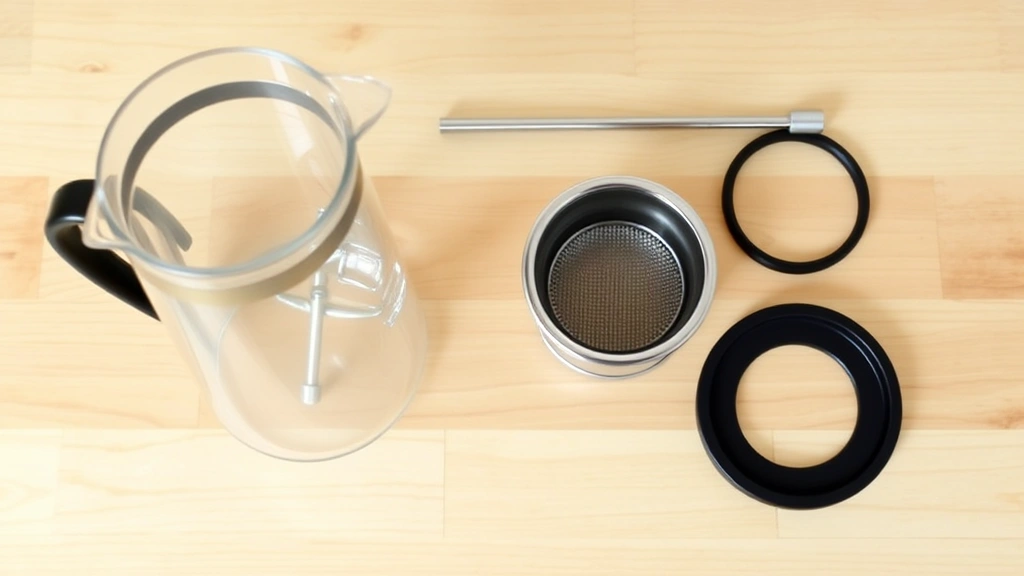
A French press, also called a cafetière or coffee plunger, is a cylindrical glass or stainless steel vessel with a metal filter attached to a plunger mechanism. The design is elegantly straightforward: you add coarsely ground coffee to the carafe, pour hot water over it, let it steep, and then press down the plunger to separate the grounds from the liquid. What emerges is coffee that’s bold, rich, and full of character.
The French press was patented in 1929, though similar designs existed earlier. The genius of the design is that it allows coffee grounds to remain in contact with hot water for an extended period—typically four minutes—enabling maximum flavor extraction. Unlike paper filters used in drip machines, the metal mesh filter in a French press allows the natural oils from the beans to pass through into your cup, contributing to that distinctive velvety texture and robust taste.
Understanding how to use a French press properly is the first step toward consistently excellent coffee. The device comes in various sizes, typically ranging from a small personal 3-cup model to larger 12-cup versions. For most home brewers, an 8-cup French press offers the ideal balance between capacity and ease of use.
Equipment and Ingredients You’ll Need
Before you start brewing, gather the essentials. You’ll need a French press, of course, but also a few other items that make the process smoother and more enjoyable.
- French press: Choose one made from borosilicate glass or stainless steel. Glass allows you to monitor the brewing process and enjoy the visual appeal, while stainless steel offers superior heat retention and durability.
- Whole coffee beans: Purchase beans within two to four weeks of their roast date for optimal freshness. Whole beans retain their flavors far better than pre-ground coffee.
- Burr grinder: Invest in a quality burr grinder rather than a blade grinder. Burr grinders produce uniform particle sizes, which is crucial for even extraction.
- Kettle: A gooseneck kettle gives you precise pouring control, though any kettle works. Some people prefer an electric kettle with temperature settings.
- Scale: Digital scales ensure you’re using the correct coffee-to-water ratio every single time. This removes guesswork and leads to consistency.
- Thermometer: An instant-read thermometer helps you hit the target water temperature. Many coffee enthusiasts consider this a worthwhile investment.
- Timer: Your phone’s timer works perfectly fine, but dedicated kitchen timers help you stay focused on the brewing process.
For water, use filtered water if possible. Making distilled water at home is an option if you’re dealing with very hard tap water, though filtered water is usually sufficient. The minerals in water actually play a role in flavor extraction, so completely demineralized water isn’t ideal—you want filtered water that still contains some minerals.
Step-by-Step Brewing Instructions
Let’s walk through the process of brewing the perfect cup of French press coffee. Follow these steps precisely for consistent, delicious results every single time.
Step 1: Preheat Your French Press
Start by boiling water in your kettle. While it’s heating, pour a small amount of hot water into your French press and swirl it around to warm the glass or steel. This preheating step prevents heat loss during brewing and ensures more stable extraction temperatures. Discard the water after about 30 seconds.
Step 2: Measure Your Coffee
The standard ratio is one part coffee to fifteen parts water by weight. If you don’t have a scale, a rough guideline is two tablespoons of ground coffee per six ounces of water. For an 8-cup French press, use approximately 0.5 ounces (14 grams) of beans per cup of water, or about 4 ounces (113 grams) total for a full carafe.
Step 3: Grind Your Beans
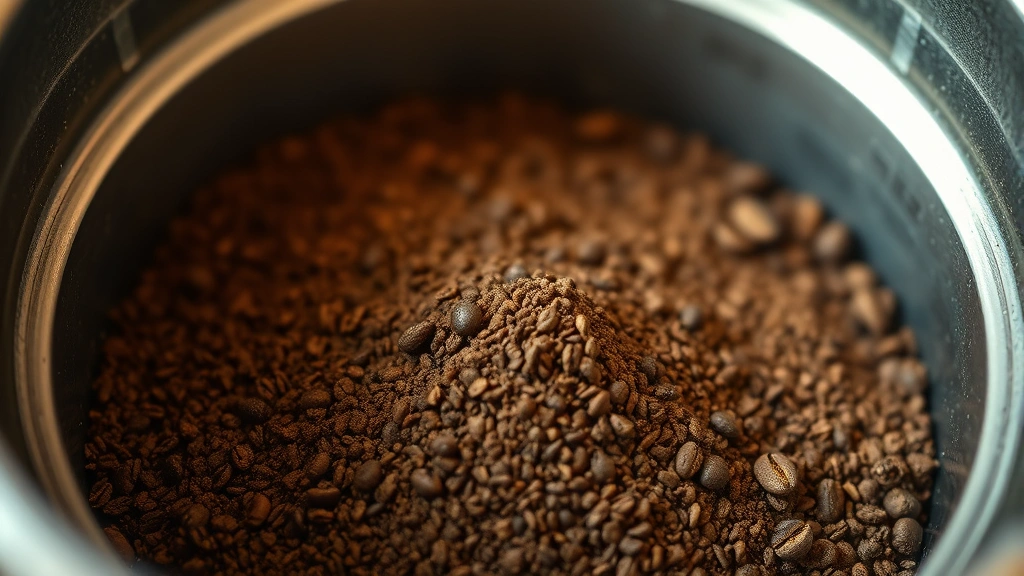
Grind your beans immediately before brewing. For French press, you need a coarse grind—similar in texture to breadcrumbs or sea salt. Fine grinds will result in muddy, over-extracted coffee and sediment in your cup. The coarse particles steep slowly and deliberately, extracting flavors evenly without bitterness.
Step 4: Add Grounds and Bloom
Place the ground coffee into your preheated French press. Use water that’s between 195°F and 205°F (90°C to 96°C). Pour just enough water to saturate the grounds—about twice the weight of the coffee—and let it sit for 30 to 45 seconds. This blooming phase allows the coffee to release gases and begin the extraction process smoothly.
Step 5: Pour the Remaining Water
After the bloom, slowly pour the remaining hot water into the French press. Pour in a circular motion to ensure all grounds are thoroughly saturated. Fill to about an inch from the top of the carafe.
Step 6: Steep for Four Minutes
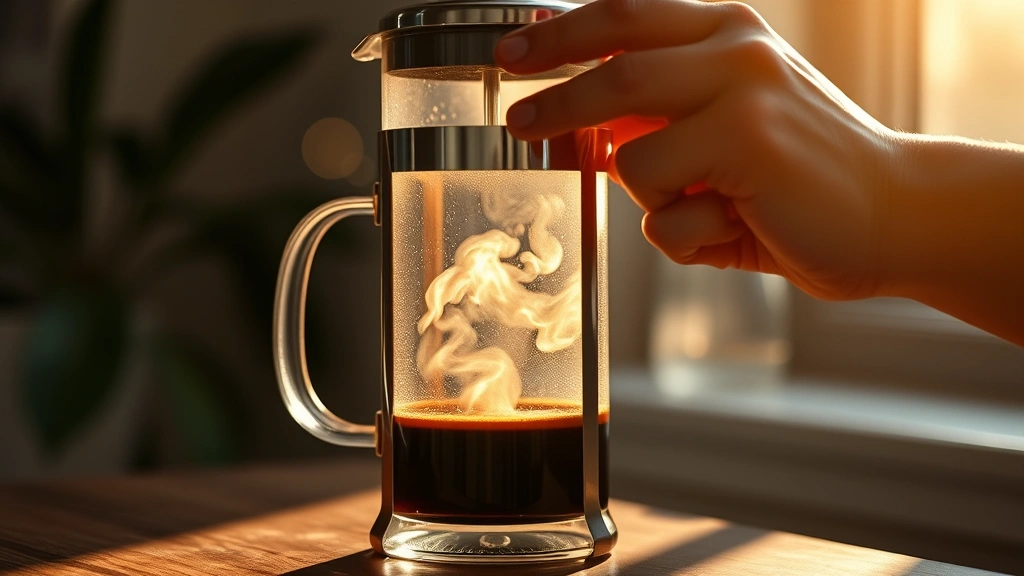
Place the lid on top of the French press with the plunger pulled all the way up. Let the coffee steep undisturbed for exactly four minutes. This is where the magic happens—the hot water extracts all those delicious oils, acids, and compounds from the grounds.
Step 7: Press Slowly
After four minutes, gently press the plunger down. This should take about 30 seconds of steady, even pressure. You’ll feel resistance as the metal mesh filter separates the grounds from the liquid. Don’t rush this step; a slow press ensures cleaner separation and fewer grounds in your final cup.
Step 8: Pour Immediately
Transfer your coffee to your cup right away. Leaving brewed coffee sitting in the French press allows continued extraction, which will make it taste bitter and over-steeped. If you’re brewing for multiple people, consider pouring into a thermal carafe to keep it hot.
Getting the Grind Size Right
Grind size is perhaps the most critical variable in French press brewing, and it’s where many home brewers stumble. The coarse grind isn’t just a suggestion—it’s fundamental to the entire process.
When you use too fine a grind, the particles extract too quickly and too thoroughly, releasing bitter compounds that would normally be filtered out. You’ll also end up with fine sediment at the bottom of your cup that’s unpleasant to drink. Conversely, a grind that’s too coarse won’t extract enough flavor, resulting in weak, underwhelming coffee.
The ideal French press grind looks like breadcrumbs or sea salt—individual pieces that you can see and feel. If you run a burr grinder through a full cycle and the result looks like flour, you’ve gone too fine. If it looks like pebbles, it’s too coarse. Most quality burr grinders have a coarse setting specifically designed for French press brewing, making it easy to dial in correctly.
Grind consistency is equally important as grind size. Blade grinders produce particles of wildly varying sizes, leading to uneven extraction. Burr grinders—whether flat or conical—create uniform particles that extract evenly. This consistency is why investing in a decent burr grinder pays dividends in cup quality.
Water Temperature Matters
Water temperature directly affects extraction speed and flavor development. Too hot, and you over-extract and create harsh, bitter notes. Too cool, and extraction happens too slowly, resulting in weak, sour coffee.
The sweet spot for French press is between 195°F and 205°F (90°C to 96°C). This range allows for complete extraction of desirable compounds while minimizing over-extraction. If your kettle doesn’t have a temperature setting, simply let boiled water cool for about 30 seconds before pouring.
Temperature stability throughout the brewing process matters too. This is why preheating your French press is important—it keeps the water from cooling too rapidly during steeping. Some coffee enthusiasts use thermal carafes or insulated French presses specifically to maintain stable temperatures.
Understanding water quality ties directly to temperature considerations. Keeping your water systems clean ensures you’re starting with quality liquid that won’t interfere with your brewing chemistry. Hard water can affect extraction, which is why filtered water produces noticeably better results than untreated tap water.
Common Mistakes to Avoid
Even with clear instructions, certain pitfalls trip up many French press brewers. Knowing what to avoid saves you from ruined batches and disappointment.
Using pre-ground coffee: Ground coffee begins losing flavor compounds immediately after grinding. Whole beans remain fresh for weeks; pre-ground coffee degrades in days. Always grind immediately before brewing.
Inconsistent grind size: As mentioned, uniform particle size is crucial. Invest in a burr grinder and stick with it.
Wrong brewing time: Deviating from four minutes throws off extraction. Use a timer and stick to it religiously until you understand how timing affects your specific beans and preferences.
Pressing too quickly: Rushing the plunge can force fine particles through the mesh filter into your cup. Take your time and press steadily.
Leaving coffee in the press: Extended contact time over-extracts the coffee. Pour immediately after pressing into your cup or a thermal carafe.
Using boiling water directly: Water at a rolling boil is too hot. Let it cool for 30 seconds or measure to ensure it’s below 205°F.
Not cleaning properly: Oil and residue buildup affects flavor. Just as making milk butter requires clean equipment, brewing excellent coffee demands thorough cleaning.
Troubleshooting Your Brew
Even experienced coffee brewers occasionally encounter issues. Here’s how to diagnose and fix common problems.
Coffee tastes bitter and harsh: You’re likely over-extracting. This happens with too-fine grinds, water that’s too hot, or steeping too long. Try coarsening your grind, lowering water temperature to 195°F, or reducing steeping time to 3.5 minutes.
Coffee tastes weak or sour: Under-extraction is the culprit. Use a coarser grind than you think you need, ensure water temperature is at least 200°F, or extend steeping time to 4.5 minutes. Also check that you’re using enough coffee—don’t skimp on the ratio.
Coffee has excessive sediment: Fine particles are making it through your filter. This usually means your grind is too fine or your plunger seal is worn. Try a coarser grind first. If the problem persists, your French press may need a new filter assembly.
Coffee cools too quickly: Your carafe isn’t retaining heat well. Preheat more thoroughly, use an insulated French press, or pour into a warmed cup or thermal carafe immediately after brewing.
Plunger is hard to press: Usually this means you’ve packed the grounds too tightly or your grind is too fine. Use a coarser grind and don’t tamp down the grounds before adding water.
Cleaning and Maintenance
Proper cleaning extends your French press’s lifespan and ensures great-tasting coffee every time. Coffee oils build up and go rancid, negatively impacting flavor.
Immediate cleaning: After pouring your coffee, disassemble the French press completely. Remove the plunger and filter assembly. Rinse the carafe and all components under hot running water while the residue is still warm and easy to remove. Use a soft brush or cloth to gently scrub the mesh filter.
Deep cleaning: Once weekly, soak all components in hot water with a small amount of dish soap for 10 minutes, then scrub gently and rinse thoroughly. For stubborn buildup, use a mixture of equal parts water and white vinegar.
Filter maintenance: The metal mesh filter is delicate. Never use abrasive scrubbers or put it in the dishwasher, as this can damage the mesh. If your filter becomes damaged, replacement filter assemblies are inexpensive and widely available.
Glass care: If your French press has a glass carafe, handle it carefully to avoid cracks. Check periodically for hairline fractures, which can cause the glass to shatter suddenly. Never place a cold glass carafe directly on a hot burner.
Rubber seal inspection: The rubber gasket around the plunger can wear out over time. If your plunger becomes loose or won’t create a seal, replacement gaskets are available separately.
Frequently Asked Questions
Can I make French press coffee with cold water?
Traditional French press uses hot water for a reason—heat accelerates extraction. You can make cold brew in a French press by steeping coarsely ground coffee in room-temperature or cold water for 12 to 24 hours, but this is a different brewing method with different flavor characteristics. Hot water extraction is the standard French press method.
How much coffee should I use?
The standard ratio is 1:15 coffee to water by weight. For example, 30 grams of coffee to 450 grams (about 15 ounces) of water. If you don’t have a scale, use roughly two tablespoons of ground coffee per six ounces of water. Adjust slightly based on your preference for stronger or milder coffee.
Can I use a French press for tea?
Absolutely. French presses work wonderfully for steeping loose-leaf tea. Use the same immersion brewing principle, adjusting steeping time based on the tea variety. Most teas steep for 3 to 5 minutes. Make sure to clean your French press thoroughly between coffee and tea brewing to avoid flavor transfer.
Why does my French press coffee have so much sediment?
Sediment typically results from too-fine a grind. The mesh filter in a French press is coarser than paper filters, so it allows fine particles through. Ensure you’re using a coarse grind—if it looks like flour, it’s too fine. Also, try pouring more carefully into your cup, leaving the last bit of liquid in the pot where most sediment settles.
How long does French press coffee stay fresh?
Coffee begins cooling and over-extracting immediately after pressing. Drink it within 15 to 20 minutes for optimal flavor and temperature. If you’re brewing for multiple people or want to keep coffee warm, transfer it to a thermal carafe immediately after pressing. Don’t leave it in the French press longer than necessary.
Can I reheat French press coffee?
You can reheat it, but flavor quality diminishes with each reheating. Microwaving is preferable to stovetop reheating, which can scorch the coffee. For best results, brew fresh coffee rather than reheating. If you need to keep coffee warm for extended periods, use an insulated carafe rather than reheating.
What’s the best coffee bean for French press?
Any quality, whole coffee bean works in a French press. Medium to dark roasts often showcase the fuller body that French press brewing emphasizes. However, lighter roasts can also be excellent—it depends on your preferences. Look for beans roasted within the past month for maximum freshness, and experiment with different origins to find your favorite.
Do I need special equipment besides the French press?
For basic brewing, you only need the French press, beans, and hot water. However, a burr grinder, scale, gooseneck kettle, and thermometer significantly improve consistency and results. These tools aren’t strictly necessary for beginners, but they become invaluable once you’re serious about coffee quality.
How do I know if my water is the right temperature?
If you don’t have a thermometer, let freshly boiled water cool for about 30 seconds before pouring. The water should be hot enough to feel uncomfortable touching but not actively steaming aggressively. You can also use the finger test: if you can comfortably hold your finger in the water for 10 seconds, it’s approximately the right temperature.
Can I use a French press for making other beverages?
Yes. Beyond coffee and tea, French presses work for steeping herbs, making infused oils, or even preparing cold brew concentrate. The immersion brewing principle applies to any ingredient you want to extract flavor from. Just ensure thorough cleaning between uses to prevent flavor contamination.

Related Posts

How Long to Boil Lobster Tails: Cooking Guide

How Long to Fly from New York to London? Travel Times
