
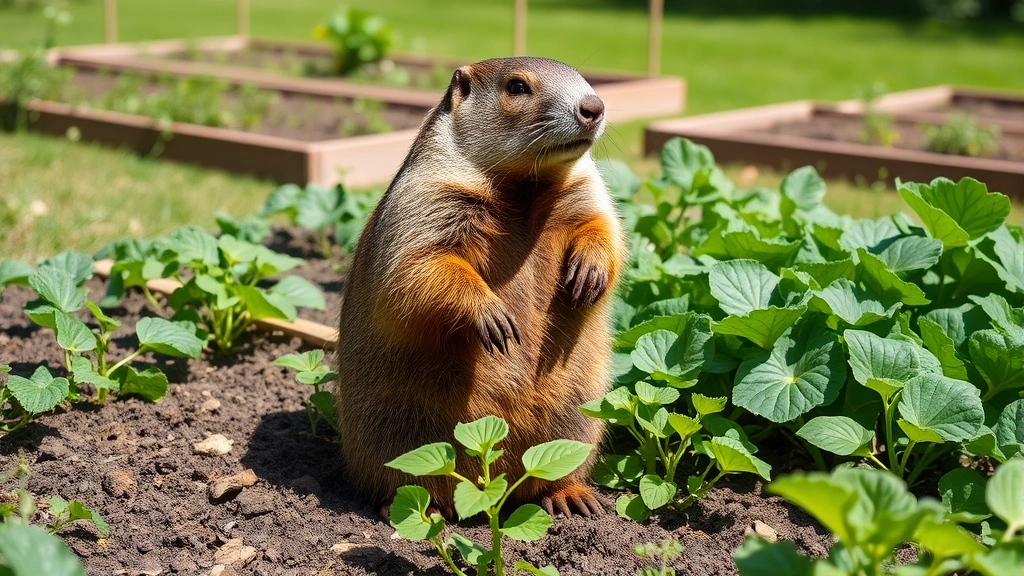
How to Get Rid of Groundhogs: Expert Guide
How to Get Rid of Groundhogs: Expert Guide to Reclaiming Your Yard
There’s nothing quite like the frustration of watching a groundhog systematically destroy your garden, one vegetable at a time. These burrowing rodents are deceptively cute until they tunnel under your foundation, devour your prized tomatoes, or create trip hazards across your lawn. If you’re dealing with groundhog damage, you’re not alone—and the good news is that effective solutions exist.
Groundhogs, also known as woodchucks, are surprisingly intelligent and persistent creatures. They’re not malicious; they’re simply following their natural instincts to eat, burrow, and survive. Understanding their behavior is the first step toward humanely and effectively removing them from your property. This comprehensive guide walks you through everything from identification to prevention, giving you the tools to reclaim your outdoor space.
Whether you’re a seasoned homeowner or tackling your first wildlife problem, we’ve covered every approach—from DIY deterrents to professional removal options. Let’s dig into the solutions that actually work.
Identifying Groundhogs and Signs of Infestation
Before you can effectively address a groundhog problem, you need to confirm you’re actually dealing with groundhogs and not another burrowing animal. Groundhogs are stocky rodents weighing 5-14 pounds, with reddish-brown fur, short legs, and a bushy tail. They’re larger than most other yard pests you might encounter, making them relatively easy to identify when spotted.
The telltale signs of groundhog activity include:
- Burrow holes: Large, clean holes 3-4 inches in diameter with minimal mounding. Unlike mole tunnels, groundhog burrows are discrete entry points.
- Garden damage: Clean-cut vegetation and missing plants, particularly vegetables like beans, peas, lettuce, and clover.
- Structural damage: Tunneling beneath decks, porches, or foundations that can compromise structural integrity.
- Visible droppings: Groundhog scat resembles rabbit droppings but is typically larger and scattered near burrow entrances.
- Worn paths: Visible trails through grass where groundhogs regularly travel between burrows and food sources.
Groundhogs are active primarily during spring through early fall, making late April through September the peak problem period. Understanding their seasonal patterns helps you time your intervention for maximum effectiveness.
Why Groundhogs Invade Your Property
Groundhogs aren’t targeting your yard out of spite—they’re attracted to specific features that make your property an ideal groundhog habitat. Understanding these attractants helps you address root causes rather than just symptoms.
Food sources are the primary draw. Groundhogs are herbivores with voracious appetites, consuming up to 1.5 pounds of vegetation daily during warm months. If your garden features tender vegetables, clover-rich lawn, or fruit-bearing plants, you’ve essentially hung a dinner bell for every groundhog in the neighborhood.
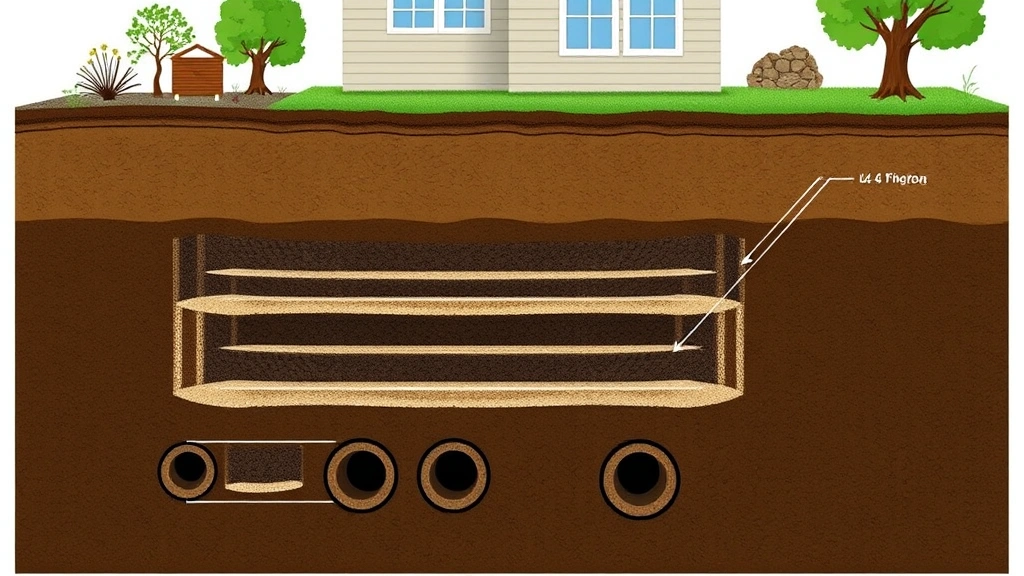
Shelter and safety rank equally important. Groundhogs need secure burrows for hibernation and raising young. Areas with loose soil, minimal disturbance, and good drainage—like under decks, sheds, or near foundation edges—become prime real estate. They’re also attracted to properties offering multiple escape routes and hiding spots.
Water availability matters too, especially during dry periods. While groundhogs get most moisture from vegetation, accessible water sources increase property attractiveness.
If your yard checks multiple boxes—vegetable garden, loose soil, shelter options, and water access—you’re essentially running a groundhog resort. Addressing even one or two of these factors significantly reduces your infestation risk.
Humane Removal Methods
Many homeowners prefer humane approaches that remove groundhogs without causing harm. These methods work best when combined with prevention strategies to avoid reinfestation.
One-way door exclusion is one of the most effective humane techniques. Install a one-way door over the burrow entrance, allowing groundhogs to exit but preventing reentry. The groundhog, seeking shelter, will eventually find or create an alternative burrow elsewhere. This method requires patience—typically 3-7 days—but respects animal welfare while solving your problem.
To implement this approach:
- Identify all active burrow entrances by loosely blocking them with soil or leaves and checking which ones are cleared within 24 hours.
- Purchase a one-way door kit designed for groundhogs (available at most hardware stores or online).
- Install the door according to manufacturer instructions, ensuring proper placement and secure mounting.
- Monitor the installation daily for signs of successful exit.
- After 7-10 days with no activity, remove the door and permanently seal the burrow.
For similar pest management challenges, you might consider our guides on how to get rid of ants and carpenter ants, which employ comparable exclusion principles.
Live trapping requires proper equipment and technique. Use a cage trap baited with fresh vegetables or clover, positioned near the burrow entrance or along established travel paths. Check traps daily—leaving a groundhog trapped for extended periods causes unnecessary stress.
Key trapping considerations:
- Use appropriately sized traps (12x12x32 inches minimum for groundhogs).
- Bait generously with fresh produce like lettuce, apples, or clover.
- Set traps in early morning or late evening when groundhogs are most active.
- Wear gloves when handling traps to minimize human scent.
- Relocate trapped groundhogs at least 5-10 miles away in suitable habitat (check local regulations first).
Before attempting live trapping, check your local wildlife regulations. Many jurisdictions require permits or prohibit relocation of groundhogs entirely.
Trapping and Relocation Best Practices
Successful relocation requires more than simply moving a trapped groundhog across town. Groundhogs are territorial and possess strong homing instincts, meaning relocated animals often don’t survive or return to your property.
Relocation success factors:
- Distance: Transport groundhogs at least 5-10 miles away to prevent return.
- Habitat quality: Release sites must offer adequate food, water, and shelter. Releasing a groundhog into unsuitable habitat is essentially a death sentence.
- Timing: Relocate during spring or early fall when groundhogs can establish themselves before winter.
- Legal compliance: Many states classify groundhog relocation as illegal without permits. Contact your local wildlife agency before proceeding.
- Transport care: Minimize stress by covering trap sides, providing shade, and transporting quickly to release sites.
The harsh reality? Many relocated groundhogs don’t survive. If this troubles you, consider that professional removal services often use lethal methods anyway. Your best option remains prevention and exclusion—keeping groundhogs from establishing residence in the first place.
Exclusion and Barrier Techniques
Physical barriers prevent groundhogs from accessing vulnerable areas—the most reliable long-term solution when properly installed.
Underground fencing around garden areas works exceptionally well. Groundhogs are excellent diggers, so standard above-ground fencing proves insufficient. Instead, install fencing that extends both above and below ground:
- Bury fencing 12 inches deep, with an additional 6-12 inches bent outward at a 90-degree angle beneath the soil surface.
- Use sturdy material—chicken wire or hardware cloth rated for groundhog exclusion.
- Ensure above-ground height of at least 3-4 feet (groundhogs can climb surprisingly well).
- Inspect regularly for damage or gaps that groundhogs might exploit.
Deck and foundation protection prevents groundhogs from burrowing under structures. Install quarter-inch hardware cloth along foundation edges, extending 12 inches underground and 6 inches above grade. Secure it tightly with stakes or fasteners to eliminate gaps. This approach combines with termite prevention measures to protect your home’s structural integrity.
Burrow destruction and sealing eliminates existing shelter. Once you’ve confirmed groundhogs have vacated (using one-way doors or live trapping), fill burrows completely with soil, gravel, or expanding foam. Partially filled burrows simply invite reoccupancy.
Natural Deterrents and Repellents
While less reliable than physical barriers, natural deterrents can supplement your exclusion strategy and reduce property attractiveness.
Predator urine and feces exploit groundhog fear instincts. Coyote or bobcat urine, available commercially, signals danger and may encourage relocation. Apply around burrow entrances and garden perimeters, reapplying after rain. Effectiveness varies—some groundhogs ignore these signals entirely while others respond immediately.
Castor oil-based repellents work by making vegetation taste unpleasant. These products don’t harm groundhogs but discourage feeding on treated plants. Reapply after rain and every 2-3 weeks for continued protection. Results are mixed but worth attempting before escalating to physical removal.
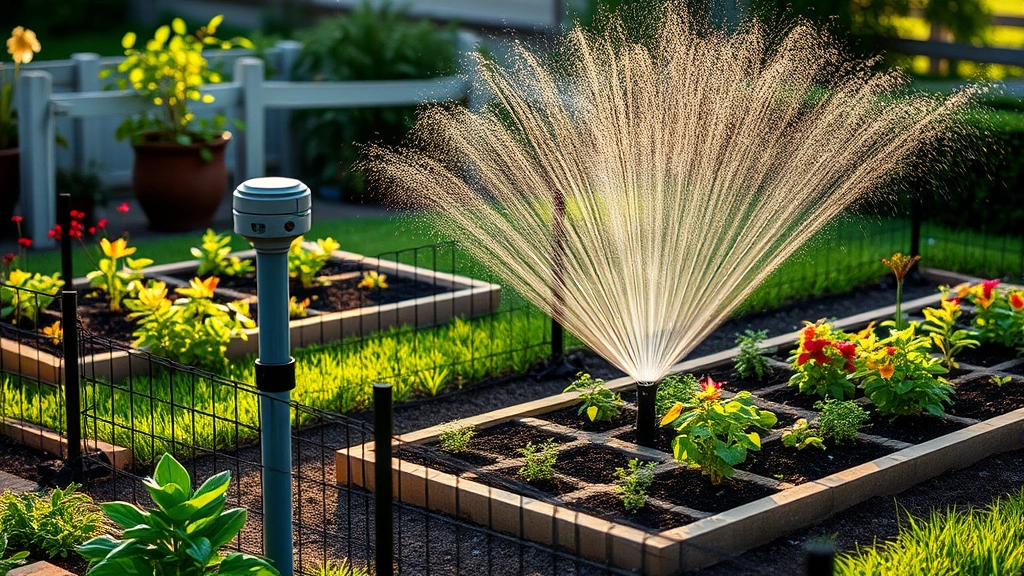
Noise and motion deterrents like motion-activated sprinklers or noisemakers can disrupt groundhog activity patterns. However, groundhogs are adaptable creatures that often habituate to repeated stimuli. Vary your approach or rotate deterrent types to maintain effectiveness.
Plant-based deterrents involve cultivating groundhog-resistant vegetation. Groundhogs avoid plants with strong scents or bitter tastes, including garlic, onions, hot peppers, and herbs like oregano and thyme. Interplanting these among vulnerable vegetables provides some protection, though determined groundhogs still breach these defenses.
Similar to managing other garden pests like spiders, combining multiple deterrent approaches yields better results than relying on single solutions.
Long-Term Prevention Strategies
The most effective groundhog management strategy prevents problems before they start. These maintenance practices reduce your property’s appeal to groundhogs while improving overall yard aesthetics.
Eliminate food attractants: Remove or protect garden vegetables, fallen fruit, and seed from bird feeders. Store pet food indoors and clean up food debris promptly. Consider planting groundhog-resistant vegetables or protecting vulnerable plants with individual barriers.
Maintain your landscape: Keep grass mowed short to eliminate cover and make the property feel exposed and unsafe. Remove brush piles, dense vegetation, and debris that provide hiding spots. Groundhogs prefer undisturbed areas—active management signals that your property isn’t ideal habitat.
Secure structures: Seal gaps under decks, sheds, and porches before groundhogs establish residence. Install and maintain quarter-inch hardware cloth around vulnerable areas. Address foundation cracks and gaps promptly.
Manage water sources: Fix leaky irrigation systems and eliminate standing water. Ensure proper drainage around your property to reduce moisture that attracts groundhogs and supports their food sources.
Professional assessment: If groundhog problems persist despite your efforts, consider professional wildlife management consultation. These experts identify specific attractants and vulnerabilities you might miss, developing customized prevention plans.
For comprehensive home maintenance addressing multiple pest concerns, explore our resource on how to dispose of old gas and other household maintenance topics that contribute to overall property management.
Frequently Asked Questions
What time of year are groundhogs most active?
Groundhogs are most active from late spring through early fall (May-September). They emerge from hibernation in late winter, breed in spring, and prepare for hibernation by late summer. This peak activity period represents your best intervention window for removal and prevention efforts.
Can I use poison to kill groundhogs?
While poison is technically an option, it’s rarely recommended. Poisoned groundhogs may die in inaccessible burrows, creating odor problems. Additionally, poison can harm non-target animals, pets, and create legal liability. Exclusion and removal methods prove more humane and practical.
Do groundhogs cause structural damage?
Yes, extensive groundhog burrowing can undermine foundations, compromise deck supports, and damage underground utilities. A single groundhog creates burrow systems with multiple entrances spanning 25-30 feet. Addressing infestations promptly prevents costly structural repairs.
How many groundhogs might I have?
Property infestations typically involve 1-3 groundhogs, though multiple individuals occasionally share burrow systems during mating season. Count active burrow entrances and observe activity patterns to estimate population size. More burrows suggest multiple residents requiring comprehensive removal.
Will groundhogs return after removal?
Without prevention measures, groundhogs will likely reinvade. Other groundhogs recognize and move into established burrows, especially desirable locations near food sources. Combine removal with exclusion barriers and habitat modification to prevent reinfestation.
Are there professional removal services?
Yes, licensed wildlife removal professionals handle groundhog problems throughout the country. They employ trapping, exclusion, and habitat modification strategies. Services typically cost $300-$800 depending on infestation severity and your location. Many offer prevention consultations to avoid future problems.
What’s the legal status of groundhog removal?
Groundhog management legality varies significantly by jurisdiction. Some states classify them as game animals requiring hunting licenses or specific seasons for removal. Others permit unrestricted removal on your property. Check your local wildlife agency’s regulations before attempting removal or relocation.
Can I use exhaust from my truck to kill groundhogs in burrows?
This method is illegal in most jurisdictions, inhumane, and ineffective. Groundhogs can seal burrow chambers, and exhaust gases often fail to reach all tunnel sections. Additionally, groundhogs may escape through secondary exits. Stick with proven, legal removal methods instead.
How long does it take to see results?
Exclusion and one-way door methods typically show results within 7-14 days. Live trapping may require 3-7 days depending on groundhog behavior and bait effectiveness. Prevention strategies require 4-8 weeks of consistent application before groundhogs relocate. Patience and persistence pay dividends with wildlife management.

Related Posts

How Long to Boil Lobster Tails: Cooking Guide

How Long to Fly from New York to London? Travel Times
