
How to Clean Hardwood Floors: Expert Guide
How to Clean Hardwood Floors: Expert Guide
There’s something undeniably satisfying about gazing down at gleaming hardwood floors that catch the light just right. Yet achieving that showroom shine requires more than just a quick vacuum pass and wishful thinking. Hardwood floors are an investment in your home’s aesthetic and value, but they’re also surprisingly temperamental if you don’t know what you’re doing. The difference between floors that look pristine for decades and those that develop dull, cloudy patches often comes down to one thing: proper cleaning technique.
The truth is, cleaning hardwood floors isn’t complicated once you understand the fundamentals. It’s not about fancy equipment or expensive products—it’s about knowing which methods protect your wood while actually removing dirt, dust, and grime. Whether you’re dealing with fresh hardwood or floors that have seen better days, this guide will walk you through everything you need to know to keep them looking their absolute best.
Preparation and Assessment
Before you even think about pulling out cleaning supplies, take a moment to assess your floors. Understanding what you’re working with makes all the difference. Are your floors sealed with polyurethane? Do they have a wax finish? Are they pre-finished or site-finished? This matters because different finishes require different approaches. A floor with a durable polyurethane topcoat can handle more aggressive cleaning than a delicate wax finish.
Start by identifying what’s actually on your floor. If water beads up when you splash a few drops, you’ve got a sealed finish—likely polyurethane or similar protective coating. If water absorbs into the wood or leaves spots, you’re dealing with either an oil finish or bare wood that needs immediate attention. This simple test takes thirty seconds and informs every cleaning decision you’ll make going forward.
Next, clear the floor of clutter. This isn’t just about aesthetics—it’s practical. Furniture, toys, and other items make cleaning harder and can get in your way. Move everything to one side of the room if you’re tackling a large space, or simply create a clear path for your cleaning routine. This also gives you an opportunity to inspect the floor itself. Look for areas where dirt has accumulated, sticky spots that might need special attention, or any damage that needs addressing before you start.
Much like how you’d clean a dishwasher by first removing debris before running the cycle, hardwood floor cleaning starts with removing surface-level obstacles. It’s the foundation for everything that follows.
Daily Maintenance Basics
Consistency beats intensity when it comes to hardwood floor care. A quick daily or every-other-day routine prevents dirt from accumulating and eliminates the need for heavy-duty cleaning sessions. The best part? It takes minutes.
Vacuuming and Sweeping
Start with a soft-bristled broom or a vacuum with a hardwood floor attachment. This removes dust, pet hair, and debris that can scratch your floor when walked on. A regular upright vacuum can actually damage hardwood because the beater bar can leave marks. Instead, use your vacuum’s hard floor setting or switch to a soft broom. Pay special attention to corners and edges where dust loves to hide.
For vacuum selection, look for models specifically designed for hard floors. Many modern vacuums have switchable heads that work beautifully on wood. The key is avoiding anything with a rotating brush that contacts the floor surface.
Microfiber Mopping
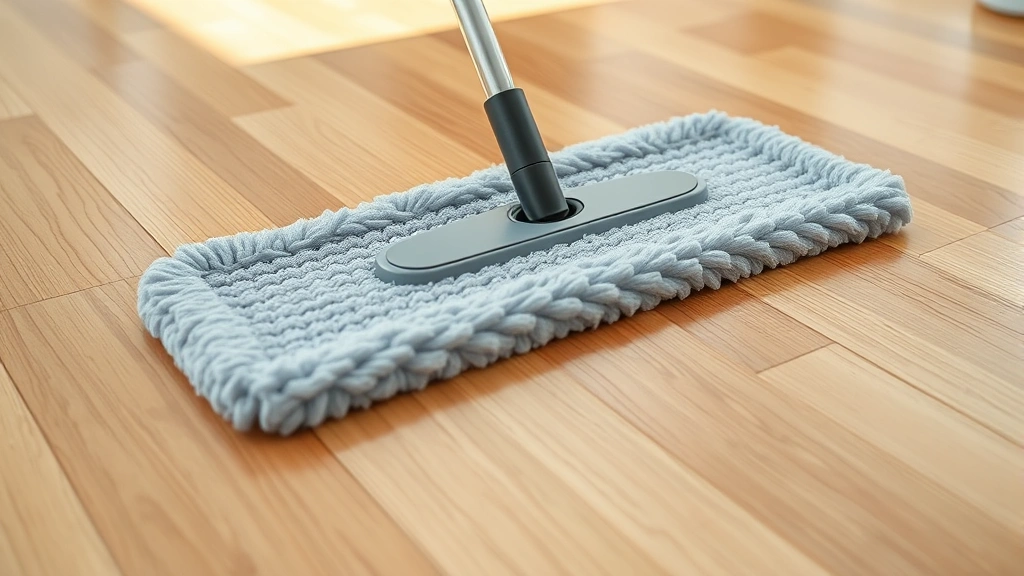
Once you’ve removed loose debris, a microfiber mop with just a touch of moisture is your secret weapon. Microfiber attracts dust and grime like a magnet, and it requires minimal moisture—which is crucial for hardwood. Dampen your mop so it’s barely wet, not dripping. Think “wrung out thoroughly” rather than “fresh from the bucket.”
Use smooth, overlapping strokes and work in sections. This method works for both sealed and unsealed floors, though unsealed floors need even less moisture. If your microfiber mop leaves streaks, you’re either using too much water or your mop isn’t clean. Wash it regularly to maintain its effectiveness.
Deep Cleaning Methods
When daily maintenance isn’t enough—maybe it’s been a few months, or you’ve just moved into a new place—it’s time for deeper cleaning. This is where technique becomes critical because you’re introducing more moisture and potentially stronger cleaning solutions.
The Vinegar and Water Method
The classic combination of white vinegar and water works surprisingly well for sealed hardwood floors. Mix one part white vinegar with four parts water. This mild acid cuts through grime without being harsh enough to damage the finish. Apply it to your microfiber mop so it’s damp but not wet, then mop in the direction of the wood grain.
Why the grain matters? Mopping against the grain can push water into the seams and edges where it can cause swelling and damage. Always work with the grain, and you’ll notice your floors dry more evenly too.
For stubborn spots, let the solution sit for a minute or two before wiping. Don’t let it puddle or sit for extended periods—the goal is damp cleaning, not wet cleaning. After you’re done, do a final pass with a clean, barely damp mop to remove any vinegar residue.
Commercial Hardwood Floor Cleaners
Quality hardwood-specific cleaners from brands like Home Depot or specialty retailers are formulated to clean without leaving buildup. Look for products labeled as safe for your specific finish type. Read the instructions carefully—some require dilution, others come ready to use.
Apply these cleaners exactly as directed. Many people make the mistake of using too much product thinking it’ll clean better. Instead, excess product leaves residue that makes floors look dull and can become sticky over time. A little goes a long way with quality cleaners.
Steam Cleaning Considerations
Steam cleaners are controversial in hardwood floor circles, and for good reason. The intense heat and moisture can damage wood, especially if your floor isn’t perfectly sealed or if steam sits in one spot too long. Generally, hardwood floors are better served by other methods. If you absolutely must use steam, do it sparingly and only on sealed floors in good condition. Many hardwood flooring manufacturers specifically recommend against steam cleaning, so check your warranty first.
Interestingly, maintaining clean hardwood floors requires the same attention to detail as cleaning an oven—you need to understand what you’re working with and use appropriate techniques for the material.
Spot Removal and Stain Treatment
Life happens. Coffee spills, pet accidents, water rings from forgotten glasses—these are the real challenges of hardwood floor ownership. The key to handling them is speed and precision.
Fresh Spills
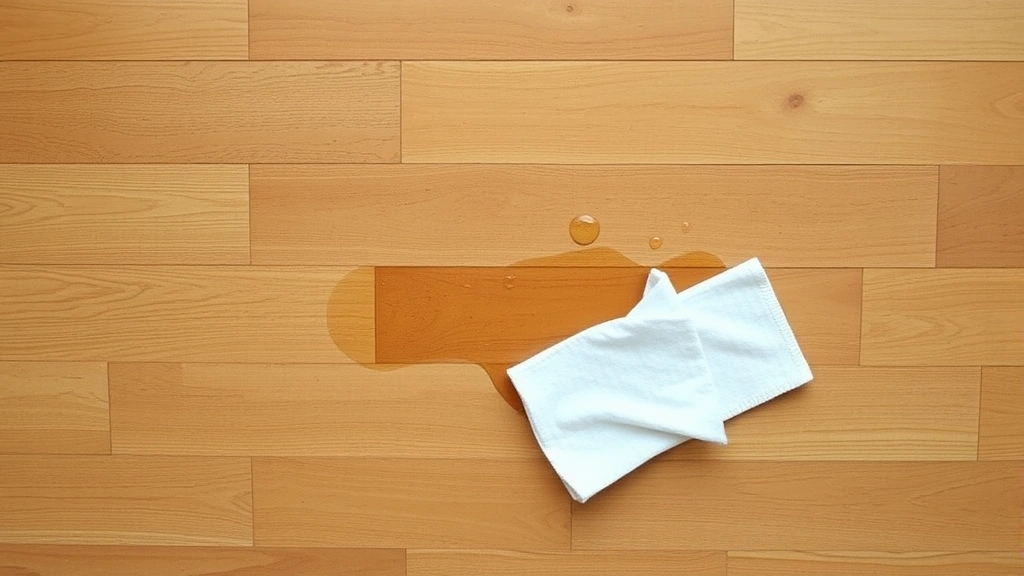
The moment something spills, blot it up with a clean cloth. Don’t wipe—blot. Wiping spreads the liquid and drives it deeper into the wood. Use a dry cloth first, then a slightly damp cloth if needed. For sticky substances like juice or soda, a tiny bit of damp cloth works, but follow up immediately with a dry cloth to prevent water damage.
Water Rings and Marks
These cloudy white spots appear when moisture sits on the finish rather than penetrating the wood. Try rubbing them gently with a microfiber cloth and a tiny amount of white vinegar solution. For stubborn rings, make a paste of baking soda and water, apply it to the spot, and gently rub with the grain. Wipe clean immediately and dry thoroughly.
Pet Accidents
Pet urine is one of the toughest hardwood challenges because it can penetrate the finish and soak into the wood itself. For fresh accidents, blot immediately with paper towels, then clean with an enzymatic pet cleaner designed for hardwood. These break down the organic compounds causing the smell and stain. For old stains, you might need professional help or refinishing in that area.
Gouges and Scratches
Minor surface scratches can sometimes be minimized with touch-up markers or stain pens that match your floor color. Deeper gouges might require wood filler. For significant damage, consult a professional floor refinisher—it’s often worth the investment to protect your flooring investment.
What to Avoid on Hardwood
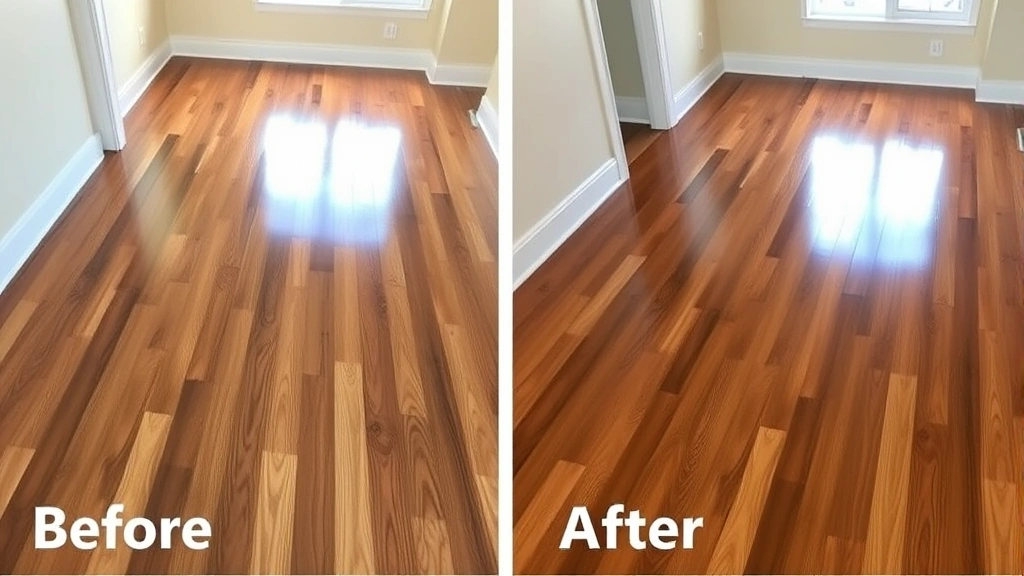
Understanding what damages hardwood floors is just as important as knowing what cleans them. Some common mistakes can cause permanent damage.
Excess Water and Moisture
This is the number one enemy of hardwood floors. Water causes wood to swell, leading to warping, cupping, and permanent damage. Never use a wet mop, bucket-and-mop method, or anything that leaves standing water. Your mop should be barely damp—if you can wring water out of it, it’s too wet for hardwood.
Harsh Chemicals
Bleach, ammonia, and other harsh cleaners strip finishes and can cause discoloration. They’re also unnecessary—gentle solutions work just fine for hardwood. Stick with pH-neutral cleaners or the vinegar and water method for best results.
Abrasive Tools
Steel wool, scrub brushes with stiff bristles, and abrasive sponges will scratch your finish. Stick with soft microfiber cloths and soft-bristled brushes. When you need more scrubbing power, the solution isn’t a harsher tool—it’s letting your cleaning solution sit longer to break down the grime.
Just as you wouldn’t use steel wool on stainless steel pans, hardwood floors need gentle handling to maintain their finish.
Wax Buildup
If your floor is sealed with polyurethane, adding wax creates a sticky, dull buildup over time. Use only products appropriate for your specific finish. If you’re unsure, test in a closet or inconspicuous area first.
Seasonal Care and Protection
Different seasons bring different challenges to hardwood floors. Strategic seasonal maintenance prevents problems before they start.
Winter Challenges
Cold, dry air from heating systems causes wood to shrink, creating gaps between boards. This is normal and usually reversible when humidity increases in spring. To minimize problems, maintain indoor humidity between 30-50% using a humidifier if necessary. Clean more frequently in winter because salt and dirt tracked in from outside are more visible on bare floors.
Summer and Humidity
High humidity causes wood to expand. Excessive moisture can lead to cupping and warping. Use air conditioning and dehumidifiers to keep humidity below 60%. Wipe up spills immediately—summer is peak season for water-related accidents.
Spring and Fall Transitions
These mild seasons are perfect for deep cleaning. With moderate temperatures and humidity, your floors are less stressed, making it ideal timing for thorough maintenance. Consider this your opportunity to address any damage that accumulated during harsh seasons.
Preventative Measures
Use area rugs in high-traffic zones to reduce wear. Place felt pads under furniture legs to prevent scratching and make moving furniture easier. Install doormats at entrances to catch dirt before it reaches your floors. These simple steps dramatically reduce cleaning frequency and extend your floor’s life.
Maintaining hardwood floors requires the same proactive approach as cleaning a washing machine—regular maintenance prevents major problems from developing.
Professional Refinishing
Even with perfect care, hardwood floors eventually need refinishing. This typically happens every 7-10 years depending on foot traffic. This Old House has excellent resources on when refinishing becomes necessary. Professional refinishing removes the old finish, sands the wood, and applies a fresh protective coat. It’s a significant investment but transforms tired floors back to their original beauty.
Frequently Asked Questions
Can I use a regular mop on hardwood floors?
Not recommended. Regular mops retain too much water and can damage hardwood. Microfiber mops that are wrung out thoroughly are your best option. If you prefer traditional mopping, use a Family Handyman approved approach with minimal water and frequent wringing.
How often should I clean my hardwood floors?
Light cleaning with a microfiber mop should happen weekly or bi-weekly depending on traffic. Vacuuming or sweeping should happen 2-3 times weekly to prevent dirt accumulation. Deep cleaning is needed every 1-3 months depending on your household.
Is vinegar safe for all hardwood floors?
Vinegar and water solution is safe for sealed hardwood floors with polyurethane finishes. For oil-finished or wax-finished floors, check manufacturer recommendations first. When in doubt, test in a hidden area before using on visible portions of your floor.
What’s the best way to remove sticky residue from hardwood?
For sticky spots like dried juice or sap, dampen a cloth with a 1:4 vinegar to water solution and let it sit on the spot for a minute. Gently rub with the grain, then dry immediately. For stubborn residue, a tiny amount of rubbing alcohol on a cloth works, but use sparingly and dry immediately.
Should I seal my hardwood floors myself?
This depends on the current condition and your comfort level. Minor touch-ups with finish markers are manageable DIY projects. Full resealing or refinishing is typically a job for professionals because it requires proper sanding, dust containment, and multiple coats applied in controlled conditions. The Home Depot guide on floor finishing provides detailed information if you want to explore DIY options.
Can I use robot vacuums on hardwood floors?
Yes, robot vacuums designed for hard floors work well on hardwood. Look for models with soft brushes and avoid models with aggressive beater bars. They’re excellent for daily maintenance and can run on a schedule, keeping your floors consistently clean.
How do I prevent scratches on hardwood floors?
Use felt pads under all furniture legs, keep pet nails trimmed, use area rugs in high-traffic zones, and maintain a regular cleaning routine so grit doesn’t accumulate and get ground into the finish. Avoid dragging furniture across the floor—always lift and carry.
What should I do about hardwood floor gaps?
Small gaps between boards are normal and seasonal. They typically close when humidity increases. Gaps larger than 1/4 inch or that don’t close seasonally might indicate a moisture or installation problem and should be evaluated by a professional. Don’t attempt to fill large gaps yourself without professional assessment.
Is it normal for hardwood floors to be slippery?
Some slipperiness is normal, especially with sealed finishes. If your floors are excessively slippery, you might have product buildup. Try cleaning with a vinegar and water solution to remove residue. Area rugs and proper footwear help too. Avoid waxing sealed polyurethane floors as this increases slipperiness.
How do I handle hardwood floor stains from pets?
For fresh accidents, blot immediately and clean with an enzymatic cleaner designed for hardwood. For old stains, try the baking soda and vinegar paste method. Stubborn stains that have penetrated the finish might require sanding and refinishing that small area. Prevention through prompt cleanup is always better than treating established stains.

Related Posts

How Long to Boil Lobster Tails: Cooking Guide

How Long to Fly from New York to London? Travel Times
