
How to Change Transmission Fluid: Step-by-Step Guide
How to Change Transmission Fluid: Step-by-Step Guide
Your transmission is basically the middleman between your engine and wheels, and it deserves some serious TLC. One of the most overlooked maintenance tasks is changing transmission fluid, yet it’s absolutely crucial for keeping your vehicle running smoothly. Think of transmission fluid as the lifeblood of your transmission—it lubricates, cools, and protects all those intricate gears and components working overtime under your vehicle.
Whether you’re driving an automatic or manual transmission, the fluid eventually breaks down from heat and friction. When that happens, your transmission loses efficiency, shifts become sluggish, and you’re basically inviting expensive repair bills to your driveway. The good news? You can tackle this project yourself with some patience, the right tools, and a clear roadmap.
This comprehensive guide walks you through everything you need to know about changing transmission fluid, from preparation to completion. By the end, you’ll have the confidence to handle this maintenance task like a seasoned DIYer.
Why Changing Transmission Fluid Matters
Transmission fluid isn’t just some random lubricant—it’s engineered to handle extreme pressures and temperatures. Over time, it accumulates dirt, metal particles, and oxidation byproducts that compromise its effectiveness. When you’re driving, your transmission generates heat that can reach temperatures exceeding 200 degrees Fahrenheit. Old, degraded fluid simply can’t handle this stress.
Regular fluid changes extend your transmission’s lifespan significantly. Most manufacturers recommend changing transmission fluid every 30,000 to 100,000 miles, depending on your vehicle’s make and model. Neglecting this maintenance can lead to rough shifting, transmission slippage, and eventually, a complete transmission failure that’ll cost you thousands in repairs.
Beyond just longevity, fresh transmission fluid improves fuel efficiency and smoother gear transitions. You’ll notice your vehicle responds more crisply to acceleration and downshifts feel less jerky. It’s one of those maintenance tasks that delivers immediate, noticeable improvements in your driving experience.
What You’ll Need Before You Start
Before you crawl under your vehicle, gather all necessary supplies and tools. Having everything ready prevents frustrating mid-project trips to the auto parts store.
Essential Tools and Supplies:
- Jack and jack stands (or ramps for safer elevation)
- Socket wrench set and basic hand tools
- Transmission fluid drain pan (at least 10-quart capacity)
- Funnel (preferably one designed for transmission fluid)
- New transmission fluid (correct type for your vehicle)
- New transmission filter (if applicable)
- Gasket scraper or plastic pry tool
- Rags and paper towels
- Safety glasses and work gloves
- Torque wrench
- Newspaper or cardboard for spill protection
The most critical component here is getting the correct transmission fluid for your specific vehicle. Don’t guess or substitute. Check your owner’s manual or ask your dealership. Using the wrong fluid type can damage your transmission irreparably. Common types include ATF (Automatic Transmission Fluid), Dexron, Mercon, and CVT fluids, each designed for specific transmission systems.
Preparation and Safety
Safety isn’t negotiable when working under a vehicle. This step separates DIY warriors from DIY casualties.
Setting Up Your Workspace:
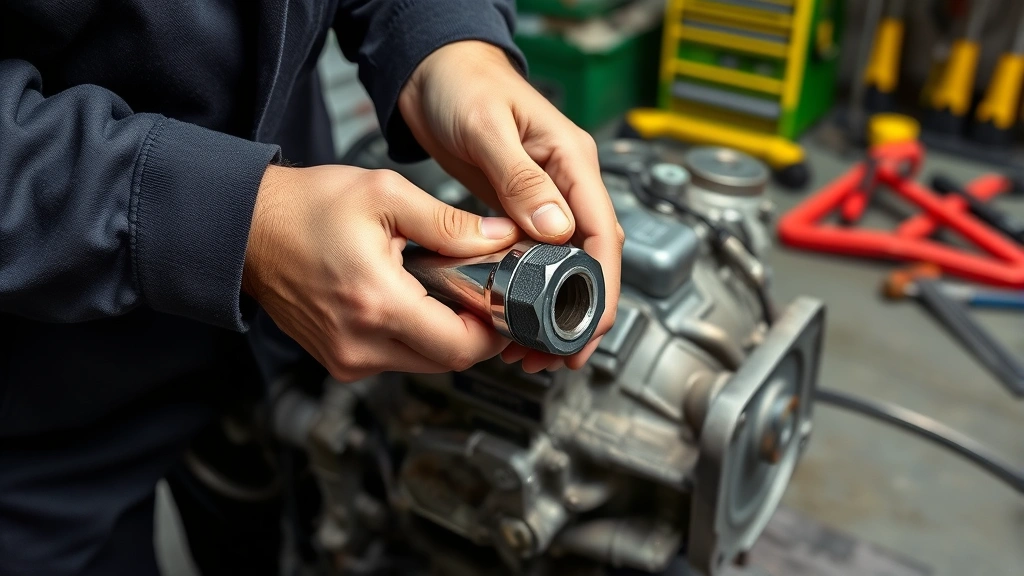
Park your vehicle on level ground in a well-ventilated area. If you’re using a jack, place it on the vehicle’s reinforced lift points (consult your manual if unsure). Never rely solely on a jack—always use jack stands as backup support. This redundancy saves lives. Ramps offer a safer alternative if your driveway slope cooperates.
Before you start draining, let your engine run for a few minutes to warm the transmission fluid. Warm fluid flows more easily and carries out more contaminants. However, don’t make it scorching hot—you still need to handle it safely without burning yourself. Aim for warm, not boiling.
Lay down newspaper or cardboard under your work area. Transmission fluid stains are permanent and stubborn. Place your drain pan directly under the drain plug to catch every drop. Spilled transmission fluid is hazardous to soil and wildlife, so proper containment matters.
When it comes to preparation, remember that checking your transmission fluid level beforehand helps establish a baseline. If you’ve never checked transmission fluid before, now’s a perfect opportunity to learn that skill too.
The Drain Process
This is where the actual work begins. Take your time—rushing this step often leads to spills and mess.
Locating and Removing the Drain Plug:
Consult your service manual to locate the transmission drain plug. It’s typically positioned at the lowest point of the transmission pan. Some vehicles have a drain plug; others require pan removal. If your transmission doesn’t have a dedicated drain plug, you’ll need to remove the entire pan, which involves more steps but follows similar principles.
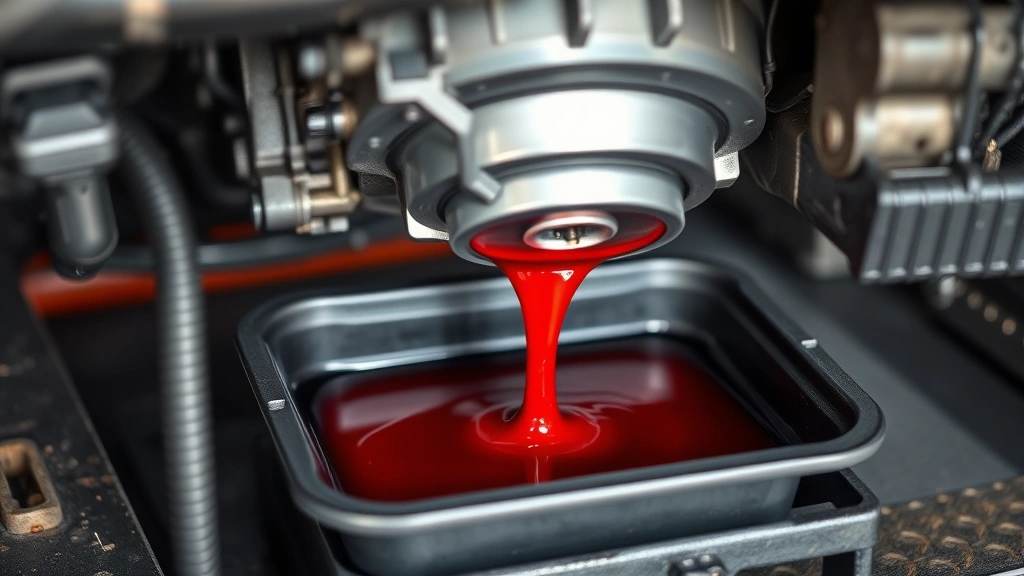
Position your drain pan underneath. Using the appropriate socket wrench, slowly loosen the drain plug. Once it’s hand-loose, carefully unscrew it by hand, being mindful of hot fluid. Let the transmission fluid drain completely—this usually takes 10-15 minutes. Don’t rush this part; residual fluid will continue dripping.
While the fluid drains, inspect it. Healthy transmission fluid should be bright red or pink. If it’s dark brown or black, you’ve discovered why your transmission’s been acting sluggish. Burnt smell indicates serious overheating issues that might require professional attention beyond a simple fluid change.
Replacing the Filter:
Many transmissions have internal filters that require replacement. If your vehicle has an external transmission filter, locate it near the transmission housing. Using your wrench, carefully remove the old filter, catching any residual fluid. Install the new filter, hand-tightening it until snug, then turn it an additional three-quarter turn. Don’t over-tighten—you’ll struggle removing it next service.
For vehicles requiring pan removal, you’ll need to remove multiple bolts, which means cleaning and resealing the pan. This is more involved but follows the same principle: drain old fluid, replace filter, reseal, and refill.
Refilling Your Transmission
Now comes the satisfying part—putting fresh fluid back in.
Adding New Transmission Fluid:
Reinstall your drain plug and tighten it to manufacturer specifications (typically 20-25 foot-pounds for most vehicles). If you removed the pan, clean its interior thoroughly with a lint-free rag before reinstalling, ensuring no debris contaminates your fresh fluid.
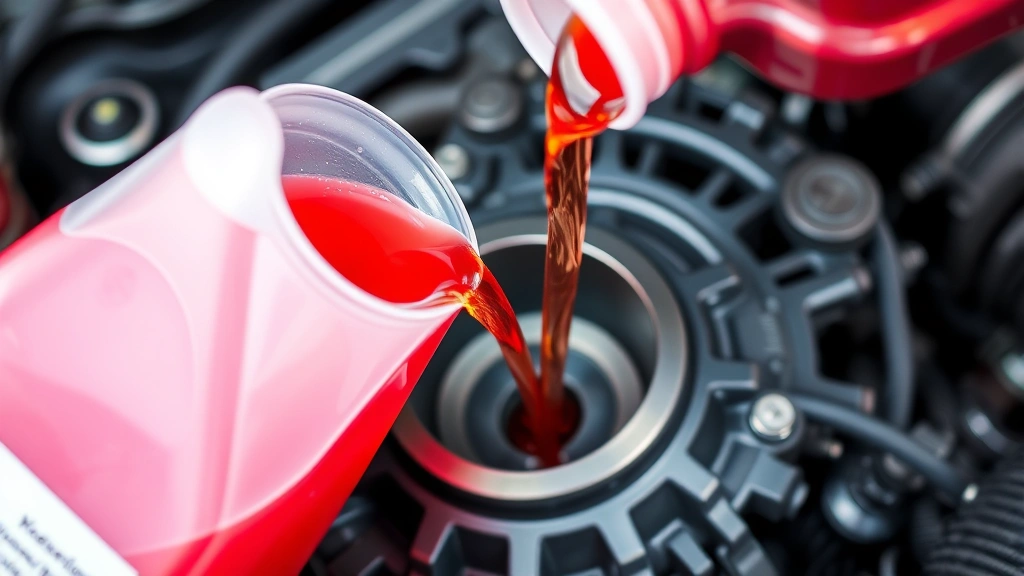
Locate your transmission fluid filler cap—it’s usually on top of the transmission or nearby on the engine bay. Remove it carefully. Insert your funnel and begin pouring fresh transmission fluid slowly. This is where patience pays dividends. Pouring too quickly can splash fluid everywhere and is wasteful.
The amount of fluid needed varies by vehicle. Check your manual for the exact capacity. Generally, you’ll add slightly less than the total capacity initially, then check and adjust. This prevents overfilling, which causes foaming and reduces cooling efficiency.
Checking Fluid Level:
Once you’ve added the recommended amount, replace the filler cap and start your engine. Let it idle for 30 seconds, then shift through all gears (P, R, N, D) slowly, pausing briefly in each gear. This circulates fresh fluid throughout the transmission system. Return to Park and let it idle for another minute.
Now check your fluid level. The process differs between vehicles—some use a traditional dipstick, others have electronic level sensors. Consult your manual for your vehicle’s specific method. The fluid should reach the proper mark on the dipstick or register correctly on the electronic display.
If levels are low, add more fluid in small increments. If overfilled, carefully drain excess until correct. This precision matters because transmission fluid expands as it heats up; overfilled transmissions can cause seals to fail.
Final Checks and Testing
You’re nearly done, but don’t skip these critical final steps.
Verifying Everything Works:
With the engine running, test each gear position. Shifts should feel smooth and responsive, not harsh or delayed. Listen for any unusual noises—grinding, whining, or clunking indicates problems that need professional diagnosis.
Take your vehicle for a short test drive around your neighborhood. Pay attention to shifting smoothness, acceleration response, and any warning lights. The transmission should feel more responsive than before, almost like a weight has lifted from your driving experience.
Check underneath your vehicle for leaks around the drain plug area and transmission pan. Slight weeping is normal initially, but steady dripping means you need to tighten something. Also verify that your engine oil levels are still adequate—if you’re performing regular maintenance, checking your engine oil simultaneously makes sense.
Disposing of Old Fluid:
Never pour old transmission fluid down the drain or into the ground. It’s an environmental hazard. Instead, take it to a local auto parts store, recycling center, or quick-lube facility that accepts used automotive fluids. Many accept it for free or minimal charge. This responsible disposal protects our environment.
Common Mistakes to Avoid
Learning from others’ missteps saves you time, money, and frustration.
Using Wrong Fluid Type:
This is the cardinal sin of transmission fluid changes. Different transmissions require specific fluid formulations. Automatic transmissions, CVTs, and manual transmissions all have different requirements. Using incompatible fluid causes shifting problems, transmission damage, and expensive repairs. When in doubt, call your dealership or consult your owner’s manual.
Overfilling or Underfilling:
Both extremes cause problems. Underfilled transmissions starve for lubrication, causing overheating and premature wear. Overfilled transmissions foam, reducing cooling efficiency and potentially causing seal failures. Precision matters here—follow your vehicle’s specifications exactly.
Forgetting the Filter:
Changing fluid without replacing the filter defeats half the purpose. Old filters contain trapped contaminants that will immediately re-contaminate your fresh fluid. Always replace filters when changing transmission fluid.
Working on a Cold Transmission:
Cold transmission fluid is thick and sluggish. Warming your transmission beforehand ensures complete draining and better fluid circulation. However, don’t work on an overheated transmission—let it cool slightly before handling hot drain plugs.
Skipping Safety Precautions:
Transmission fluid can reach 200+ degrees Fahrenheit. Burns are real and painful. Wear gloves, use jack stands, and never work under a vehicle supported only by a jack. These precautions seem excessive until you avoid a catastrophic accident.
If you’re also performing other maintenance like disconnecting your car battery for electrical work, ensure you understand how each task affects others. Sometimes maintenance tasks have unexpected interactions.
Frequently Asked Questions
How often should I change my transmission fluid?
Manufacturer recommendations vary between 30,000 and 100,000 miles. Check your owner’s manual for specific guidance. Some newer vehicles with advanced synthetic fluids go longer between changes. If you drive in severe conditions (frequent towing, extreme temperatures, stop-and-go traffic), consider more frequent changes. Monitoring your fluid condition is as important as following mileage intervals.
Can I change transmission fluid myself if I’m a beginner?
Absolutely. This project is intermediate-level difficulty, not advanced. If you’re comfortable with basic hand tools and working under a vehicle safely, you can handle it. Take your time, follow steps carefully, and don’t hesitate to consult your manual or online resources for your specific vehicle. The satisfaction of completing this maintenance yourself is worth the effort.
What if my transmission fluid is dark and smells burnt?
This indicates your transmission has been overheating, possibly from excessive towing, driving in extreme conditions, or underlying transmission problems. While changing the fluid helps, burnt fluid suggests potential transmission damage. Consider having a professional inspect your transmission before assuming a simple fluid change will fix things. Sometimes symptoms point to deeper issues requiring professional diagnosis.
Is synthetic transmission fluid better than conventional?
Synthetic transmission fluid offers advantages: better temperature stability, longer service intervals, improved protection under extreme conditions, and enhanced fuel efficiency. However, it’s more expensive. Check your owner’s manual—some vehicles specify synthetic, others recommend conventional, and many accept either. If your manual allows choice, synthetic is worth the premium investment for longevity.
Why is my transmission still shifting rough after changing the fluid?
Fresh fluid alone won’t fix mechanical problems. If shifting remains rough, check your fluid level—it might be incorrect. Verify you used the right fluid type. If problems persist, your transmission likely has underlying issues requiring professional transmission service or repairs. Fluid changes maintain healthy transmissions; they don’t resurrect dying ones.
Do I need special tools for this job?
Standard hand tools suffice for most vehicles. You’ll need a jack, jack stands, basic wrenches, and a drain pan. Some vehicles require a transmission fluid pump or special filter tools, but these are inexpensive and widely available. Your service manual specifies any special requirements for your vehicle.
Should I flush my transmission or just change the fluid?
Flushing involves circulating cleaning solution through your transmission to remove all old fluid and contaminants. It’s more thorough but riskier on older transmissions with varnish buildup—aggressive flushing can dislodge deposits and clog lines. A simple drain-and-fill is safer for most vehicles. Consult your manufacturer’s recommendations; many suggest traditional fluid changes over flushes.
Beyond transmission maintenance, staying on top of other routine car care tasks keeps everything running smoothly. If you haven’t checked your tire maintenance schedule, learning how often to rotate tires ensures even wear and extends tire life.
For more detailed transmission service information, consult resources like This Old House’s automotive guides, Family Handyman’s DIY automotive section, and Home Depot’s tool rental services for equipment you might not own. Your vehicle’s manufacturer website and your specific model’s service manual are invaluable resources containing exact specifications and procedures tailored to your transmission.
Changing transmission fluid isn’t glamorous, but it’s one of the most impactful maintenance tasks you can perform. Your transmission will thank you with smoother shifts, better efficiency, and years of reliable service. Take pride in this accomplishment—you’ve just extended your vehicle’s lifespan while saving significant money on professional service.

Related Posts

How Long to Boil Lobster Tails: Cooking Guide

How Long to Fly from New York to London? Travel Times
