
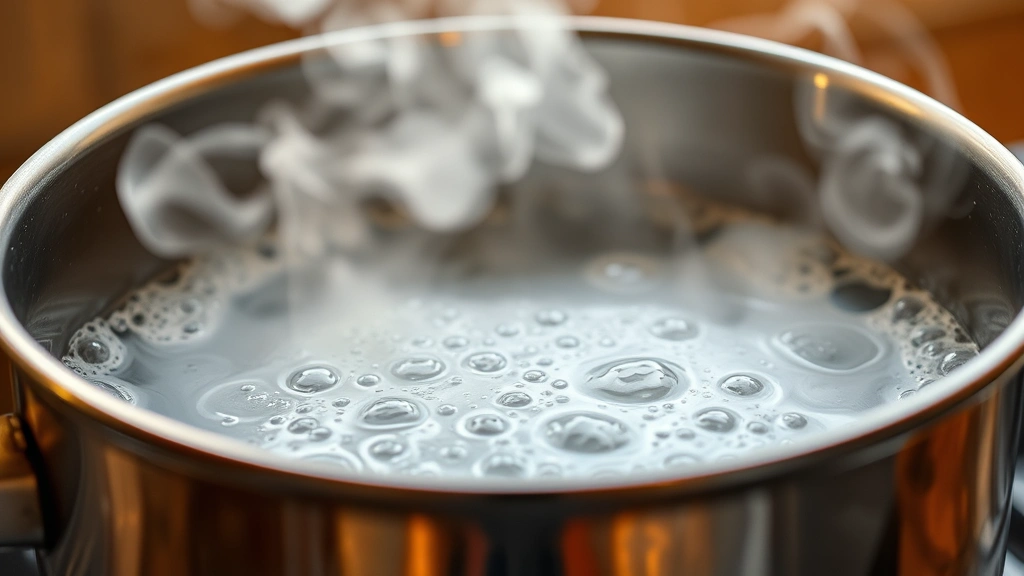
How Long Does Water Take to Boil? Explained
How Long Does Water Take to Boil? Explained
There’s something almost meditative about waiting for water to boil—that moment when tiny bubbles begin their ascent, steam rises from the kettle, and you know something delicious is about to happen. But if you’re standing in your kitchen wondering why it’s taking so long, or if you’re curious about the science behind the wait, you’re not alone. Understanding how long water takes to boil isn’t just about patience; it’s about efficiency, energy use, and getting your cooking off to the right start.
The answer isn’t as straightforward as “five minutes” because boiling time depends on multiple factors working together. From the volume of water you’re heating to the altitude where you live, several variables influence how quickly those bubbles form. Whether you’re making a quick cup of tea, preparing pasta, or blanching vegetables, knowing what affects boiling time helps you plan your cooking more effectively and avoid unnecessary energy waste.
Let’s dive into the science and practical realities of boiling water, so you can master this fundamental cooking skill and understand why your kettle behaves the way it does.
Factors That Affect Boiling Time
Water doesn’t boil at the same rate everywhere or in every situation. Think of boiling as a race with multiple competitors, and several factors determine who crosses the finish line first. The primary variables include the amount of water you’re heating, the starting temperature of that water, your heating source, and even the container material you’re using.
Starting temperature matters more than many people realize. If you begin with hot tap water instead of cold water from the fridge, you’re already several degrees ahead. Room-temperature water takes longer than cold water because it has further to travel to reach the boiling point. Some experienced cooks strategically use this knowledge to their advantage when timing matters.
The container you choose plays a surprisingly important role. A thin-bottomed stainless steel pot heats water faster than a thick ceramic vessel. Copper-bottomed pots are prized by serious cooks partly because copper conducts heat so efficiently. The surface area also counts—a wide, shallow pan distributes heat differently than a tall, narrow kettle, affecting how quickly the entire volume reaches boiling temperature.
Water quality and mineral content introduce another variable. Hard water with dissolved minerals takes slightly longer to boil than distilled water, though the difference is usually measured in seconds rather than minutes. This is one reason some kettles develop mineral buildup over time—those minerals accumulate as water evaporates during repeated boiling.
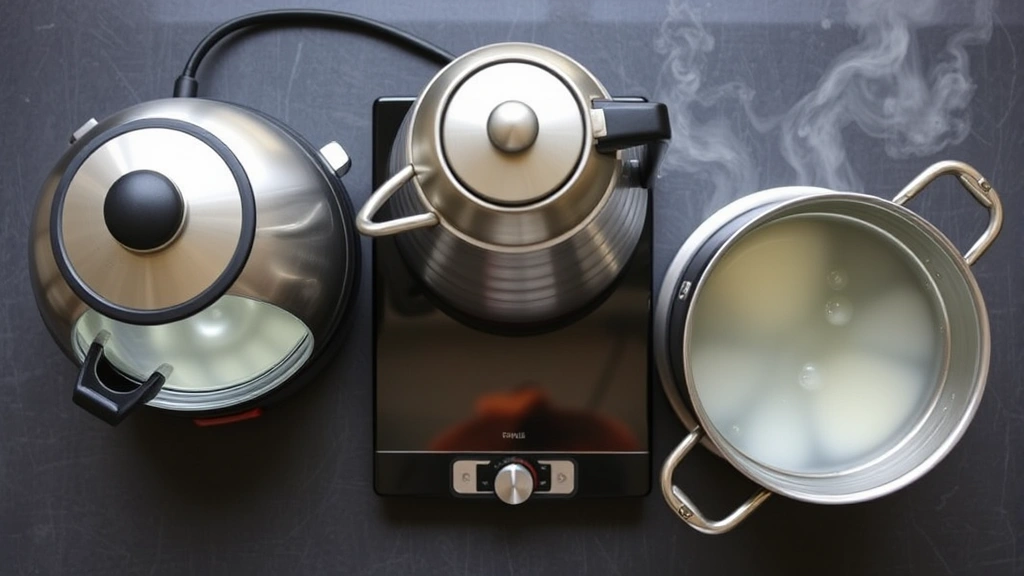
Typical Boiling Times by Volume
For practical purposes, here’s what you can generally expect when using a standard electric kettle or stovetop pot with cold tap water:
- 1 cup (8 oz): Approximately 1-2 minutes in an electric kettle, 3-4 minutes on a stovetop
- 2 cups (16 oz): Around 2-3 minutes in an electric kettle, 5-7 minutes on a stovetop
- 4 cups (32 oz): Roughly 4-5 minutes in an electric kettle, 8-10 minutes on a stovetop
- 1 gallon (128 oz): Approximately 10-15 minutes in an electric kettle, 15-20 minutes on a stovetop
These times assume you’re starting with cold water and a properly functioning heat source. Electric kettles tend to win the speed race because they use direct immersion heating elements that transfer energy more efficiently than a stovetop flame heating through cookware. The difference becomes more pronounced with larger volumes—a gallon of water boils noticeably faster in an electric kettle than on your stove.
When you’re preparing ingredients like boiling chicken or boiling potatoes, you’ll first need to account for the time to bring your water to a rolling boil before adding food. This initial boiling phase is crucial because it creates the environment needed for proper cooking. Similarly, if you’re preparing seafood and wondering how long to boil shrimp, you’ll want your water already at a vigorous boil before the shrimp hit the pot.
How Altitude Changes Everything
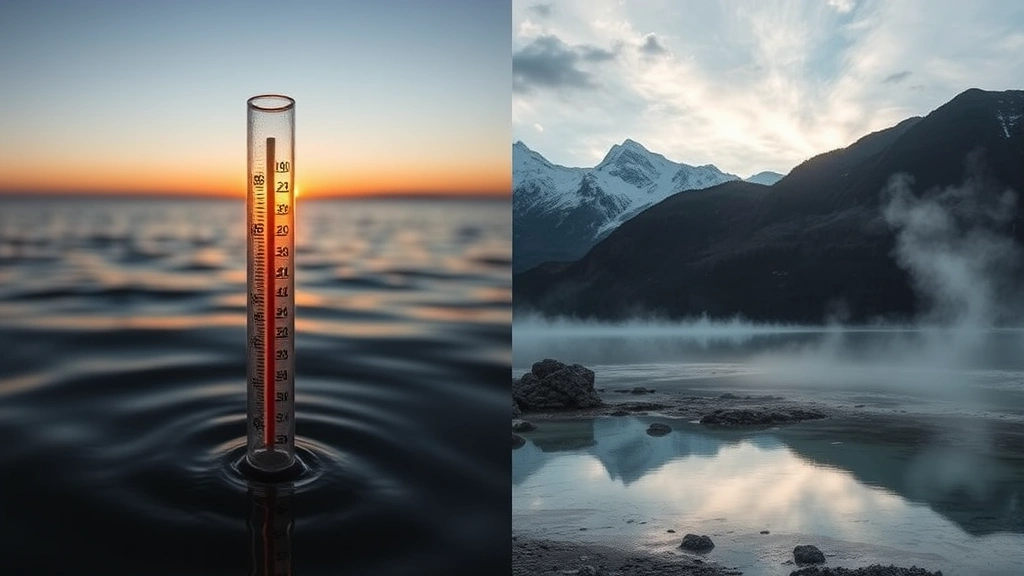
Here’s where things get interesting: altitude dramatically affects boiling temperature and time. At sea level, water boils at exactly 100°C (212°F). But climb a mountain, and that boiling point drops significantly. At 5,000 feet elevation, water boils at approximately 95°C (203°F). At 10,000 feet, it’s down to about 90°C (194°F).
This happens because atmospheric pressure decreases with altitude. Water molecules need less energy to escape as vapor when there’s less air pressure pushing down on them. The practical consequence? Water boils faster at higher altitudes because it reaches its boiling point at a lower temperature. Sounds great, right? The catch is that lower boiling temperature means less intense cooking, which can affect how thoroughly food cooks.
If you live at significant elevation, recipes that assume sea-level conditions might not work perfectly without adjustment. Pasta might need an extra minute or two. Boiling chicken breast might require longer cooking times to ensure the meat is properly cooked through. This is why altitude-adjusted recipes exist, and why experienced cooks in mountainous regions often develop their own timing variations.
Different Heating Methods Compared
Your choice of heating apparatus significantly influences boiling speed. Let’s compare the main options you’ll encounter in a typical kitchen:
Electric Kettles are the speed champions. They heat water faster than almost any other method because the heating element sits directly in the water. Most electric kettles boil a standard quantity in 3-5 minutes. They’re also energy-efficient because they heat only the water you need, not the entire stovetop surface.
Stovetop Kettles rely on your stove’s heat source. Gas burners can be faster than electric stovetops because you control the flame intensity, but the overall process takes longer than an electric kettle. A stovetop kettle typically needs 8-15 minutes depending on your stove type and water volume.
Stovetop Pots without lids take longer because steam escapes, carrying away heat energy. Covering your pot with a lid dramatically reduces boiling time—often by 25-30%—because it traps heat and prevents steam from dissipating. This is a simple but powerful trick that costs nothing.
Instant Pot and Pressure Cookers create a different scenario entirely. They reach boiling temperature quickly but then seal in the pressure, reaching temperatures above normal boiling point. These are fantastic for cooking but operate on different principles than traditional boiling.
The most energy-efficient approach combines an electric kettle for heating water with a lid for stovetop cooking. You get speed from the kettle and then retain that heat efficiency when you transfer to your cooking pot.
Tips to Speed Up the Process
If you’re impatient (and who isn’t sometimes?), several legitimate strategies can shave minutes off your boiling time:
- Use hot tap water as your starting point. This gives your water a significant head start. Some people worry about contaminants in hot tap water, but modern plumbing systems are generally safe, and you’re boiling it anyway.
- Cover your pot with a lid. This single action can reduce boiling time by up to 30%. The trapped heat and steam create a more efficient cooking environment.
- Use a kettle instead of a pot. Electric kettles are simply faster. If you’re already using one for tea, use it for cooking water too.
- Choose the right pot size. A pot that’s appropriately sized for your water amount heats faster than an oversized vessel. You want enough depth for vigorous boiling but not excessive empty space.
- Ensure your heating element is clean. Mineral buildup on electric kettle elements or stovetop burners reduces efficiency. Regular descaling of kettles and keeping burners clean helps maintain optimal performance.
- Use a wide, shallow container when possible. Greater surface area exposed to heat means faster temperature increase, though you’ll need to be careful about evaporation with extended boiling.
These aren’t tricks or hacks—they’re applications of basic heat transfer physics. Understanding the principles helps you apply them intelligently in different situations.
The Science Behind Boiling Water
Boiling isn’t just bubbles appearing randomly. It’s a specific phase transition where water molecules gain enough energy to break free from the liquid state and become vapor. This happens at a precise temperature determined by atmospheric pressure.
When you heat water, you’re adding thermal energy to the molecules. They vibrate faster and move around more energetically. At lower temperatures, they remain bonded in the liquid state. But as temperature increases, more and more molecules have enough energy to escape as vapor. When the vapor pressure equals atmospheric pressure, boiling occurs—bubbles form throughout the liquid, not just at the surface.
The reason boiling water stays at 100°C at sea level is fascinating: once boiling starts, additional heat doesn’t increase the temperature. Instead, it converts more liquid to vapor. This is called the latent heat of vaporization. You could apply double the heat and the temperature wouldn’t change—the water would simply boil more vigorously and evaporate faster.
This principle is why using a French press works so well—you need water at a specific temperature, not necessarily at a rolling boil. Similarly, for delicate preparations like steaming broccoli, you’re using the heat from boiling water rather than subjecting food directly to vigorous boiling.
Understanding this distinction between temperature and heat intensity helps explain why different cooking methods work. Gentle simmering still cooks food effectively because the water is still at 100°C—it’s just not boiling as vigorously. The temperature remains constant even though the heat input varies.
For more detailed scientific information about water properties and phase transitions, the USGS provides comprehensive explanations of boiling points. ExplainThatStuff offers accessible breakdowns of heat transfer and boiling that help visualize these concepts.
Frequently Asked Questions
Does salt make water boil faster?
This is a common misconception. Salt actually raises the boiling point of water slightly, making it take fractionally longer to boil. However, you add salt for flavor and texture when cooking pasta or vegetables, not to speed up boiling. The effect is minimal—we’re talking seconds difference—and the culinary benefits far outweigh the negligible time increase.
Why does water take longer to boil at higher elevations?
Water doesn’t actually take longer to reach its boiling point at higher elevations—it reaches a lower boiling point faster. However, because the boiling temperature is lower, the water doesn’t get as hot, which means food takes longer to cook properly. This is why recipes often need adjustment for altitude.
Can you boil water in a microwave?
Yes, though it’s less efficient than a kettle for larger quantities. Microwave boiling times vary dramatically based on your microwave’s power and the water amount. A cup typically takes 2-4 minutes. The advantage is convenience if you’re already using the microwave; the disadvantage is that microwaves heat water unevenly, potentially creating superheated pockets that can cause sudden, violent boiling when disturbed.
Is boiling water the same as steaming water?
No. Boiling is when water reaches 100°C and forms bubbles throughout. Steaming is when you use the heat and moisture from boiling water to cook food without direct contact. Steaming is gentler and often preserves more nutrients and texture than boiling.
Does the type of stove affect boiling time significantly?
Absolutely. Gas stoves can boil water faster than electric coils but slower than electric kettles. Induction cooktops are excellent for boiling because they transfer heat very efficiently directly to magnetic cookware. Convection ovens don’t directly boil water but can heat it effectively in appropriate vessels.
Should you cover the pot while water is boiling?
Yes, especially while waiting for it to reach a boil. A lid traps steam and heat, reducing time to boiling by 25-30%. Once water is boiling and you’re cooking pasta or other foods, you might leave the lid off depending on the recipe to prevent boiling over.
How much water do you need for cooking pasta?
The general rule is about 4-6 quarts per pound of pasta, though this varies by preference. Regardless of the amount, you’ll need to wait for that water to reach a rolling boil before adding pasta. This ensures even cooking and proper texture development.

Related Posts

How Long to Boil Lobster Tails: Cooking Guide
How Long to Fly from New York to London? Travel Times
