
Master the Art of Making Distilled Water at Home Easily
Distilled water is one of the purest forms of water available, free from minerals, chemicals, and contaminants that can affect taste, health, and the performance of appliances. While you can purchase distilled water from stores, learning how to make distilled water at home is not only cost-effective but also ensures you have a constant supply of pure water whenever needed. This essential skill proves invaluable for various applications, from medical devices and steam irons to brewing coffee and laboratory experiments.
The process of distillation mimics nature’s water cycle, where water evaporates, condenses, and falls as rain. By mastering this simple yet effective technique, you’ll gain independence from store-bought distilled water and develop a deeper understanding of water purification. Whether you need distilled water for appliances like your dishwasher or for cooking applications like preparing rice, this comprehensive guide will equip you with multiple methods and expert tips to create high-quality distilled water in your own kitchen.
Understanding Distilled Water and Its Benefits
Distilled water represents the gold standard of water purity, achieved through a process that removes virtually all dissolved minerals, salts, and impurities. Unlike tap water, which contains chlorine, fluoride, and various minerals, or filtered water, which may still retain some substances, distilled water is essentially H2O in its purest form. The Environmental Protection Agency recognizes distillation as one of the most effective water treatment methods available.
The distillation process works on the principle that water has a lower boiling point than most contaminants. When water is heated to its boiling point of 212°F (100°C), it transforms into steam, leaving behind minerals, bacteria, viruses, and chemical pollutants. This steam is then cooled and condensed back into liquid form, resulting in pure water. This method is so effective that it’s used in laboratories, hospitals, and industrial applications where water purity is critical.
The benefits of using distilled water extend far beyond simple purity. For appliances, distilled water prevents mineral buildup that can damage heating elements and reduce efficiency. This is particularly important for steam irons, humidifiers, and coffee makers, where hard water deposits can cause premature failure. Additionally, distilled water provides a neutral base for various applications, from mixing cleaning solutions to preparing baby formula, where the absence of minerals ensures consistent results.
The Classic Stovetop Distillation Method
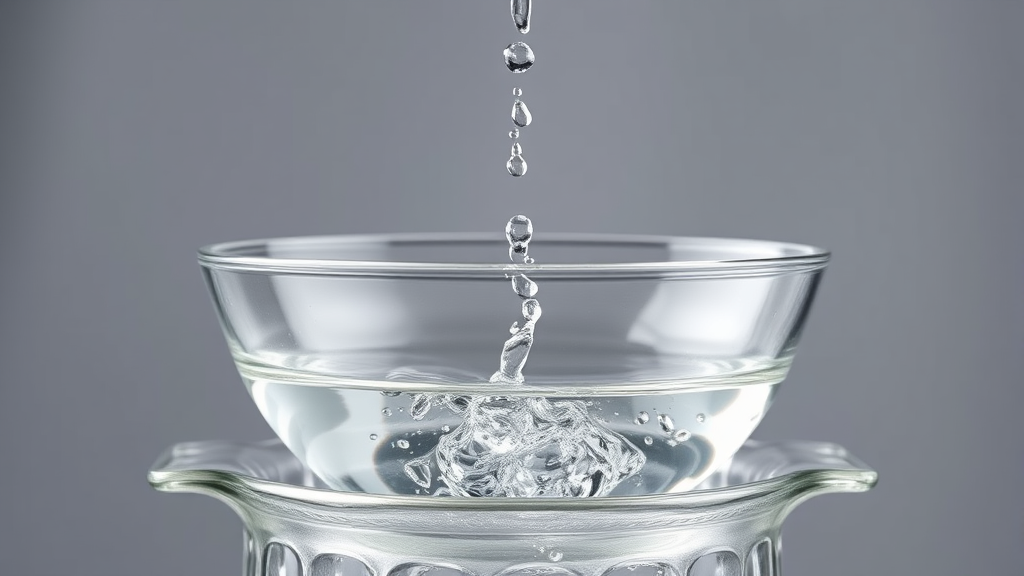
The most straightforward method for creating distilled water at home uses basic kitchen equipment and the stovetop. This time-tested approach requires a large pot, a smaller heat-resistant bowl, a curved lid, and ice cubes. Begin by filling the large pot with tap water, ensuring the water level doesn’t exceed the rim of the smaller bowl when it’s placed inside. The smaller bowl serves as your collection vessel and should float freely in the water.
Position the smaller bowl in the center of the pot, allowing it to float on the water’s surface. The bowl should remain stable and not tip over when the water begins to boil. Next, invert the pot’s lid so the handle points downward into the pot. This creates a collection point where condensed steam will gather and drip into your collection bowl. The inverted lid mimics the shape of a mountain, encouraging water droplets to flow toward the lowest point.
Place ice cubes on top of the inverted lid to accelerate the condensation process. The temperature difference between the hot steam and cold surface causes rapid condensation, increasing your distilled water production rate. Bring the water to a boil, then reduce heat to maintain a steady simmer. The process typically takes 45 minutes to an hour to produce a meaningful amount of distilled water, depending on your setup’s size and efficiency.
Monitor the process carefully, adding more ice as needed to maintain the temperature differential. The steam will rise, hit the cold lid surface, condense into water droplets, and flow down to the handle’s tip, where it drips into your collection bowl. This method can produce approximately one cup of distilled water per hour, making it suitable for small-batch needs.
Glass Bowl Collection Technique
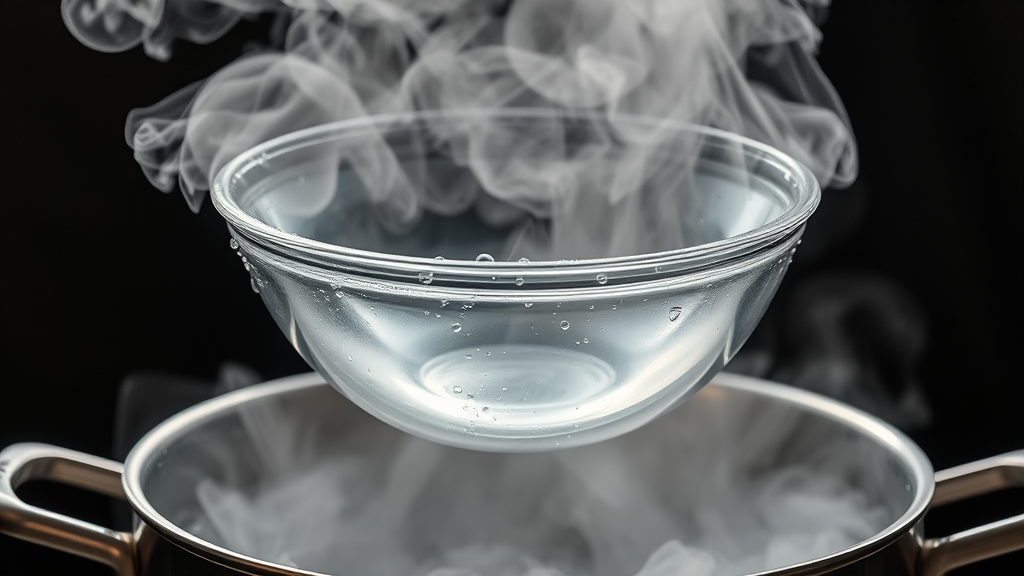
An alternative approach involves using a glass bowl as the primary collection method, which some find more efficient and easier to monitor. This technique requires a large stainless steel pot, a glass mixing bowl that fits inside the pot without touching the bottom, and aluminum foil. The glass bowl method offers better visibility of the distillation process and typically produces cleaner results.
Start by placing a brick or heat-resistant stand in the bottom of your pot to elevate the glass bowl above the water level. Fill the pot with water until it reaches about halfway up the sides of the bowl when placed on the stand. The elevated position prevents the collected distilled water from mixing with the source water below. Ensure the bowl remains stable and level to prevent spillage during the boiling process.
Create a tent-like cover using aluminum foil, sealing the edges around the pot’s rim to prevent steam escape. Make a small depression in the center of the foil, directly above the collection bowl, to encourage condensation to drip into the bowl. The foil acts as a condensation surface, and the depression creates a funnel effect that directs pure water into your collection vessel.
This method offers several advantages over the inverted lid technique. The glass bowl allows you to observe the collection process without lifting the cover, maintaining the system’s efficiency. Additionally, the aluminum foil can be shaped more precisely than a pot lid, creating better condensation patterns and potentially higher yields.
Alternative Home Distillation Methods
For those seeking more advanced or efficient methods, several alternative approaches can produce larger quantities of distilled water with potentially better results. The bottle distillation method uses two glass bottles connected by tubing, creating a closed-loop system that’s particularly effective for producing small amounts of high-purity water. This method requires heat-resistant glass bottles, silicone tubing, and careful temperature control.
Connect the bottles using the tubing, with one bottle serving as the evaporation chamber and the other as the collection vessel. Fill the evaporation bottle partially with water and heat it gently while keeping the collection bottle cool. Steam travels through the tubing, condenses in the cool bottle, and accumulates as distilled water. This method provides excellent purity but requires more setup time and specialized equipment.
Solar distillation offers an eco-friendly alternative that harnesses the sun’s energy for the distillation process. Construct a simple solar still using a clear container, black-painted metal, and angled glass or plastic sheeting. Place contaminated water in the black container, cover with the angled transparent material, and position a collection channel at the lowest edge. Solar energy heats the water, creating steam that condenses on the cool surface and flows into your collection area.
Electric water distillers represent the most convenient option for regular distilled water production. These countertop units automate the entire process, requiring only the addition of tap water and electricity. While more expensive initially, they produce consistent results with minimal effort and can generate several gallons of distilled water daily. FDA guidelines recognize properly functioning distillers as effective water purification devices.
Proper Storage and Safety Considerations
Proper storage of homemade distilled water is crucial for maintaining its purity and preventing contamination. Use only clean, sterilized glass containers or food-grade plastic bottles specifically designed for water storage. Avoid containers that previously held chemicals, cleaning products, or other substances that could leach into your pure water. Glass containers are preferred as they don’t impart any taste or chemicals to the water over time.
Before storing distilled water, sterilize your containers using boiling water or a diluted bleach solution, followed by thorough rinsing with distilled water. Any residual contaminants in the storage container will compromise your water’s purity. Label containers with the production date and store them in a cool, dark place away from direct sunlight and potential contaminants.
Safety considerations during the distillation process are paramount, as the procedure involves boiling water and hot steam. Always use heat-resistant gloves when handling hot equipment, and ensure adequate ventilation to prevent steam buildup in your kitchen. Keep the distillation setup away from children and pets, and never leave the process unattended for extended periods. The combination of hot surfaces, boiling water, and electrical equipment requires constant vigilance.
Be aware that distilled water has a neutral pH and lacks the minerals found in regular drinking water. While safe for consumption, some health professionals recommend using distilled water primarily for specific applications rather than as your sole drinking water source. The World Health Organization provides guidelines on water quality and mineral content that can help inform your usage decisions.
Applications and Uses for Homemade Distilled Water
Homemade distilled water serves numerous practical applications throughout your home, making the effort invested in production worthwhile. In the kitchen, distilled water excels for cooking applications where water quality directly affects the final product. Use distilled water for washing delicate produce or when preparing foods that require precise flavor profiles. The absence of chlorine and minerals ensures that your food tastes exactly as intended without interference from water-borne flavors.
Appliance maintenance represents one of the most valuable applications for homemade distilled water. Steam irons, humidifiers, and coffee makers benefit significantly from distilled water use, as it prevents mineral buildup that can clog mechanisms and reduce efficiency. Regular use of distilled water in these appliances extends their lifespan and maintains optimal performance. Similarly, car batteries, cooling systems, and other automotive applications require distilled water to prevent corrosion and mineral deposits.
Medical and personal care applications often demand the purity that only distilled water can provide. Use distilled water for nasal irrigation, wound cleaning, and mixing with medications when specified by healthcare providers. Contact lens solutions, baby formula preparation, and other sensitive applications benefit from distilled water’s consistent purity and lack of potentially harmful contaminants.
Cleaning applications represent another excellent use for homemade distilled water. Mix cleaning solutions with distilled water to prevent mineral streaks on windows, mirrors, and delicate surfaces. The pure water ensures that cleaning products work as intended without interference from hard water minerals. This is particularly valuable when maintaining appliances like your washing machine, where mineral-free water helps preserve internal components.
Troubleshooting Common Issues
Several common issues can arise during the home distillation process, but most are easily resolved with proper understanding and technique adjustments. Low production rates often result from insufficient temperature differential between the evaporation and condensation surfaces. Ensure adequate ice supply on the condensation surface and maintain a steady simmer rather than a rolling boil, which can cause splashing and contamination.
Cloudy or contaminated distilled water typically indicates that source water is splashing into the collection container or that equipment isn’t clean. Reduce heat to prevent vigorous boiling that causes splashing, and ensure all equipment is thoroughly cleaned before use. If contamination persists, check that the collection container isn’t touching the source water and that steam pathways are properly sealed.
Taste issues in homemade distilled water usually stem from contaminated equipment or improper storage. Clean all components with hot water and mild detergent, followed by thorough rinsing. If metallic tastes persist, consider using glass equipment instead of metal pots, or ensure that metal components are food-grade stainless steel. Store distilled water in glass containers to prevent plastic flavors from developing over time.
Inconsistent results often reflect variations in heat control, equipment positioning, or timing. Develop a standardized process by recording successful parameters such as heat settings, timing, and equipment arrangements. Consistency in technique leads to predictable results and higher-quality distilled water production.
Frequently Asked Questions
How long does it take to make distilled water at home?
The time required to produce distilled water at home varies depending on your method and setup size. Using the stovetop method, you can typically produce about one cup of distilled water per hour. Larger setups or more efficient condensation systems can increase this rate. Plan for 45 minutes to an hour for small batches, and several hours for larger quantities. The key is maintaining steady heat and optimal condensation conditions throughout the process.
Is homemade distilled water as pure as store-bought versions?
When properly executed, homemade distilled water can achieve purity levels comparable to commercial products. The effectiveness depends on your technique, equipment cleanliness, and source water quality. Commercial distillers may have slight advantages in consistency and volume production, but home distillation using proper methods removes the same contaminants through identical scientific principles. Ensure clean equipment and proper technique for best results.
Can I use any type of pot for making distilled water?
While you can use various pot types, stainless steel or glass vessels work best for distillation. Avoid aluminum pots, which can leach metals into your water, and non-stick coatings that might break down under high heat. The pot should be large enough to accommodate your collection vessel with adequate water depth. Heat-resistant glass offers the advantage of visibility during the process, while stainless steel provides durability and even heat distribution.
How should I store homemade distilled water?
Store homemade distilled water in clean, sterilized glass containers or food-grade plastic bottles in a cool, dark location. Glass containers are preferred as they don’t impart flavors or potentially harmful chemicals over time. Label containers with production dates and use within six months for optimal quality. Avoid storing in containers that previously held other substances, and ensure tight seals to prevent contamination from airborne particles.
What’s the difference between distilled water and filtered water?
Distilled water undergoes complete purification through evaporation and condensation, removing virtually all dissolved substances including minerals, salts, and chemicals. Filtered water passes through various media that remove specific contaminants but may retain some minerals and substances. Distillation is more comprehensive, removing bacteria, viruses, heavy metals, and chemical pollutants that some filters might miss. However, filtered water retains beneficial minerals that distillation removes.
Can I drink homemade distilled water regularly?
While homemade distilled water is safe to drink, many health professionals recommend it primarily for specific applications rather than exclusive daily consumption. Distilled water lacks the minerals found in regular drinking water, which some believe may contribute to overall health. The CDC provides information on various water treatment options and their health implications. Consult healthcare providers for personalized advice on water consumption choices.
Why does my distilled water have a flat taste?
Distilled water tastes “flat” because it lacks the minerals that give regular water its characteristic taste. Pure H2O has no flavor, which some find unusual compared to tap or spring water. This neutral taste is actually a sign of successful distillation and high purity. The flat taste makes distilled water excellent for cooking and beverage preparation where water flavor shouldn’t interfere with the final product.

Related Posts

How Long to Boil Lobster Tails: Cooking Guide

How Long to Fly from New York to London? Travel Times
